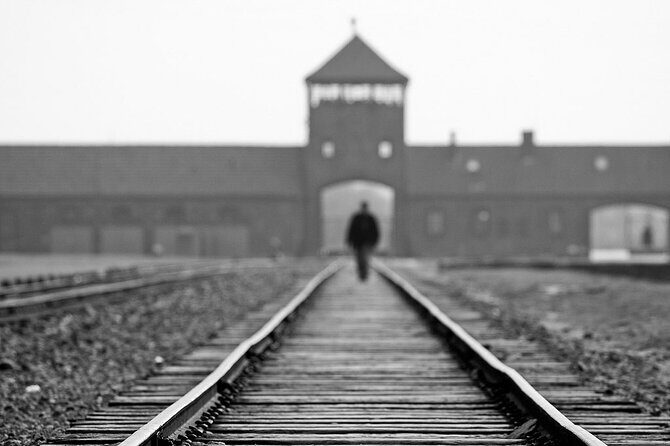
Krakow to Auschwitz-Birkenau is one of those trips you don’t forget. This experience is built around expert English guidance, round-trip transport from Krakow, and timed visits to both Auschwitz I and Birkenau (Auschwitz II). You’ll also get headsets so you can actually hear the guide through the long, hushed stops.
What I like most is the setup: you’re not left figuring out logistics, and the guides are officially approved by the museum. The second big win is the pacing that tries to protect your time—there’s a short pause in Oswiecim and a final buffer before your Krakow drop-off.
One possible drawback: the hardest part is often not the history—it’s the logistics. Pickup times can shift due to Auschwitz-Birkenau museum rules, and queues at the entrance can eat up your morning, sometimes leaving visitors sitting longer than expected.
- Key Points
- Krakow to Auschwitz-Birkenau: what this tour really is
- The drive from Krakow: comfort, early mornings, and real-world timing
- Group size and why it affects your experience
- Getting your voice heard: headsets and guide quality
- Stop 0 (the setup): transportation, a quick Oswiecim break, and outdoor exhibits
- Stop 1: Auschwitz I Museum (the focused introduction)
- Short breaks matter more than you think
- Stop 2: Birkenau (Auschwitz II) in Brzezinka
- Timing can change: museum policy and queue reality
- What’s included (and what’s not)
- Food and drinks: plan for “no lunch included”
- Walking, weather, and accessibility considerations
- Visitor behavior: small reminders that keep the mood respectful
- Value for money: why .23 can be a bargain
- Who this tour suits best
- Choosing your moment: make it easier on your future self
- Should you book this Auschwitz-Birkenau tour from Krakow?
- FAQ
- What is the price and duration of the tour?
- Do I need an ID or passport for entrance?
- Is the tour offered in English?
- Does the tour include admission tickets?
- Is food included?
- Is the tour suitable for people with mobility issues?
- The Best Of Krakow!
- More Museum Experiences in Krakow
- More Tours in Krakow
- More Tour Reviews in Krakow
Key Points
- Officially approved museum-guides in English for both sites
- Round-trip Krakow transport plus headsets for clearer narration
- Auschwitz I + Birkenau visits with specific time blocks at each area
- Early starts and queue risk due to museum entry procedures and shifting departure times
- Short breaks (often under 10 minutes) and no food included, so pack accordingly
- Non-refundable policy, so confirm timing carefully before you commit
👉 See our pick of the Our Picks For The 12 Best Spa & Hot Springs Experiences In Krakow
Krakow to Auschwitz-Birkenau: what this tour really is
This is a guided day trip designed to get you from Krakow to Oswiecim without the headache of planning. You’ll ride in an air-conditioned van or mini-bus, then follow an officially approved English-speaking guide through both camps in a structured order.
The goal is simple: you get the facts, the context, and the “where and why” of what you’re looking at—without leaving you to wander. And yes, it’s heavy. The tour is meant for remembrance, not sightseeing.
You can also read our reviews of more museum experiences in Krakow
The drive from Krakow: comfort, early mornings, and real-world timing
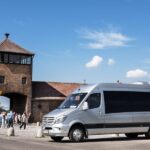
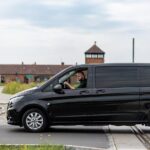
The tour includes round-trip transport from central Krakow, using an air-conditioned vehicle. Meeting is listed at Pawia 18B in Kraków, and you return after the day’s travel (with a final pause and then the drive back).
Now for the part that can make or break your day: departure time may change due to Auschwitz-Birkenau policy. If you’re traveling on a tight schedule, this matters a lot. Some travelers report last-minute reschedules dramatically earlier than expected, which can turn a calm morning into a very early start.
If you do book, plan like a pro:
- Contact the day before to confirm the exact departure time.
- Treat pickup time as “likely variable,” not a fixed appointment.
- Keep backup flexibility if you have prepaid hotel breakfasts or other tours.
Group size and why it affects your experience
Your group max is 30 travelers, which is a decent size for a serious historical visit. Smaller groups tend to move more smoothly, and the guide can maintain a consistent pace and message.
That said, even with a small group, museum lines and entry systems can slow things down. The guide can’t always control how quickly you’re admitted.
Getting your voice heard: headsets and guide quality
One of the best practical inclusions here is headsets. On a site like Auschwitz, it’s easy to get separated by crowds or wind, and plain “talk louder” just doesn’t work.
The other big quality signal is the guide: they’re licensed, English speaking, and officially approved by the Auschwitz-Birkenau Museum. Many visitors mention that guides like John, Norbert, and Paulina brought real knowledge and clear English, with a way of explaining that goes beyond what you’d get from signs alone.
Stop 0 (the setup): transportation, a quick Oswiecim break, and outdoor exhibits
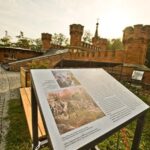
You start with easy transportation from Krakow, and your leader stays with you to help you along the way. Before you step into Auschwitz I, there’s a short pause in Oswiecim—about enough time to grab coffee or check out some outdoor exhibits.
In other words: you’re not dropped off and left alone. You get a moment to reset your body before the emotional weight begins.
You can also read our reviews of more tours and experiences in Krakow
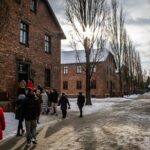
Stop 1: Auschwitz I Museum (the focused introduction)
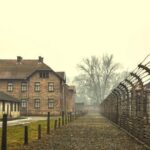
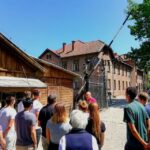
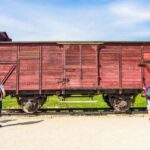
This is where the tour’s narrative sets its foundation. Auschwitz I is described as a guided visit through the haunting remnants of the camp, led by a guide.
What you can expect to see includes:
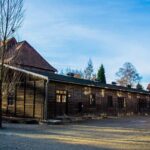
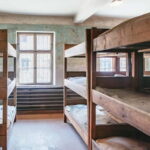
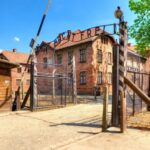
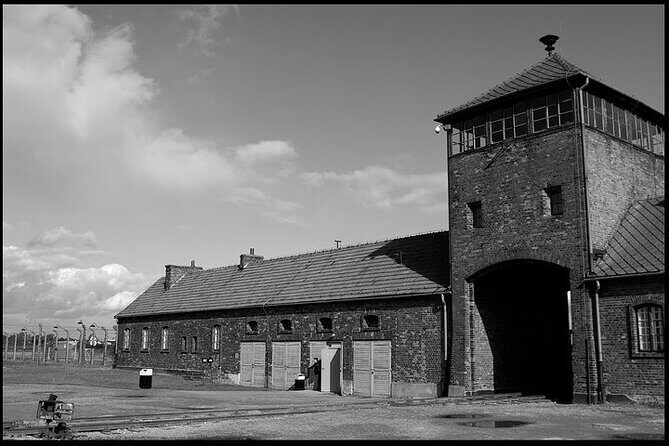
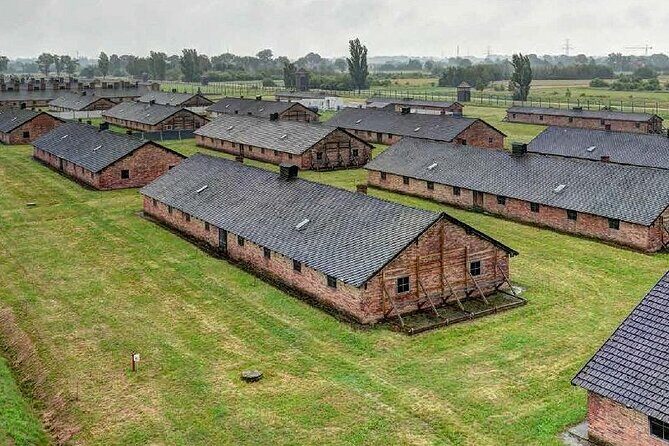
- Barracks and watchtowers
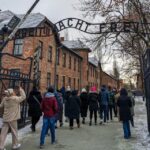
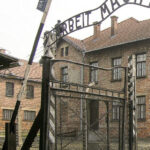
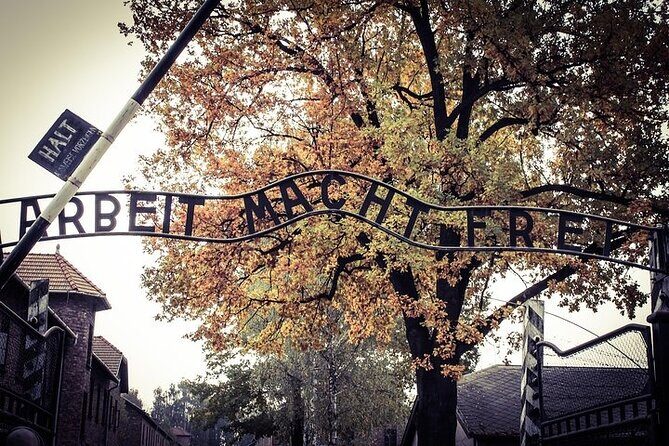
- The famous gate with Arbeit Macht Frei
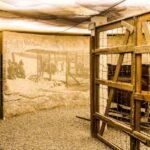
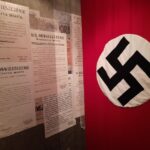
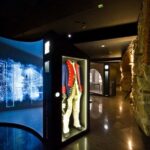
- Exhibits with personal belongings, photographs, and documents
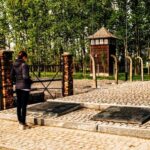
The visit also includes memorials and monuments dedicated to victims of the Holocaust, plus time for quiet reflection. The admission ticket is included, and the museum portion is scheduled for about 2 hours 30 minutes.
A practical note: this part tends to feel dense. Don’t try to “speed read” the exhibits. If your brain is tired, that’s normal. This is information you absorb in stages.
Short breaks matter more than you think
During the tour, breaks are limited—no longer than 10 minutes—so you can’t rely on frequent pauses. Some travelers felt they needed more time for toilets and basic comfort, especially on hot days or when walking time adds up.
So treat the breaks as “use them fully” moments:
- Use the restroom when you can, not when you feel desperate.
- Bring water and small snacks if you’re able (food and drinks aren’t included).
Stop 2: Birkenau (Auschwitz II) in Brzezinka
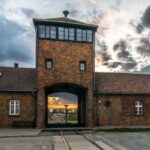
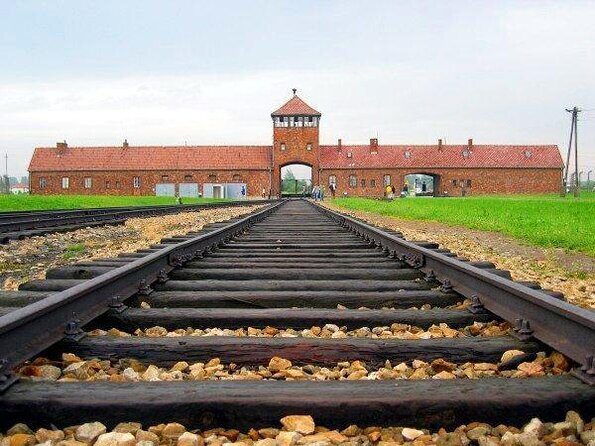
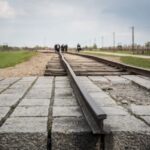
After a short first-camp break (up to about 15 minutes), you head to Birkenau, only around a few minutes away. Birkenau is the larger camp built for the brutal purpose of making Europe “Judenrein,” and the guide continues the lecture there.
Birkenau’s scale is part of the impact. The tour explains it was constructed in 1941 on orders connected to Heinrich Himmler and could hold up to around 90,000 prisoners. You’ll hear about terrible living conditions, selection processes, and pseudo-scientific medical experiments attributed to prominent Nazi doctors.
There’s also a historical closing note: liberation on January 27, 1945, opened by the 60th Army of the First Ukrainian Front. The tour ends with that final liberation message, with the expectation that visitors leave holding the reality of genocide—and the importance of it never happening again.
The scheduled time for this portion is about 1 hour 30 minutes. That’s not a long time for a place this large, so arrive mentally ready for a structured, guided overview rather than a slow wander.
Timing can change: museum policy and queue reality
Even when everything runs smoothly, Auschwitz entry is tightly managed and can involve queues. The tour notes that there may be a queue at the entrance, and you’ll need patience.
For some travelers, the day felt derailed by reschedules—pickup times moved earlier without clear expectations, or groups ended up standing in longer lines than anticipated. In a worst-case scenario mentioned by visitors, transport or return logistics didn’t match what was expected.
Here’s the sensible takeaway: don’t build your day around a perfectly predictable schedule. Instead, build in margin—especially if you have other plans in Krakow on the same day.
What’s included (and what’s not)
Included:
- Licensed, English-speaking local guide
- Round-trip transportation from and to Krakow in an air-conditioned vehicle
- Entry fees
- Headsets for clear listening
- Professional help if you run into issues
Not included:
- Food and drinks
That last line is important. Even if the tour includes breaks, you might not have time—or enough opportunity—to eat a full meal. Some guests ended up hungry or dehydrated by the end when breaks felt tight.
Food and drinks: plan for “no lunch included”
This tour doesn’t include lunch or drinks, and the breaks are short. You’ll have a break at the start and a longer “end-of-tour” pause (about 20 minutes) where you can visit a bookstore, grab groceries, or simply relax.
So for a calmer day, bring:
- A water bottle you can refill where possible
- A snack you can handle quickly
- Comfortable walking shoes
If you’re someone who gets lightheaded when you skip meals, pack extra snacks. It can be emotionally intense, and physical discomfort makes it harder to concentrate on the guide.
Walking, weather, and accessibility considerations
This is not a low-movement tour. You’ll be walking through both sites, and the tour is not recommended for serious health or mobility restrictions.
Also, bring weather gear. The tour encourages umbrellas or raincoats. Even if the day starts fine, the reality of European weather is that conditions can change fast—especially in outdoor areas.
And yes, you’ll likely be outside for portions, so dress for actual conditions, not just “a nice day in Kraków.”
Visitor behavior: small reminders that keep the mood respectful
Auschwitz-Birkenau is a solemn place, and the tour guide is expected to set the tone. Some visitors reported other group members taking selfies or posing for photos, even when guidance discouraged it.
If you go, do your part:
- Keep phones down unless you’re instructed otherwise.
- Avoid posing and casual photo antics.
- Let the guide’s instructions lead the pace.
Value for money: why $30.23 can be a bargain
At about $30.23 per person, this can be good value if you weigh the full package. You’re paying for:
- Round-trip transport from Krakow
- Museum admission fees
- An English-speaking guide
- Headsets (which genuinely improve the experience)
If you’re comparing it to buying transport separately and hiring your own guide, this price can look sharp—especially when headsets and entry are rolled in.
But value isn’t just price. The logistics matter. Since departure times can shift and queues can delay entry, you’ll get the best “value” when you stay flexible and confirm timing in advance.
Who this tour suits best
This tour is a strong fit if you:
- Want expert English guidance and official museum-credentialed leadership
- Prefer being transported and guided rather than self-planning
- Are comfortable with walking and emotionally heavy content
- Travel with other people and like a structured group experience
It might be less ideal if you:
- Have strict morning commitments in Krakow (because departures can move)
- Need frequent long breaks or have mobility limitations
- Want a fully independent pace (this tour is organized and timed)
Choosing your moment: make it easier on your future self
One practical strategy: treat this day as the priority. If you can, keep other Krakow plans flexible before and after.
Also, confirm:
- Your departure time the day before
- What your meeting time actually is (the tour includes changeable timing due to museum policy)
When things go wrong, it’s usually from mismatched expectations, not from the core idea of visiting both Auschwitz sites with a guide.
Should you book this Auschwitz-Birkenau tour from Krakow?
You should consider booking if you want the convenience of round-trip transport, headsets, and a guide who’s officially approved, with a structured visit through Auschwitz I and Birkenau.
You should think twice if you can’t handle schedule changes, early pickups, or potential queue delays—and especially if your plans are set in stone. Since the experience is non-refundable and cannot be changed, it’s worth verifying departure time carefully before you pay.
If you book, you’ll give yourself the best chance of a smooth day by packing snacks and water, wearing good walking shoes, and contacting the operator the day before to confirm your timing.
Krakow: Auschwitz-Birkenau Tour & Museum Expert Guide
FAQ
What is the price and duration of the tour?
The tour is listed at $30.23 per person and runs about 7 to 8 hours.
Do I need an ID or passport for entrance?
Yes. You should bring ID or a passport, because security asks for it before entrance.
Is the tour offered in English?
Yes, the tour is offered in English with a licensed English-speaking local guide.
Does the tour include admission tickets?
Auschwitz I admission is included, and the Birkenau portion is listed as having admission ticket information as free for that stop (as described in the tour details).
Is food included?
No. Food and drinks are not included.
Is the tour suitable for people with mobility issues?
It’s not recommended for people with serious health or mobility restrictions.