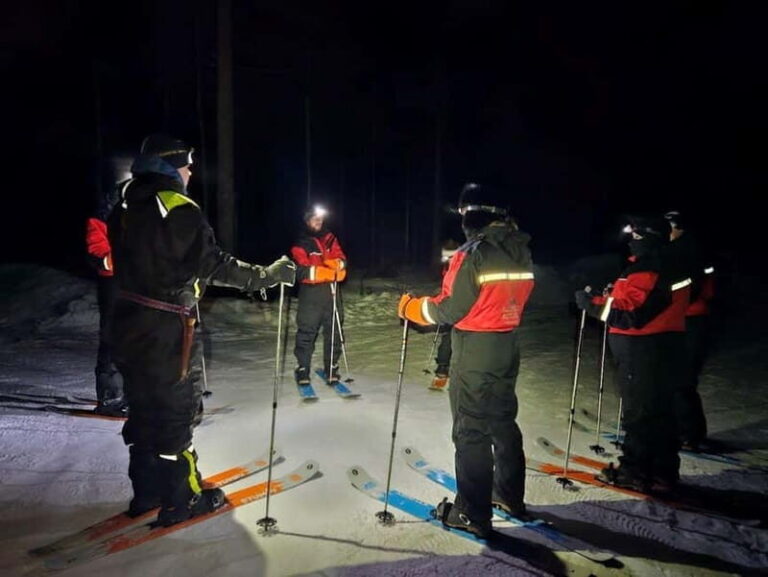
Family travel transforms your children into confident problem-solvers who adapt quickly to unexpected situations. They’ll develop empathy by exploring different cultures, master communication skills through real-world interactions, and learn financial literacy by helping plan vacation budgets. Your kids gain resilience handling travel hiccups, build spatial awareness reading maps, and strengthen emotional regulation managing new environments. Plus, they’ll discover time management, cultural awareness, and planning abilities that serve them throughout life—skills that extend far beyond any single destination.
- Creative Problem-Solving and Cognitive Flexibility
- Empathy and Social Intelligence
- Resilience and Adaptability Under Pressure
- Cultural Literacy and Global Awareness
- Effective Communication Skills
- Self-Confidence and Independence
- Planning and Time Management
- Financial Literacy and Budgeting Basics
- Navigation and Spatial Awareness
- Emotional Regulation and Stress Management
- The Sum Up
Creative Problem-Solving and Cognitive Flexibility
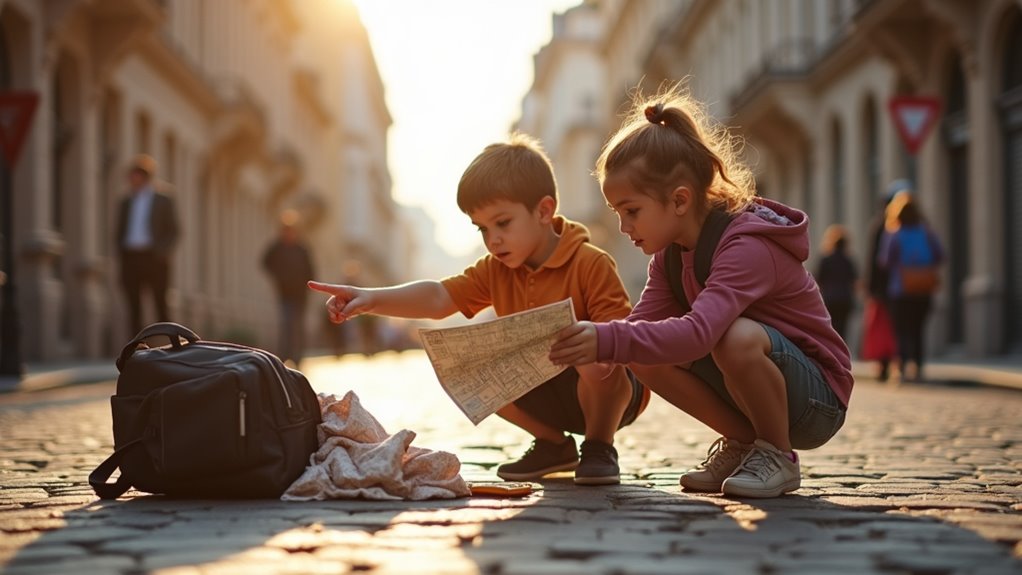
When your family steps off that plane into an unfamiliar city, your child’s brain immediately kicks into high gear. They’re suddenly deciphering foreign subway maps, adapting to different meal times, and figuring out new social customs. This constant mental shifting strengthens their cognitive flexibility in ways classroom learning simply can’t match.
Every travel hiccup becomes a low-stakes problem-solving opportunity. When flights get delayed or luggage goes missing, your kids learn to generate multiple solutions instead of panicking. They’ll repurpose items creatively, work within budget constraints, and think resourcefully under pressure.
The rich sensory experiences—new languages, unfamiliar sounds, different architectures—enhance their brain plasticity. They’re building neural pathways that make future learning easier while developing the mental agility to tackle complex challenges throughout life. Travel naturally stimulates curiosity and encourages children to ask questions that extend far beyond what they would typically encounter in traditional classroom settings.
Empathy and Social Intelligence
Those mental muscles your child flexes while exploring new places don’t just make them better problem-solvers—they’re also building something even more profound: a deeper understanding of people who are different from them.
When your family navigates bustling markets or orders food in broken phrases, your child’s learning to read facial expressions and body language with remarkable precision. They’re discovering that a smile transcends language barriers and kindness looks the same everywhere.
Research shows kids who travel frequently develop markedly higher empathy scores and social competence. They’re naturally practicing conversation skills, learning cultural norms, and witnessing different living conditions firsthand. Travel experiences foster cooperation and problem-solving abilities that extend far beyond the trip itself.
These experiences don’t just teach tolerance—they’re creating genuinely inclusive individuals who see diversity as enriching rather than threatening. That’s emotional intelligence money can’t buy.
Resilience and Adaptability Under Pressure
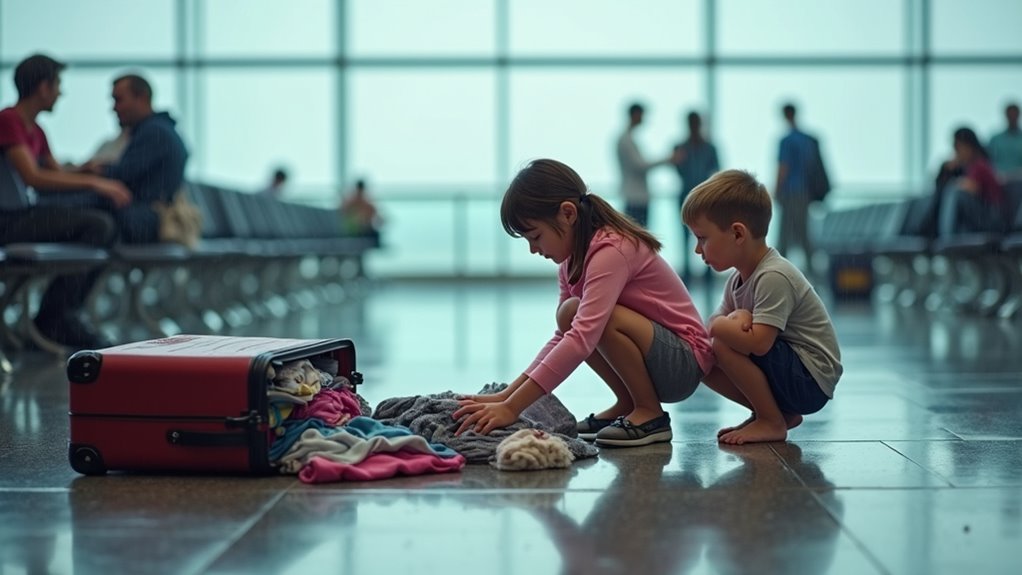
While building empathy is transformative, travel’s greatest gift to your child might be something even more practical: unshakeable resilience when life doesn’t go as planned.
When your family faces lost luggage or gets hopelessly lost, you’re watching your children develop problem-solving skills under pressure. They observe how you stay calm during setbacks and find creative solutions to unexpected challenges.
These travel mishaps aren’t just inconveniences—they’re masterclasses in adaptability. Your kids learn that ordering the wrong food or missing a tour isn’t catastrophic; it’s manageable. This experience helps foster the mindset of “we can do hard things,” which strengthens their belief in their own capabilities.
Each novel situation, from unfamiliar beaches to crowded airports, builds their tolerance for change and uncertainty. This resilience training pays dividends throughout life, correlating with higher educational achievement and stronger emotional regulation skills.
Cultural Literacy and Global Awareness
How does a seven-year-old’s perspective shift when they discover that not everyone speaks English, or that dinner happens at 10 PM in some countries? These eye-opening moments transform your child into a culturally literate global citizen.
When your family travels, you’re offering your child something textbooks can’t provide – immersive cultural experiences that spark lasting curiosity.
Teachers notice remarkable changes: 76% observe increased cultural awareness in students after travel.
Your child won’t just learn about different customs; they’ll navigate foreign currencies, taste unfamiliar foods, and interact with locals speaking different languages.
These experiences enhance cognitive development while building empathy. Travel creates the “distant condition” that psychology research shows increases creativity and problem-solving abilities in children.
The impact extends far beyond vacation. Adults who traveled as children report 86% greater intellectual curiosity and stronger connections to cultural heritage.
You’re not just creating memories – you’re cultivating tomorrow’s global leaders.
Effective Communication Skills
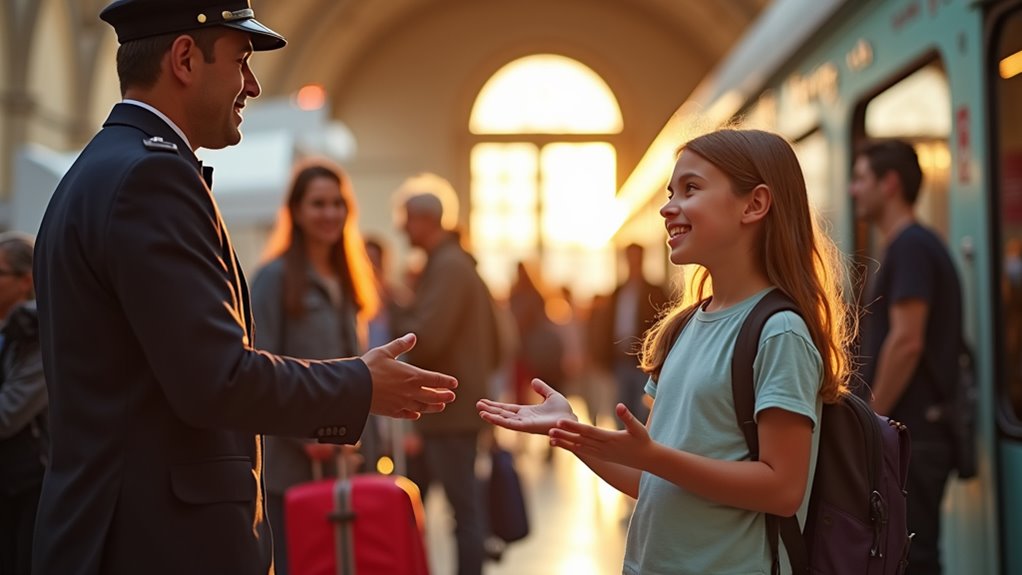
When your eight-year-old confidently approaches a hotel concierge to ask about pool hours, you’re witnessing communication skills in action that no classroom can replicate. Travel forces children to express their needs clearly—whether they’re hungry, tired, or confused—building vocabulary and precise language use.
Your kids constantly practice asking questions, seeking help, and clarifying information with unfamiliar adults. They learn to read body language, adapt their speech for different listeners, and negotiate plans with siblings in cramped hotel rooms. These real-world interactions develop empathy as children recognize that different people hold different viewpoints.
Travel’s reduced routine pressures create space for deeper family conversations during shared meals and daily check-ins, strengthening communication habits that last long after you’ve returned home. The tighter quarters during family travel naturally increase opportunities for children to practice sharing and cooperation with their siblings.
Self-Confidence and Independence
As your child successfully navigates their first subway system or confidently orders ice cream in broken Spanish, you’re watching self-assurance bloom in real time. Family travel creates natural opportunities for your kids to tackle age-appropriate challenges that build genuine confidence.
When your children help plan trips and make daily decisions about routes or activities, they’re developing real-world problem-solving skills. Each successful navigation of an airport or interaction with unfamiliar people strengthens their belief in their own capabilities.
The “manageable discomforts” of travel—crowds, delays, different foods—gradually build emotional resilience. Your kids learn they can handle uncertainty and change, reducing anxiety about future challenges.
These positive travel experiences become emotional anchors, boosting their willingness to embrace independence in all areas of life. Research shows that involving children in travel planning makes them more adaptable to new experiences and situations throughout their lives.
Planning and Time Management
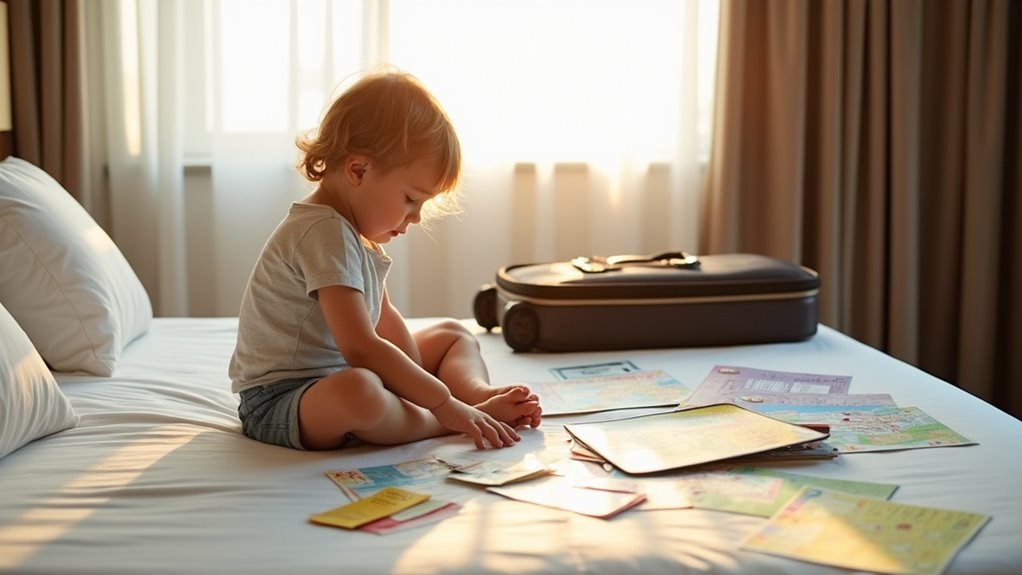
That newfound confidence your child gains from travel extends beautifully into another essential life skill: planning and time management. When you involve your kids in trip planning, they’re naturally learning project management—breaking down research, booking, and packing into manageable tasks.
They’ll start understanding how activities depend on each other and why timing matters. Watch as they navigate flight schedules and hotel check-ins, developing real awareness of punctuality. They’ll learn to prioritize must-see attractions when time’s limited, making tough choices about how to spend precious vacation hours.
When delays happen or plans change, they’re building flexibility and problem-solving skills. You’re fundamentally giving them a masterclass in organization, from packing efficiently to managing personal belongings across multiple locations. These organizational abilities developed through travel create a foundation for academic achievement that extends far beyond the vacation itself.
Financial Literacy and Budgeting Basics
While your kids are mastering the art of planning itineraries, they’re also getting front-row seats to one of life’s most essential skills: managing money. When you involve them in setting your vacation budget, they’ll learn that even fun expenses must fit within household limits.
With average family travel spending hitting $8,000 annually, these aren’t small numbers.
Let your children help compare flight prices and hotel rates across different websites. They’ll discover how research saves money and that cheaper isn’t always better.
When you choose lodging with a kitchen to cut restaurant costs, you’re teaching them strategic spending. Many families prioritize travel over expenses like private schooling, demonstrating how to make conscious financial choices about what matters most.
Ask them to prioritize must-have versus nice-to-have activities—suddenly they’re practicing real-world budget allocation with consequences they actually care about.
Navigation and Spatial Awareness
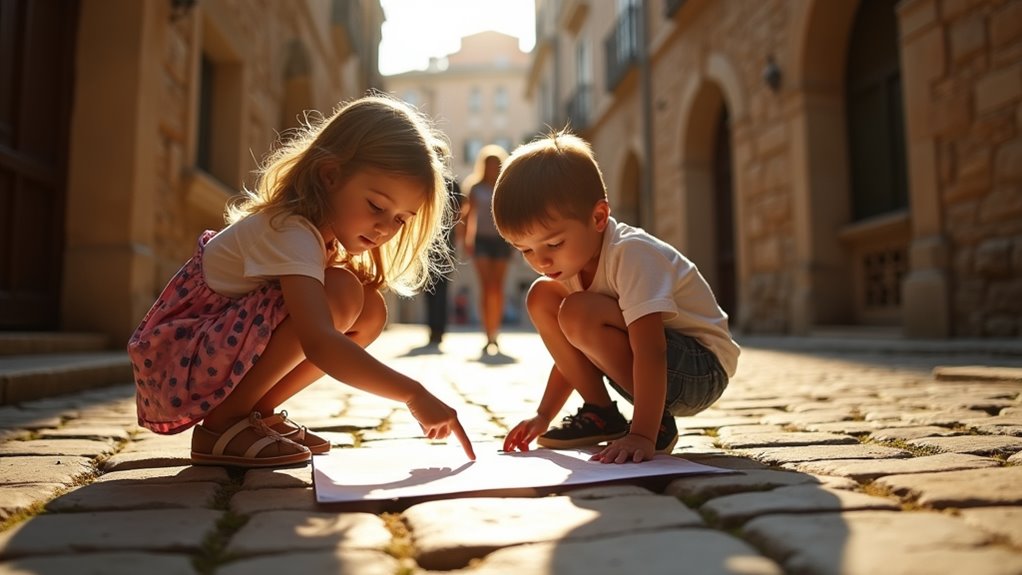
Have you ever watched your child confidently navigate a complex subway system or successfully guide your family back to the hotel using nothing but street signs and landmarks? These moments showcase the powerful spatial skills that travel naturally develops in children.
When your family explores new destinations, you’re strengthening your child’s map-reading abilities through real-world practice with transit maps, city guides, and digital navigation tools. Each navigation challenge—from finding the correct train platform to locating museum exhibits—builds their directional vocabulary and wayfinding confidence.
Travel’s constant spatial problem-solving enhances cognitive flexibility as children decode foreign signage, interpret diagrams, and adapt to unexpected detours. Walking through crowded terminals and narrow streets improves their body-in-space awareness, creating well-rounded navigation skills they’ll use throughout life. Back at home, you can reinforce these skills by creating treasure maps with symbols and clues that guide children through familiar spaces using directional commands.
Emotional Regulation and Stress Management
When your toddler melts down in a bustling airport terminal, then recovers with your gentle guidance and successfully boards the plane, they’re developing one of travel’s most valuable gifts: emotional regulation skills.
Travel naturally disrupts routines and introduces overwhelming sensory experiences—crowds, noise, unfamiliar spaces—that trigger stress responses. But here’s what’s brilliant: your constant presence provides the co-regulation they need to navigate these challenges.
Each trip becomes emotion-regulation boot camp. You’re teaching concrete coping strategies through visual schedules, comfort objects, and breathing techniques.
When children repeatedly experience “stress + support = manageable,” they internalize this pattern. Research shows traveling kids demonstrate lower stress-related issues and improved well-being.
They’re building stress inoculation—learning their nervous systems can handle disruption and recover stronger. This regulation foundation supports their resilience and adaptability, helping them cope with future challenges and explore new environments with greater confidence.
The Sum Up
You’ve seen how family travel transforms your kids into confident, capable global citizens. Every delayed flight, language barrier, and navigation challenge becomes a classroom where they’re building skills that’ll serve them for life. You’re not just creating vacation memories—you’re investing in their future. So don’t worry about the occasional meltdown or missed connection. Pack those bags and trust the journey. Your children’s growth is worth every adventure.