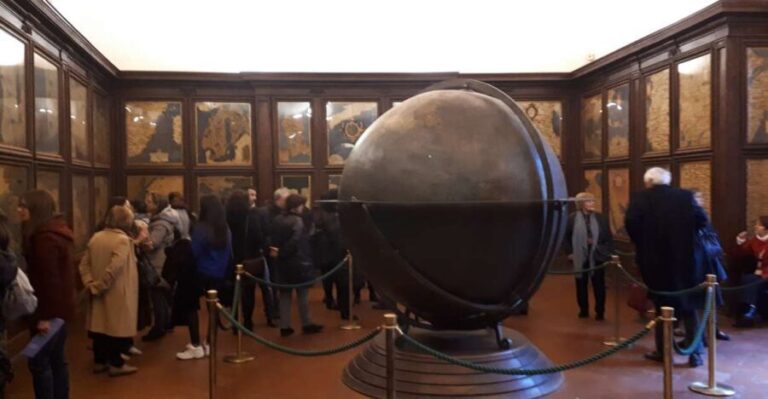
Exploring the Cité internationale de la langue française entrance ticket: A detailed look
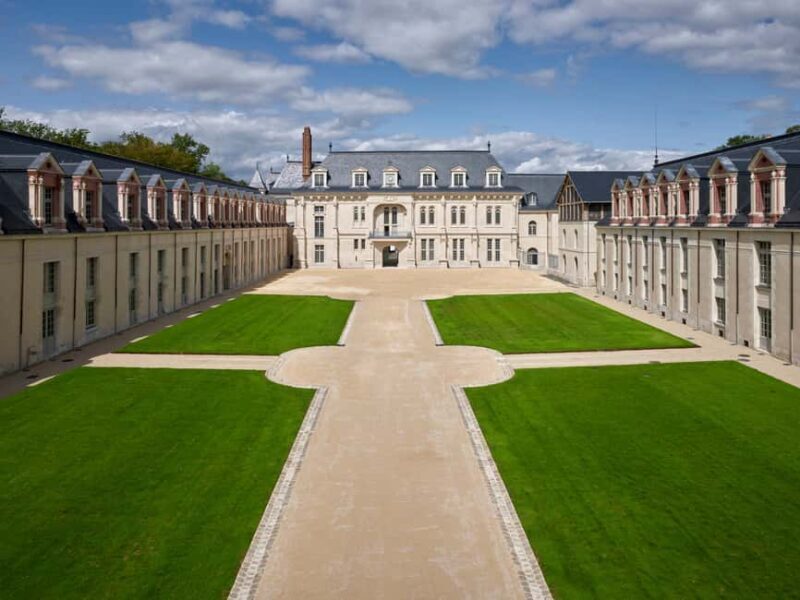
If you’re considering a visit to the Hauts-de-France region to explore the Villers-Cotterêts castle and its fascinating connection to French history and language, this tour might catch your eye. We’ve gathered insights from travelers who’ve experienced it firsthand, and while it’s not perfect, it offers some genuine highlights for history lovers and architecture enthusiasts alike.
What we like about this experience is its affordability—at just $11 per person—and the chance to see a castle that’s been carefully preserved through turbulent times. Also, the self-guided tour format means you can explore at your own pace, which is always a plus. On the flip side, some visitors have found the museum aspect a bit cold or uninspiring, especially if they’re expecting a more lively or interactive display.
This tour is best suited for those who enjoy history, architecture, and a quiet, reflective visit. If you’re after an engaging, guided experience, it might not be the right fit; but if you’re interested in seeing a historically significant site and learning about France’s royal past at your own pace, this could work well.
You can check availability for your dates here:Key Points
- Affordable entry fee makes it accessible for most travelers.
- Self-guided format allows flexibility but lacks live commentary.
- Historical significance of the castle and its architecture is impressive.
- Mixed reviews on the museum display—some love the exhibition, others find it cold.
- Accessible for wheelchair users, broadening its appeal.
- Best for history buffs and architecture admirers rather than interactive museum-goers.
What to expect from your visit
The Villers-Cotterêts castle is a major draw, not just for its architecture but because of its role in French history, especially under François I, who turned it into a symbol of royal power. When you arrive, the first thing you’ll notice is the castle’s Renaissance style—an impressive sight that hints at its former grandeur.
As you walk through the site, you’ll learn about its history: from its origins in the 7th century, its use as a hunting lodge, and its significance for François I, who received it at just three years old. Post-1528, the king transformed it into a grand royal residence, building a castle that rivaled other major Renaissance structures of the time. If you’re into architecture, you’ll appreciate the castle’s decoration and the fact that the chapel here was the first in France to break with Gothic tradition.
Your entry ticket covers a self-guided tour, meaning you can explore the interior and grounds at your own pace without a guide’s commentary. You’ll see the royal emblems—like salamanders, fleurs-de-lis, and crowned initials—replacing Christian symbols during the period, which speaks to the palace’s symbolism of royal authority.
The castle is quite well preserved, especially considering it survived the upheavals of the past, including the destruction of the Great War. Some visitors commented on how remarkably it was saved, making it a rare example of France’s architectural resilience.
The architecture and history behind the castle
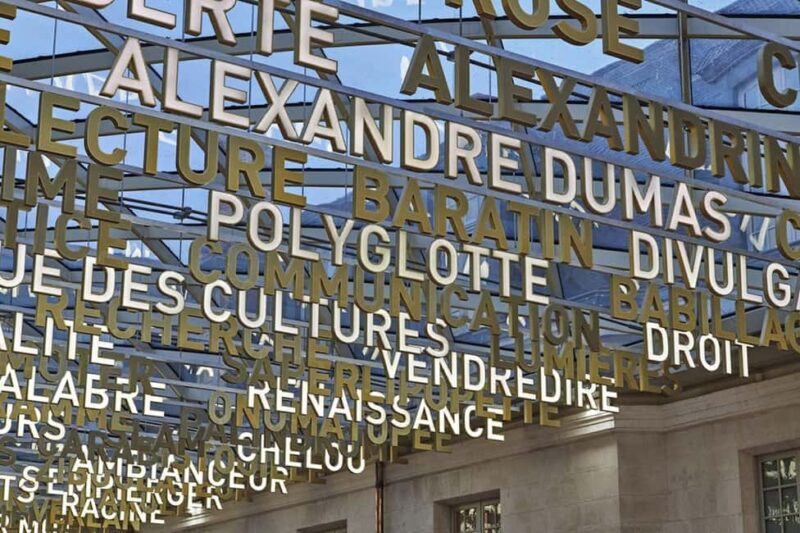
The castle’s design is a true masterpiece of Renaissance architecture. It’s easy to imagine royalty strolling through its halls or hunting in the nearby forests. Over the years, notable architects like Philibert Delorme contributed to its construction, and later, André Le Nôtre landscaped the surrounding park, adding to its grandeur.
This is a site that embodies royal prestige through its architecture and history. The building’s decorations—like the emblems of kings—are more than mere ornamentation; they are statements of power and lineage. If you’re a fan of architecture, you’ll find it fascinating that this castle was built and modified by some of France’s most influential designers.
The museum and exhibition experience
One of the aspects visitors mention is the museum or exhibition space within the site. The reviews highlight a mixed experience here. Some praise the fun and varied exhibits, describing them as engaging and enjoyable, especially if you like interactive elements.
However, others have felt that the museum is somewhat cold and lacking in emotional appeal, feeling more like a static display than a lively presentation of history. One review expressed regret about the transformation of the castle into what they called a “cold, ugly museum,” lamenting the loss of grandeur and imagination that once may have been part of the experience.
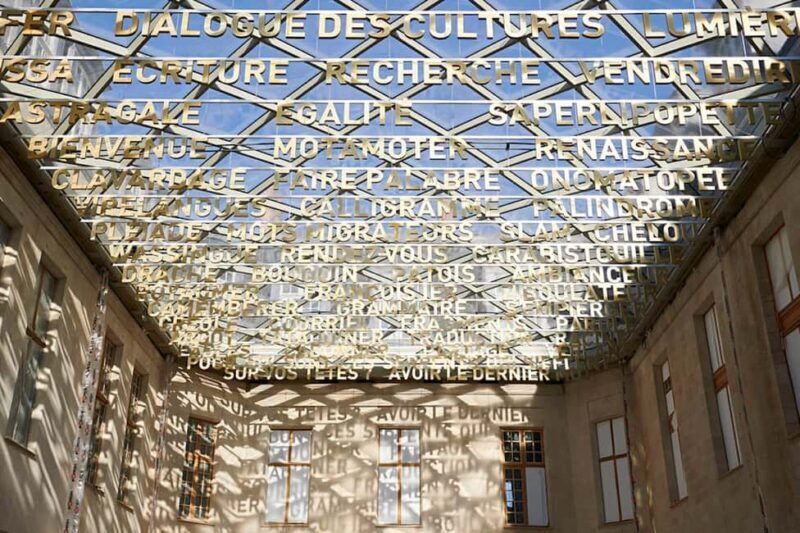
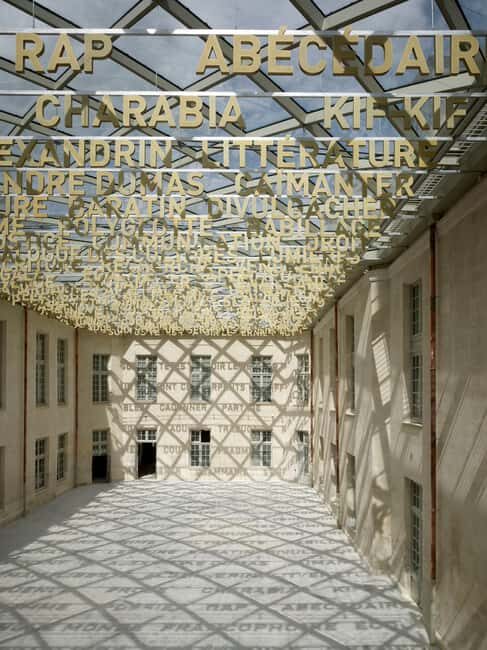
If you’re interested in French language history, you should note that the site is dedicated to the language’s history, which might mean some parts feel more educational and less immersive than you’d hope for a castle visit.
More Great Tours NearbyPractical details and tips
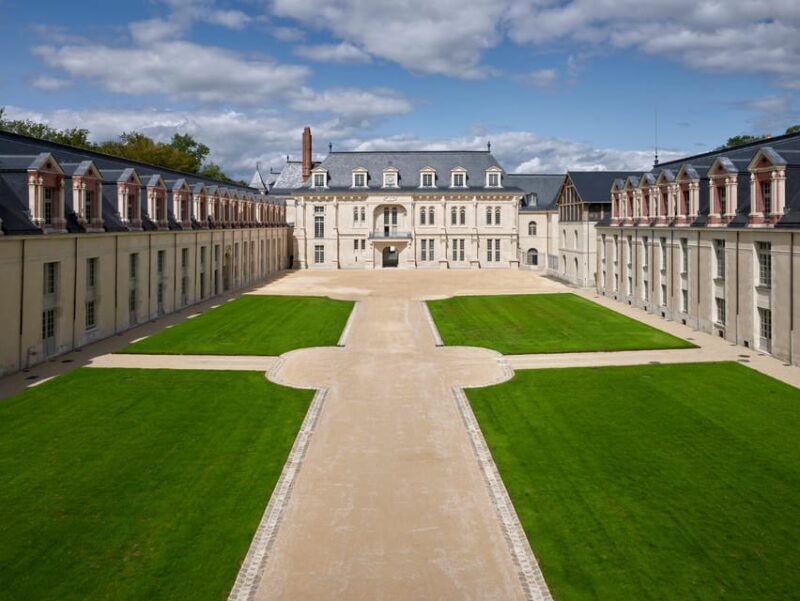
The ticket costs about $11 per person, which is quite reasonable for a historical site of this calibre. The ticket gives access to the permanent tour—you can explore the castle and grounds at your own speed. If you’re under 18 or an EU citizen under 26, you might get free entry by showing a photo ID, which is great for students or budget travelers.
Openings and closings are standard—closed Mondays (except Easter or Pentecost), and on major holidays like January 1st, May 1st, and December 25th. The last entry is 60 minutes before closing, so plan accordingly.
Despite some criticisms, the accessibility for wheelchair users broadens its appeal. It’s a site that welcomes most visitors, allowing a broad audience to experience its historical ambiance.
Authentic traveler insights
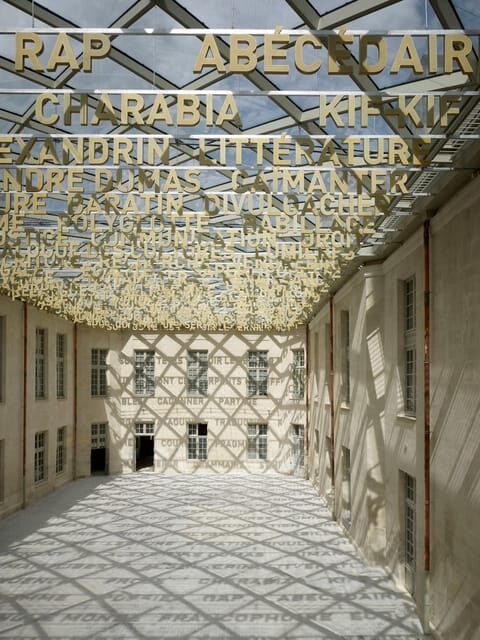
The overall visitor rating is 4.5 out of 5, which indicates that many find it worth visiting. One traveler commented, “Great visit, awesome interactive games,” suggesting that some parts of the exhibition are engaging. On the other hand, a different reviewer found it “a waste,” criticizing the transformation into a “cold” museum and lamenting the loss of the castle’s former splendor.
Another visitor suggested that combining this site with other nearby attractions could be worthwhile, especially if you’re looking for a full day of exploring.
Who should visit?
This tour is best suited for history enthusiasts and architecture fans who want a quiet, reflective experience with some educational content. It’s also good for those interested in the French royal past and Renaissance architecture. If you prefer lively guides or highly interactive museums, you might be a bit disappointed.
Travelers looking for a budget-friendly activity that offers a glimpse into France’s royal history will appreciate the value here. It’s a calm, contemplative spot—perfect for a leisurely afternoon—especially if you enjoy self-guided explorations.
Final thoughts
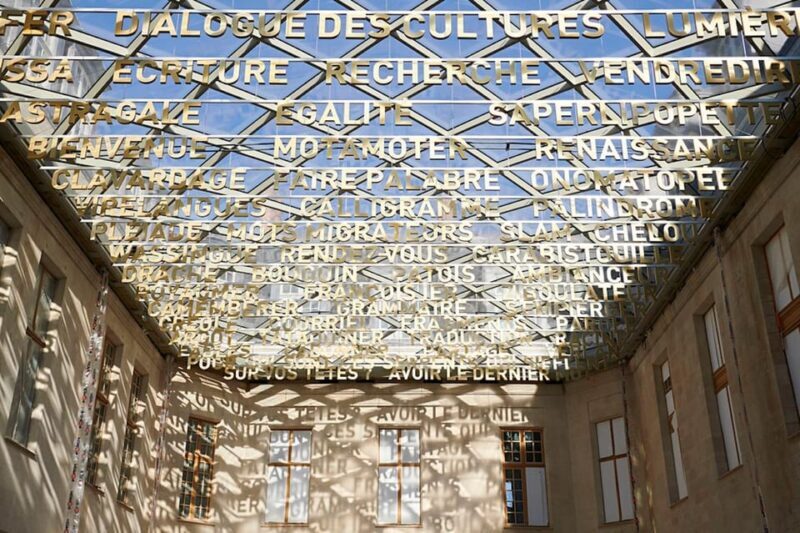
Visiting the Villers-Cotterêts castle and the Cité internationale de la langue française offers a window into France’s past, especially its royal and linguistic heritage. While the museum display can vary in appeal, the architecture and historical significance make this a worthwhile stop, particularly if you love architecture or want a peaceful, educational experience.
The ticket price is reasonable, and the site’s accessibility makes it a good option for a broad range of visitors. If you’re after a lively guided tour, or a highly interactive museum experience, you might find this somewhat lacking. But for those interested in exploring a symbol of French history at their own pace, this site delivers a lot of quiet charm.
In the end, whether it’s a quick cultural detour or a dedicated historical visit, you’ll come away with a deeper appreciation for France’s royal architecture and the influence of language that this site celebrates.
Cité internationale de la langue française entrance ticket
FAQ
Is the ticket for this tour self-guided?
Yes, the tour is self-guided, so you can explore the castle and grounds at your own pace without a guide.
How much does admission cost?
The ticket is about $11 per person, making it a very affordable way to see a historic castle.
Are there any free days?
Yes, free entry is available on the first Sunday of January, February, March, November, and December, and during European Heritage Days (the third weekend of September).
Is the site accessible for wheelchair users?
Yes, the site is wheelchair accessible, which helps make the experience inclusive.
What is included in the ticket?
The ticket grants access to the permanent tour of the castle and its grounds. Other areas of the site are freely accessible, but additional exhibitions or temporary displays may not be included.
What are the opening hours?
The site is open most days, but closed on Mondays (except Easter and Pentecost Mondays), January 1st, May 1st, and December 25th. The last entry is 60 minutes before closing.
Can I visit the museum with this ticket?
Yes, the ticket includes access to the museum and exhibition spaces, but reviews indicate that experiences can vary from engaging to cold.
Is this suitable for children?
While not specifically marketed as a family attraction, children interested in history and architecture will find it educational. Be mindful of the quiet, reflective atmosphere if visiting with young ones.
If you’re in the Hauts-de-France area and have a curiosity about France’s royal and linguistic history, this visit can be a quietly enriching experience. Just keep expectations realistic—it’s more about contemplative exploration than lively storytelling.
You can check availability for your dates here: