If you’re a history buff or just someone curious about the lesser-known stories that shaped Rome during the 20th century, this Walking Tour of WWII in Rome might be worth considering. It offers a different lens on the Eternal City—one that you won’t get from typical sightseeing routes. Instead of focusing solely on ancient ruins or Vatican treasures, this tour sheds light on the city’s complex role during Fascism, Nazi occupation, and eventual liberation.
What we love about this experience is its ability to connect major landmarks with the recent, often overlooked history behind them. The guides are praised for their deep knowledge, making each stop more meaningful. Plus, the tour’s intimate size—limited to just 10 participants—means you’ll get plenty of opportunity for questions and personalized insights. On the flip side, since the tour covers significant historical material in a short time, it can feel a bit packed, especially if you’re a slow walker or want to linger longer at sites.
This tour is ideal for those who want a more meaningful exploration of Rome’s WWII era—perfect for history enthusiasts, students, or travelers who like their sightseeing with a side of storytelling. If you’re interested in understanding how politics, war, and society intertwined in Rome, this walk will add a new layer to your trip.
Key Points
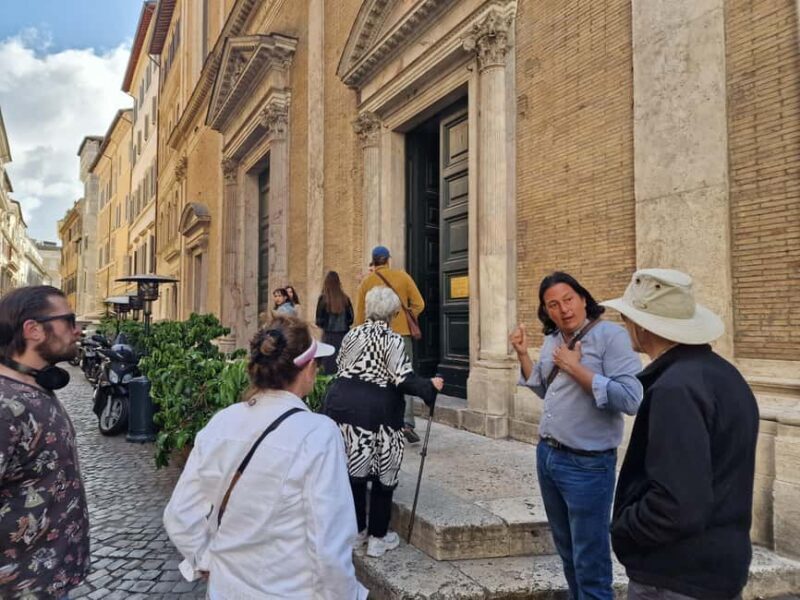
- In-depth historical insights from knowledgeable guides who are passionate about WWII and Roman history
- Visiting iconic sites like Piazza Venezia, Trajan’s Column, and the Jewish Ghetto from a war-era perspective
- Hidden memorials and markers often unnoticed by casual visitors, revealing the city’s recent tumultuous past
- Learn about Rome’s Fascist period, Nazi occupation, and the city’s liberation with context and storytelling
- Small group experience ensures better interaction and personalized attention
- Accessible and weather-proof, suitable for most travelers who are comfortable walking for 2.5 hours
An Engaging Journey Through Rome’s WWII Past
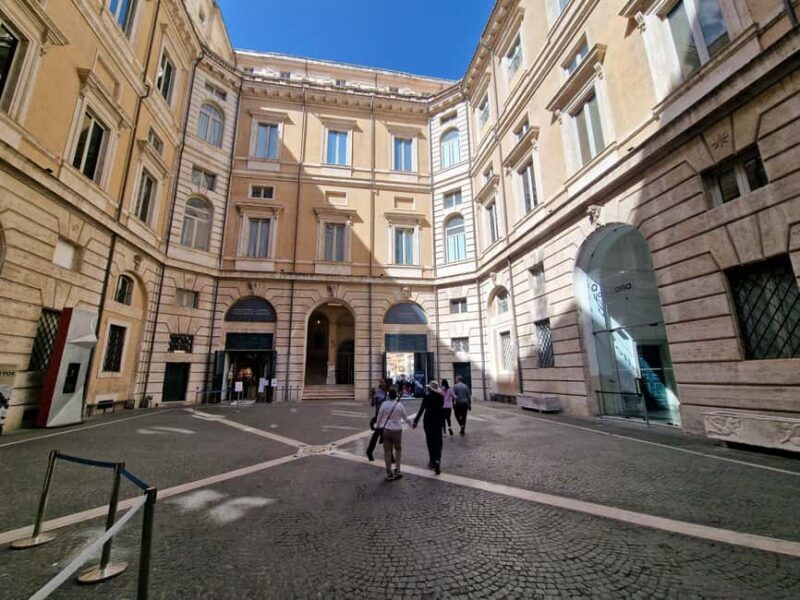
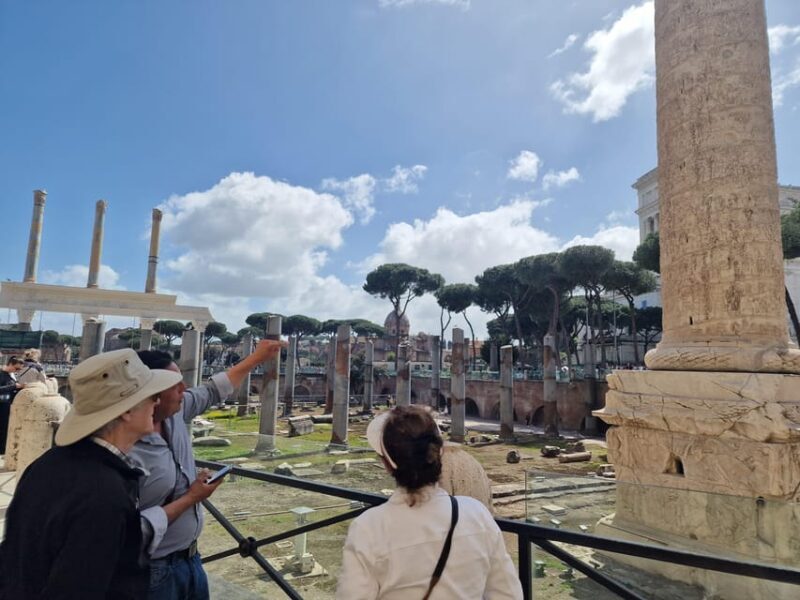
We loved the way this tour balances familiar landmarks with revealing stories that many travelers miss. Starting at Trajan’s Column, your guide will point out signs of the WWII era that are right in front of you but easily overlooked. Then, moving to Piazza Venezia, you’ll stand where Mussolini once addressed thousands from his balcony—an iconic scene that suddenly feels more layered with history.
The tour continues into the Ancient Roman Forum, where the influence of Mussolini’s obsession with Italy’s imperial past is visible. It’s a fascinating juxtaposition—ancient ruins insulated with echoes of fascist grandiosity. The guides do a good job connecting these dots, explaining how Fascist ideology intertwined with Rome’s ancient symbols, which adds a deeper understanding of the city’s layered identity.
Next, the walk takes you through the Jewish Ghetto, where you’ll hear about the Jewish community’s history and its suffering during the war. This part of the tour feels especially poignant, as it links the broader WWII narrative to the lived experiences of Rome’s residents. Visitors who’ve read up on WWII might appreciate the nuanced details and specific memorials that tell stories of resilience and tragedy.
From there, the group strolls through Piazza Navona, around the Tiber River, and finally back to the scene of the Nazi retreat in June 1944. Our guide narrated this moment with enthusiasm, capturing the joy and relief that flooded the city as Allied forces liberated Rome. Several reviews mention how knowledgeable guides elevated the experience, with one reviewer stating, “James was great! I would recommend this to anyone,” and others praising the guide’s ability to answer questions and spot subtle memorials.
If you're drawn to exploring Rome on foot, we've looked into these other walking experiences
The Itinerary: What You’ll See and Learn
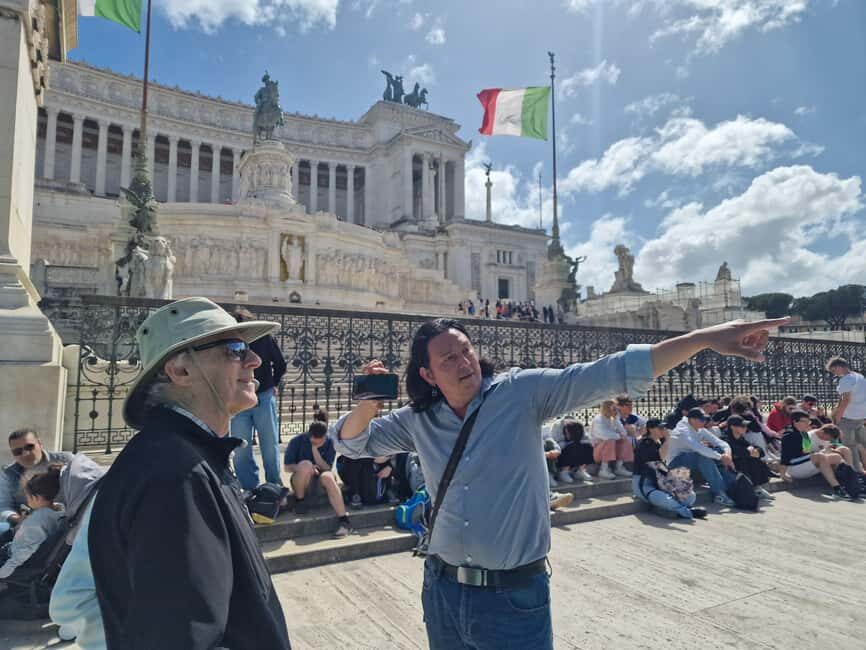
Starting near Piazza Venezia, the tour’s first stop is Trajan’s Column, a Roman monument that stands as a testament to Roman history but also serves as a vantage point for understanding how Fascists later co-opted symbols of imperial power. Your guide will point out how Mussolini’s regime sought to evoke the glory of ancient Rome, often using the city’s ruins to bolster fascist propaganda.
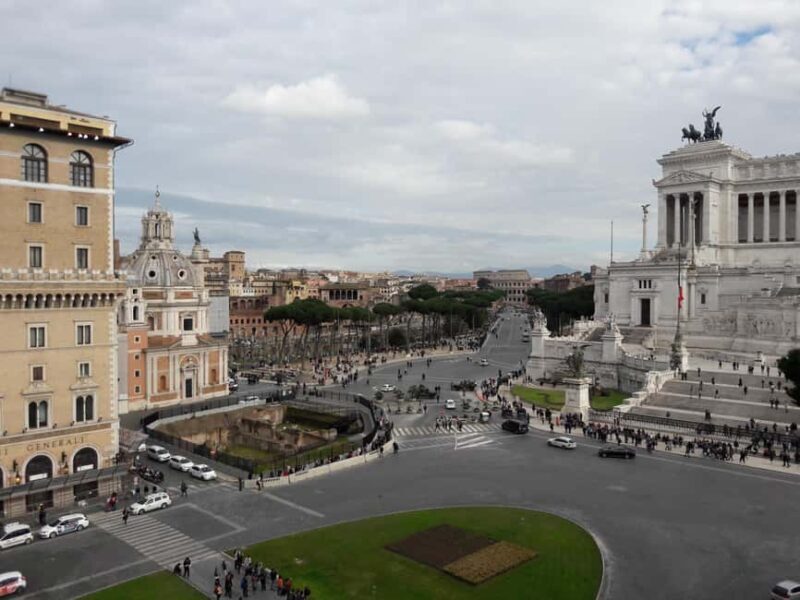
From there, the walk moves to Piazza Venezia, the heart of Fascist Italy. This square was the stage for Mussolini’s most famous speeches, and standing there, you can imagine the crowds gathered below from the balconies above. The guide will highlight how this location became a symbol of authoritarian power and how memorials from this era are subtly embedded into the cityscape.
Next, the journey takes you into the Roman Forum, where Mussolini’s fascination with the empire’s grandeur is visible through some of the architecture and monuments he commissioned or altered. The guide explains how these fascist modifications were part of Italy’s attempt to rewrite its history and legitimize its actions during WWII.
Moving towards the Jewish Ghetto, the tour delves into the history of Rome’s Jewish community, their struggles during the Holocaust, and the ways they fought back. The ghetto’s narrow streets and memorials tell stories of resilience, and your guide will point out specific sites, like the great synagogues and memorial markers, highlighting their significance.
The walk then continues through Piazza Navona, with its beautiful fountains and street artists, making a thematic transition from wartime to everyday life. Along the Tiber River, your guide discusses the Church’s complex role during the fascist era and the war, tying in how religion and politics intersected during this turbulent period.
Finally, the tour reaches the site where Nazi forces fled Rome in June 1944, and Allied soldiers entered amid scenes of jubilation. This climax leaves travelers with a vivid image of liberation, a moment of relief and victory that still echoes in the city today.
Practical Details and Value
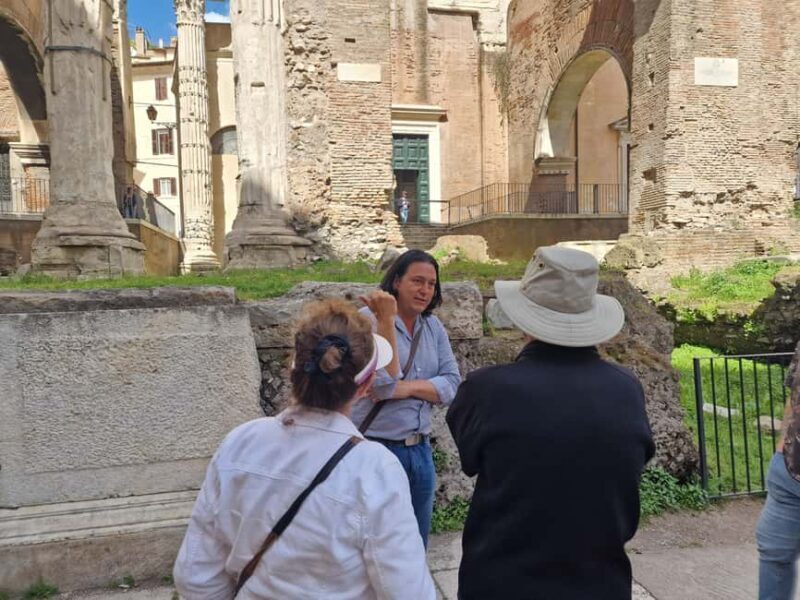
The tour lasts about 2.5 hours, a manageable length that allows you to absorb a lot without feeling rushed. The smaller group size—capped at 10—means you can ask questions freely, and your guide can tailor the experience to your interests. The meeting point is conveniently located near Trajan’s Column, with clear instructions and a visible orange lion-headed sign, making it easy to find.
Cost-wise, this experience delivers a lot of value if you’re into history. The guided commentary, combined with exclusive insights into memorials and landmarks, enriches your understanding far beyond what you’d get wandering solo. Plus, the ability to cancel up to 24 hours in advance makes it flexible for spontaneous plans or unexpected weather.
You should consider bringing essentials like water, sunscreen, a hat, and an umbrella, especially since the tour proceeds in any weather. Comfortable shoes are a must—there’s quite a bit of walking over uneven surfaces and cobblestones.
Who Will Love This Tour?
This experience is particularly suited for travelers who have a keen interest in modern history, especially WWII, Fascism, and Rome’s role during this era. It’s ideal for those who prefer guided interpretations rather than just self-led wandering, as the guides are praised for their deep knowledge and engaging storytelling.
While not explicitly designed as a family tour, history buffs of all ages will find it rewarding. The tour’s focus on understanding Rome’s recent past makes it more suitable for older children or teenagers with an interest in history. It’s not a casual sightseeing walk, but a thoughtful, educational journey—perfect for travelers who want to add meaningful context to their Roman holiday.
More Great Tours NearbyFinal Thoughts: Is This Tour for You?
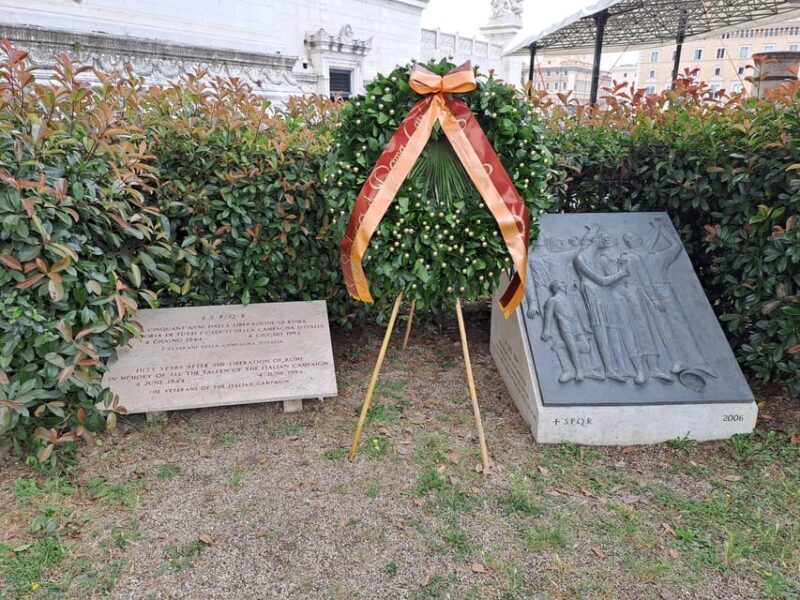
If you’re interested in hidden memorials, political history, and the stories that shaped modern Rome, this walk offers a compelling behind-the-scenes look at the city’s WWII era. The expert guides make complex topics accessible and engaging, bringing the past to life in a very approachable way.
The experience’s strength lies in the personalized attention, the focus on lesser-known stories, and the opportunity to see familiar sites through a different lens. It’s an excellent choice for history lovers or those wanting to deepen their understanding of Rome beyond the usual tourist spots. The small group size guarantees a more intimate experience, making it ideal for curious travelers who appreciate meaningful conversations.
On the other hand, if you’re after a quick, superficial sightseeing tour, this might feel a bit detailed or slow for your tastes. It’s designed for those who enjoy learning and reflection, so come prepared to engage and absorb.
This tour offers a thoughtful exploration of an often overlooked chapter of Rome’s history. It’s well worth considering if you want to see the Eternal City through a more nuanced, historically rich lens.
- Skip the Line Vatican, Sistine Chapel and Basilica Guided Tour
- Rome: Colosseum Guided Tour with Roman Forum and Palatine hill
- Rome Highlights by Golf Cart: Private Tour
- Rome in a Day Group Tour with Entry to Vatican and Colosseum
- Skip the Line: Vatican Museum, Sistine Chapel + Optional Basilica
- 3 in 1 Cooking Class near Navona: Fettuccine, Ravioli & Tiramisu
Rome: Walking Tour of World War 2 in Rome
FAQs
Is this tour suitable for people with mobility issues?
While the tour is wheelchair accessible, it involves walking over uneven surfaces and cobblestones. It’s best suited to those who can manage a moderate amount of walking comfortably.
What should I bring with me?
Bring bottled water, sunscreen, a hat, an umbrella, and comfortable shoes. If you plan to visit churches along the route, a shoulder cover might be needed.
What happens in bad weather?
The tour runs in all weather conditions unless sites are closed for safety reasons. It’s wise to dress accordingly and be prepared for rain or shine.
Can I cancel if my plans change?
Yes, you can cancel up to 24 hours before the tour for a full refund. This flexibility is helpful if your plans are uncertain.
How many people usually participate?
The group is limited to 10 participants, ensuring a more personalized and engaging experience.
Is this a family-friendly tour?
While not specifically targeted at children, older kids with an interest in history will find it informative. Check with the provider if you’re traveling with younger children.
How long is the tour?
It lasts about 2.5 hours, which is manageable for most travelers and allows enough time to explore and ask questions.
All in all, this WWII walking tour of Rome offers an enriching perspective on the city’s recent past—an experience that adds depth and context to your Roman adventure. It’s perfect for those eager to move beyond the postcard sights and understand the stories that have shaped the city’s modern identity.
You can check availability for your dates here:More Walking Tours in Rome
More Tours in Rome
- Rome Pre-Post Cruise Private Tour with Fco Airport arrival-departure
- Rome: St. Peter’s Basilica Express Guided Tour
- Rome: 3.5-Hour Small Group E-Bike Tour
- Discover Rome Hidden Gems with a Golf Cart Tour
- Rome: Street Photography Tour with a Photojournalist
- Rome: Out Of Crowds Colosseum Gladiator’s Arena Guided Tour
More Tour Reviews in Rome
More Rome experiences we've covered
- Rome Pre-Post Cruise Private Tour with Fco Airport arrival-departure
- Rome: St. Peter’s Basilica Express Guided Tour
- Rome: Nighttime Vespa Rental
- Rome: 3.5-Hour Small Group E-Bike Tour
- Discover Rome Hidden Gems with a Golf Cart Tour
- Sketching in Rome Villa Borghese Private lesson with Guido
- Rome: Urban hike along Rome’s River of Kings The Tiber
- Rome: Street Photography Tour with a Photojournalist
- Rome: Out Of Crowds Colosseum Gladiator’s Arena Guided Tour
- Private Tour – Monti district
- Rome: Fountains and Squares with Tasting, Semi-Private Tour
- Rome Elegance: 3-Hour Private Chauffeur Tour in Style