Tbilisi: Museum of Soviet Occupation Guided Tour — A Deep Look Into Georgia’s Resilient Past
If you’re interested in understanding Georgia beyond its scenic landscapes and vibrant city life, a visit to the Museum of Soviet Occupation offers a poignant glimpse into the country’s recent history. While we haven’t personally taken this tour, reviews and descriptions paint a compelling picture of what you can expect — a powerful, educational experience that sheds light on Georgia’s long fight for identity and independence.
What we really like about this tour is its focus on untold human stories, giving voice to poets, clergy, students, and everyday people who quietly resisted and endured during difficult times. Plus, the guided aspect means you’re not left to navigate the exhibits on your own, making history feel more relatable and impactful. On the flip side, it’s worth mentioning that the tour covers sensitive topics like political repression, which might be intense if you’re not prepared for that level of emotional weight.
This tour suits history buffs, culture enthusiasts, and anyone curious about Georgia’s recent struggles with sovereignty. If you’re looking for a meaningful way to connect with Tbilisi’s past, this is a solid choice—especially if you prefer guided insights over wandering through a museum solo.
Key Points
- Focus on Human Stories: The tour emphasizes personal letters, surveillance files, and photographs of resistance figures.
- Insight into Georgia’s Cultural Survival: Learn how language, faith, and culture persisted underground.
- Historical Context: The guide provides background on Georgia’s pre-Soviet independence and later struggles.
- Cost-Effective: At $52 per person, it offers a focused, one-hour deep dive into a complex history.
- Accessibility: The tour is wheelchair accessible, making it inclusive for many visitors.
- Sensitive Topics Included: Expect discussions of political purges, repression, and resistance—important but potentially emotional.
Exploring the Museum of Soviet Occupation: What You Can Expect
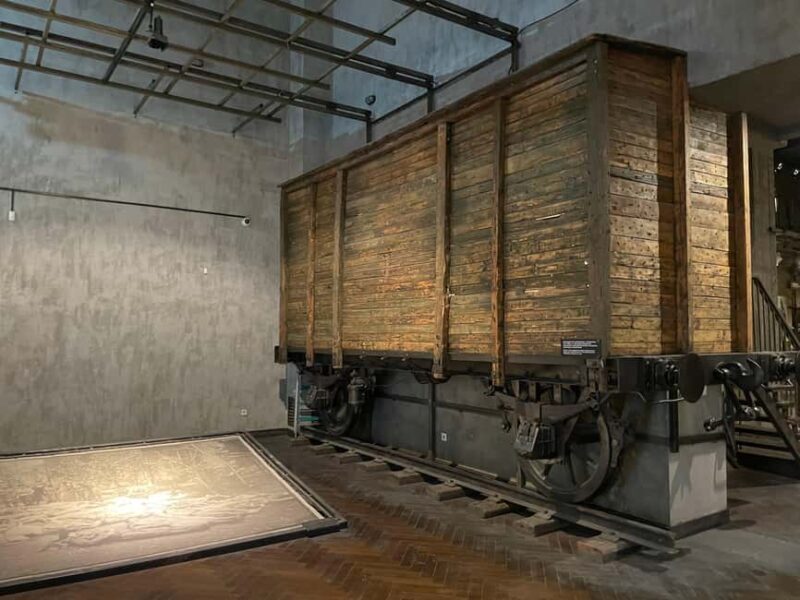
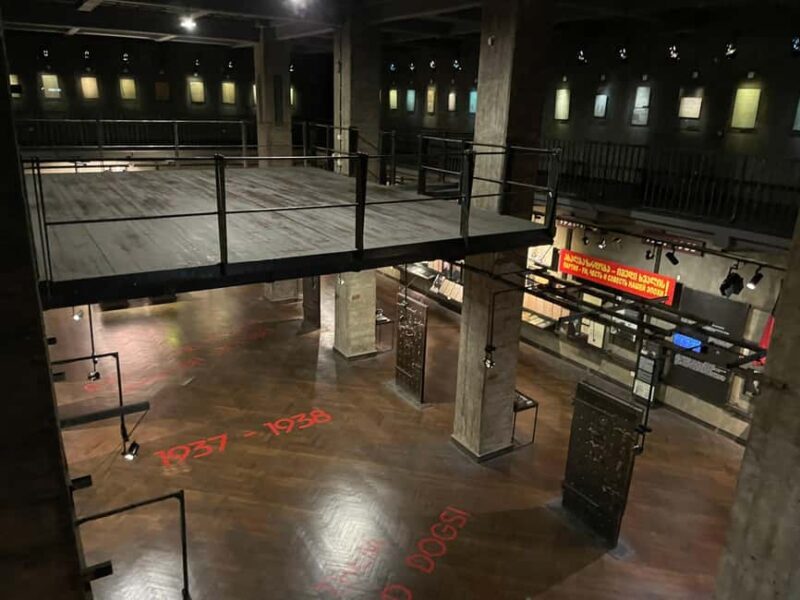
Walking into the Museum of Soviet Occupation in Tbilisi, you immediately sense the gravity of the history it recounts. This isn’t the kind of museum where you’re just passing through exhibits; it’s a place that invites reflection on Georgia’s enduring spirit during nearly seventy years of Soviet rule. The guided tour lasts about an hour, giving enough time to absorb the key stories without feeling rushed.
Appreciate having local insight? Here are other guided experiences in Tbilisi we've examined
The Setting and First Impressions
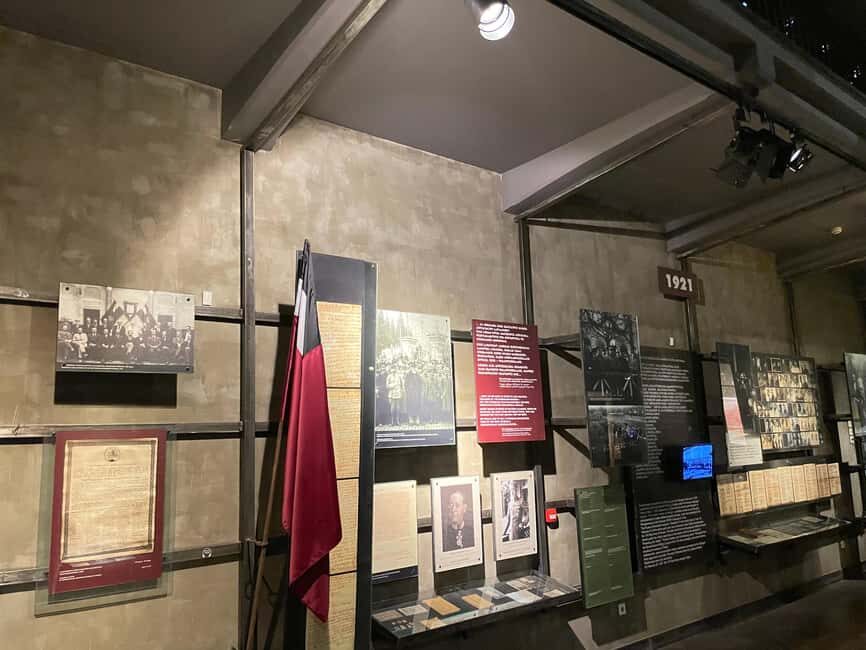
The museum showcases a mix of rare personal artifacts—letters, surveillance records, propaganda posters, and photographs—each telling a story of resistance or repression. As your guide takes you through these displays, you’ll learn about the political purges, arrests, and forced labor camps that marked this turbulent period. The atmosphere is appropriately somber, but it also feels like a tribute to resilience.
According to some reviews, the guide’s storytelling is engaging and nuanced, helping to connect the exhibits to broader themes of national identity. One visitor mentioned, “The stories of courage, sorrow, and strength really hit home. It felt like a personal history lesson rather than just a display of artifacts.”
The Historical Timeline
Your journey begins with a look back at Georgia’s pre-Soviet history, highlighting its brief independence and the shifting empires before the Soviet Union’s rise. This context is vital in understanding the depth of Georgia’s subsequent struggles.
From there, the focus shifts to the Soviet era—how Georgia was integrated into the USSR, and how the Georgian language, culture, and faith were kept alive in secrecy. Expect to see propaganda posters and surveillance files—proof of the extent of control the regime exerted—yet also signs of underground movements that grew stronger over time.
The Human Stories
A significant part of the tour involves stories of courage and resistance. Poets, clergy, students, and ordinary citizens risked everything to preserve their traditions and voice dissent. Some travelers have said, “The guide shared stories of underground movements that grew over decades, which made me feel like I was witnessing a quiet but fierce rebellion.”
You’ll see personal letters and photographs of those who dared to oppose the regime, giving a face to the historical facts. These stories help you appreciate the intricate balance of fear and hope that defined this period for many Georgians.
More Great Tours NearbyRevolution and Independence
The late 1980s and early 1990s marked a turning point. The underground movements coalesced into a national awakening, culminating in the restoration of independence in 1991. The tour captures this pivotal moment, emphasizing how perseverance and secret resistance paved the way for the modern Georgia we see today.
Museum lover? We've covered these other cultural institutions in Tbilisi
- Soviet Story – Private day trip to Chiatura, Stalin’s museum and Katskhi pillar
- Georgian National Museum Entry Ticket
- Mtskheta-Jvari-Gori-Uplistsikhe-Stalins Museum All inclusive tour
- Tbilisi: Walk German Quarter, Visit Art Museum & Taste Wines
- Combined ticket: Digital Exhibition & Museum of Illusions
- Tbilisi: Soviet Secrets on Wheels, Vintage Museum Car Tour
Why the Experience Matters
This isn’t just a visit to a museum; it’s a chance to understand how Georgia’s people endured repression while maintaining their cultural identity. That resilience is palpable throughout the tour, making it a meaningful experience for those interested in both history and human stories.
Is the Tour Worth the Price?
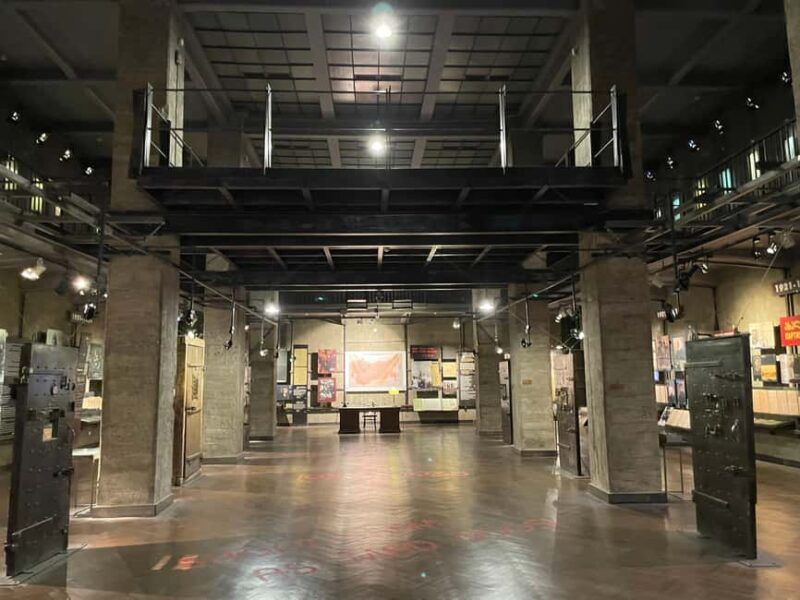
At $52, this one-hour guided tour offers a concentrated dose of history. Considering the depth of stories and the access to rare exhibits, many will find it a good value. The guide’s insights help contextualize the artifacts, which might otherwise feel disconnected or overwhelming if explored alone.
It’s worth noting that the tour is suitable for those interested in history and culture. If you have a particular fascination with political repression, resistance, or Soviet-era history, this will resonate strongly. The accessibility, including wheelchair compatibility, adds to its appeal for a wide range of visitors.
Practical Details and Tips
- Duration: About 1 hour, so it’s a manageable addition to your day.
- Cost: $52 per person—consider whether this aligns with your budget for cultural experiences.
- Language: Guided in English, making it accessible for international travelers.
- Booking: You can reserve now and pay later, which helps if you’re finalizing your plans.
- Cancellation: You can cancel up to 24 hours in advance for a full refund—flexibility that’s handy if your schedule shifts.
- Accessibility: The tour is wheelchair accessible, but check ahead if you have specific mobility needs.
- What to Bring: Wear comfortable shoes, and maybe bring a notebook if you want to jot down thoughts or questions.
Who Will Appreciate This Tour?
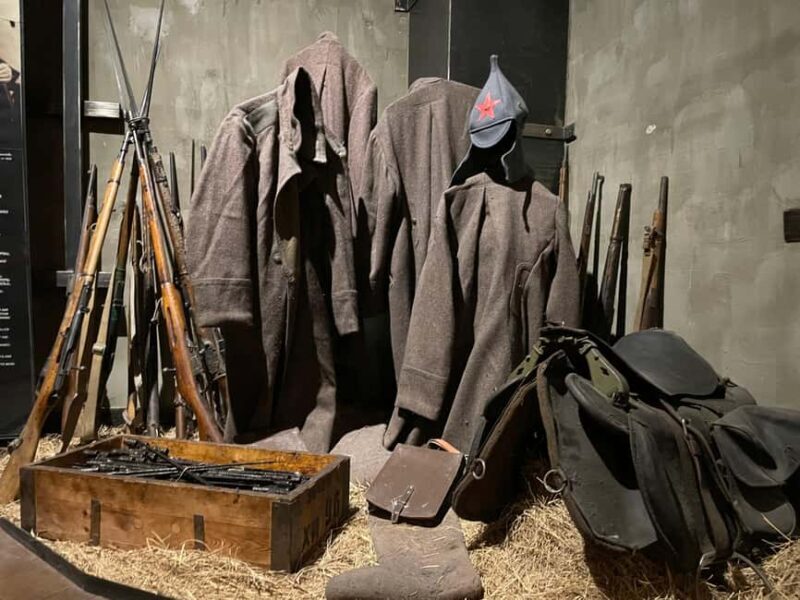
This experience is particularly suited to travelers who enjoy engaging with history beyond the surface. If you’re curious about Georgia’s recent past, especially its fight for independence, this tour will deepen your understanding. It’s especially meaningful for those who want to connect with local stories of resistance and resilience.
However, if you’re seeking a light, casual sightseeing experience or don’t want to confront intense political topics, this might be a bit heavy. Nonetheless, it offers an important perspective that adds depth to any trip to Tbilisi.
Final Thoughts

The Museum of Soviet Occupation guided tour in Tbilisi offers more than just a collection of artifacts—it provides a narrative of endurance and hope. For those interested in understanding Georgia’s ongoing journey to preserve its identity, this tour strikes a good balance between education and emotional impact.
It’s a thoughtful, well-organized experience that respects the gravity of its subject matter while making it accessible and engaging. The stories shared help humanize history, transforming cold exhibits into powerful lessons on resilience. If you’re in Tbilisi and eager to see a different side of the city’s past, this tour is definitely worth considering.
Tbilisi: Museum of Soviet Occupation Guided Tour
FAQ
Is this tour suitable for someone interested in political repression?
Yes, it specifically covers political purges, mass arrests, and repression, providing insight into Georgia’s struggles under Soviet rule.
How long does the tour last?
The tour lasts approximately one hour, making it a concise but meaningful experience.
Is the tour accessible for wheelchair users?
Yes, the tour is wheelchair accessible, though it’s always good to confirm specific needs in advance.
What kind of exhibits are included?
You’ll see rare personal letters, surveillance files, propaganda posters, and photographs—each telling stories of resistance or repression.
Can I cancel my reservation?
Yes, you can cancel up to 24 hours in advance for a full refund.
Is the tour suitable for children?
While not specifically designed for children, older kids interested in history may find it engaging. Sensitive topics are covered, so parental discretion is advised.
Do I need to pay upfront?
You can reserve your spot now and pay later, offering flexibility in planning.
What kinds of stories will I hear?
Stories of courage, sorrow, and strength from poets, clergy, students, and ordinary Georgians who fought to keep their culture alive under Soviet rule.
Exploring Georgia’s past through this guided tour provides a compelling context for understanding its present-day identity. It’s a meaningful experience, well worth considering if you want to see beyond the city’s surface and appreciate the resilience that shaped modern Georgia.
You can check availability for your dates here:More Guided Tours in Tbilisi
More Tours in Tbilisi
- Private Tour To Western Georgia from Tbilisi
- Tbilisi: Silk Road History and Silk Museum Tour
- Tbilisi Private Food and Wine Tour with Lunch and Tastings
- Tbilisi: 2-Day Gudauri Ski Resort Private Tour
- 2 Days Private Organic Wine Tour to Kakheti Region via Rustavi and David Gareja
- Beyond the Old City: Tbilisi’s Hidden Gems Walking Tour
More Tour Reviews in Tbilisi
- Private Tour To Western Georgia from Tbilisi
- Tbilisi: Silk Road History and Silk Museum Tour
- Tbilisi Private Food and Wine Tour with Lunch and Tastings
- Tbilisi: 2-Day Gudauri Ski Resort Private Tour
- 2 Days Private Organic Wine Tour to Kakheti Region via Rustavi and David Gareja
- Beyond the Old City: Tbilisi’s Hidden Gems Walking Tour
More Tbilisi experiences we've covered
- Private Tour To Western Georgia from Tbilisi
- Tbilisi: Silk Road History and Silk Museum Tour
- Tbilisi Private Food and Wine Tour with Lunch and Tastings
- Tbilisi: 2-Day Gudauri Ski Resort Private Tour
- 2 Days Private Organic Wine Tour to Kakheti Region via Rustavi and David Gareja
- Beyond the Old City: Tbilisi’s Hidden Gems Walking Tour
- Tbilisi: Top to Bottom – Gardens, Waterfalls & Hidden Gems
- Tbilisi: Old Town Highlights w/ 5 Tastings & Cable Car Ride
- Kazbegi private tour: from Tbilisi
- Tbilisi Bike Tour: Peace Bridge, Old Town & Sameba Views
- Tbilisi: Paintball Experience with Equipment and Transfers
- Adventure in Caucasus Private Tour to Jinvali, Ananuri, Gudauri, Kazbegi