
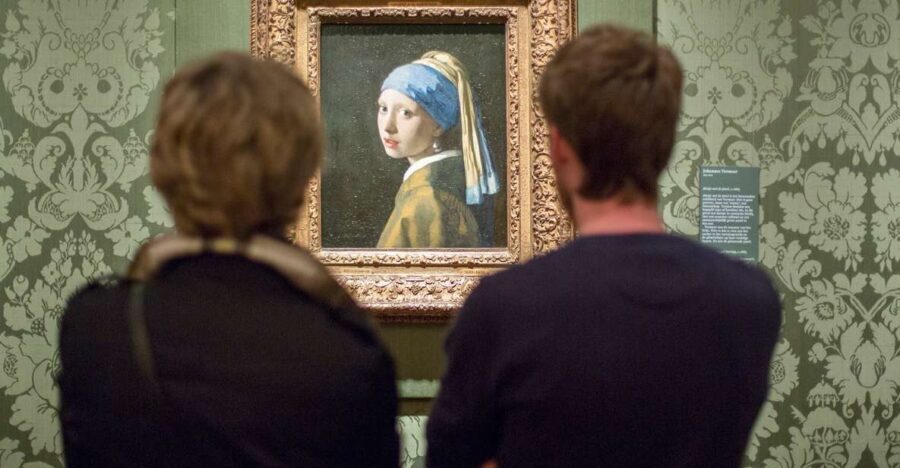
Stepping into the Mauritshuis is like switching from street noise to a quiet art gallery spell in the heart of The Hague. You get a ticket for the main collection inside a 17th-century city palace, plus access to temporary exhibitions, and the famous close-up moments with Vermeer’s Girl with a Pearl Earring.
Two things I really like about this visit: it’s a compact museum where world-famous works are actually manageable in real time, and the free downloadable multimedia app helps you understand what you’re seeing without dragging you on a strict schedule. One thing to plan around is the timed-entry system plus crowd control around the headline paintings, so it helps to know where you want to go first.
- Key things to know before you go
- Mauritshuis at a glance: a small museum with big-name punch
- Price and value: what gets you (and why it feels fair)
- Finding the right entrance in central The Hague
- The building is part of the show: palace rooms and pond views
- The timed-entry system: how to avoid wasting your visit
- Your best route: start with Girl with a Pearl Earring
- Rembrandt’s Anatomy Lesson and the “how do I look at this?” moment
- Fabritius’ The Goldfinch: a smaller work that can steal the show
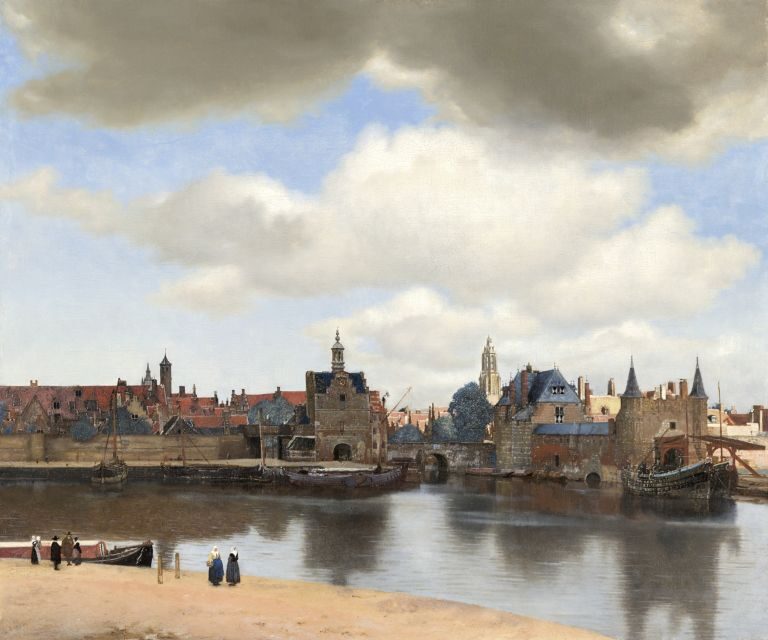
- More than famous names: the collection’s full range of 17th-century painting
- The temporary exhibition: BIRDS runs Feb 12–June 7, 2026
- The free app: how the multimedia tour works on your phone
- WiFi inside: good for last-minute downloading
- Photo rules and bag restrictions: the stuff that causes last-minute stress
- How long should you budget, for real?
- Crowds and the Vermeer bottleneck: managing the famous painting line
- Staff help: friendly, knowledgeable, and worth asking
- Food and coffee inside: where to refuel without losing momentum
- Accessibility: wheelchair access with real-world limits
- Should you book this Mauritshuis ticket?
- FAQ
- Where is the meeting point?
- How long does the visit take?
- Is the entry ticket for the main collection only, or does it include temporary exhibitions too?
- Do I need to download anything for the audio or multimedia tour?
- Is WiFi provided?
- Do I get an audio device with the ticket?
- What should I bring with me?
- Are selfie sticks allowed?
- Is flash photography allowed?
- Is the museum wheelchair accessible?
Key things to know before you go
- Timed entry, flexible time inside: your booking sets when you enter, but you can enjoy the museum at your own pace once inside.
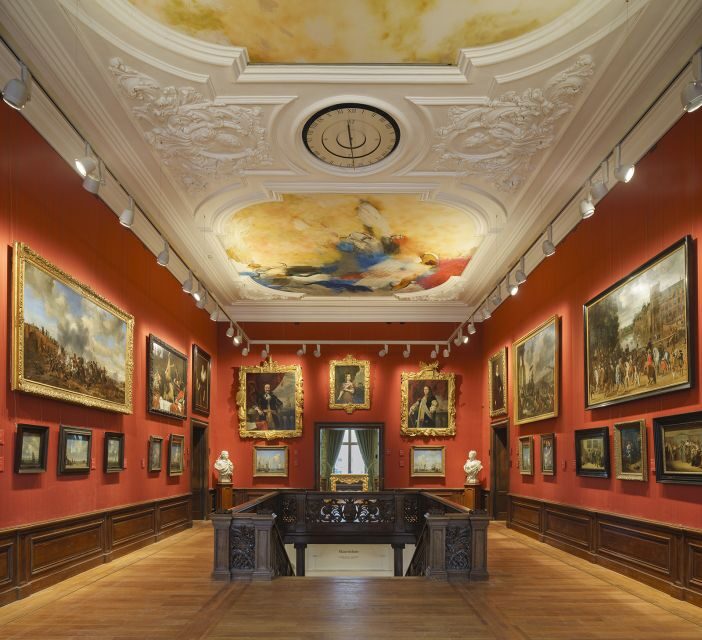
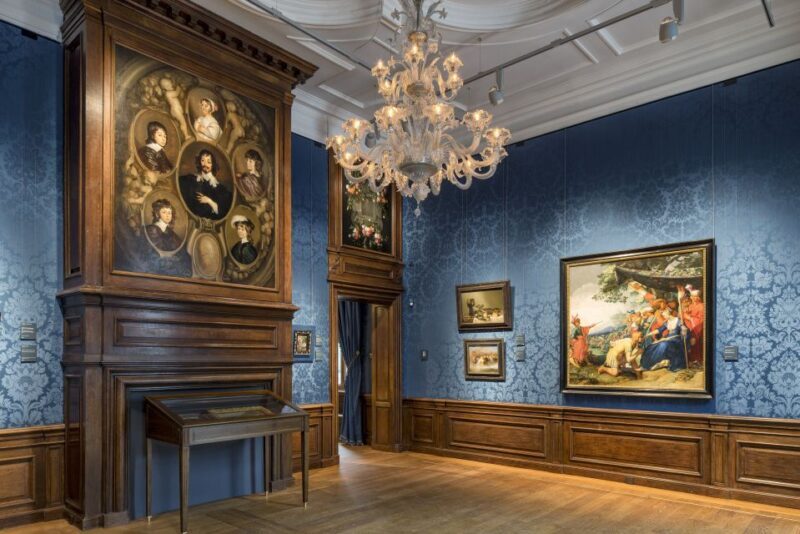
- A palace interior worth pausing for: think silken wall coverings, sparkling chandeliers, and monumental painted ceilings.
- Bring headphones: you’ll use the museum’s multimedia app on your own phone or tablet.
- Compact, high-impact collection: 200+ masterpieces on permanent display, with major Golden Age names.
- Easy accessibility planning: wheelchair access is available with size limits for the chair.
- Rules that affect your trip: no selfie sticks, no flash photography, and no large bags.
Mauritshuis at a glance: a small museum with big-name punch
The Mauritshuis is one of those museums that proves size isn’t the point. For about 1.5 hours (the common average), you can see a serious lineup of Dutch Golden Age masterworks in a setting that feels historical but intimate.
It’s also in a prime spot in The Hague, right by the Parliament (the Binnenhof area). If you like museums that don’t demand a full day, this is a strong candidate.
Price and value: what $25 gets you (and why it feels fair)
At $25 per person, this ticket isn’t trying to compete with mega-museums by quantity. Instead, you’re paying for density: iconic paintings, elegant rooms, and a planable visit length.
You also get more than just the permanent collection. The ticket includes entry to any temporary exhibition, plus WiFi inside for downloading your app. Food and drinks cost extra, but you’re not forced into buying a bundled “tour experience” to make the ticket worthwhile.
Finding the right entrance in central The Hague
Your meeting point is simply Mauritshuis, and that’s good news. This is a central stop where you’re not hunting for hidden meeting rooms.
Because it’s near the Parliament, it’s also easy to pair with a broader day in The Hague—walks along the historic district and time for a coffee break before or after your museum slot.
The building is part of the show: palace rooms and pond views
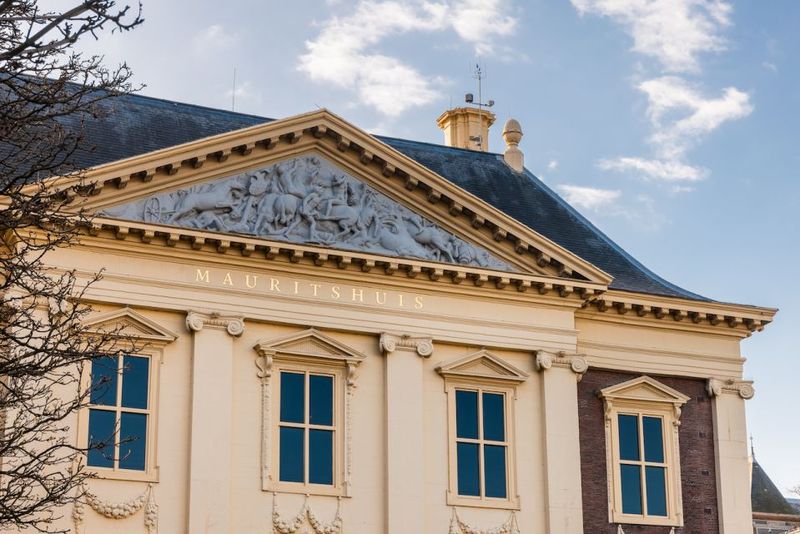
Even if you’re not a hardcore art person, the museum setting is a real draw. The collection sits in a 17th-century city palace, and the interior is described as historic yet intimate.
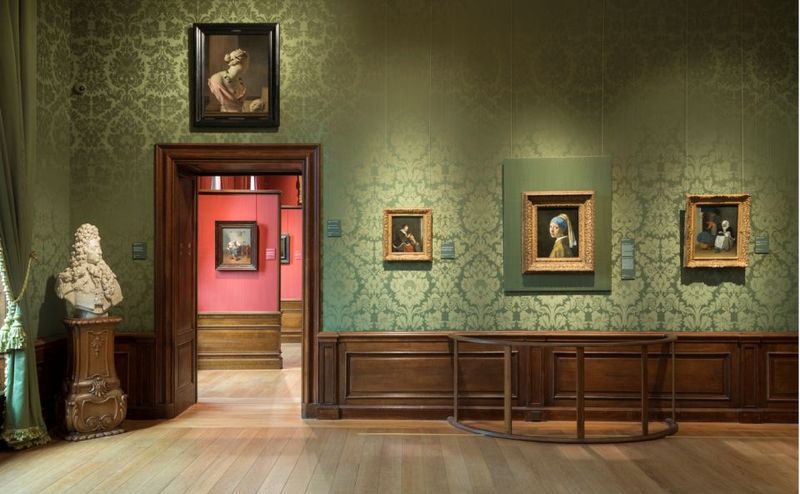
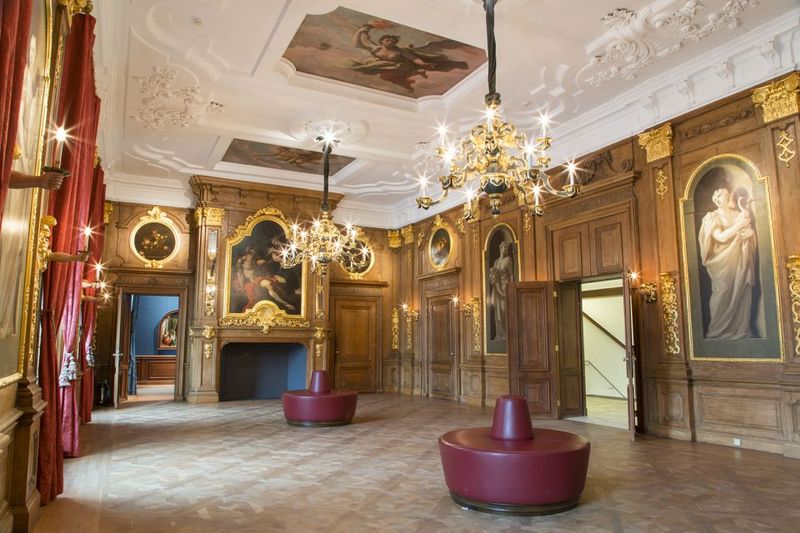
Inside, you’ll notice details like silken wall coverings, sparkling chandeliers, and monumental painted ceilings. Add the fact that some windows offer views of the pond nearby, and you get a museum that feels calm and theatrical at the same time.
The timed-entry system: how to avoid wasting your visit
This ticket uses allocated time slots to manage capacity. That’s not just busywork. It directly affects how crowded the gallery feels when you arrive—especially around the museum’s biggest crowd magnet.
My practical advice: show up ready to go. Have your phone charged, your headphones in hand, and your must-see list thought through. Once you’re inside, you can take your time, but you’ll waste less of your best viewing hours if you don’t start with chaos.
Your best route: start with Girl with a Pearl Earring
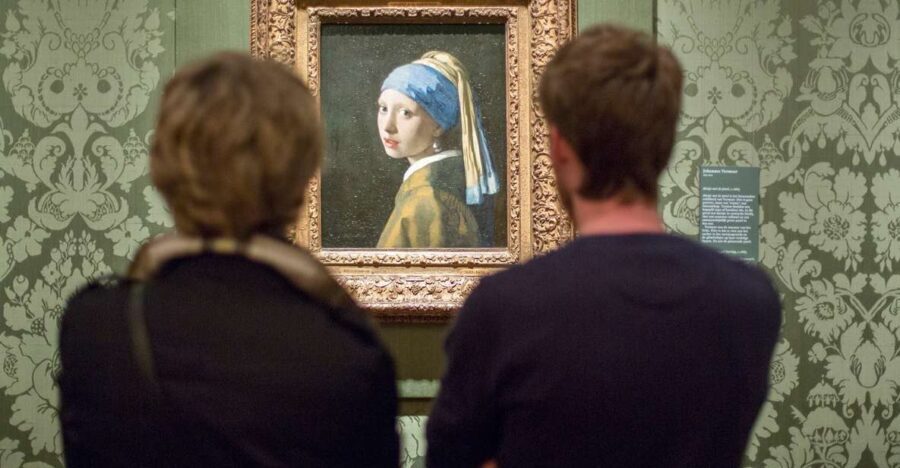
Plan to meet Vermeer early. The museum is small enough that you can see a lot, but headline paintings can still get crowded fast.
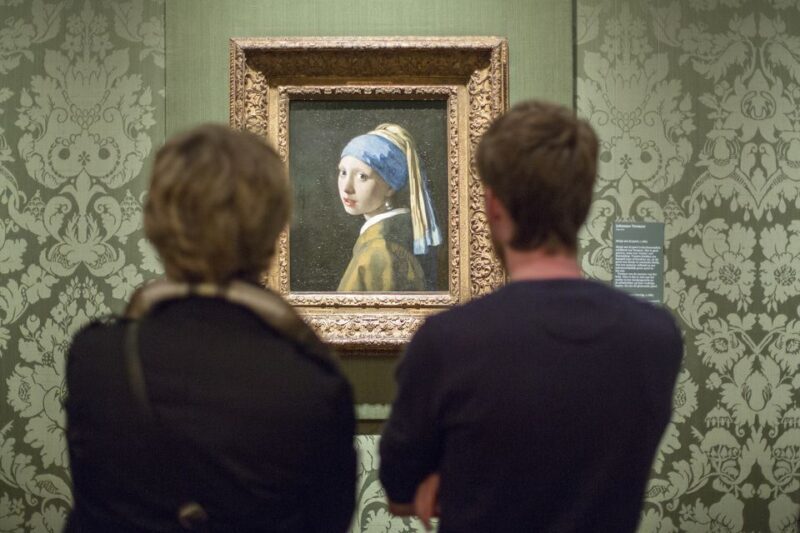
If you want the classic close-up experience with Girl with a Pearl Earring, build your plan around it. Many visitors find it helps to start there and then move onward so the rest of the collection feels more spacious.
Rembrandt’s Anatomy Lesson and the “how do I look at this?” moment
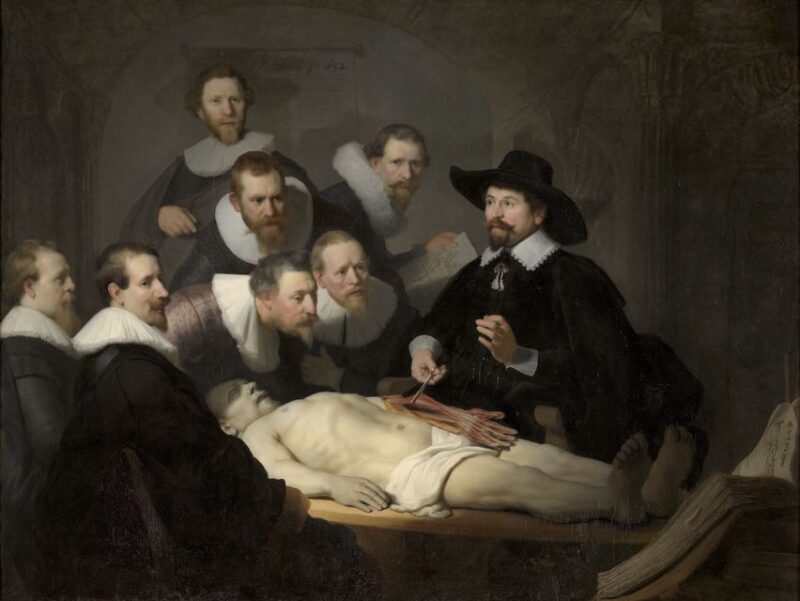
Rembrandt’s The Anatomy Lesson of Dr. Nicolaes Tulp is the kind of painting that makes you slow down even if you usually rush through museums. It’s one of the best examples of why Dutch art from this period still hits hard today.
In a crowded museum, the tricky part is not seeing the painting—it’s deciding how much time to give it. My suggestion: do one “quick read” first (figure out what’s happening), then circle back for a second pass if the room feels manageable.
Fabritius’ The Goldfinch: a smaller work that can steal the show
A big win at the Mauritshuis is that the most famous paintings aren’t the only ones worth your attention. The Goldfinch by Carel Fabritius is a perfect example of why.
The museum also hosts a temporary exhibition tied to birds (more on that below). If you’re already a fan of the Golden Age, this pairing can make your visit feel extra coherent: theme and masterpiece in the same building.
More than famous names: the collection’s full range of 17th-century painting
One reason people love this museum is the variety packed into a compact layout. You’ll find Dutch and Flemish painting across genres—so it doesn’t become a “same style, same mood” loop.
From the collection highlights, you can expect major works and artists such as:
- Genre scenes (Jan Steen)
- Landscapes (Jacob van Ruisdael)
- Still lifes (Adriaen Coorte)
- Portraits (Rubens)
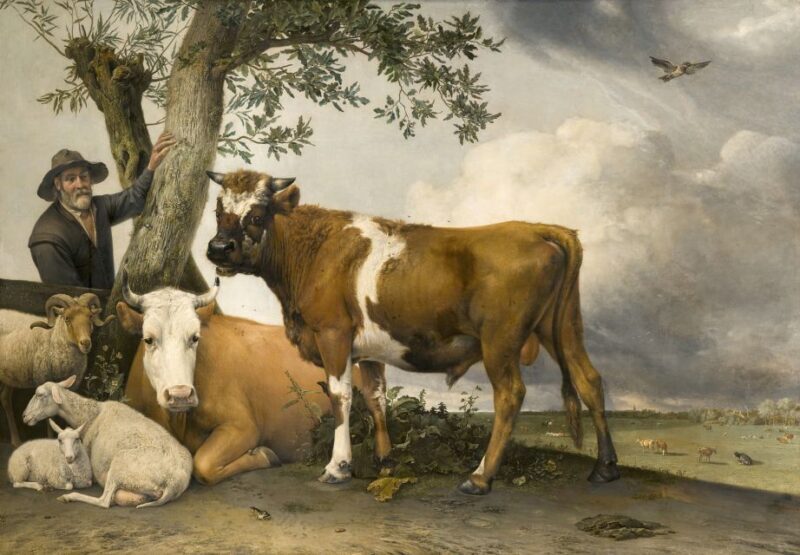
- Sculpting realism in the Golden Age tradition, plus works by artists like Potter (including The Bull)
You don’t need to memorize anything to enjoy it. You just need enough time to notice differences. This museum makes that easy because the physical space doesn’t overwhelm you.
The temporary exhibition: BIRDS runs Feb 12–June 7, 2026
This is one of those added layers that can make your museum visit feel fresher, not repetitive. During 12 February – 7 June 2026, the temporary exhibition BIRDS (curated by The Goldfinch & Simon Schama) explores the way humans relate to birds—freedom, beauty, love, and also how birds are kept, used, or treated as trophies.
What makes it practical for visitors: the show is connected to the Mauritshuis’ strengths. It includes material that links artists across eras and styles, with mentions of works by Leonardo da Vinci, Rembrandt, Pablo Picasso, Henri Matisse, Tracey Emin, Iris van Herpen, and others, and it centers on Fabritius’ The Goldfinch.
If you’re coming mainly for Vermeer, you’ll still get that. If you’re open to being nudged into a theme, this exhibition can give your trip extra meaning without taking extra time beyond your normal visit.
The free app: how the multimedia tour works on your phone
You don’t need a physical audio device here. Instead, you’ll use the free Mauritshuis multimedia app on your own phone or tablet, and you’ll want headphones (the museum specifies this).
There’s also a helpful Highlight tour in many languages: Dutch, English, French, German, Spanish, Italian, Ukrainian, Russian, Mandarin, Korean, and Japanese. Full audio coverage is only available in English and Dutch, so check your language needs before you arrive.
One practical note from visitors: the app may mention Bluetooth compatibility in a way that can feel confusing. If you’re planning to use Bluetooth earbuds, test beforehand so you’re not wrestling with settings mid-gallery.
WiFi inside: good for last-minute downloading
Since WiFi is included, you’re less likely to arrive empty-handed. Still, don’t rely on it as your only plan—download the app before you go if you can, and keep your phone battery topped up.
The museum’s system works best when you treat your visit like a self-guided walk: pick key rooms, use the app to get context, then pause and look longer at the painting after you understand what you’re seeing.
Photo rules and bag restrictions: the stuff that causes last-minute stress
The museum has clear rules:
- No selfie sticks
- No flash photography
- No luggage or large bags
That means you should travel light. If you’re carrying a big daypack, plan to store it outside (or use local lockers if that’s possible for your route), so you can move smoothly once you enter.
It’s also worth knowing that visitors report you can take photos of the artwork, but video recording is not allowed. That helps you avoid getting surprised at the wrong moment.
How long should you budget, for real?
The ticket experience is set for 1.5 hours, and that’s usually enough for most people to enjoy the main collection without feeling like you’re sprinting.
That said, the museum lets you stay as long as you wish. So if you’re the type who keeps stepping back in front of paintings because you notice a new detail each time, you won’t feel pushed out after a rigid time.
If you want a calm visit, going earlier can matter. Visitors often mention that after mid-morning the biggest rooms can become noticeably busier.
Crowds and the Vermeer bottleneck: managing the famous painting line
The biggest crowd-control moment is the room for Girl with a Pearl Earring. Even when the overall museum feels pleasant, this is where you’ll see the most organized guarding and queueing.
A good strategy is to treat it like a “meet and greet,” then enjoy the rest of the museum without re-stacking yourself into the same bottleneck. Start there, then move through the collection while the rest of the galleries feel less crowded.
Staff help: friendly, knowledgeable, and worth asking
While this ticket doesn’t include a guide, the museum staff still matter. People consistently note helpful, knowledgeable staff and a warm, caring attitude.
If you’re unsure what to prioritize, ask. Even a quick suggestion about which rooms to hit next can turn a good visit into a great one—especially in a compact museum where time flies.
Food and coffee inside: where to refuel without losing momentum
The ticket doesn’t include food, but the museum offers a restaurant and coffee shop. That’s useful because you can reset without leaving the museum grounds for a long detour.
This works especially well if you’re visiting with someone who needs regular breaks, or if you want to stretch your museum time without rushing. And if you’re still curious afterward, you can always loop back for one last painting before your slot timing worries fade.
Accessibility: wheelchair access with real-world limits
The Mauritshuis is wheelchair accessible, but there are specific size limits: the wheelchair can’t be longer than 150 cm or wider than 78 cm.
If you’re traveling with mobility needs, double-check your chair dimensions early. Also, one visitor mentioned there’s a hidden lift that can help with reaching higher levels when you’re with a stroller—so if you have any mobility or pushing constraints, it may be worth asking on arrival.
Should you book this Mauritshuis ticket?
If you want world-famous Dutch art without committing a whole day, I think this is an easy yes. It’s great value for the money because you’re buying access to a concentrated collection in a beautiful palace, with a self-guided app that keeps you from feeling lost.
You might want to reconsider if you hate timed entry, don’t want to use your own phone for audio, or you’re traveling with bulky luggage that doesn’t fit the museum’s restrictions. In that case, plan better for storage and download comfort before you arrive.
The Hague: Mauritshuis Entrance Ticket
FAQ
Where is the meeting point?
The meeting point is Mauritshuis.
How long does the visit take?
The duration is about 1.5 hours (check availability to see your time slot).
Is the entry ticket for the main collection only, or does it include temporary exhibitions too?
It includes entry to the main collection and entry to any temporary exhibitions.
Do I need to download anything for the audio or multimedia tour?
Yes. The museum recommends downloading the free Mauritshuis multimedia app to your own smartphone or tablet before you go.
Is WiFi provided?
Yes. WiFi is included.
Do I get an audio device with the ticket?
No. A physical audio guide device is not included, so you’ll rely on the app on your own device.
What should I bring with me?
You should bring headphones.
Are selfie sticks allowed?
No. Selfie sticks are not allowed.
Is flash photography allowed?
No. Flash photography is not allowed.
Is the museum wheelchair accessible?
Yes, it is wheelchair accessible, but the wheelchair must be no longer than 150 cm and no wider than 78 cm.
You can check availability for your dates here: