Exploring the Dark Corners of History: A Guide to the Third Reich: Art, Cult and Ideology behind the Tragedy
If you’re interested in understanding the complex origins of the Third Reich beyond the typical stories of World War II, this guided tour in Bavaria offers a different perspective. It’s a thoughtful experience that peels back the layers of mysticism, cultism, and ideological seeds that grew into one of history’s darkest chapters.
We haven’t done this specific tour ourselves, but based on detailed descriptions and reviews, it looks like a compelling, if intense, way to deepen your historical insight.
What we really appreciate about this experience is its focus on lesser-known aspects—like the spiritual and esoteric roots of Nazi ideology—and its effort to present an unfiltered, honest narrative. Plus, the tour visits some significant sites tied to the era, helping you connect the dots between history and the present.
On the flip side, the subject matter is heavy, and the tour’s focus on the darker sides of history might not be for everyone, especially if you prefer lighter sightseeing.
But if you’re a history buff or someone eager to understand the intricacies of how ideology can shape a nation, this could be a valuable addition to your Munich explorations.
This experience is well suited for those who are ready for a serious and thought-provoking look at history, especially adults or older teens with a keen interest in WWII, political movements, or art’s role in ideology. It’s not designed for children under 12, and the tone is quite serious, so keep that in mind.
Key Points
- Deep historical insights into the roots of Nazi ideology beyond the typical WWII stories
- Focus on art, cult, and esoteric influences that contributed to the rise of the Third Reich
- Significant sites such as Hitler’s Office and Königsplatz provide tangible links to history
- Unfiltered narrative that challenges conventional portrayals and Hollywood myths
- 2-hour guided walk with a professional guide, available in English and German
- Accessible and flexible booking options, with free cancellation and pay later features
👉 See our pick of the The 8 Most Popular Shopping & Market Tours In Munich
- Key Points
- An In-Depth Look at the Tour Experience
- Starting Point: Karlstor
- Stop 2: Justizpalast
- Stop 3: Künstlerhaus am Lenbachplatz
- Stop 4: Wittelsbacher Brunnen
- Stop 5: Park Café
- Stop 6: Königsplatz
- Stop 7: Karolinenplatz
- Stop 8: Square for the Victims of National Socialism
- Final Stop: Odeonsplatz
- What Makes This Tour Stand Out?
- Is the Price Worth It?
- Practical Details and Considerations
- Final Thoughts
- FAQ
- The Best Of Munich!
- More Tour Reviews in Munich
An In-Depth Look at the Tour Experience
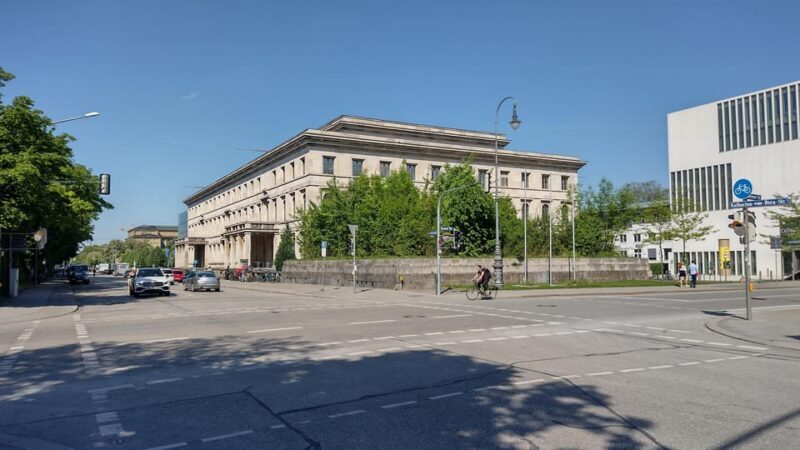
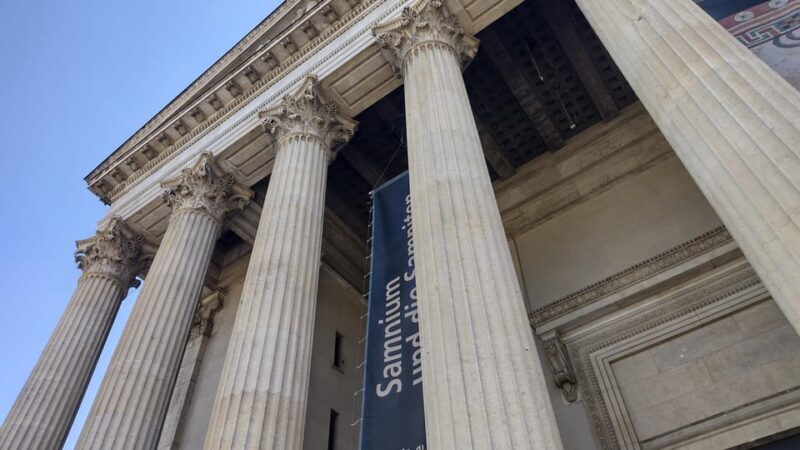
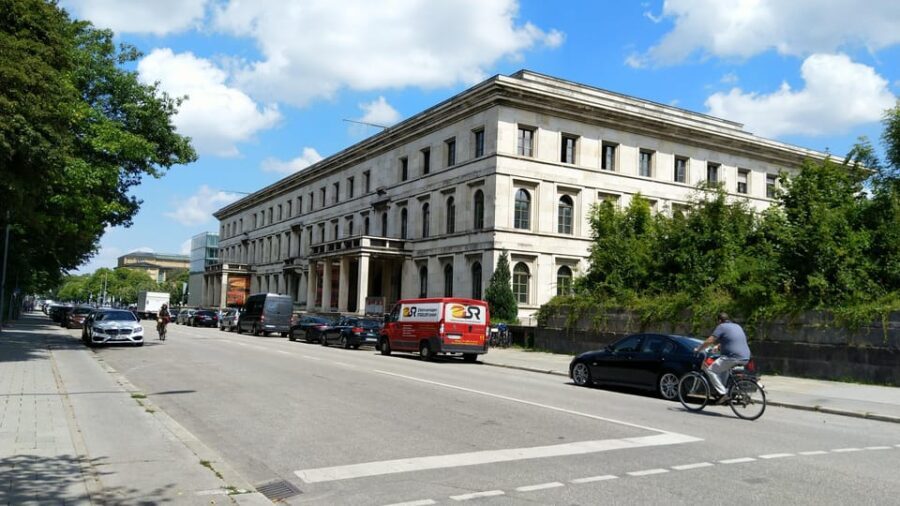
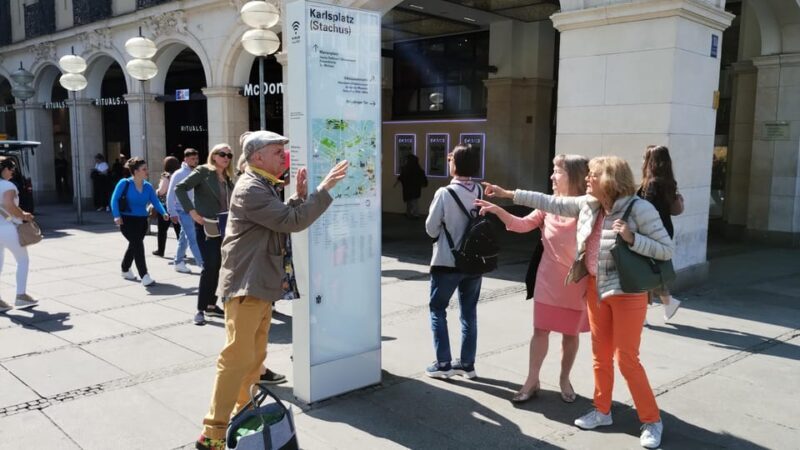
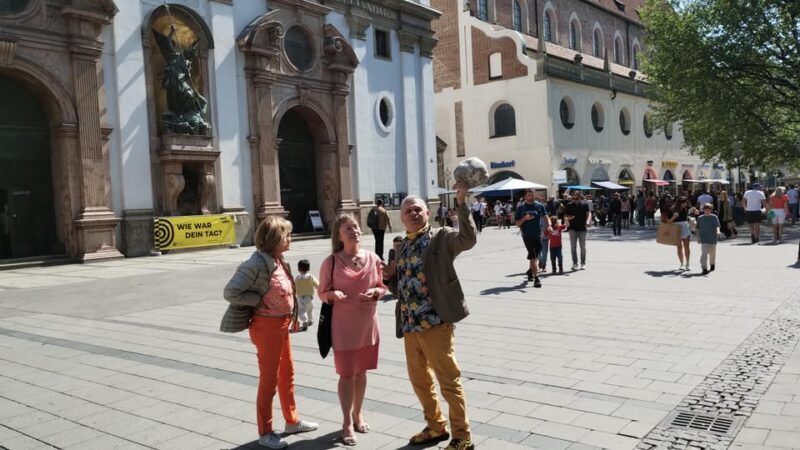
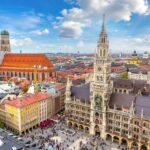
When you sign up for this tour, you should expect a 2-hour walk led by a professional guide who’s well-versed in the subject. The starting point at Karlstor places you right in the heart of Munich, setting the tone for a journey through the city’s historical landscape. The route is carefully curated to include major sites connected to the Nazi period, as well as locations that reveal the deeper, often overlooked roots of the ideology.
You can also read our reviews of more tours and experiences in Munich.


Starting Point: Karlstor
The tour kicks off at Karlstor, a historic city gate that’s been standing since the 14th century. It’s a fitting place to start because it’s central, iconic, and a symbolic entry point into Munich’s layered history. From here, the guide will set the stage, providing context about how far back the roots of Nazi thought extend—tracing influences from the 19th century, with links to mysticism, spiritualism, and dangerous cults.
Stop 2: Justizpalast
Next, you’ll walk about five minutes over to the Justice Palace (Justizpalast). This building is more than just a legal landmark; it’s intertwined with the turbulent history of justice, resistance, and state power during the Nazi era. The guide might share stories about how this site was involved in the period’s political upheavals, adding a layer of understanding about the legal and institutional frameworks that enabled the regime.
Stop 3: Künstlerhaus am Lenbachplatz
The journey continues to the Künstlerhaus am Lenbachplatz, which historically has links to the art scene. Here, you’ll learn about how artists played a role in spreading or challenging the ideas of the time. The guide may highlight how prominent artists contributed to or resisted the cultural atmosphere that helped fuel Nazi ideology.
More Great Tours NearbyStop 4: Wittelsbacher Brunnen
A quick five-minute walk brings you to the Wittelsbacher Brunnen, a historic fountain that offers a quiet space for reflection. It’s a good spot for contemplating how symbols and public spaces are used to shape collective memory and ideology.
Stop 5: Park Café
The tour then takes you to a Park Café, a more relaxed spot where the guide might talk about the social climate of the era—how everyday life intertwined with political movements, and how propaganda seeped into daily routines.
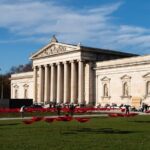
Stop 6: Königsplatz
One of the most significant stops is Königsplatz, an area packed with history. It was a major site for Nazi rallies, and today, it still echoes with the echoes of that past. The guide will likely point out key monuments, discussing their symbolism and the ways in which Nazi architecture aimed to impress and intimidate.
Stop 7: Karolinenplatz
Next, the tour moves to Karolinenplatz, notable for its historical monuments and its role during the Nazi era. Here, you might learn about resistance movements in Bavaria, which is often overshadowed by stories of Nazi dominance.
Stop 8: Square for the Victims of National Socialism
This site is dedicated to remembering those who suffered under the regime. It’s a poignant reminder of the human cost behind the ideology, and the guide might share stories of resistance, sacrifice, and the ongoing importance of remembrance.
Final Stop: Odeonsplatz
The tour ends at Odeonsplatz, a historic and political hub in Munich. You’ll have the chance to reflect on everything you’ve seen and heard, connecting the dots between the past and present.
What Makes This Tour Stand Out?
Beyond the well-selected route, this tour offers a unique perspective that challenges Hollywood portrayals of Nazi Germany. You’ll hear stories unfiltered by institutions, giving you a more nuanced understanding of the era. It also touches on the fascinating, almost surreal, links between Nazi ideology and concepts like Atlantis and the Thule island, which are often associated with mystical and esoteric influences.
The inclusion of sites connected to Hitler’s management and the resistance movements in Bavaria enriches the experience, making it both educational and thought-provoking. Reviewers mention that the guide’s storytelling is engaging and informative, providing context that’s rarely covered in textbooks or conventional tours.
Is the Price Worth It?
At $136 per person, this tour offers a focused, intimate look at a complex subject. The small-group format and professional guide ensure you get personal attention and nuanced insights. While the cost might seem steep for a 2-hour walk, the depth of information and the significance of the sites visited justify the price for history enthusiasts.
Practical Details and Considerations
- Availability & Timing: Check for starting times, as the tour lasts about 2 hours. It’s a manageable length for most travelers, even those with busy schedules.
- Language: Tours are offered in English and German, making it accessible to a broad audience.
- Accessibility: The tour is wheelchair accessible, which is a plus if you have mobility needs.
- Booking & Cancellation: You can reserve now and pay later, with free cancellation up to 24 hours ahead—great for flexible travel planning.
- Restrictions: Not suitable for children under 12 or for those over 95, mainly because of the heavy subject matter.
- Additional Costs: Tips are not included, so if you appreciate the guide’s effort, consider tipping accordingly.
Final Thoughts
This tour is ideal for travelers who want more than surface-level history. It’s perfect if you’re curious about how art, cult, and spiritual ideas contributed to the rise of Nazi Germany, and if you’re interested in exploring Munich’s historic sites with a critical eye. It’s not a light or casual visit, but for those ready to grapple with complex history and seek a deeper understanding, it offers a rare and genuine perspective.
If you’re looking for a thoughtful, well-guided walk that challenges misconceptions and unearths hidden connections, this experience is worth considering. Be prepared for a serious tone and a focus on the darker, more complicated sides of history, and you’ll come away with a richer understanding of how dangerous ideas can take hold—and how they can be challenged.
Third Reich: Art, Cult and Ideology behind the tragedy
FAQ
Is this tour suitable for children?
No, the tour is not recommended for children under 12 due to the heavy and complex subject matter.
How long does the tour last?
It lasts approximately 2 hours, making it a manageable and engaging experience without requiring a full day.
What languages are available for the tour?
Tours are offered in both English and German, so you can choose the language that suits you best.
Can I cancel my booking?
Yes, you can cancel up to 24 hours in advance for a full refund, providing flexibility if your plans change.
Is the tour accessible for wheelchair users?
Yes, the tour is wheelchair accessible, allowing guests with mobility needs to participate comfortably.
What sites will I visit?
Major sites include Hitler’s Office, Königsplatz, Justice Palace, and others connected to the Nazi era and its roots, like the Square for the Victims of National Socialism.
What makes this tour different from other WWII walks in Munich?
This tour emphasizes the origins of Nazi ideology, including esoteric and cult influences, and provides an unfiltered historical narrative that goes beyond typical WWII highlights.
If you’re prepared to face a challenging part of history with honesty and depth, this tour offers a valuable, eye-opening journey through Munich’s complex past.
You can check availability for your dates here: