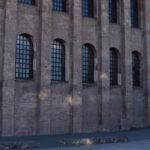
If you’re visiting Trier, diving into its Roman past is a must, especially when it comes to uncovering the fascinating world of ancient Roman baths. This tour focuses on the ruins of some of Trier’s most impressive thermal baths, giving you a glimpse into a lifestyle centered around health, socializing, and architecture.
While we haven’t personally taken this specific tour, the details make it clear that it offers a well-rounded look at Roman bathing culture, perfect for history buffs and those curious about daily life in ancient times.
We love that this experience includes visits to UNESCO World Heritage sites, like the Imperial Baths and Barbarathermen, which are some of the most well-preserved Roman ruins in Germany. The chance to explore underground passages and see the remains of massive thermal complexes is pretty special. Another highlight is the detailed stories and anecdotes shared by guides, which really bring history to life.
One thing to keep in mind, however, is that the tour is limited to one language at a time—either English or German—which means you’ll need to choose your preferred language when booking. Also, since the ruins are outdoors, weather can be a factor, and some sites could be closed unexpectedly, so flexibility is key.
This tour would suit anyone interested in Roman history, archaeology, or architecture, especially if you’re keen to see UNESCO-listed sites and learn about how bathing was more than just hygiene but also a social hub. It’s a solid choice for travelers who enjoy walking through historic ruins and absorbing stories about the past.
- Key Points
- Exploring Trier’s Roman Bathing Ruins: What You Can Expect
- Starting at Weberbach or nearby
- Visiting Trier Imperial Baths (45 minutes)
- Passing by Viehmarktplatz
- Visiting the Barbarathermen (30 minutes)
- Final stop at Barbarathermen
- Practical Details and Tips
- Value for Money: Is It Worth It?
- Who Should Consider This Tour?
- The Sum Up
- FAQ
- The Best Of Trier!
- More Tour Reviews in Trier
Key Points
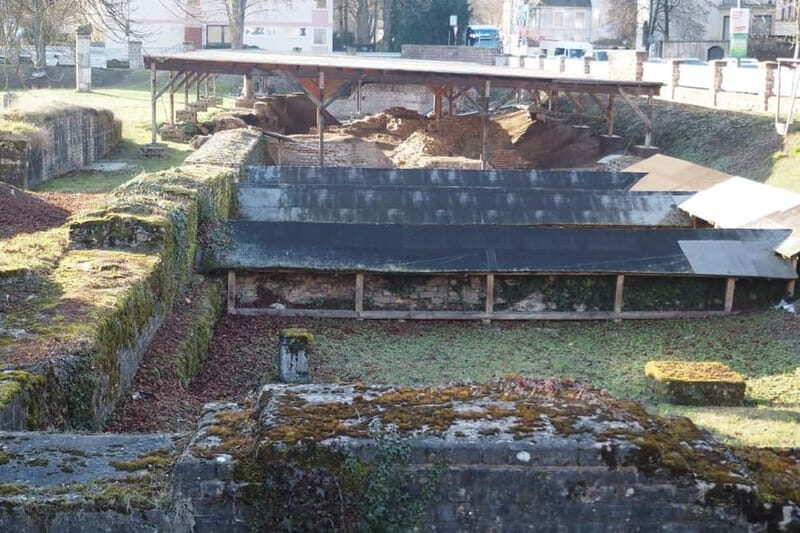
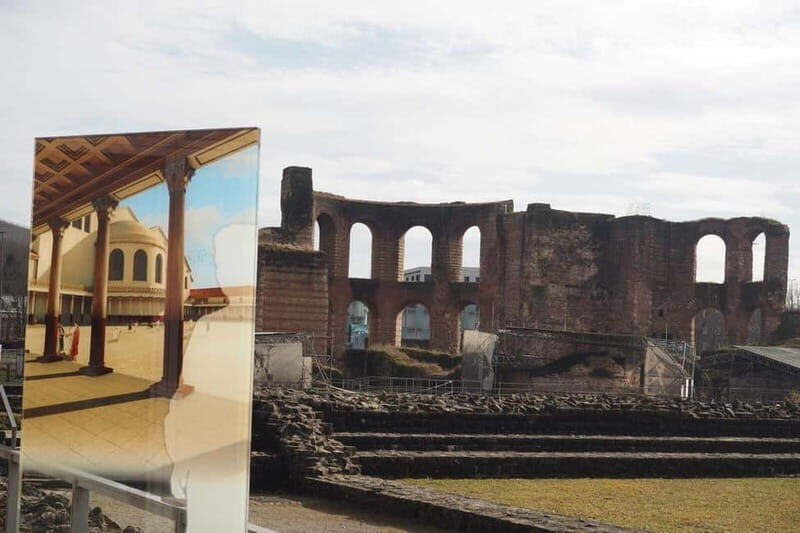
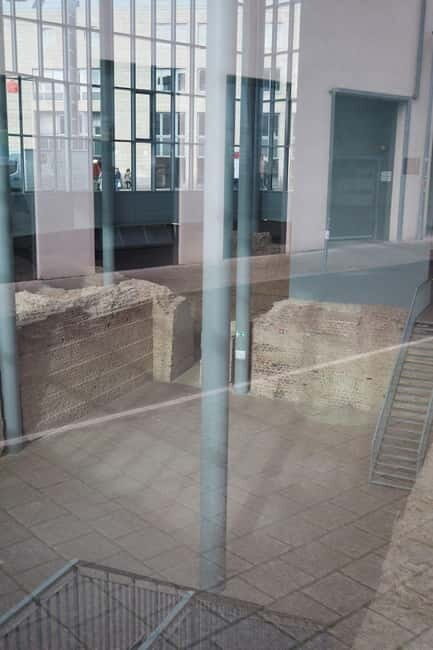
- Includes UNESCO World Heritage sites: The Imperial Baths and Barbarathermen, ensuring a meaningful historical experience.
- Focuses on bathing culture: Not just ruins, but stories about Roman social life centered around baths.
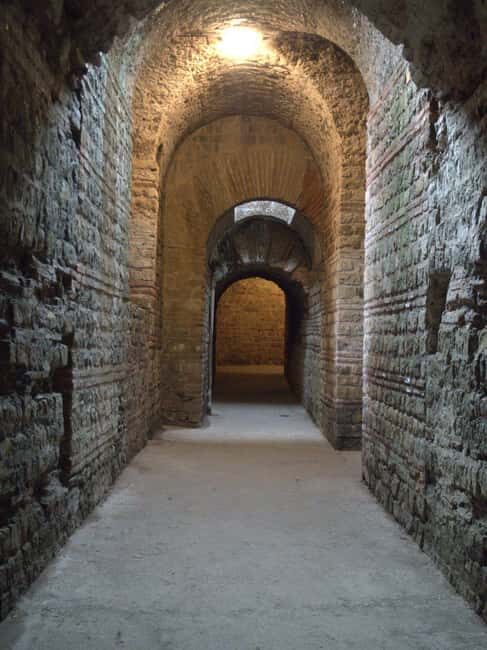
- Underground passages: Offers a behind-the-scenes look at Roman architecture that visitors don’t often see.
- Flexible booking options: Cancel up to 24 hours in advance with full refund, and reserve now to pay later.
- Limited to one language: Tour is either in English or German, so plan accordingly.
- Weather considerations: Outdoor ruins might be impacted by weather, so prepare for outdoor conditions.
👉 See our pick of the We Rank Trier’s 11 Top Walking Tours
Exploring Trier’s Roman Bathing Ruins: What You Can Expect
While we haven’t gone on this exact tour ourselves, the description paints a pretty clear picture of what you’ll see and experience. It’s a relatively short, 2-hour journey that’s packed with highlights, making it a practical option for travelers with limited time but a keen interest in history.
You can also read our reviews of more tours and experiences in Trier.


Starting at Weberbach or nearby
The tour begins at one of two convenient meeting points, either Weberbach 41 or an alternative location. This flexibility is helpful, especially if you’re staying centrally in Trier. The meeting point is easy to find, with detailed coordinates provided, which reduces the stress of logistics.
Visiting Trier Imperial Baths (45 minutes)
The first stop is at the Imperial Baths, one of the most significant Roman thermal complexes in the region. As a UNESCO World Heritage site, this location is a highlight. Our understanding from reviews is that guides do a good job explaining the architecture and purpose of these baths, including the underground passages. The ruins reveal the grandeur of Roman engineering, with significant remnants of heated rooms, pools, and service areas.
We loved the way guides share stories about the baths being more than just places to wash—they were centers for social gatherings, business meetings, and sports. Expect to learn about the water supply systems and how Romans linked bathing to health and well-being.
Passing by Viehmarktplatz
Between the ruins, there’s a quick 15-minute walk through part of Trier’s city center, giving you a chance to soak in the local atmosphere. A quick photo stop at Viehmarktplatz gives a nice break and the opportunity to capture some modern-day life alongside ancient history.
More Great Tours NearbyVisiting the Barbarathermen (30 minutes)
Next, the tour takes you to the Barbarathermen, another UNESCO site. Here, the ruin is extensive, and you’ll be shown around the remains of what was once a large thermal complex. As one reviewer mentioned, the ruins are still telling stories about everyday Roman life. The guided tour here offers insights into the construction techniques and the social importance of baths.
You’ll get a chance to explore the site, take photos, and listen to anecdotes that make the history feel more tangible. The ruins’ size and preservation level give a real sense of the scale of Roman bathing facilities, and guides are often praised for their engaging storytelling.



Final stop at Barbarathermen
The tour concludes at the Barbarathermen, giving you plenty of time to revisit areas you found particularly interesting or just soak in the atmosphere one last time. Because the ruins are outdoors, it’s advisable to wear comfortable shoes and weather-appropriate clothing.
Practical Details and Tips
The tour lasts about 2 hours, which is just enough to get a good overview without feeling rushed. It’s designed for those who want a structured, informative visit with a knowledgeable guide. The group size isn’t specified, but guided tours typically keep to a manageable number, ensuring you can ask questions.
Cost-wise, the experience offers the flexibility of reservation with “reserve now, pay later,” plus full cancellation up to 24 hours before. That’s a reassuring option if your plans are still a bit tentative.
Since the tour is limited to one language, it’s best to book early to secure your preferred language. If you have a valid Antikencard, you’ll get a small discount, which adds a little extra value.
Note: People with mobility issues or in wheelchairs aren’t suited for this tour due to the outdoor, uneven terrain of the ruins. So, it’s not ideal if accessibility is a concern.
Value for Money: Is It Worth It?
Considering the price point, the inclusion of UNESCO sites, and the focus on engaging storytelling, this tour does seem to be a good deal for history lovers. The guided aspect enhances the experience, turning what could be just stone ruins into stories about Roman daily life, health, and architecture.
Reviewers mention that guides do a good job with anecdotes, making history accessible and fun. If you enjoy learning while walking through ancient remains, this tour offers a meaningful way to spend a couple of hours.
Who Should Consider This Tour?
This experience is ideal for travelers who have a keen interest in Roman history, architecture, or archaeology, and who want a guided, curated insight into Trier’s ancient treasures. It’s perfect for those who appreciate UNESCO sites and enjoy outdoor walks through historical ruins.
However, it’s probably not suitable for travelers with mobility constraints, as it involves outdoor walking on uneven terrain. Also, if you prefer a more interactive or hands-on experience, this tour’s focus on guided storytelling might feel a bit limited.
The Sum Up
If you’re in Trier and want to see some of the most important Roman ruins that tell stories beyond just their stones, this tour offers a thoughtful, engaging way to do it. It balances the visual impact of the ruins with informative commentary, making the experience enriching without overwhelming.
It’s a solid choice for history buffs, architecture lovers, or anyone curious about how Romans incorporated bathing into their social and health routines. While weather and mobility could be considerations, the chance to walk through UNESCO-listed sites and learn about ancient bathing practices makes this tour a memorable addition to any Trier visit.
Trier: Roman Baths and Bathing Culture
FAQ
Is the tour suitable for children?
This tour is designed for adults and isn’t particularly geared toward children. It involves outdoor walking on uneven terrain, and some sites may be closed due to weather, so it’s better suited for older kids or teens interested in history.
Can I cancel the tour if my plans change?
Yes, you can cancel up to 24 hours in advance for a full refund, making it flexible if your itinerary shifts.
What languages are available for the tour?
The tour is conducted in either English or German, but only one language per booking. The first to book secures the language.
How long does the tour last?
It lasts approximately 2 hours, which is a manageable length for most travelers, offering a rundown without fatigue.
Are the ruins accessible for people with mobility issues?
No, due to outdoor terrain and site conditions, it’s not suitable for those with mobility impairments or in wheelchairs.
What should I wear?
Comfortable walking shoes and weather-appropriate clothing are recommended, especially since ruins are outdoors and exposed to the elements.
Is this tour family-friendly?
While not specifically aimed at children, older kids or teenagers with an interest in history may find it engaging. Keep in mind it involves walking and outdoor exposure.
Does the tour include transportation?
No, it starts at a designated meeting point in Trier; transportation between sites is part of the walking route.
What’s the value of the tour?
Considering the UNESCO sites visited and the insights provided, it offers good value, especially for those interested in Roman history and culture.
Will I see the entire baths complex?
You’ll visit key parts of the Imperial Baths and Barbarathermen, but some ruins or underground passages might be closed at short notice due to weather.
If exploring Trier’s Roman past sounds appealing, this tour strikes a nice balance between education and sightseeing, providing meaningful stories behind impressive ruins—definitely worth considering if it fits your travel plans.
You can check availability for your dates here: