- Derry: Gorta Swatragh’s Famine Story Entry Ticket – A Thoughtful Peek into Ireland’s Past
- Key Points
- An Honest Look at Gorta Swatragh’s Famine Story
- The Setting and Location
- What Makes it Unique?
- Art and Design Elements
- Educational Content
- The Experience Itself
- Limitations and Practicalities
- The Value for the Price
- Who Would Love This?
- Not for everyone?
- Final Thoughts
- FAQs
- The Best Of Londonderry Derry!
- More Tickets in Londonderry Derry
- More Tour Reviews in Londonderry Derry
Derry: Gorta Swatragh’s Famine Story Entry Ticket – A Thoughtful Peek into Ireland’s Past
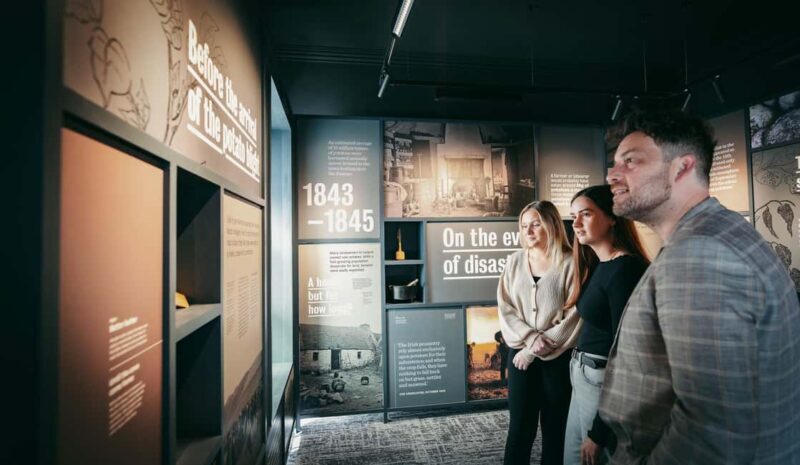
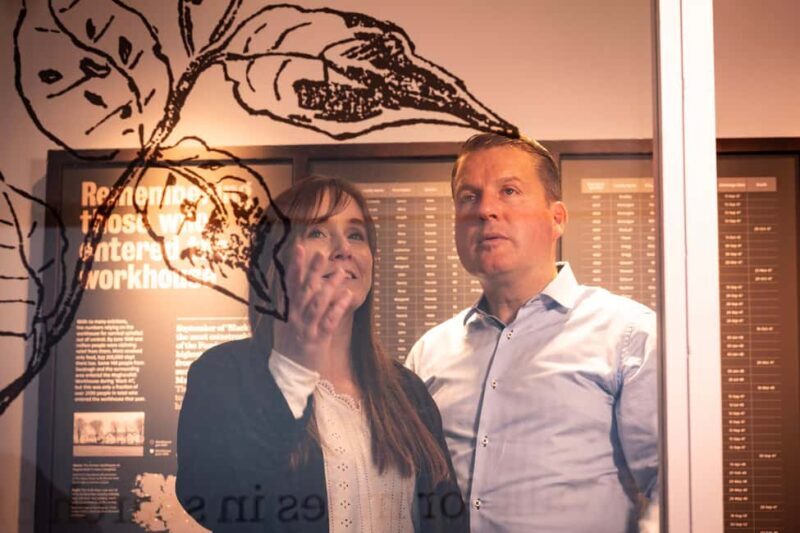
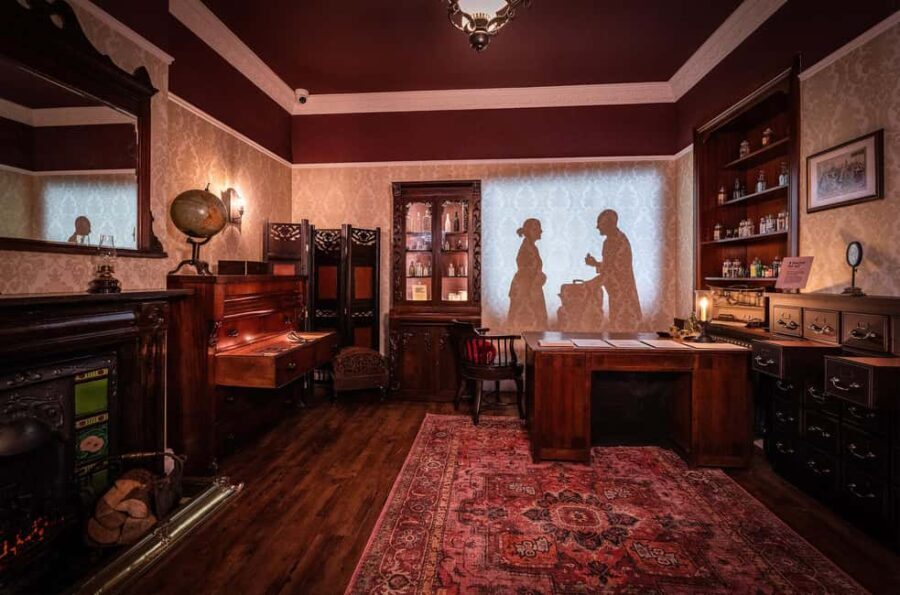
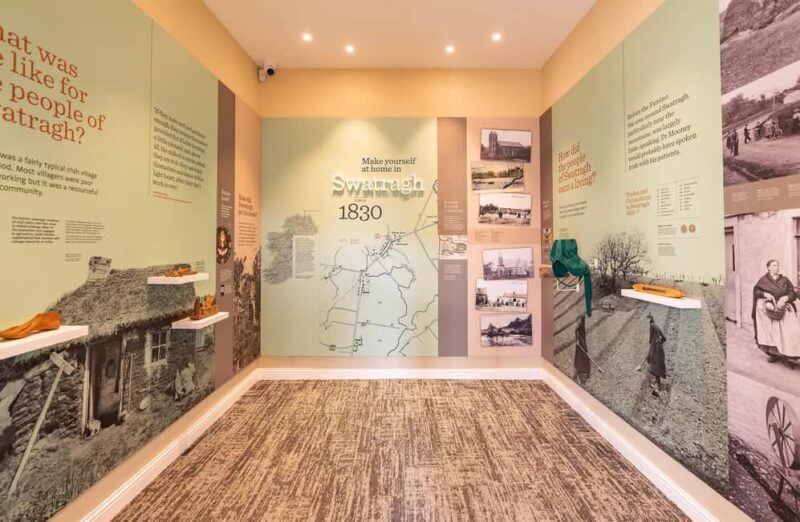
If you’re interested in Irish history, especially the lesser-known stories of resilience during the Great Hunger, this visit to Gorta Swatragh’s Famine Story offers a meaningful window into those difficult times. Sitting in County Londonderry, this attraction combines storytelling with engaging modern tech and beautifully crafted sculptures, giving you a chance to connect with Ireland’s past in a personal way.
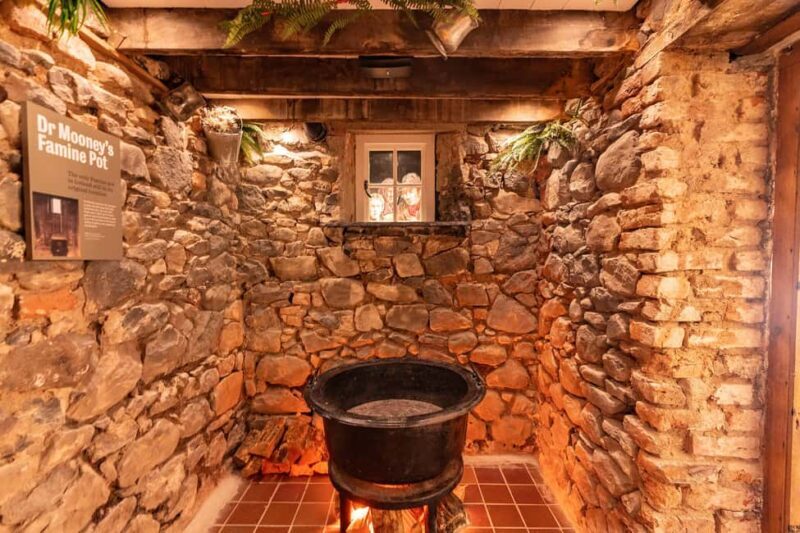
What really draws us in is the opportunity to stand before Ireland’s only famine soup pot still in its original location—a powerful visual reminder of hardship and survival. Plus, the way the center uses interpretative panels and audiovisual aids to narrate the story of Dr. Mooney’s private soup kitchen during the Great Hunger adds a layer of intimacy and understanding.
One consideration? The center is on two levels and currently doesn’t have a lift, which might be a challenge for visitors with mobility issues. However, the experience is self-guided, allowing you to explore at your own pace. This tour suits those with a genuine interest in Irish history, especially if you’re looking for a quieter, more reflective experience rather than a bustling attraction.
You can check availability for your dates here:
👉 See our pick of the What Are The Best Walking Tours In Londonderry Derry? Our Top 5 Picks
Key Points
- Focused on Irish famine history with a local perspective through storytelling and artifacts
- Involves original famine-related relics, including Ireland’s only surviving famine soup pot
- Uses modern technology and sculptures to bring the stories vividly to life
- Self-guided with interpretative panels and audiovisual aids for flexible exploration
- Cost-effective at $13, offering a meaningful experience without breaking the bank
- Not suitable for those with mobility issues due to building layout
You can also read our reviews of more tours and experiences in Londonderry Derry

An Honest Look at Gorta Swatragh’s Famine Story
When we first heard about Gorta Swatragh, what caught our attention was the promise of exploring an often overlooked chapter of Irish history—the Great Hunger through the lens of a local community. The $13 ticket price seems fair for a 1.5-hour journey that’s designed to be both educational and reflective. You won’t find a flashy theme park here; instead, it feels like stepping into a personal story told through carefully curated exhibits.
The Setting and Location
The visitor center is situated in County Londonderry, in a small village called Swatragh. It’s easy enough to find if you’re exploring the north of Ireland, especially if you’re already in Derry or nearby. The center is housed in a historic building, which adds to the authentic feel of the experience. From the moment you arrive, you’re welcomed at the bar or restaurant, making check-in straightforward.
What Makes it Unique?
The highlight for many visitors is the famine soup pot—the only one in Ireland still in its original location. Seeing this relic offers a visceral sense of the hardship endured during the Great Hunger. It’s a stark, tangible reminder of how communities relied on these makeshift cooking facilities, often out of necessity and ingenuity.
Beyond that, the center educates about Dr. Mooney and his wife Sarah, who operated a private soup kitchen amidst the chaos of the mid-1800s. Instead of dry history, the storytelling here feels personal and heartfelt, emphasizing resilience and community support. We loved the way the narratives are backed by audio-guides in multiple languages—English, Irish, French, and German—making it accessible to a broad range of visitors.
More Great Tours NearbyArt and Design Elements
The bog oak sculptures by Kieran Tuohy are a real eye-catcher. They are not only beautiful but also symbolic, crafted from the ancient wood found in Irish bogs—each piece telling a story of the land and its history. The visual artistry helps deepen the emotional impact, making the experience more immersive.



Educational Content
The interpretative panels and audiovisual aids are thoughtfully designed. They provide background details and personal stories that complement the artifacts and sculptures. As one reviewer noted, “The use of multimedia really helped bring the story to life, making it more than just a display of objects.” The interactive features encourage reflection and give you space to absorb the history without feeling rushed.
The Experience Itself
Because it’s self-guided, you can spend as much or as little time as you’d like at each exhibit. The flow of the tour naturally takes you through the history of Swatragh village, the Mooney family, and the impact of the famine, culminating in a look at how the community remembers this chapter. A free postcard souvenir is included, which adds a little memorable touch without costing extra.
Limitations and Practicalities
One thing to note—since the building has two levels and no lift, visitors with mobility issues might find it difficult to navigate. The audio and video tour options are available upon request, so if you have specific needs, it’s worth contacting the center beforehand. The lack of a postal service for postcards might be a minor inconvenience, but the free postcards at the site do the job well.
The Value for the Price
At $13, this experience is quite affordable, especially given the quality of storytelling and the uniqueness of the artifacts. It’s not a large-scale museum, but what it offers—the intimate connection to Irish history—is substantial. For those interested in local stories or seeking a quieter, reflective outing, it’s highly recommended.
Who Would Love This?
If you’re someone who appreciates personal stories of resilience, or you’re interested in Irish history beyond the usual tourist spots, this site will resonate. It’s especially suited for travelers who enjoy quiet, self-paced visits with a focus on reflection rather than crowds. It’s also a good choice if you’re traveling with history buffs or those curious about the social impact of the famine.
Not for everyone?
If you need a fully accessible experience, this might pose some challenges due to the building layout. Also, if your primary interest is in large museums or guided tours, you might find this experience a little understated.
Final Thoughts
Gorta Swatragh’s Famine Story provides a rare, deeply personal look into Ireland’s history, emphasizing resilience through storytelling, artifacts, and art. It offers a clear window into the community’s past, artistically and emotionally engaging visitors without feeling overwhelming. At a modest price, it’s a respectful, reflective experience that will stay with you.
Best suited for history enthusiasts, those wanting a meaningful, quiet visit, or travelers who enjoy storytelling that emphasizes local voices. It’s not flashy but delivers genuine insight and a chance to connect with Ireland’s past on a human level.
Derry: Gorta Swatragh’s Famine Story Entry Ticket
FAQs
Is this experience suitable for children?
It’s designed as a reflective, educational experience that might appeal more to older children or teenagers interested in history. The site isn’t specifically geared toward children, and the building layout could be challenging for those with mobility issues.
How long does the tour typically take?
The experience lasts about 1.5 hours, but since it’s self-guided, you can take your time to read the panels, watch the audiovisuals, and explore the sculptures at your own pace.
What languages are the audio guides available in?
You can listen to the audio guides in English, Irish, French, and German.
Are there any restrictions on bringing food or drinks?
Yes, food and drinks are not allowed inside the center.
Is there parking nearby?
While the data doesn’t specify, most small villages like Swatragh typically offer parking options near the site; it’s best to check locally.
Can I visit if I have mobility issues?
Currently, the building has no lift, so it may not be suitable for visitors with mobility issues. If this is a concern, requesting the audio and video tours might be helpful.
Are pets allowed?
Assistance dogs are permitted, but pets in general are not allowed inside.
How do I check availability or cancel?
You can check the availability of starting times and cancel up to 24 hours in advance for a full refund, making it flexible for your plans.
If you’re after a respectful, well-curated glimpse into Ireland’s less-explored history, Gorta Swatragh’s Famine Story is a worthwhile visit. It’s a quiet, powerful experience that reminds us of the strength and resilience of communities facing adversity.
You can check availability for your dates here: