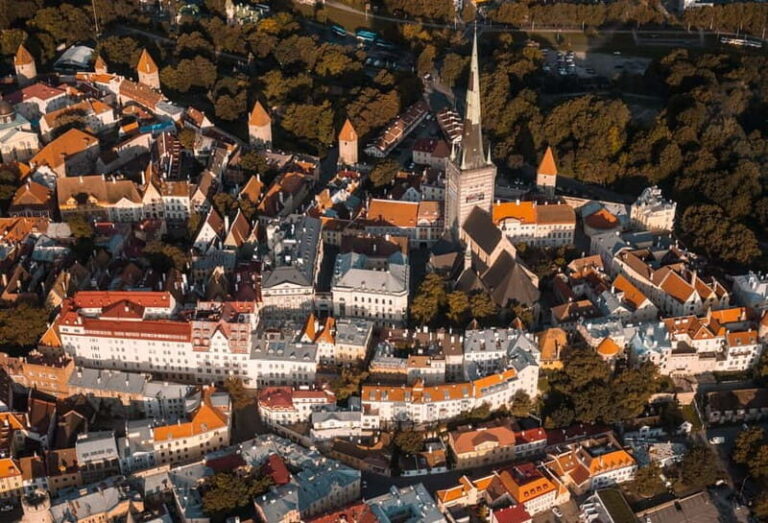
Exploring the Cathedral of the Burgo de Osma: A Detailed Look
When it comes to visiting historic sites in Spain, there’s something special about combining impressive architecture with a sense of spiritual continuity. The Cathedral of the Burgo de Osma offers just that—a chance to walk through a building that has grown and changed over centuries, blending styles from Romanesque to Neoclassical. If you’re curious about exploring a significant religious monument in Castile and León, this site could be worth your time.
What we particularly like about this experience is the opportunity to see interior highlights like the French Gothic style architecture from the late 13th century, and the 17th and 18th-century organs with hundreds of musical combinations. Plus, the chapter house, a surviving piece of the early Romanesque cathedral, and the Gothic tomb of San Pedro de Osma give real insight into the region’s religious art. However, a notable drawback is the mixed quality of the guided experience, as some visitors have reported logistical issues that cut into their visit.
This tour suits anyone with a keen interest in architecture, sacred art, and history. If you enjoy exploring historical religious sites and don’t mind some organizational hiccups, you might find this an enriching stop. Keep in mind, it’s a short, one-day visit—ideal for those wanting a concentrated dose of cultural heritage.
Key Points
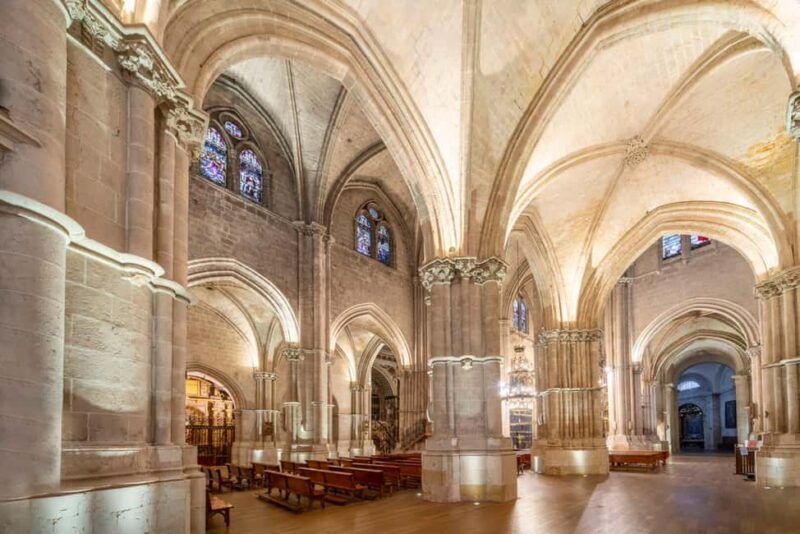
- Architectural variety: The cathedral showcases styles from Romanesque to Neoclassical, making it a visual feast.
- Interior highlights: French Gothic design and historic organs are the main attractions.
- Historical significance: It’s been the episcopal seat of Osma since the 6th century.
- Artistic treasures: The tomb of San Pedro de Osma and the Beatus Codex are notable artifacts.
- Visitor experience: Expect detailed explanations of the interior, though some logistical issues have been noted.
- Location: It’s centrally located in Castile and León, with the ticket office inside the monument.
A Walk Through the Cathedral’s Highlights
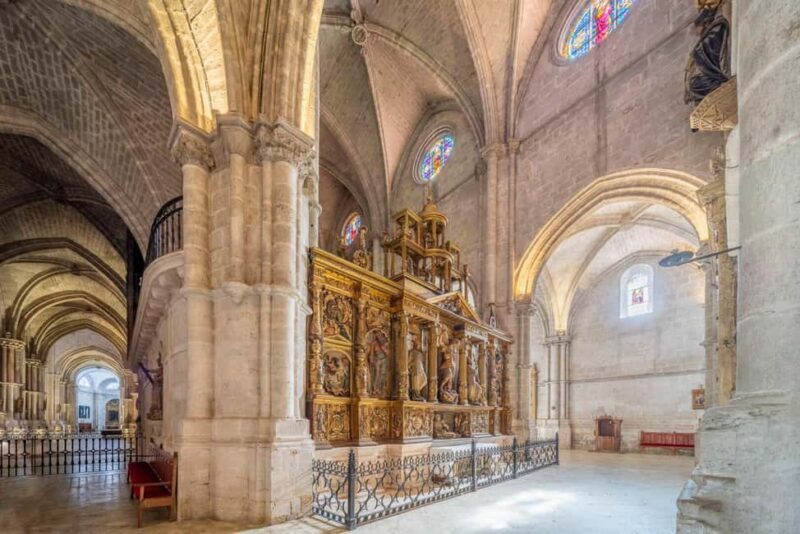
The architecture of the Cathedral of Burgo de Osma is a conversation with the past. You’ll notice the Romanesque elements preserved in some parts like the chapter house, which gives you a tangible sense of the early medieval design. The French Gothic interior is especially striking, with soaring vaults and intricate stonework that are typical of the late 13th century. It’s easy to see why visitors are often impressed by the elegance and verticality of this style—though you’ll need to look closely to appreciate all the details.
One of the best parts of the visit is the organ collection. Built in the 17th and 18th centuries, these organs aren’t just relics—they’re functional with hundreds of musical combinations. This aspect might appeal to music lovers or anyone interested in the acoustic qualities of historic instruments.
The chapter house, a key relic of the early Romanesque cathedral, offers a sense of continuity through the centuries. It’s a smaller space but very representative of the early Christian architectural style. Meanwhile, the Gothic tomb of San Pedro de Osma truly stands out—a polychrome funerary jewel from the 13th century that captures the artistry and religious devotion of the period.
The Beatus Codex, an 11th-century manuscript, is also part of the museum collection inside the cathedral. It’s a rare and valuable piece, giving visitors a glimpse into medieval biblical art. Seeing such works in situ adds to the sense of reverence and historical depth of the experience.
What to Expect on Your Visit
Most visitors will spend about an hour or so exploring the interior architecture and art collections. The ticket office is conveniently located inside the monument, making entry straightforward once you’re there.
However, based on some reviews, it’s wise to prepare for a few organizational hiccups. One visitor recounted that the guide didn’t show up, which led to a frustrating delay—almost an hour lost trying to access the cathedral. This might mean that on some days, the guided experience isn’t as smooth as planned. If you’re eager for detailed explanations, it’s worth confirming the guide’s attendance in advance or considering a self-guided approach, if available.
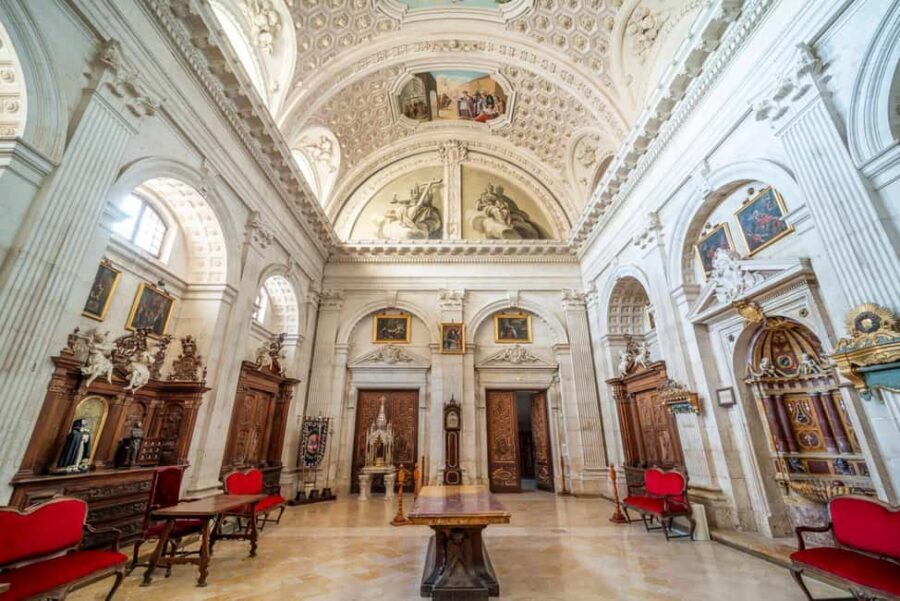
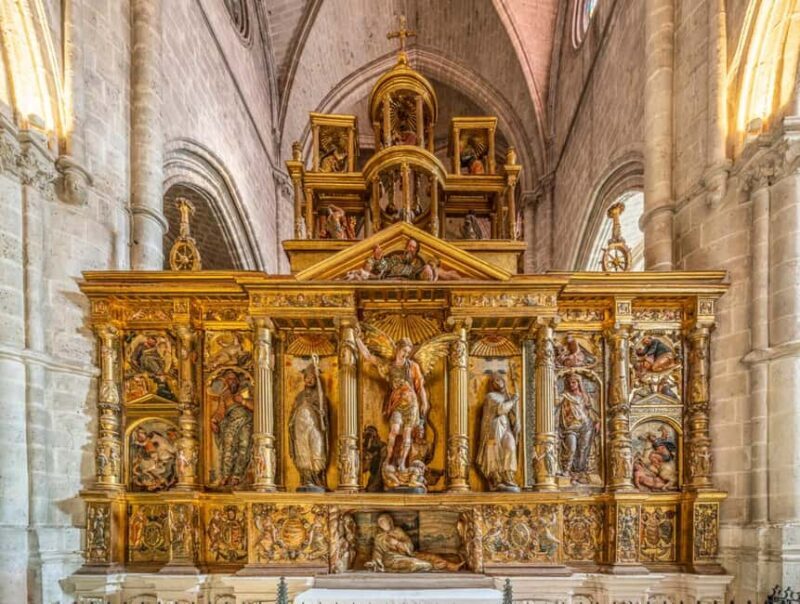
Inside, you can expect to see stunning stained glass windows, polychrome sculptures, and sacred relics that tell stories of the region’s spiritual life. The cloister, dating from the 16th century and designed in late Gothic style, offers a peaceful spot with its delicate stonework and serene atmosphere—perfect for a moment of reflection or a quick photo.
The cathedral’s architecture is a layered story—each style representing a different era and aesthetic preference. This mix might seem eclectic at first glance, but it reflects the building’s long evolution and the shifting religious and artistic tastes over centuries.
Be sure to take your time looking at the Gothic tomb of San Pedro de Osma and the ancient Beatus Codex, as these are among the highlights that give the visit its cultural weight.
The Practical Side: Price, Duration, and Accessibility
This is a one-day activity—generally short enough to fit into a broader itinerary. The entrance fee (not specified here) is likely reasonable, especially considering the access to both the cathedral and its museum collections.
The tour includes free cancellation up to 24 hours in advance, which is a nice touch for flexible planning. You can also reserve now and pay later, making it easier to adapt your schedule if needed.
In terms of group size, it’s typically a small-scale visit—either self-guided or with a guide (though as noted, sometimes guides aren’t available). The location coordinates (41.5856, -3.0704) point directly to the ticket office, so navigation should be straightforward.
Who Will Appreciate This Visit?
This tour is best suited for travelers who have a keen interest in architecture and sacred art. If you enjoy exploring historical churches and religious artifacts, you’ll find plenty to marvel at here. It also appeals to those who appreciate seeing artifacts like the Beatus Codex and Gothic funerary art in context.
However, if you’re expecting a perfectly organized guided tour with flawless logistics, you might find some disappointments—be prepared for potential delays or confusion, especially if the guide doesn’t show up as scheduled. It’s a good idea to verify the guide’s presence or consider a self-guided visit for a smoother experience.
This visit’s concentrated duration makes it ideal for a day trip—perfect if you plan to explore more of Castile and León afterward. It’s not overly strenuous, but be prepared for some walking and standing inside the cathedral.
More Great Tours NearbyFinal Thoughts
Visiting the Cathedral of Burgo de Osma offers a meaningful glimpse into Spain’s religious and artistic past. The mix of architectural styles and sacred relics encapsulates centuries of history in a single building, making it a meaningful stop for history buffs and art lovers alike. The highlights—such as the Gothic tomb of San Pedro de Osma and the Beatus Codex—are genuinely impressive, adding depth and richness to your visit.
That said, organizational issues like the missing guide can be frustrating. If you’re a patient traveler who appreciates art and architecture and is okay with some unpredictability, this could be a highlight of your trip. For those with limited time or high organizational expectations, it’s worth confirming details beforehand or preparing for a slightly less polished experience.
This is a visit that rewards curiosity and a love for history. It’s not a tour for those wanting a slick, guided experience, but it remains an authentic opportunity to connect with a piece of Spain’s spiritual and cultural fabric.
Entrance to the Cathedral of the Burgo de Osma
FAQ
Is the entrance fee included in the tour?
The provided information doesn’t specify the exact price, but typically, tickets include access to the cathedral and its museum collections. The fee is usually reasonable for such a historic place.
How long does the visit last?
It’s generally a short, one-day visit. Expect to spend around an hour exploring the interior and exhibits, though this depends on your pace and interest level.
Can I visit the cathedral on my own or do I need a guide?
You can visit independently since the ticket office is inside the monument, but guided explanations significantly enhance the experience. Be aware that some reviews mention logistical issues with guides, so check in advance if guides will be available.
What highlights should I look out for inside?
Don’t miss the Gothic tomb of San Pedro de Osma, the Beatus Codex, the original Romanesque chapter house, and the imposing Gothic-style interior. The organs are also quite noteworthy.
Is the location easy to find?
Yes, the coordinates given (41.5856, -3.0704) point directly to the ticket office, making navigation straightforward.
Is this experience suitable for children?
While not explicitly mentioned, it’s generally a quiet, contemplative environment better suited for older children and adults interested in history and art.
Are there any accessibility considerations?
The description doesn’t specify, but expect some uneven surfaces inside the cathedral—usual for historic stone buildings.
Can I cancel or reschedule my booking?
Yes, you can cancel up to 24 hours in advance for a full refund, offering flexibility if your plans change.
Would I recommend this tour?
If you’re passionate about architecture, sacred art, and medieval relics, yes. Just be prepared for potential organizational hiccups, and consider whether you prefer guided explanations or self-guided exploration.
Hopefully, this detailed look helps you decide if the Cathedral of Burgo de Osma fits into your travel plans. It’s a site that offers a true taste of history mixed with some organizational quirks, but overall, it’s a worthwhile stop for anyone interested in Spain’s spiritual and artistic legacy.
You can check availability for your dates here: