If you’re looking for a tour that combines science, history, and a touch of the unusual, the exclusive visit to the Astronomical Observatory of Gaia might just be worth considering. This experience offers a rare chance to see a building with a roof that opens directly to the sky, designed to showcase some seriously intriguing astronomical instruments.
While it might not be the most bustling activity in Portugal, it’s perfect for anyone who loves a bit of quiet curiosity or wants to understand how we’ve historically measured time.
What really stands out about this tour is the passionate guides, mostly physics students, who make the experience engaging and accessible. Plus, the building itself, with its semi-cylindrical shape and sliding roof, is a sight to see—it’s not every day you encounter a structure that’s both functional and visually distinctive.
On the flip side, if you’re hoping for a full evening under the stars or wish to see the instruments in action during nighttime observations, this tour may feel a bit limited—mainly because it’s all conducted during the day, with no actual star-gazing involved. Still, it’s a great fit for those interested in the history of timekeeping, astronomy, or simply looking for an educational experience with a local twist.
This tour is especially suited for travelers who enjoy learning about science and history in small, intimate settings. Families with kids over 12 who are curious about astronomy will find it hits the right notes, but those expecting a starry night or hands-on telescope viewing might need to temper expectations.
Key Points
 1 / 5
1 / 5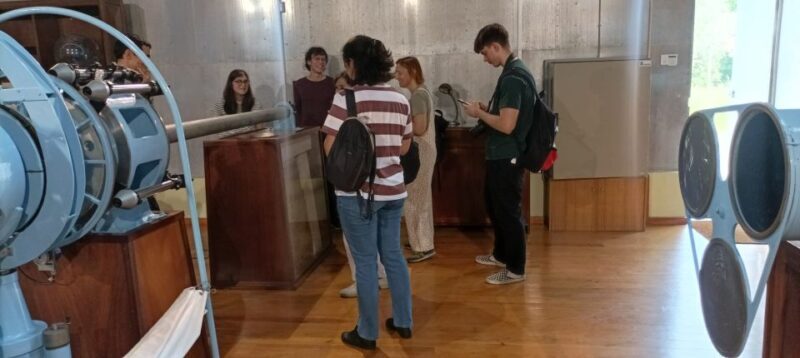 2 / 5
2 / 5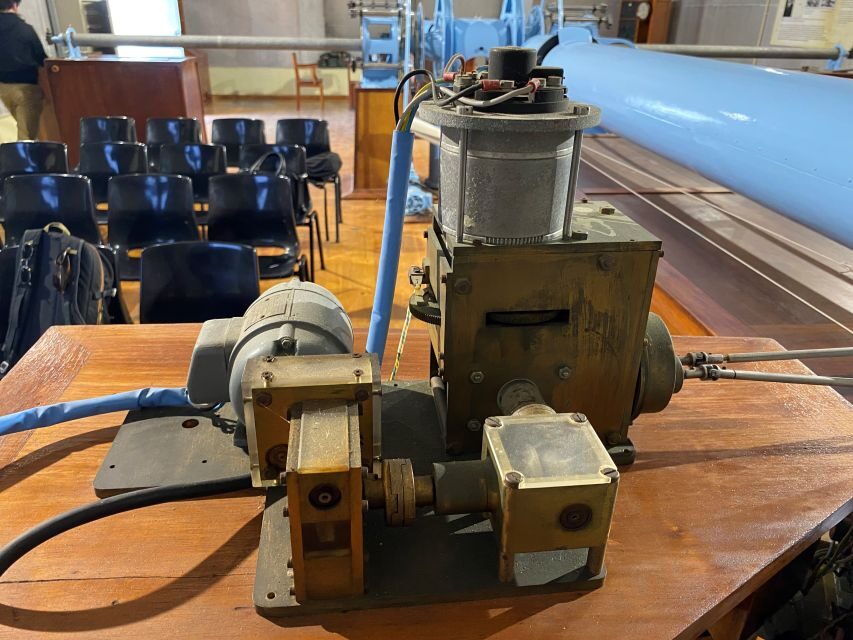 3 / 5
3 / 5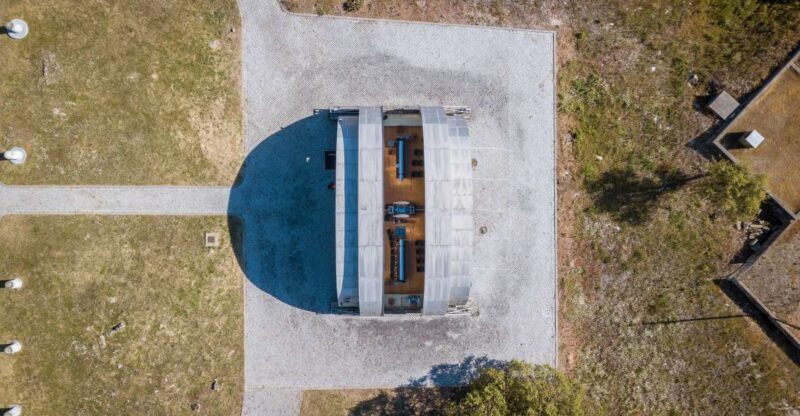 4 / 5
4 / 5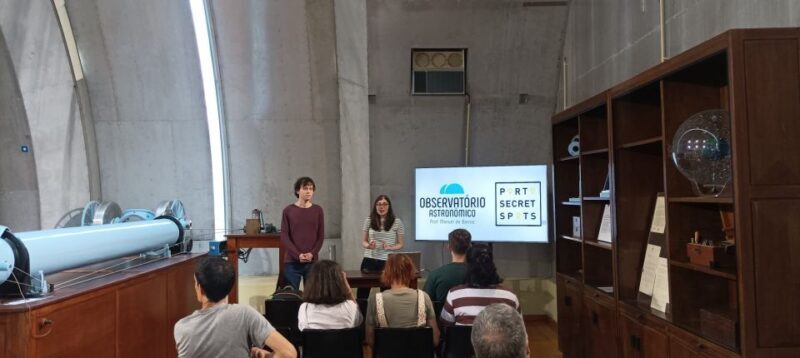 5 / 5
5 / 5- Unique Building: The observatory’s semi-cylindrical roof that slides open makes it a standout architectural piece.
- Focused Experience: A one-hour guided tour that emphasizes the history of time measurement and astronomical instruments.
- Expert Guides: Guides are enthusiastic physics students, making explanations clear and engaging.
- Limited Observing: No nighttime star-gazing or telescope use during the visit, which some travelers noted as a small disappointment.
- Value for Money: At just $17, this is an affordable, educational experience with a lot of personality.
- Ideal Audience: Best suited for those interested in astronomy, history, or unique architecture, and for travelers over 12.

👉 See our pick of the The Top 5 Vila Nova De Gaia Workshops & Classes
A Deep Dive into the Gaia Observatory Tour
When you first arrive at the Gaia Observatory, located at the top of Monte da Virgem in Gaia, Portugal, you’ll notice how discreet it is. It’s not a flashy tourist spot, but rather a quiet hub of scientific curiosity. The building itself is a curiosity—curved, semi-cylindrical, with a roof that slides open to the sky. This architectural feature isn’t just for show; it’s functional, designed for astronomers to observe the stars with precision.
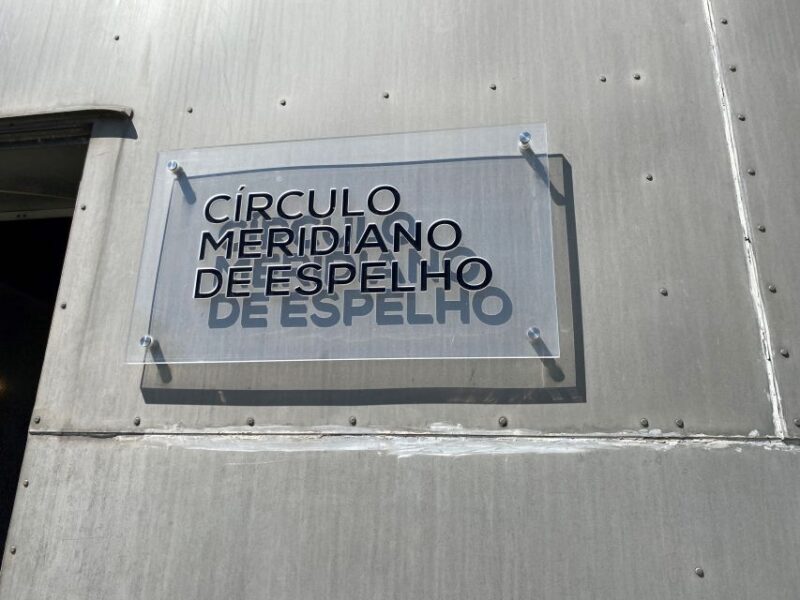
The main highlight is the Mirror Meridian Circle, an instrument created in 1948 to support astronomy studies. Only three of these exist in the world, making this a rare glimpse into a piece of scientific history. The instrument’s purpose was to observe the passage of stars through the local meridian—a technique that helped define time and navigation for decades. Today, it serves more as a historical artifact, but knowing that you’re in a place built explicitly to measure time adds a layer of depth to the visit.
The guided tour lasts about 30 minutes but feels like a good snapshot of the observatory’s story and instruments. The guides, mostly physics students, share their passion and knowledge freely, making complex concepts accessible. They’re genuinely enthusiastic, which makes the experience engaging rather than dry. Several reviewers have mentioned this passion, with one saying, “The passion with which our guide expressed himself during the visit was truly infectious.”
The tour also touches on the evolution of timekeeping and astronomy—subjects that are inherently fascinating once you realize how much our daily lives depend on precise measurements of time. While the equipment might look old-fashioned, its design and purpose continue to inspire awe. As one reviewer lamented, “Pena o equipamento não estar disponível para fazer observações noturnas,” meaning they wish the equipment had been used for night observations. Unfortunately, the tour doesn’t include actual star-gazing or telescope use, which might disappoint star enthusiasts expecting a more interactive experience.
The building’s architecture and the mechanisms inside are the main stars here. You’ll learn how these instruments helped humanity understand and measure time more accurately. The history around it, created just after World War II, reminds us of how much effort went into scientific precision before digital clocks and GPS.
One major value for visitors is the price—$17 per person. When you consider the rarity of the instruments, the expert guides, and the interesting architecture, it’s an affordable window into scientific history. However, since the tour is only about an hour, it’s best suited for those with a specific interest in astronomy, history, or engineering. It’s not a full-blown star-gazing experience but rather an educational peek that’s perfect for curious minds.
In terms of logistics, the tour is straightforward: a short walk from the starting point, then a guided exploration, followed by a brief return walk. The entire experience is in English, which is helpful for international travelers. It’s worth noting that children under 12 aren’t suitable for this tour, possibly due to the technical nature of the content and the quiet, contemplative setting.
From reviews, we gather that some visitors wish for more interactive elements like actual observation sessions, especially during clear nights. Still, most appreciate the chance to see and learn about the mechanisms that have helped us keep track of time over decades.
You can also read our reviews of more tours and experiences in Vila Nova De Gaia.



Who Should Consider This Tour?
If you’re a science enthusiast, a history buff, or simply curious about how humans have historically told time, this is a solid choice. It’s especially good if you’re traveling with older children or teenagers who can appreciate technical explanations. The quiet, contemplative environment makes it a nice break from bustling city explorations.
However, if you’re hoping for a lively, hands-on experience or a night under the stars, you might find this tour a bit limiting. It’s more about appreciating the ingenuity behind the instruments rather than actually using them in their prime.
Final Thoughts
This tour offers a rare glimpse into a piece of scientific history that’s not often open to the public. It’s a smooth, educational experience with a personal touch, thanks to passionate guides and a distinctive building. For just $17, you gain insights into how our ancestors measured time and learned about the cosmos—an invaluable perspective for anyone interested in the science and history behind our daily routines.
It’s best suited for curious travelers who value learning and quiet contemplation over entertainment. If you’re in Gaia or nearby and have an hour to spare, this is a little corner of history that won’t disappoint.
Exclusive visit to the Astronomical Observatory of Gaia
FAQs
Is this tour suitable for children?
Children under 12 years old are not recommended, likely due to the technical nature and quiet atmosphere of the visit.
Do I get to use the telescopes?
No, the tour is primarily a guided look at the building and instruments. There’s no nighttime observation or telescope use during the visit.
How long is the tour?
The entire visit lasts about 60 minutes, including walking and guided explanation.
What language is the tour in?
The tour is conducted in English, making it accessible to most international visitors.
Is there a chance to observe stars during the tour?
Not during this visit; it’s a daytime tour focused on the building and its history. Some reviews expressed disappointment over the lack of night observations.
What is the price?
The tour costs $17 per person, which is quite reasonable given the rarity of the instruments and the educational content offered.
Can I cancel the tour?
Yes, you can cancel up to 24 hours in advance for a full refund.
Are photos allowed?
Flash photography and video recording are not permitted, so be prepared to take notes or photos without flash.
Would this experience suit someone interested in astronomy?
Absolutely, especially if you enjoy understanding the history and mechanics behind how we measure time and stars. It’s more educational than experiential but very worthwhile for science lovers.
If you’re curious about a piece of scientific history, like understanding how we’ve kept track of time through the ages, this tour of Gaia’s observatory offers a peaceful, insightful hour away from the crowds. It’s a quiet, thoughtful experience—one that might leave you appreciating the quiet ingenuity behind our daily routines.
You can check availability for your dates here: