
Discovering Amsterdam’s WWII Past on a Bike
If you’re looking for a way to explore Amsterdam that combines history, storytelling, and a bit of exercise, the Amsterdam in World War Two Cycle Tour might just be what you need. While I haven’t personally taken this tour, the glowing reviews and detailed itinerary paint a picture of an engaging experience. It’s clear this isn’t your typical sightseeing ride — it’s a deep dive into the city’s wartime past, hosted by passionate retired historians who know their stuff.
What really stands out are a couple of things. First, the expert guides—three retired historians—bring a level of knowledge that elevates the experience beyond just seeing old buildings. Second, the storytelling is quite captivating, with the tour showcasing photos, stories, and historical context that make the past feel alive. On the flip side, one thing to consider is the length and intensity—at around 2.5 to 3 hours, it’s a good workout and might be a bit taxing if you’re not used to biking or if the weather isn’t cooperating. Still, it’s ideal for history buffs or those wanting a meaningful, off-the-beaten-path look at Amsterdam.
This tour suits those who enjoy learning about history in an active way, and it’s especially good for visitors who appreciate guided storytelling that goes beyond just the surface. If you’re interested in WWII, Jewish history, or urban stories of resistance and occupation, this bike ride will resonate deeply. It’s not recommended for anyone looking for a casual, relaxed ride, but if you’re curious to see a different side of Amsterdam, this one’s worth considering.
Key Points
- In-depth historical narration from passionate retired guides
- Visits to significant WWII sites like Anne Frank’s home and German bunkers
- Visually compelling with before-and-after photos and stories
- Small group setting (max 6 travelers) for a more personal experience
- Accessible for most travelers, with a mobile ticket and moderate duration
- A mix of outdoor activity and storytelling that appeals to history enthusiasts
A Closer Look at the Tour Experience
Enjoy cycling? We've looked into these other two-wheeled adventures in Amsterdam
Starting Point and First Impressions
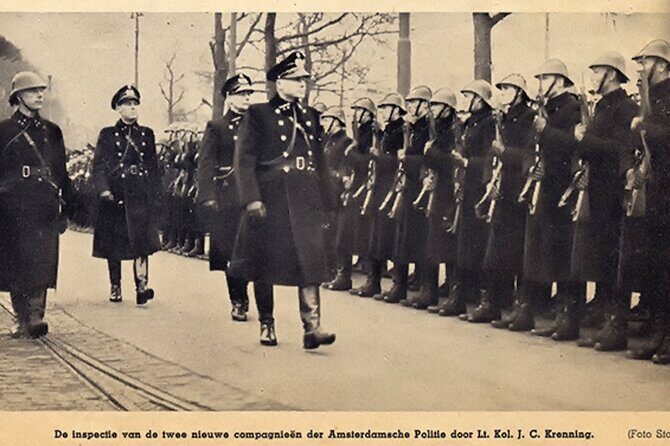
The tour kicks off at Victorieplein, historically known as Daniël Willinkplein, an area with a poignant WWII history. Here, you’ll gain context about one of the major Nazi raids in 1943, where Jewish citizens were arrested en masse during what was called the Judenaktion. The guides do a great job of setting the scene, explaining how the Nazis collaborated with Dutch police and volunteers from the NSB (the Dutch National Socialist Movement) to carry out these dark acts.
You’ll appreciate the way the guides bring history to life, describing the events that took place with a mix of photographs and stories. It’s a powerful start that sets the tone for the rest of the ride.
The Frank Family and the Secret Annex
Next, the tour visits Merwedeplein 37-II, the house where Otto Frank and his family hid in the Secret Annex during the war. A statue commemorating Anne Frank makes this stop especially moving. The guides share tales about Otto Frank’s role and the significance of the diary that was first bought at a nearby bookstore—still in operation today. This personal connection adds a touching element to the ride, making history more tangible.
Sites of Resistance and German Occupation
The route takes you past various key locations: the Tilex Bar (where Lex van Weren survived Auschwitz by playing his trumpet at executions), the PBA barracks, and sites where resistance fighters operated or were executed. The guides clearly have a passion for sharing these stories, and the reviews back this up. One reviewer mentioned that Rudy, the guide, “brought to life some pivotal moments of the war,” which many found profoundly moving.
The tour also explores Museumplein, where the Germans set up a militarized stronghold, transforming what is today a peaceful square into a hub of occupation activity. You’ll see the former Nazi offices, the Jewish Emigration Office, and the Nazi party headquarters—buildings now serving new purposes but with a dark history. Walking past these sites, you’ll get a real sense of the scale and nature of the German occupation.
Resistance and Retaliation
Another compelling part of the tour covers resistance activities—notably Gerrit van der Veen’s leadership and the efforts of resistance groups to disrupt Nazi operations by targeting their offices. A secret RAF attack on these buildings in 1944 is also highlighted, emphasizing the dangerous and clandestine nature of resistance activities.
- Anne Frank Guided Walking Tour through Amsterdam’s Jewish Quarter
- Amsterdam: Canal Booze Cruise with Unlimited Drinks Option
- Amsterdam: Luxury Canal Cruise with Unlimited Drinks Option
- Amsterdam Canal Cruise in Open Boat with Unlimited Drinks Option
- Absolutely Amsterdam – the Essential Introductory Walking Tour
- Amsterdam Small-Group Canal Cruise Including Snacks and Drinks
Memorials and Commemorations
Throughout the ride, you’ll pass various monuments—like the memorial for Jews taken from the neighborhood or the last-day shootings. The guides explain the significance of each site, providing historical context that enhances the experience.
The Final Stops and End of Tour
The last few stops include the Queen Emma statue on Emmalaan, where residents showed defiance by placing flowers during the occupation, and the site of resistance-related shootings from the last days of the war. The tour concludes in Leidseplein, where you started, giving you a full circle experience.
What We Loved and What to Keep in Mind
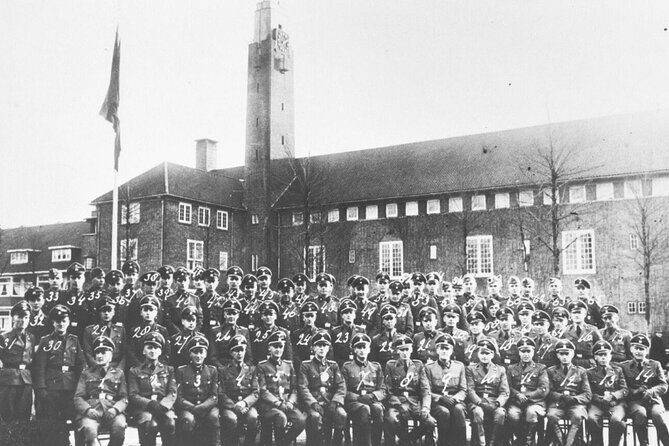
The guides—Rudy and Peter—are clearly passionate and knowledgeable, making the tour engaging and easy to follow. Their storytelling is backed by actual photos and historical details, which make the past feel immediate.
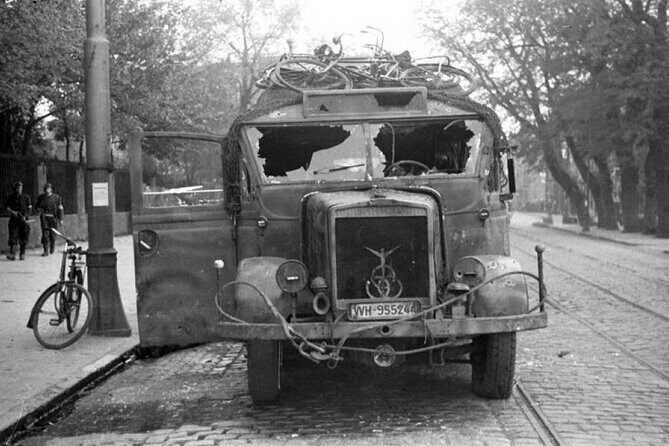
The sites visited are thoughtfully chosen to show both the tragic and resilient sides of Amsterdam during WWII. Seeing the remains of German bunkers and the sites of resistance activity adds depth and context that you won’t get from a standard city tour.
The value for the price of around $64 is high, considering the personalized experience, expert guides, and unique insights. The tour is small, so you won’t be lost in a crowd, and the bike makes it easy to cover a broad area efficiently.
On the downside, the duration and physicality may be a consideration. It lasts about 2.5 to 3 hours on a bike, which can be tiring, especially if you’re not used to cycling or if the weather turns bad. Remember to bring water and dress appropriately for outdoor activity.
Who Would Enjoy This Tour?
This isn’t a casual sightseeing ride. It’s best suited for history enthusiasts, students of WWII, or anyone interested in seeing the city through the lens of its wartime experiences. If you enjoy guided stories with a personal touch and don’t mind cycling, you’ll find this tour engaging and meaningful.
It’s also a great choice for travelers looking for something different from the usual Amsterdam attractions—something that provides historical context and a deeper understanding of the city’s past. If you’re traveling with others interested in WWII or Jewish history, this tour offers a compelling shared experience.
Frequently Asked Questions (FAQs)
Is this tour suitable for all ages?
While the tour is generally accessible for most travelers, it involves cycling for around 2.5 to 3 hours. It’s best for those comfortable on a bike and in good health. Children who can handle cycling and are interested in history might enjoy it, but it’s not specifically tailored for very young kids.
Do I need to bring my own bike?
No, the tour provides the bike. You’ll need to bring your own helmet if you prefer, but bikes are included in the price.
What is the maximum group size?
The tour limits groups to a maximum of 6 travelers, which helps keep the experience personalized and engaging.
Can I cancel if I change my mind?
Yes, there’s free cancellation up to 24 hours in advance, allowing flexibility if your plans change.
Is there any special gear or clothing recommended?
Given the outdoor nature of the tour, wear comfortable clothes suitable for biking and weather conditions. Bring water, and consider layers if it’s a chilly day.
What’s the best way to get to the starting point?
The tour begins at Tesselschadestraat 1, in Amsterdam. It’s a central location, and you can plan your route accordingly. Check local maps or transport options for convenience.
Amsterdam in World War Two Cycle Tour
“Huge thank you to Rudy for the fabulous WWII history tour. Bring your bike and be ready for a journey into the past, exploring neighborhoods that a…”
Final Thoughts
All in all, the Amsterdam in World War Two Cycle Tour offers a rare glimpse into the city’s wartime history through the eyes of passionate guides. It’s more than just a bike ride; it’s a storytelling journey that connects you with some of Amsterdam’s most poignant moments during WWII. The small group size and expert narration make it a memorable experience, especially if you’re eager to learn about the city’s resilience and struggles during a dark chapter.
If you’re a history buff or simply curious about how Amsterdam navigated wartime, this tour provides a meaningful way to explore. It’s best suited for those comfortable on a bike and ready for a couple of hours of outdoor learning. For anyone looking for a different perspective on Amsterdam, it’s a highly recommended addition to your trip.
Note: Always check recent reviews and confirm current availability or any updates before booking, as details might shift over time.
More Cycling Tours in Amsterdam
More Tours in Amsterdam
- From Amsterdam: Bruges Day Tour in Spanish or English
- From Amsterdam: Private Sightseeing Tour to Bruges
- 10-Day LGBTQIA Europe Tour: Amsterdam, Berlin and Prague
- From Amsterdam: Private Sightseeing Tour to Bruges
- From Amsterdam: Cologne in Germany Day Tour Small Group
- From Amsterdam: Private Sightseeing Tour to Brussels
More Tour Reviews in Amsterdam
- From Amsterdam: Day Trip to Bruges in Spanish or English
- From Amsterdam: Bruges Day Tour in Spanish or English
- From Amsterdam: Private Sightseeing Tour to Bruges
- 10-Day LGBTQIA Europe Tour: Amsterdam, Berlin and Prague
- From Amsterdam: Private Sightseeing Tour to Bruges
- Amsterdam: Brussels & Bruges w/ Optional Chocolate Tasting
More Amsterdam experiences we've covered
- 15 Of The Best Workshops & Classes In Amsterdam
- The Top 10 Amsterdam Wine Tours
- Discover 15 Great Walking Tours In Amsterdam
- From Amsterdam: Day Trip to Bruges in Spanish or English
- From Amsterdam: Bruges Day Tour in Spanish or English
- From Amsterdam: Private Sightseeing Tour to Bruges
- 10-Day LGBTQIA Europe Tour: Amsterdam, Berlin and Prague
- From Amsterdam: Private Sightseeing Tour to Bruges
- The 10 Best Shopping & Market Tours In Amsterdam
- Amsterdam’s 15 Top Private Driver Services
- We Rank The 15 Best Photography Experiences In Amsterdam
- Amsterdam: Brussels & Bruges w/ Optional Chocolate Tasting