
If you’re planning a trip to Krakow and want to go beyond the usual sights, visiting the Ethnographic Museum can be a genuine eye-opener. This experience offers a chance to see Polish folk culture through a vast collection of artifacts, giving you a taste of local traditions and artistry.
While it might not be the flashiest attraction in town, it’s a thoughtfully curated space that appeals to those interested in history, culture, and craftsmanship.
We especially like how the museum is spread across two different buildings, including Esterka’s House, which feels like stepping into a lived-in piece of history. The collection of around 80,000 exhibits offers a comprehensive glimpse into late 19th and early 20th-century rural life.
One notable highlight is how the exhibits reflect the artists’ fascination with folklore, seen as a way to revive cultural identity during a period of national stagnation.
A potential drawback, however, is that without guided tours or explanations in your native language, some visitors might find it challenging to connect fully with the displays.
This tour is best suited for history buffs, culture enthusiasts, or anyone curious about Polish traditions. It’s particularly valuable if you’re eager to understand the roots of Krakow’s local customs or want a quieter, more contemplative experience away from the crowds.
Key Points
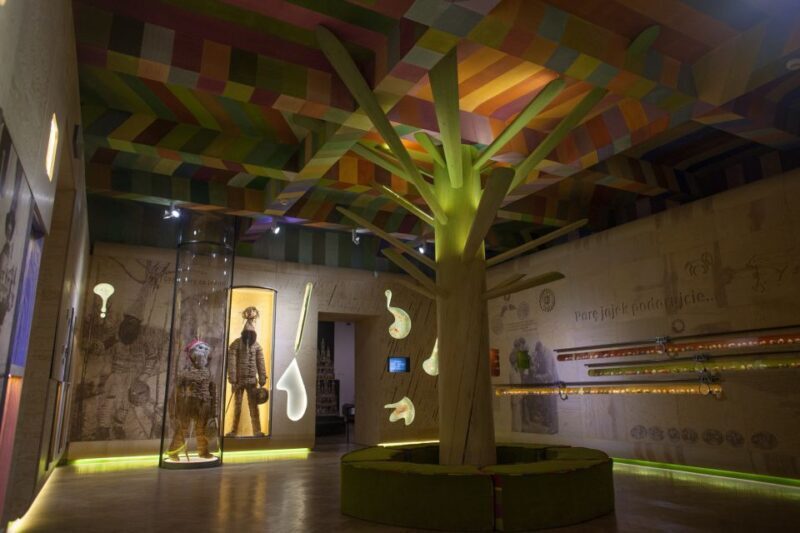

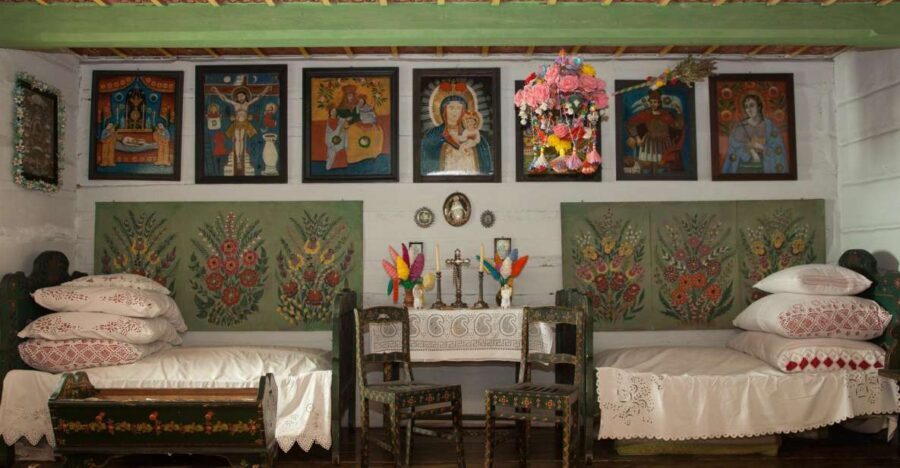

- Extensive collection: Over 80,000 artifacts from the late 19th and early 20th centuries.
- Two distinct spaces: The main exhibition in the town hall and Esterka’s House with temporary displays.
- Cultural focus: Highlights the revival of folklore as a response to cultural stagnation.
- Accessible and flexible: Skip-the-line entry, wheelchair access, and full refunds if you cancel 24 hours in advance.
- Authentic experience: Offers a unique look into Polish peasant traditions and craftsmanship.
- Ideal for quiet exploration: Perfect for those wanting to learn beyond typical tourist spots.
A Deep Dive into the Experience
When considering a visit to the Krakow Ethnographic Museum, it’s helpful to understand what makes it stand out. First off, the collection size is impressive. With around 80,000 exhibits, the museum has enough to fill a day for the curious and the dedicated. These artifacts, most dating from the turn of the 19th to 20th centuries, encompass everything from traditional costumes and textiles to tools, religious items, and household objects.
The museum’s two buildings each offer their own flavor. The primary display in the town hall is a detailed showcase of Polish folk culture. Here, you can expect well-curated exhibits that tell stories about rural life, art, and community customs. The displays are designed to give a sense of everyday life in old Poland—something that we found quite fascinating. The focus on folklore revival is particularly interesting because it shows how Polish artists and craftsmen saw their cultural heritage as a vital part of national identity during a period of political uncertainty.
The second location, Esterka’s House, is a more intimate space. Its vaulted basement displays temporary exhibitions, which means you might find something different on each visit. From what we read in reviews, visitors enjoy its character and the opportunity to see peasant culture preserved in a cozy setting. It is described as a “shelter” for this heritage, which feels quite apt—it’s a quiet space where traditions are kept alive.
One aspect many visitors appreciate is how well the museum is organized. Getting in is straightforward thanks to skip-the-line tickets, and the accessibility features, like wheelchair access, make it easier for a wider range of visitors to enjoy the exhibits. The cancellation policy is flexible, which adds a bit of peace of mind when planning your trip.
What You’ll See and Experience
Walking through the exhibits, you’ll notice that the artifacts are not just old objects—they tell stories. For example, traditional costumes are displayed with care, showcasing the intricate embroidery and bright colors typical of Polish regional dress. Textile and craft displays reveal the artistry involved in folk traditions, while tools and household items give insight into daily peasant life. It’s like briefly stepping into a different world—one where community rituals, crafts, and customs helped shape Polish identity.
The exhibits also reflect the artists’ interest in folklore, which they considered an antidote to cultural crisis. This historical context adds depth to your visit, helping you appreciate why these artifacts are preserved and celebrated. The museum’s focus on the revival of folklore connects the past to the present, reminding visitors that traditions are living, breathing parts of cultural identity.
In terms of the actual visit, you can expect to spend about an hour or two wandering through the displays, especially if you pause to read the descriptions. For those who enjoy detailed museum visits, the extensive collection ensures there’s plenty to discover.
The Reviews and Real Opinions
The overall rating of 4.6 out of 5 from nine reviews indicates a generally positive consensus, though some comments highlight areas for improvement. For example, one visitor from Poland praised the organization and multi-floor layout, calling it “very well organized,” and appreciated the discovery of art in the last section. Another from Italy enjoyed the overall beauty and interesting exhibits but noted the absence of guided tours in Italian, which could help non-Polish speakers better understand the context.
A less favorable review pointed out that without guides or explanations in your native language, some might find it difficult to connect fully with the exhibits. This is worth considering if you’re not comfortable with English or Polish explanations. Still, the sheer volume of artifacts and the authenticity of the displays make it a worthwhile stop anyway.
Practical Tips for Visiting
- Timing: Check opening hours and plan for about 1-2 hours to explore thoroughly.
- Tickets: Booking in advance allows you to skip the lines and ensures entry, especially during peak tourist seasons.
- Accessibility: The museum is wheelchair accessible, which is great for visitors with mobility needs.
- Language: Be aware that explanations might primarily be in Polish or English, so a guide could enhance your understanding.
- Location: Situated in Lesser Poland, the museum is easy to include as part of a broader Krakow itinerary.
The Sum Up
The Krakow Ethnographic Museum offers a rewarding look into Polish peasant culture and folk traditions, with a large and diverse collection that appeals to culturally curious travelers. It’s a quiet, contemplative space that provides valuable insights into the roots of Krakow’s traditions. Whether you’re a history buff, an art lover, or simply seeking a less crowded experience, this museum provides a meaningful journey into Poland’s past.
While it might not be a high-energy attraction, it compensates with its depth and authenticity. The two buildings, especially Esterka’s House, add variety and intimacy, making your visit more personal. It’s particularly suited for those who enjoy detailed, well-organized exhibits and are interested in understanding the cultural fabric of Krakow beyond its main squares and castles.
If you’re looking for a genuine connection with Polish heritage or a peaceful way to spend part of your day, this experience is definitely worth considering. Just keep in mind the language limitations and plan accordingly—adding a guide or audio guide could make your visit even more enriching.
Krakow: Ethnographic Museum Entry Ticket
FAQ
Is there a guided tour available for this museum?
The tour is primarily an entry ticket, and while it offers skip-the-line access, there’s no mention of guided tours included. However, some visitors might choose to hire a guide or use audio guides for better understanding.
Can I cancel my ticket and get a refund?
Yes, you can cancel up to 24 hours in advance for a full refund, making it a flexible option if your plans change.
Is the museum suitable for people with mobility issues?
Yes, the museum is wheelchair accessible, which helps accommodate visitors with mobility needs.
How long does a typical visit take?
Most visitors spend about 1 to 2 hours exploring the exhibits, but this can vary based on your pace and interest level.
Are there exhibits in multiple languages?
The details suggest that explanations may mainly be in Polish and English. Other languages might not be available, so consider bringing a guide or using your phone for assistance.
What are the main highlights of the museum?
Expect to see a vast collection of folk artifacts, traditional costumes, tools, textiles, religious items, and temporary exhibitions at Esterka’s House.
Is this experience family-friendly?
While it’s not specifically designed for children, older kids interested in culture and history may find it engaging. There’s no specific mention of family-oriented activities.
How accessible is the location?
Located in Lesser Poland, the museum is easy to reach and offers facilities for visitors with mobility needs.
What’s the price point like?
While the exact cost isn’t specified, considering the size of the collection and the uniqueness of the exhibits, it offers good value for those interested in cultural history. The flexible booking options also make it easier to fit into your itinerary.
If you’re keen to get a glimpse of Polish folk traditions in a thoughtful, well-organized setting, the Ethnographic Museum in Krakow is a solid choice. It won’t have the buzz of Krakow’s more famous landmarks, but it offers a meaningful and authentic perspective on the country’s rural past and artistic revival.
You can check availability for your dates here: