If you’re looking for a travel experience that offers a genuine glimpse into Spain’s commercial history, this guided visit to Medina del Campo’s Museo de las Ferias and the Simón Ruiz Archive might just surprise you. It’s not your typical museum tour—here, you’re walking through the corridors of 16th-century trade, banking, and commerce, with plenty of original artifacts and documents to bring the past vividly into focus.
What we really appreciate about this experience is its unique focus. It’s the only museum in Spain dedicated specifically to 16th-century commerce, which makes it a rare treat for history buffs or anyone curious about medieval and early modern trade networks. Plus, the guided tours, led by museum staff, provide insights that are hard to get just wandering on your own. One of the highlights is the Simón Ruiz Archive, a UNESCO “Memory of the World,” packed with original works, documents, and art that paint a picture of the financial and commercial world of the era.
That said, a potential consideration is the group size and language. Tours are conducted in Spanish, so unless you’re fluent or bring along a translator, some of the nuanced history could slip past you. The guided visits are also limited to certain group sizes—groups of 10 for general tours and at least 5 for the archive or art collection—which might affect flexibility or availability depending on when you visit.
This experience suits travelers who appreciate historical depth and are comfortable with a focused, educational tour. It’s especially appealing if you’re interested in economics, history, or art from the 16th century. If you’re traveling with children or prefer more interactive or dynamic activities, it might feel a bit static, but for most history lovers, this is a solid, affordable choice.
Key Points
- Unique Focus: The only museum in Spain dedicated to 16th-century commerce.
- UNESCO Archive: Home to the Simón Ruiz Archive, a significant historical and cultural resource.
- Expert Guides: Guided visits provided by museum staff enhance the experience.
- Affordable Price: Entry costs just $6, making it accessible for most travelers.
- Multiple Tour Options: Choose from general guided tours, archive visits, or art collections.
- Limited Accessibility for Solo Visitors: Guided tours require small groups, so plan accordingly.
A Closer Look at the Experience
The Location and Building
The museum is housed in the old church of San Martín, a Renaissance structure over 500 years old. Walking into the building, you’re greeted with architecture that hints at its historical significance. The space itself is a part of the story—its historic walls and vaulted ceilings add a sense of authenticity that modern museums often lack.
The Guided Tour
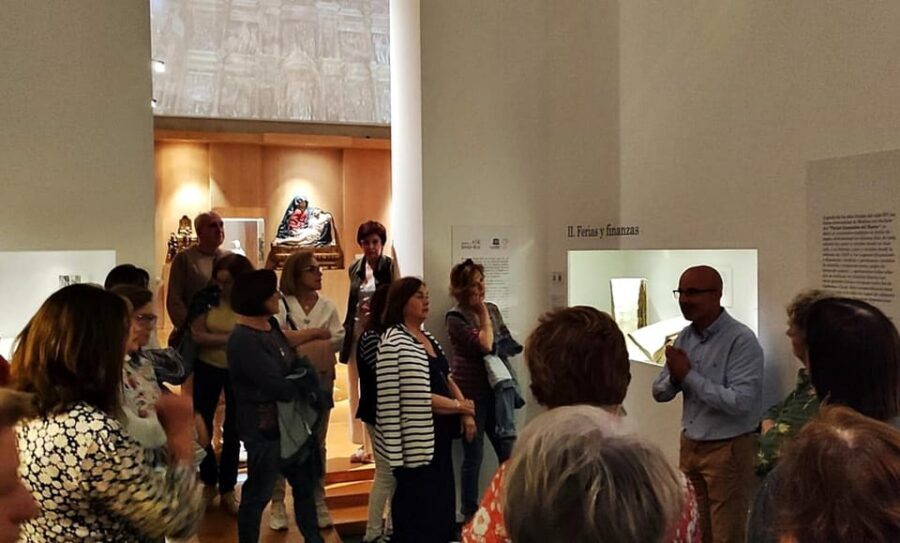
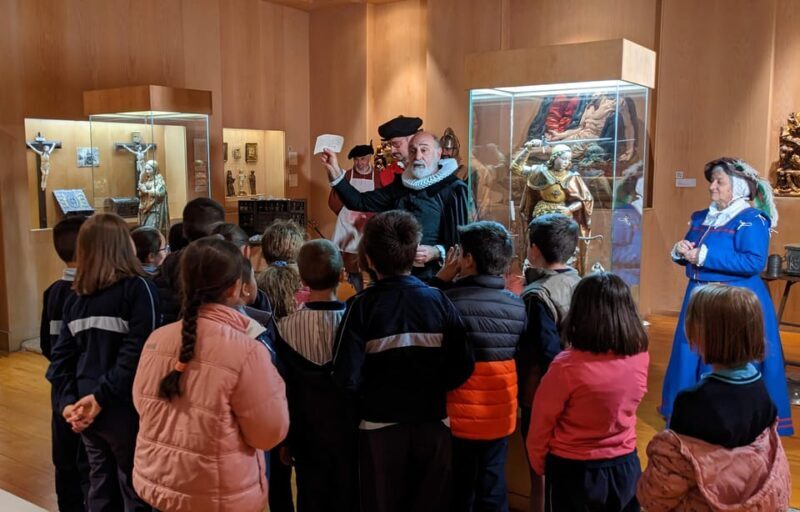
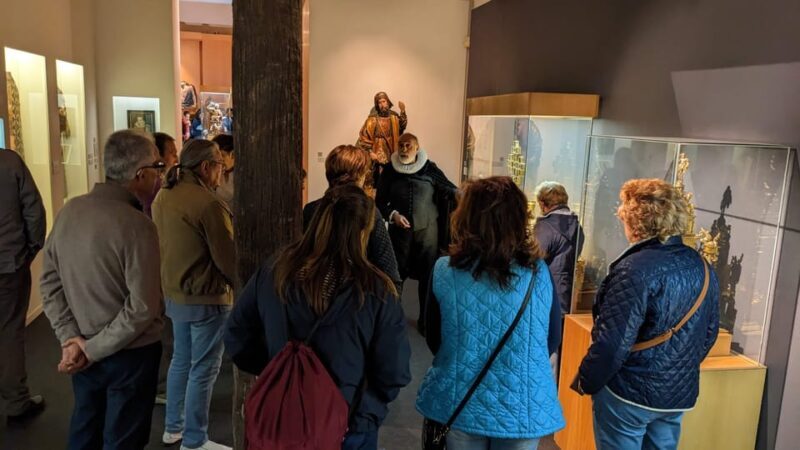
The guided visit lasts around 40 minutes and is conducted in Spanish, with a translator permitted if needed. The guides are technical staff who bring a professional yet approachable tone, making the complex topics of medieval commerce understandable. Expect to learn about the fairs held in Medina del Campo during the 15th and 16th centuries—the town was a bustling hub for merchants, money changers, and traders that connected different parts of Europe.
What You’ll See
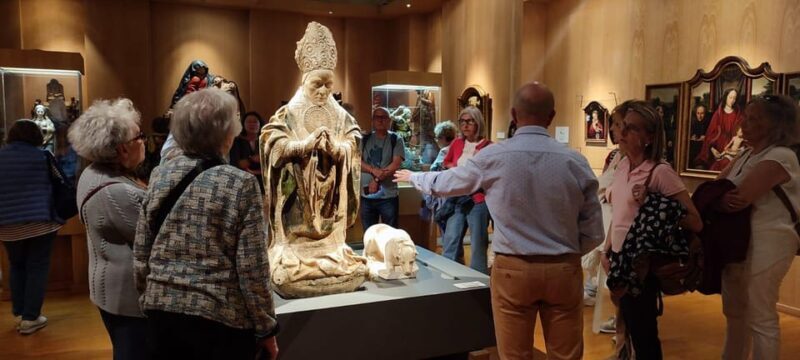
The collection includes original works of art, objects, and documents from the 16th century. Visitors have noted the extraordinary collection of artifacts—from merchandise to documents—that vividly illustrate the era’s trade practices. One reviewer mentioned, “It was incredible to see original documents related to trading from that time; it really brought history alive.”
More Great Tours NearbyThe Simón Ruiz Archive
The highlight here is the Simón Ruiz Archive, a treasure trove of documents that detail the financial activities of a merchant-banker of the same name. It’s a special privilege to view these original works, which include correspondence, financial records, and other artifacts, all protected as part of UNESCO’s “Memory of the World” list. The archive reveals the complexities of 16th-century commerce and how interconnected European markets were.
The Artistic Collection
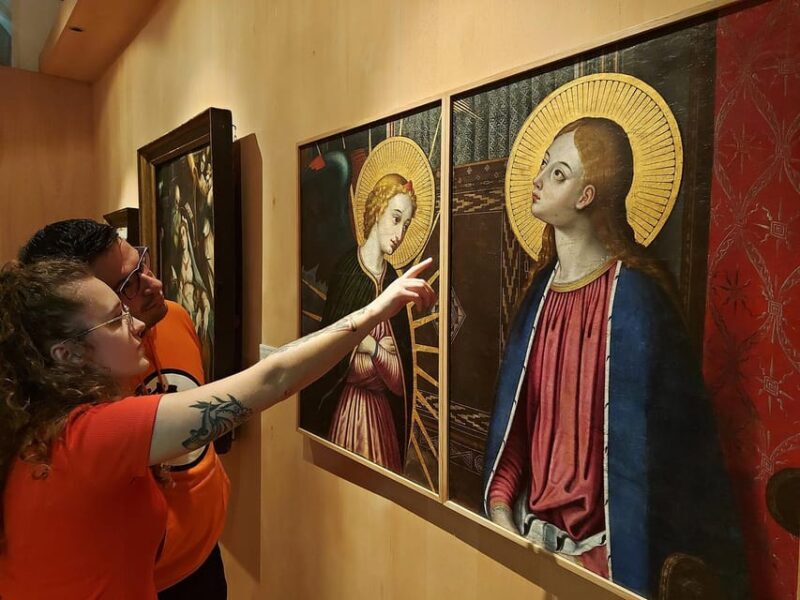
Along With the documents, the museum hosts a collection of artworks from different origins—painting, sculpture, and decorative objects—offering a broader cultural context. This part of the visit adds a visual dimension to the historical narrative, giving viewers a taste of the artistic styles and craftsmanship of the period.
Practical Tips
- Tickets cost just $6 per person, a very reasonable price considering the depth of historical detail.
- Guided tours are available for groups of 10 or more (general guides) or groups of 5 or more (archive and art collections). If you’re traveling solo, you might need to join a small group or book in advance.
- The tour starts at the museum entrance, and it’s best to arrive a little early to ensure a smooth experience.
- The museum is wheelchair accessible, making it easier for visitors with mobility needs.
- Remember, no large bags or backpacks are allowed inside, so plan to leave those at the entrance.
What’s Not Included
The general admission is simple and inexpensive, but it doesn’t include a guided visit unless you meet the group size requirements. Also, activities like selfies or taking photos with flash are prohibited, so bring your camera with discretion.
Is It Worth It?
Absolutely, if you’re into history, art, or the story of commerce. For just $6, you get a well-curated, educational experience with guided insights that make the artifacts and documents meaningful. The location’s historic charm adds to the appeal, and the focus on 16th-century trade makes this a one-of-a-kind stop, especially if you’re exploring Castile and León.
If you’re expecting a lively, interactive experience with hands-on exhibits or family-friendly activities, this might not be the right fit. But for those wanting a serious, well-informed look at medieval commerce, it’s a solid choice.
Final Thoughts
This tour offers a rare window into the world of early modern trade and finance, with the added bonus of seeing original documents and artworks. It’s a practical, affordable activity that deepens your understanding of Spain’s economic history. The guided aspect is a real plus, ensuring you gain context and stories behind the artifacts, even if your Spanish isn’t perfect.
Travelers who love history, art, or are simply curious about how medieval Europe’s markets worked will find this a worthwhile visit. The focus on a UNESCO-listed archive elevates the experience, making it more than just a museum stop—it’s a chance to connect with the past in a meaningful way.
Medina del Campo: Museo de las Ferias – Simón Ruiz Archive: Guided tours visits
FAQs
Is the guided tour conducted in English?
No, the guided visits are in Spanish, but a translator is allowed if you bring one. You might find it helpful if you speak some Spanish or are comfortable with subtitles or written translation.
How long does the tour last?
The guided visit lasts about 40 minutes, which is a manageable length for most visitors without feeling rushed.
Can I visit alone without a guide?
You can buy a general admission ticket for $6, but guided tours require a minimum group size—10 for general and 5 for archive or art collections. If traveling solo, you might need to join an existing group or plan ahead.
What is included in the ticket price?
The $6 ticket grants access to the museum, but guided visits are extra and depend on group size. Guided tours are priced separately, starting at 5 euros per person for general guides or 10 euros for archive or art collection visits.
Are there any restrictions inside the museum?
Yes, certain items are not allowed, including pets (except assistance dogs), large bags, drones, selfie sticks, flash photography, and noise-making. It’s best to leave bulky items at the entrance.
Is the museum accessible for people with mobility issues?
Yes, the museum is wheelchair accessible, making it easier for visitors with mobility needs to enjoy the experience.
If this kind of focused, historically rich tour sounds appealing, it’s a great way to spend a day in Medina del Campo. You’ll walk away with a better understanding of Spain’s bustling trade scene in the 16th century and perhaps see your own travel stories in a new light.
You can check availability for your dates here: