Exploring the Rare Plants of Aosta Valley: A Naturalist’s Dream
If you’re someone who’s curious about botany, or simply loves the idea of walking through wildflower-filled landscapes with an expert by your side, this tour in the Aosta Valley might catch your eye. Offered by Valle d’Aosta Nature, it’s designed as a one-day journey that combines learning, photography, and a good dose of natural beauty.
What we love about this experience is how it turns a simple mountain stroll into a purposeful quest—focused on discovering rare floral species that you might not see on a typical hike. Also, the fact that it’s guided by a specialist means you’ll learn authentic, detailed info about the plants you encounter, making it more meaningful than just a casual walk.
That said, a potential consideration is the seasonality—the tour runs from March to July, so if you’re visiting outside those months, it might not be the right fit. Also, it’s not suitable for those with altitude sickness, which makes sense given the mountain environment.
This tour is perfect if you’re an avid plant enthusiast, a photographer eager to capture unique flowers, or a traveler who enjoys purposeful exploration. It’s also a solid choice if you’re traveling with a group that appreciates learning about nature in a relaxed, guided setting.
Key Points
- Educational experience with a knowledgeable guide focused on rare alpine plants
- Beautiful photos are a major bonus—bring your camera for vivid captures
- Flexible booking options with free cancellation and pay later options
- Season-dependent, best from March to July for the full bloom spectacle
- Accessible for English speakers and wheelchair users
- Cost-effective for groups, with prices averaging around $284 for up to 25 people
What is the Aosta Valley botanical tour about?
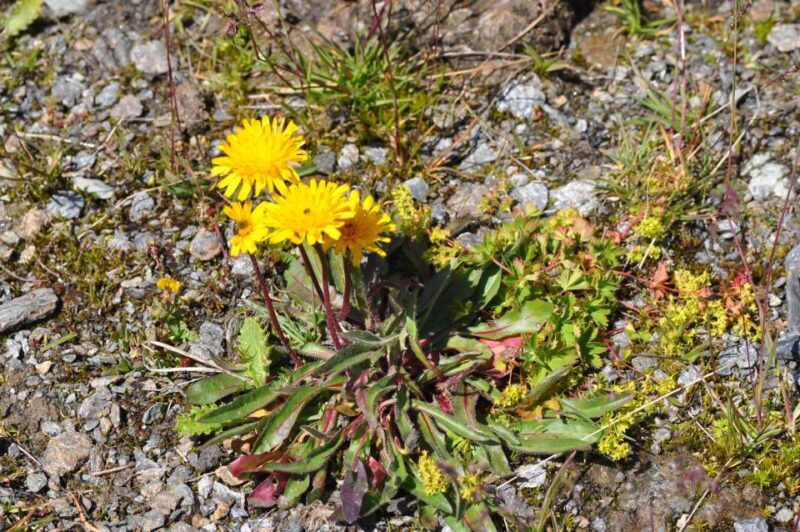
This tour takes you on a one-day journey through the scenic landscapes of Italy’s Aosta Valley, with the main goal of discovering rare botanical species. Unlike a simple nature walk, it’s a guided educational experience, where a specialist leads you through the terrain, pointing out and explaining the unique flowers that grow in this part of the Alps.
The emphasis on learning to recognize these species adds a layer of purpose—meaning you’ll leave not only with photos but also with a better understanding of the region’s flora. Depending on the flowering phenology—that is, what’s in bloom at the time—you’ll visit specific spots known for their botanical treasures, making each tour slightly different based on the season.
Planning more time in Ayas? We've covered other experiences worth considering.
Who is this tour good for?

This experience is best suited for plant enthusiasts, amateur botanists, or travelers who want to add a purposeful, educational element to their mountain adventures. If you’re traveling with friends or a group who appreciate nature and photography, everyone’s likely to find something rewarding here. It’s also accessible for English speakers and accommodates wheelchair users, which broadens its appeal.
However, keep in mind it’s not the best fit if you or someone in your party has altitude sickness or if you’re visiting outside March-July, when the best blooms are in full display.
The itinerary in detail
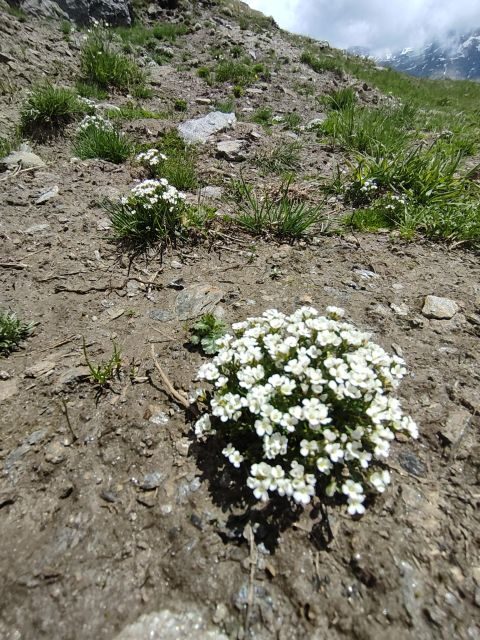
While the exact starting times depend on the day—so be sure to check availability—the tour generally lasts a full day, giving plenty of time for exploration and photography. Once you meet your guide, usually in a central location, the journey begins with an introduction to the region’s botanical diversity.
As you walk, your guide will explain the significance of each plant, pointing out rare flowers that you might never encounter on your own. Many reviews emphasize how insightful and passionate the guides are, making the experience both educational and engaging. You’ll learn to recognize different species based on their shapes, colors, and growth habits—an invaluable skill if you’re into wildflowers or plant photography.
Depending on the flowering cycle, the tour might include stops at specific spots known for their floral abundance. These can include mountain ridges, alpine meadows, or rocky outcroppings. The terrain can vary, but the experience is designed to be accessible for most people—just bring suitable footwear and a camera.
At each stop, you’ll have time to take photos, ask questions, and absorb the scenery. Many reviewers mention how they appreciated the personalized attention and how the guide’s explanations helped them see the landscape with fresh eyes.
What’s included and what to bring
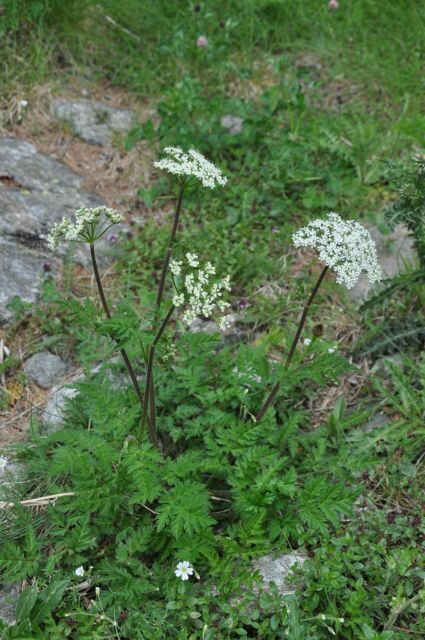
Your ticket covers guiding and lessons, so you won’t need to worry about additional costs for the educational component. Meals are around 25 euros, including drinks, which helps you recharge after your botanical pursuits. If you want to extend your stay, overnight accommodations start at about 80 euros per person, making this a flexible, multi-day option if you want to explore more of the region.
The only thing you’ll need to bring along is your camera—a smartphone works fine, but a proper camera will give you better shots of the delicate flowers. Given the outdoor setting, sturdy shoes and weather-appropriate clothing are also recommended.
More Great Tours NearbyHow the pricing stacks up
At $284 for the entire group, the cost breaks down reasonably well, especially considering it includes a guided, educational experience in a unique natural setting. For smaller groups or families, the rate becomes even more attractive—up to 6 people, it’s only 180 euros. Larger groups (up to 25) pay about 20 euros per person, which is quite manageable for a shared adventure.
The value lies in the expert guidance, the chance to photograph rare plants, and the memorable experience of learning about alpine flora. It’s not a cheap tour, but when you weigh the personalized learning and the scenery, it’s good value for curious travelers.
The pros and cons in summary
Like any experience, this tour has its strengths and minor limitations. It’s a fantastic choice for those keen on plants or seeking a purposeful day in nature. The expert guide makes a big difference—you’re not just wandering aimlessly. Plus, being able to return home with beautiful photos and new botanical knowledge makes it worthwhile.
On the downside, if you’re not interested in plants or don’t want a guided experience, this might feel a bit niche. Also, it’s seasonal, so plan your trip accordingly, and it’s not suited for people with altitude sickness or those looking for a casual stroll without a focus.
Final thoughts
If you’re eager to combine nature, learning, and photography, this botanical tour in Aosta Valley offers a well-rounded, engaging experience. It’s especially appealing for those who want to explore beyond the usual mountain hikes and dive into the region’s hidden botanical gems. The guided format enriches the journey, making it not just a walk but a genuine opportunity to expand your botanical knowledge.
While it’s not the cheapest activity, the personalized guidance and access to rare plants make it a compelling choice for landscape lovers and plant aficionados alike. Whether you’re passionate about botany or just looking for a different way to enjoy the scenery, this tour provides a thoughtful, memorable way to spend a day in the striking Aosta Valley.
RARE PLANTS IN AOSTA VALLEY
Frequently Asked Questions
Is the tour suitable for children?
While the experience is educational and involves walking in mountain terrain, it can be suitable for children who enjoy nature and don’t have altitude sickness. Always check with the provider if you’re bringing young kids, as the terrain and pace can vary.
What should I bring on the tour?
Bring your camera or smartphone for photos, sturdy shoes, weather-appropriate clothing, and a sense of curiosity. The guide provides lessons and guidance, but personal gear is up to you.
Can I cancel my booking?
Yes, you can cancel up to 24 hours in advance for a full refund, which offers flexibility if your plans change.
Is the tour accessible for wheelchair users?
Yes, the tour is wheelchair accessible, making it inclusive for most travelers with mobility needs.
What months is the tour available?
It’s available from March to July, aligning with the flowering season. Outside those months, you might not see the same floral abundance.
How many people are typically in the group?
Groups can be small with a maximum of 25 participants, which keeps the experience intimate and educational.
What’s the price range for larger groups?
Up to 6 people, it costs around 180 euros total; larger groups pay about 20 euros per person, making it a good deal for groups or families.
Is there any food included?
Meals are available for about 25 euros, including drinks, so you can plan to relax and recharge during your day.
If you’re in the Aosta Valley and have a curiosity for rare plants and alpine flora, this tour offers an enriching way to connect with the region’s natural beauty—guided, informative, and full of photo opportunities.
You can check availability for your dates here: