Looking for a way to deepen your understanding of New Orleans’ complex history? The Urban Enslavement Tour at Hermann Grima House offers an insightful glimpse into the lives of enslaved people in the city’s urban setting. While I haven’t personally done this tour, the overwhelmingly positive reviews and detailed descriptions make it clear that this is a meaningful experience.
What really stands out is how this tour combines the historic charm of a beautifully restored 1831 home with powerful stories that often go untold in typical tourist spots.
We especially love how it highlights the contributions and hardships of enslaved individuals in a city famed for its vibrant culture. Another perk is its reputation for guides who add personal touches and clarity to this often difficult subject.
On the flip side, some might find the hour-long visit a bit intense or emotionally charged, especially if they prefer lighter sightseeing.
If you’re interested in history, particularly the darker chapters of New Orleans’ past, this tour is a strong choice. It’s particularly well-suited for travelers who value educational experiences and want to approach history with respect and depth. Families with older kids or adults interested in social justice themes would find this especially worthwhile.
- Key Points
- An Honest Look at the Hermann Grima House Tour
- What’s Included and How It Works
- The Itinerary: What to Expect
- What You Will See and Learn
- The Guides and Their Impact
- The Balance of Content and Sensitivity
- The Value Proposition
- Who Should Consider This Tour?
- The Sum Up
- FAQ
- More Tours in New Orleans
- More Tour Reviews in New Orleans
Key Points
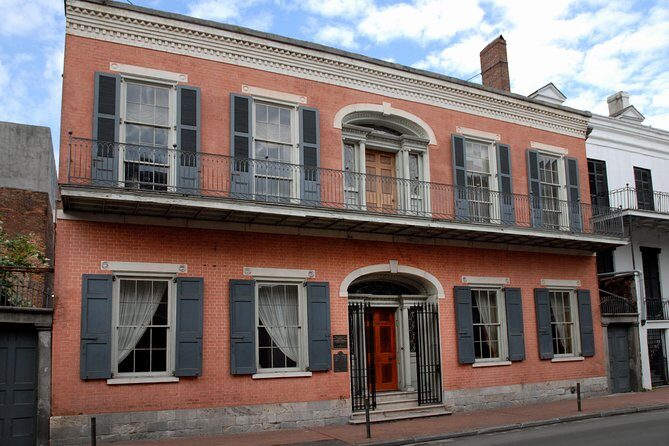 1 / 5
1 / 5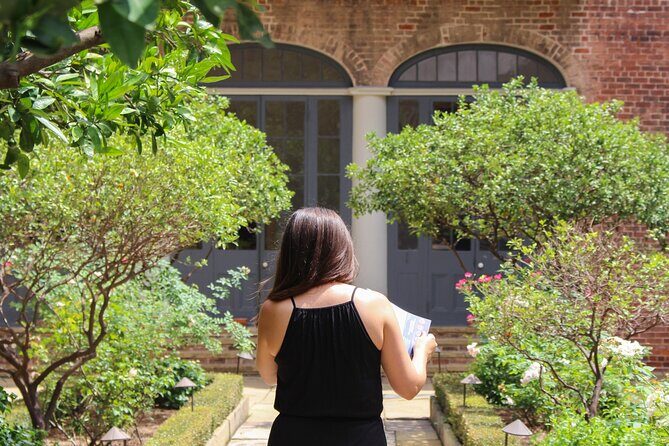 2 / 5
2 / 5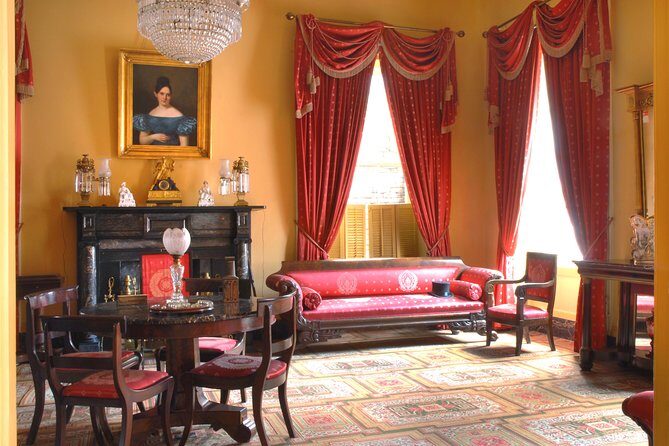 3 / 5
3 / 5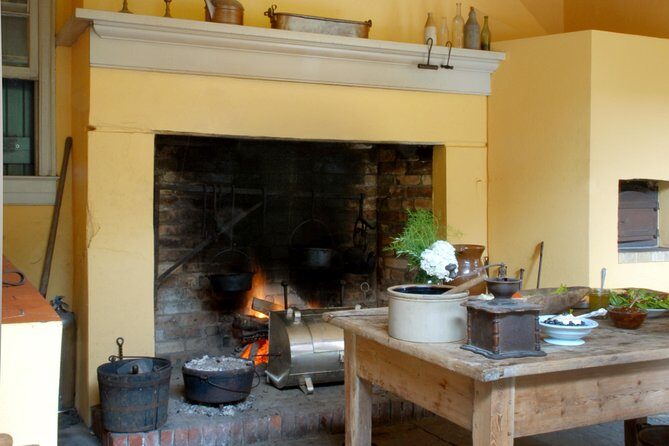 4 / 5
4 / 5 5 / 5
5 / 5- Deeply educational about urban slavery and its influence on New Orleans.
- Affordable at $17, offering good value for a meaningful, guided experience.
- Highly rated with a 5-star overall score based on 147 reviews.
- Guides are praised as knowledgeable and capable of answering detailed questions.
- Visiting a historic home offers a tangible way to connect with history.
- Includes original furnishings and architectural features that bring the past to life.
An Honest Look at the Hermann Grima House Tour
This tour revolves around a beautifully restored French Quarter home built in 1831, which is itself a living piece of history. Its Federalist architectural façade and original features, like the open-hearth kitchen and urban slave quarters, give visitors a real sense of the period.
The property’s expansive courtyard and historic carriage house, now home to the The Exchange Shop, add to the immersive experience.
You can also read our reviews of more tours and experiences in New Orleans.



What’s Included and How It Works
For just $17 per person, you get a guided tour lasting around an hour. The ticket is a mobile one, meaning no fuss about printing or paper tickets, and the experience is available with confirmation right after booking. You’ll find the tour near public transportation options, making it easy to fit into your city plans.
The tour is designed to be accessible to most travelers, but it’s worth noting that it requires good weather—so check the forecast if you’re planning an outdoor-heavy day.
The Itinerary: What to Expect
Stop 1: Hermann-Grima House
Your experience begins in this historic house, where the guide will walk you through the different sections of the property—highlighting how the enslaved workers lived, worked, and were segregated within the home. The original furnishings and the layout of the house, like the zones off-limits to slaves, help paint a vivid picture of antebellum life.
Many reviews, like Joseph’s, praise the tour for being “filled with information” and a “must for anyone wanting to experience historical New Orleans.” The guide’s storytelling often emphasizes the experiences of enslaved people in urban settings, an angle that many visitors find enlightening compared to plantation tours.
Tour Highlights
One of the most impactful parts is the explanation of the urban slave quarters and the living conditions of those who were enslaved within the city. The guide will point out specific rooms, porches, and features like the giant water cistern, helping guests visualize daily life.
Carmen notes that the guide’s expertise “highlighted the lives and contributions of enslaved people,” making the experience both respectful and educational.
What You Will See and Learn
The tour offers a rare window into how enslaved individuals contributed to everyday life and how their stories are woven into New Orleans history. Visitors love the opportunity to see some rooms and original furnishings, which adds authenticity. Michelle describes it as “almost like stepping back in time,” emphasizing how the layout and preserved elements help bring history to life.
The Guides and Their Impact
The reviews consistently point to guides being knowledgeable, engaging, and deeply committed to telling the stories with sensitivity. Robert, in particular, gets mentioned for sharing personal stories and making the history more relatable. His touching closing remarks about his family’s experience humanize the tour, creating a memorable emotional connection.



The Balance of Content and Sensitivity
Because the subject matter is challenging, guides tend to approach the stories with care and respect. They focus on the contributions of enslaved individuals rather than just the hardships, which many travelers find empowering and necessary for understanding the full picture of New Orleans’ history.
The Value Proposition
At $17, this tour offers an excellent exchange of money for meaningful, well-guided, and deeply human stories. Many reviews highlight how the tour is “well-paced” and offers a comprehensive look at urban slavery that you might not get elsewhere. It’s particularly rewarding for those interested in social history or who want to see a different angle from the more touristy plantation tours.
Who Should Consider This Tour?
This experience is ideal for history buffs, socially conscious travelers, and those who want a more nuanced understanding of New Orleans. It’s suitable for older teens and adults, especially if you’re comfortable with difficult topics and want to see the city’s past through a respectful lens.
Families with kids might find the content intense, so use your judgment based on the age and sensitivity of your children.
The Sum Up
The Urban Enslavement Tour at Hermann Grima House stands out as a thoughtful, impactful way to explore New Orleans’ complex history. For a reasonable price, you get access to a beautifully preserved historic home, guided by knowledgeable storytellers who emphasize respect and education.
It’s a tour that invites reflection and offers a deeper understanding of the city’s past, particularly its urban slavery experience—an often overlooked part of American history.
If you’re drawn to authentic stories that challenge you and expand your perspective, this tour is a solid pick. It’s especially suited for those who appreciate history that’s immersive and honest, and who want to support tours that focus on the contributions and resilience of enslaved people.
For anyone eager to see beyond the surface and grasp the layers of New Orleans’ history, this tour offers a meaningful, memorable experience. Just be prepared for a thought-provoking hour that may leave a lasting impression.
Urban Enslavement Tour at Hermann Grima House
FAQ
Is the tour suitable for children?
While most travelers can participate, the subject matter involves difficult themes of slavery and history. Older children and teens with an interest in social issues will likely benefit, but parents should consider whether their kids can handle emotional topics.
How long is the tour?
The tour lasts approximately one hour, which makes it a manageable and focused experience.
What’s included in the ticket price?
Your ticket includes the guided tour of the Hermann-Grima House, its original furnishings, and the site’s historic features. No additional fees are mentioned.
Are tickets easy to get?
Yes, tickets are booked online with confirmation received immediately. The tour is popular enough that bookings are typically made 15 days in advance.
Is the tour accessible via public transportation?
Yes, the tour location is near public transit options, making it convenient to include in your day in the French Quarter.
Can I cancel if my plans change?
Yes, you can cancel for free up to 24 hours before the experience. Cancellations within 24 hours are not refunded.
What should I wear?
Since the tour involves walking around the historic house and courtyard, wear comfortable shoes and dress for the weather, especially if rain is forecasted.
Is the tour family-friendly?
It’s more suited for older children and adults given the sensitive content. Younger kids might find it too intense, but older kids with an interest in history or social justice will find it worthwhile.
How do guides handle sensitive topics?
Reviews highlight guides as respectful, knowledgeable, and capable of answering questions thoughtfully. They often include personal stories to humanize the history.
This tour offers a meaningful way to understand a vital piece of New Orleans’ past—one that’s worth considering if you’re looking for more than just surface-level sightseeing.