
If you’re thinking about diving into Louisiana’s complex history and culture, the Laura Creole Plantation Guided Tour is definitely worth considering. This tour offers a look into the lives of the Creole families and enslaved communities that shaped the region, all set within a beautifully restored historic plantation.
What we really appreciate about this experience is how it balances authentic storytelling with a respectful approach to difficult topics, like slavery. Plus, the guides are consistently praised for their knowledge and passion, making the tour not just informative but genuinely engaging. On the flip side, a potential consideration is the distance of the meeting point from downtown New Orleans, which could be a minor inconvenience if you’re short on time or relying on public transport.
This tour works best for those who are interested in history, culture, and personal stories, especially if you want a deep dive into Louisiana’s Creole roots. It’s not ideal for very young kids under 12 or anyone with mobility issues, given the outdoor walking and stairs involved. Overall, if you’re seeking a meaningful, well-rounded look at plantation life with a focus on the stories of those who lived and worked here, this could be a good fit.
Key Points
- Authentic stories from four generations of the Creole family and enslaved community make the experience deeply personal.
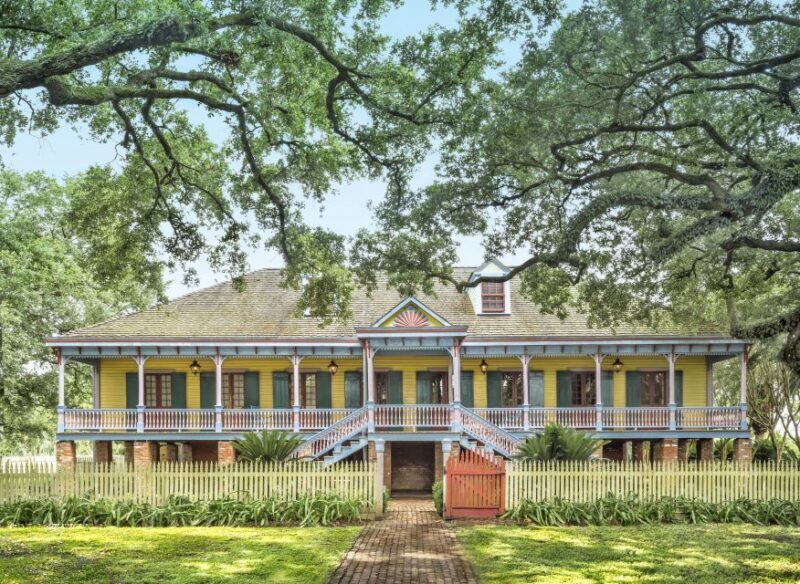
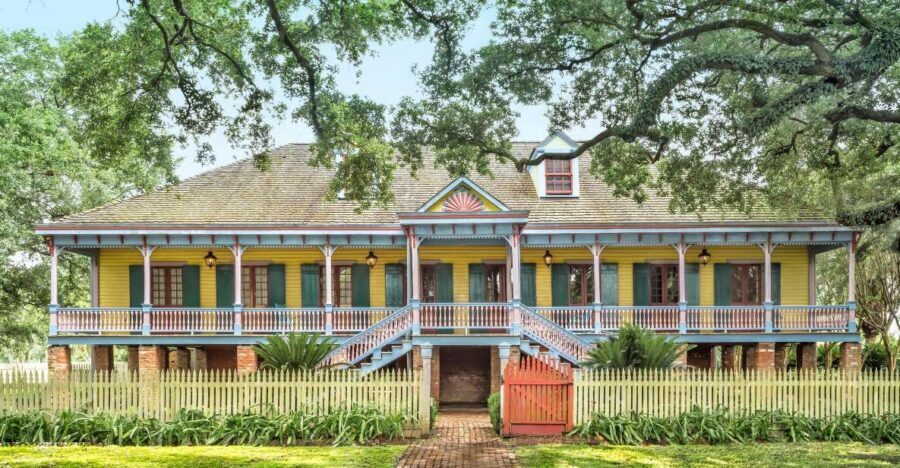
- The tour includes a visit to the 1805 Maison Principale, offering a glimpse into traditional Louisiana Creole architecture.
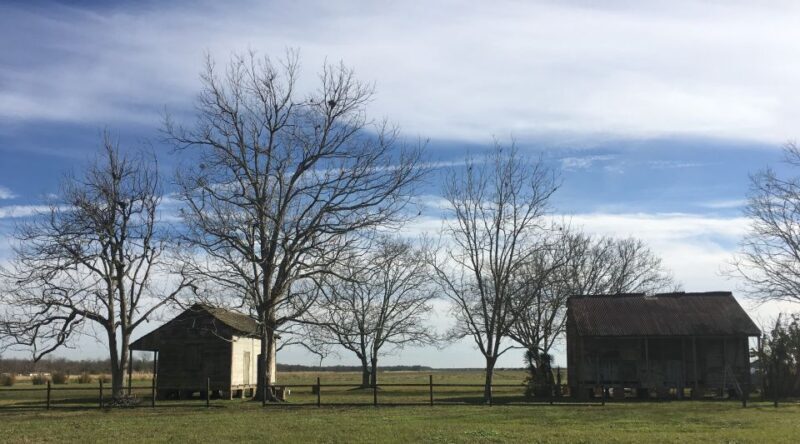
- You’ll explore original 1840s slave cabins where stories of enslaved people were recorded.
- The gardens and grounds are part of the experience, adding a scenic element and insight into plantation life.
- Guides are praised for their knowledge and ability to answer questions, enhancing your understanding.
- The value for the price (~$33) is considered good, with many reviewers feeling it’s money well spent.
A Closer Look at the Tour Experience
The Laura Plantation guided tour is designed to give visitors a comprehensive view of not just the architecture, but also the complex social history behind this historic site. It lasts around 75 minutes, which strikes a good balance—you get enough depth without feeling overwhelmed or rushed.
The journey begins at the admissions window inside the gift shop, where you’ll check in and meet your guide. The tour is available in English and French, allowing for broader accessibility. It takes place rain or shine, so packing an umbrella or suitable shoes is recommended.
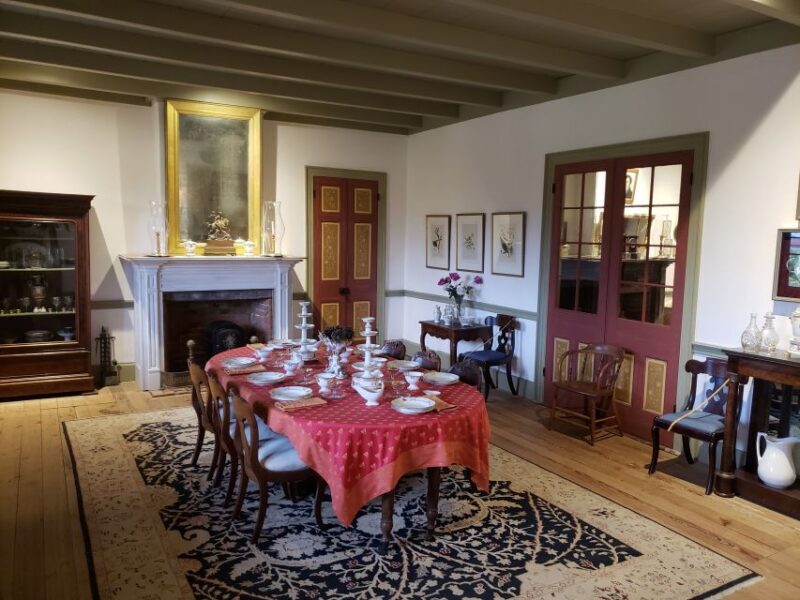
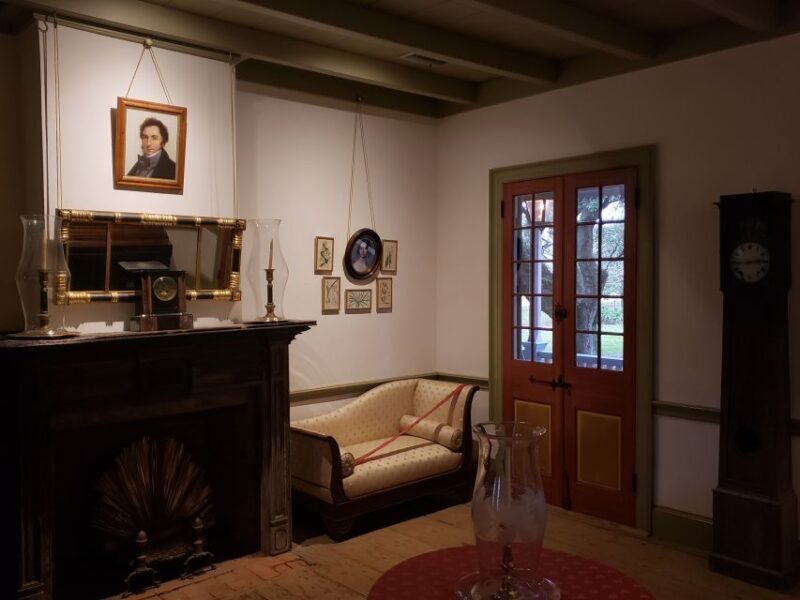
Once underway, you’ll step inside the Maison Principale, built in 1805. This traditional Louisiana Creole raised house is a highlight, with its raised basement, galleries, and parlors. The house provides a peek into the daily lives of the Creole families, as well as the workings of the plantation. Guides often point out architectural details that reflect Creole craftsmanship and regional adaptations, making it both visually interesting and historically meaningful.
Walking through the grounds and gardens, you’ll see three distinct spaces: the Jardin Français, the kitchen potager, and BananaLand grove. These areas reveal how the plantation was self-sustaining, and they add a peaceful, scenic element to the tour. The variety of buildings on the National Register, like animal barns and overseers’ cottages, further paint a picture of plantation life.
Perhaps one of the most impactful parts of the tour is the visit to the original 1840s slave cabins. These structures are more than just historical relics—they’re a silent reminder of the lives of the enslaved people who lived, worked, and resisted here. The tour incorporates stories and archival materials from both Louisiana and France, giving voice to those who are often overlooked in traditional history narratives.
Sharing Stories and Personal Accounts
Many visitors mention how the guides bring stories to life. Guides like Renee, Lindie, and James are praised for their passion and depth of knowledge. For example, one reviewer appreciated how Lindie “spoke French to a member of the tour,” adding a touch of authenticity and personal connection. These stories are based on handwritten memoirs and documents, making the history feel lived and real.
The tour’s approach to including slavery explicitly in the narrative was a groundbreaking step when Laura Plantation opened in 1994 and remains a core part of the experience. The permanent exhibit, “From the Big House to the Quarters,” is dedicated to telling the truth about slavery on this Creole farm, and visitors often find this part especially powerful and educational.
Value and Pricing
At $33 per person, the tour is generally considered a good value. It offers a combination of guided storytelling, historic buildings, gardens, and a self-guided museum afterward. Many reviews mention that the cost feels justified given the depth of information and the quality of the experience. You’re paying for not just the scenery but also the stories and insights that bring the place to life.
However, the distance from New Orleans could be a drawback for some—it’s on the west bank of the Mississippi, which means you’ll need to plan for extra travel time. If you’re staying centrally, factor in that additional journey.
Accessibility and Practical Tips
The tour involves outdoor walking, climbing 15 steps to access the main house, and walking through historic buildings. There’s no elevator, so if you have mobility concerns, it’s worth considering. Also, it’s advisable to wear comfortable shoes and bring an umbrella for rain.
The guided tour is available in multiple languages and includes written translations in several languages, which is a nice touch for international visitors. Photography is permitted for personal use, so you can capture some memories—just avoid anything that might disturb the respectful atmosphere.
More Great Tours NearbyWho Should Consider This Tour?
This experience is ideal for history buffs, culture enthusiasts, and those interested in learning about plantation life beyond the typical sugarcane narratives. It suits visitors who want a thoughtful, well-informed perspective on Louisiana’s Creole roots and the enslaved community.
It’s less suitable if you’re traveling with young children under 12, due to the nature of the stories and the walking involved. If you’re seeking a light, scenic plantation tour with minimal focus on the darker aspects of history, you might want to explore other options.
Final Thoughts
The Laura Creole Plantation Guided Tour offers a thought-provoking journey through Louisiana’s history, emphasizing personal stories and authentic architecture. The guides are well-trained and passionate, making complex topics accessible and engaging. For a modest price, you get a well-rounded mix of historic buildings, gardens, and compelling narratives that make the past come alive.
If you value depth and authenticity in your historical experiences and are interested in understanding the lives of both the Creole families and enslaved individuals, this tour will meet and possibly even surpass your expectations. The experience is respectful, insightful, and visually beautiful—an excellent addition to any trip to New Orleans’s plantation country.
Whether you’re a solo traveler, a history lover, or someone simply curious about Louisiana’s unique cultural fabric, this tour offers a meaningful, memorable glimpse into a world that shaped the region—and continues to resonate today.
New Orleans: Laura Creole Plantation Guided Tour
FAQ
Is the tour suitable for children under 12?
No, the tour is not recommended for children under 12 due to the nature of the stories and the outdoor walking involved.
How long does the tour last?
The guided tour lasts about 75 minutes, providing enough time to explore the main house, grounds, and enslaved quarters without feeling rushed.
What languages are available for the tour?
Tours are offered in English and French, with written translations available in several other languages, including Spanish, Italian, and German.
Do I need to bring anything?
It’s best to wear comfortable shoes and bring an umbrella in case of rain. The tour involves both indoor and outdoor walking.
Is there parking available?
Yes, free parking is included, but keep in mind the location is on the west bank of the Mississippi, which might require extra planning if you’re staying downtown.
Can I take photos during the tour?
Yes, photography for personal use is allowed, but avoid using tripods, selfie sticks, or recording videos during the guided part of the tour to respect the experience and other visitors.
Exploring Louisiana’s past through the lens of a plantation visit like Laura’s can be both moving and enlightening. It’s a chance to see history with clarity, hear real stories, and gain a deeper appreciation for this complex chapter of American life.
You can check availability for your dates here: