
If you’re curious about Cincinnati’s transportation systems and how they shape the city’s landscape, this Cincinnati Streetcar Transportation and Infrastructure Tour might just be your best bet. While it’s not your typical sightseeing jaunt, it offers a fascinating look at the city’s transit successes and challenges, led by a local with real insight into ongoing projects.
What we really appreciate about this tour is how it combines urban planning knowledge with accessible storytelling—you’re not just passing by sights; you’re learning about Cincinnati’s evolving transportation infrastructure. Plus, the tour’s focus on major projects like the Cincinnati Subway and Riverfront Transit Center adds a layer of depth that’s rarely covered in standard city tours.
On the flip side, the tour’s niche focus might feel a bit technical or niche for someone just wanting quick sightseeing.
This experience suits those who enjoy understanding urban development, infrastructure, or have a keen interest in how cities grow and adapt. It’s especially good for travelers who like a mix of history, engineering, and the stories behind the city’s design. If you’re into transportation, city planning, or just want a different perspective on Cincinnati, this could be a highlight of your visit.
- Key Points
- A Close Look at the Tour Itinerary
- Starting at The Banks and the Roebling Suspension Bridge
- Exploring Cincinnati’s Major Transit Sites
- Highway Construction and Urban Renewal
- Architectural Highlights and Downtown Vibes
- Parks, Skyscrapers, and Sports Arenas
- The Abandoned Cincinnati Subway
- Concluding at Findlay Market
- What It Means for You as a Traveler
- Practical Considerations
- Final Thoughts
- FAQs
- More Tours in Cincinnati
- More Tour Reviews in Cincinnati
Key Points
 1 / 5
1 / 5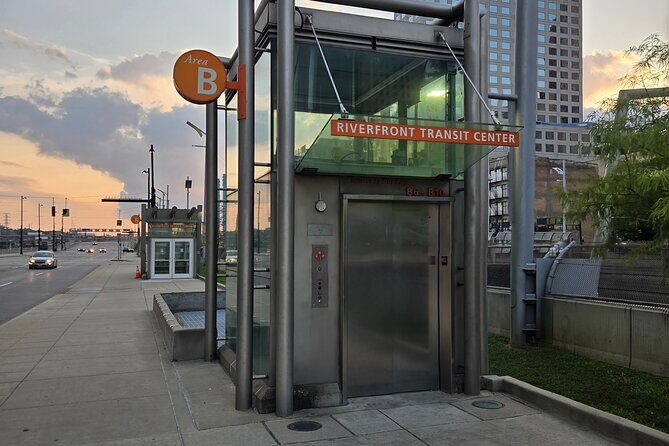 2 / 5
2 / 5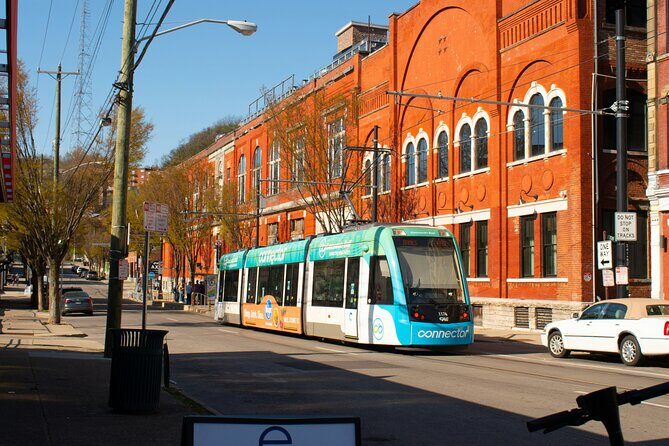 3 / 5
3 / 5 4 / 5
4 / 5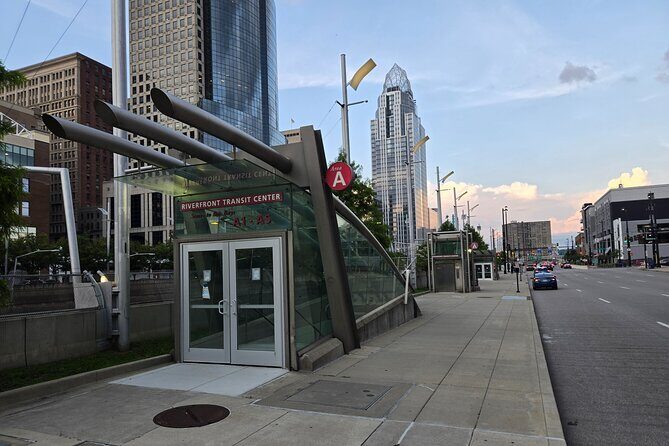 5 / 5
5 / 5- Focus on Infrastructure: The tour emphasizes Cincinnati’s transit projects, both its accomplishments and hurdles.
- Local Guide Expertise: Led by Fenley, an urban planning student, providing insider knowledge not often available.
- Well-Structured Route: Covers major transit landmarks like the Riverfront Transit Center and Cincinnati Union Terminal.
- Cost-Effective: At $40 per person, it offers a detailed look into the city’s transit history, architecture, and future plans.
- Educational and Insightful: Includes maps and references to abandoned projects like the Cincinnati Subway, adding context.
- Limited Group Size: Small group setting (max 8) ensures personalized attention and a more intimate experience.
A Close Look at the Tour Itinerary
This tour is a well-planned journey around Cincinnati’s core transit and infrastructure highlights, using the streetcar loop as a backbone. It’s not about traditional tourist sights but about understanding how transportation has shaped and is continuing to shape the city.
You can also read our reviews of more tours and experiences in Cincinnati.


Starting at The Banks and the Roebling Suspension Bridge
You’ll meet at the National Underground Railroad Freedom Center and start with a quick intro to Cincinnati’s geography and history, including the iconic Roebling Suspension Bridge. From afar, you’re treated to views of this engineering marvel, which sets the tone for exploring Cincinnati’s commitment to infrastructure. The guide will share a brief history, giving you some context about the city’s development.
Exploring Cincinnati’s Major Transit Sites
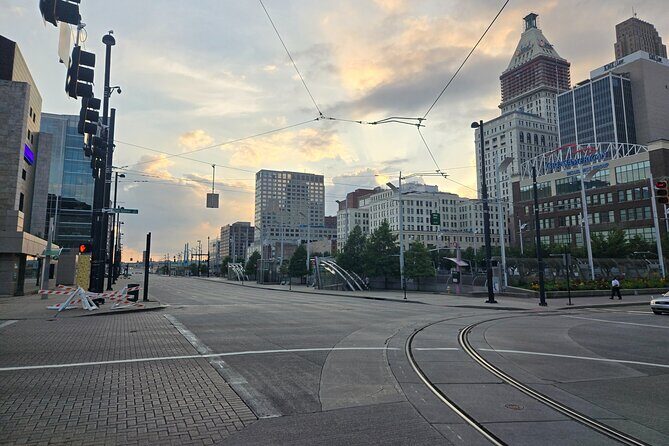
Next, you’ll make a brief stop at the Great American Ball Park—just enough for a quick photo op near the entrance. Then, it’s on to the Riverfront Transit Center, which is nicknamed Cincinnati’s “Second Abandoned Subway.” Here, the guide will discuss the city’s efforts to bring transit back, explaining how this project reflects Cincinnati’s transit ambitions and setbacks.
The Riverfront Transit Center gets a lot of attention because it signifies both Cincinnati’s progress and its challenges. While you won’t go inside, you’ll learn about the effort to revive transit and the history behind this massive structure.
Highway Construction and Urban Renewal
The tour then shifts focus to Kenyon-Barr, a neighborhood marked by the urban renewal projects of the 1960s, which demolished nearly half of Cincinnati’s communities. This part of the tour provides insight into how highway expansion and urban planning decisions impacted the city’s fabric—something that’s still visible today.
Architectural Highlights and Downtown Vibes
From here, you’ll see the Carew Tower, an elegant example of Art Deco architecture, and walk through the lobby of the Hilton Netherland Plaza. These buildings highlight Cincinnati’s architectural heritage, contrasting the city’s modern transit projects with its historical grandeur.
Fountain Square is the heart of downtown Cincinnati, and it’s a natural stopping point. You’ll see the Tyler Davidson Fountain and get a sense of the city’s social and cultural hub, even as you discuss challenges facing Cincinnati’s current bus station.



Parks, Skyscrapers, and Sports Arenas
Resting at the Procter & Gamble Lawn Park, you get a moment to relax before heading to the Great American Tower, Cincinnati’s tallest skyscraper. From this vantage point, you’ll see how the city’s skyline is evolving alongside its transportation infrastructure.
The Heritage Bank Center adds to the picture, with the guide sharing its history and future plans. This mix of old and new helps frame Cincinnati’s ongoing urban story.
The Abandoned Cincinnati Subway
One of the most fascinating parts of the tour is the Cincinnati Subway, regarded as the largest abandoned subway in the world. From the median of Central Parkway near Ezzard Charles Drive, you’ll see photos and learn about the underground tunnels that remain beneath the city. This part of the tour is a real highlight for those interested in urban legends, engineering feats, or missed opportunities.
Concluding at Findlay Market
Your journey ends at Findlay Market, a cornerstone of Over-the-Rhine revitalization. It’s a lively spot to soak in local culture, and many food options nearby let you extend your visit if you wish.
What It Means for You as a Traveler
This tour isn’t just about sightseeing; it’s an educational walk through Cincinnati’s transportation evolution. The focus on public transit, infrastructure projects, and urban planning provides a unique perspective that complements traditional city tours. It’s perfect if you’re curious about the city’s growth, love architecture, or enjoy stories about how cities develop over time.
The small group size promises a personal experience, with plenty of chances to ask questions and get detailed explanations. The cost of $40 provides good value considering the depth of knowledge you gain, especially since it covers a lot of ground and includes references like maps and abandoned subway plans.
One thing to keep in mind: since the tour focuses heavily on infrastructure, it’s less about picturesque scenery and more about understanding Cincinnati’s development challenges and triumphs. If you’re expecting a lively, light-hearted sightseeing tour, this might feel a bit more serious. However, if you’re into urban development or history, it’s a goldmine.
Practical Considerations
- Duration: About 3 hours, a manageable chunk for most travelers.
- Pricing: $40 per person is reasonable for the depth of content.
- Booking: Book about two months ahead on average, so plan accordingly.
- Weather: Tour requires good weather, so be prepared for outdoor walking.
- Accessibility: The tour involves walking and stops at several points, including some that require standing, but no mention of accessibility barriers is noted.
Final Thoughts
The Cincinnati Streetcar Transportation and Infrastructure Tour is a quietly compelling way to see the city through a different lens. It’s particularly well-suited for travelers with a curiosity for urban planning, transportation history, or Cincinnati’s ongoing evolution. For a moderate price, you get to explore notable landmarks and learn about the stories behind Cincinnati’s transit successes—and its failures.
If you’re the kind of traveler who enjoys deep dives into city stories, or if you’re planning to spend time in Cincinnati and want to understand how it got to where it is today, this tour offers valuable insights. Plus, with a knowledgeable guide like Fenley, you’re assured of a personable and informative experience that breaks away from traditional sightseeing.
Cincinnati Streetcar Transportation and Infrastructure Tour
FAQs
Q: Is this tour suitable for families or children?
While the tour is mainly focused on transit and infrastructure, it’s not specifically tailored for kids. That said, older children interested in engineering or city planning might find it engaging, especially with the visual elements like photos and maps.
Q: Do I need to bring my own transportation?
No. The tour uses Cincinnati’s public transportation system—the streetcar loop—as the route, making it easy to join without additional transport.
Q: How long is the entire tour?
It lasts approximately 3 hours, covering about two-thirds of the Cincinnati Streetcar Loop, with some time allocated for stops, discussions, and breaks.
Q: What’s included in the price?
The fee covers your guided tour, the use of the streetcar, and maps including the streetcar, metro bus, TANK bus, and abandoned subway maps. Tips are not included but not encouraged, so you can decide whether to tip based on your experience.
Q: Do I need to book in advance?
Yes, it’s recommended—most bookings are made about 59 days ahead on average. The tour can be canceled free of charge if you give at least 24 hours’ notice.
Q: Are there any physical demands?
The tour involves walking, some standing, and outdoor exposure. It’s manageable for most travelers but might be less suitable for those with mobility issues.
Q: Where does the tour start and end?
It begins at the National Underground Railroad Freedom Center and ends at Findlay Market, with directions provided at the end so you can explore more or head elsewhere.
Q: Is there any opportunity for sightseeing or photos?
Yes, there are several photo stops—like the Great American Tower and Fountain Square—though many sites are viewed from afar, emphasizing the focus on infrastructure rather than scenic vistas.
In summary, if you’re eager to understand Cincinnati’s transit history and infrastructure, this tour offers a thoughtful, detailed experience. It’s perfect for curious minds, urban planning enthusiasts, or anyone wanting a deeper connection to the city’s development story.