Discovering the Secret Stories of WWII in Lower Silesia
If you’re someone interested in history that goes beyond the typical tourist stops, this “Secrets of World War II” tour from Wroclaw might just be your cup of tea. It’s a full-day experience that takes you to some of the most compelling yet less-visited sites in Lower Silesia, giving you a deeper understanding of Poland’s wartime past. What really makes this tour stand out? First, it focuses on places not often included in standard itineraries — like the notorious Gross-Rosen concentration camp and the mysterious underground Osowka complex. Second, the small-group format ensures an intimate, personalized experience, which makes all the difference when tackling such weighty historical topics.
Of course, this kind of tour isn’t for everyone. It’s a long day, at around nine hours, and involves a fair amount of walking and standing, so it’s best suited for travelers with moderate physical fitness. Plus, it’s not a cheap outing, but considering the visits, transportation, and guided insights, the price of around $236 per person can be justified if you’re genuinely eager to explore WWII sites in detail. If you’re after a moving, educational experience with a knowledgeable guide and a chance to reflect on the darker chapters of history, this tour offers real value.
However, keep in mind that this is a serious, sometimes somber day. The visits to sites like Gross-Rosen are impactful, and you should be prepared for emotional moments. It’s not a casual sightseeing trip. If you’re ready for a meaningful historical journey, this tour is likely to resonate with you.
<- Key Points
- What the Tour Includes and How It’s Structured
- Visiting Gross-Rosen Museum in Rogoznica
- Ksiaz Castle — The Pearl of Lower Silesia
- The Mysterious Osowka Underground Complex
- Why This Tour Offers Good Value
- Impactful and diverse sites
- The emotional aspect
- Who Is This Tour For?
- Final Thoughts
- The secrets of World War II
- FAQ
- More Tour Reviews in Wroclaw
- Deep dive into WWII sites not commonly visited by travelers
- Small group size (max 9 people) for more personal attention
- Round-trip transport and hotel pickup included for hassle-free planning
- Guided experience with knowledgeable guides, enhancing the storytelling
- Emotional and educational, perfect for history buffs and curious travelers
- Price reflects a full-day, comprehensive experience with quality visits
What the Tour Includes and How It’s Structured
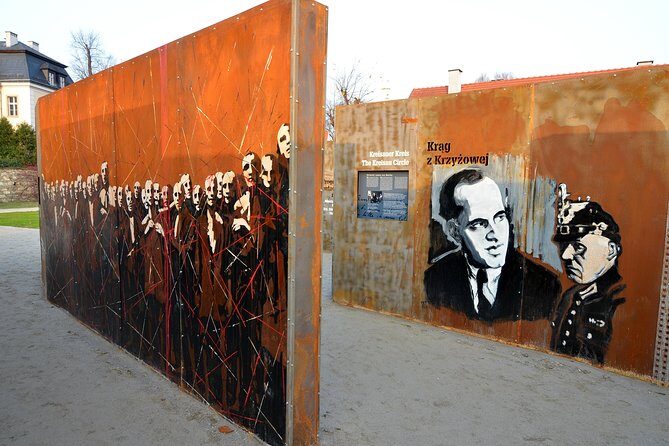
This full-day adventure offers a well-organized itinerary that balances poignant historical sites with scenic views and a touch of grandeur. Starting early at 7:00 am, you’ll be picked up from your hotel in Wroclaw and whisked away in an air-conditioned minibus. The fact that transportation and hotel pickup are included means you don’t have to worry about logistics — just sit back and absorb the stories as your guide drives.
Planning more time in Wroclaw? We've covered other experiences worth considering.
Visiting Gross-Rosen Museum in Rogoznica
Your first stop is Gross-Rosen, the largest Nazi concentration camp in Lower Silesia. As you walk through this site, you’ll get a sobering reminder of the brutal conditions prisoners endured, including Poles, Jews, Russians, French, and Hungarians. The camp’s history of “Vermichtung durch Arbeit” (annihilation through work) and the grim death toll of around 40,000 prisoners make this stop especially impactful, as noted by travelers who say it’s “very impactful” and offers a chance to reflect.
Here, your guide will help you understand the harsh realities faced by inmates, and you’ll see remnants of the camp that evoke a visceral response. The two hours allocated is enough to gain a sense of the scale and brutality of this site without feeling overwhelmed, especially since the admission is included in the price.
Ksiaz Castle — The Pearl of Lower Silesia
Next, you’ll journey to Ksiaz Castle, a true highlight with a commanding presence perched 395 meters above sea level on a scenic rock cliff. This castle is not only dramatic in appearance but also historically significant. It’s Poland’s third-largest castle and surrounded by lush forest, offering spectacular views for photos.
During WWII, Hitler’s organization Tod used the castle as a major Nazi headquarters, and construction related to the Riese complex was ongoing nearby. The tour includes about an hour and a half here to explore its rooms, gardens, and learn about its wartime role. You might find the castle’s size and dramatic setting quite breathtaking and a perfect photo opportunity.
The Mysterious Osowka Underground Complex
Perhaps the most intriguing part of this tour is the visit to Osowka, part of the Nazi Riese project. This underground city remains shrouded in mystery, with many secrets still hidden beneath the surface. As you explore the tunnels and chambers, you’ll get a sense of the scale and complexity of Hitler’s underground headquarters. The guide will share insights into what is known about the site, but also acknowledge that many aspects of the complex are still not fully understood.
The underground complex’s size and complexity are often described as “something unique,” and travelers have expressed appreciation for the fact that it’s the most comprehensive site of its kind in Lower Silesia. The hour-long visit offers a chance to walk through history and imagine the secretive operations that might have taken place.
Why This Tour Offers Good Value
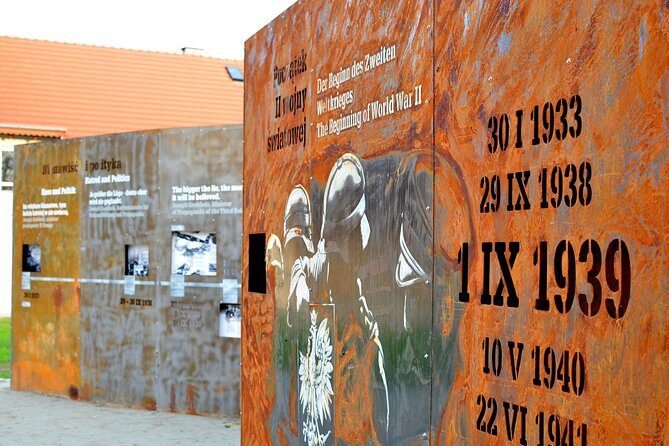
At around $236, this isn’t a cheap outing, but when you consider the inclusion of transport, expert guides, and access to these significant sites, it starts to look more reasonable. The reviews consistently praise the knowledgeable guides — “Tomek” and others — for their professionalism and ability to make history accessible. The fact that some visitors report feeling like they had a private experience because they were the only guests on their day highlights the personalized attention.
The visits are thoughtfully spaced out, giving you time to absorb each site without feeling rushed. The small-group format means you’ll have the chance to ask questions and get in-depth stories, more than you could on a large bus tour.
Impactful and diverse sites
What makes this tour particularly meaningful is the variety of locations: from the somber, sobering atmosphere of Gross-Rosen, to the awe-inspiring views from Ksiaz Castle, and finally to the mysterious underground tunnels of Osowka. Each adds a different layer to understanding WWII in Poland, making it a comprehensive, focused experience.
The emotional aspect
Travelers have expressed how impactful the visit to Gross-Rosen can be, with one mentioning it’s “very impactful,” giving ample time for reflection on the suffering endured during that dark period. As such, it’s an experience that resonates emotionally and intellectually. Be prepared for a serious, sometimes heavy day, but one that’s undeniably eye-opening.
Who Is This Tour For?

This isn’t a light or casual sightseeing trip. It’s best suited for history enthusiasts, students, or anyone genuinely interested in WWII and Poland’s role in it. If you’re eager to understand lesser-known sites and get a behind-the-scenes look at Nazi operations, you’ll find this tour rewarding.
Travelers should be comfortable with walking and standing for periods and be ready for a respectful, sometimes somber experience. The price point reflects the depth of content and the quality of the guides, so if you’re looking for a deeply educational day with authentic insights, this tour hits the mark.
Final Thoughts
In summary, this “Secrets of World War II” tour offers a rare look into the shadowy corners of WWII history in Lower Silesia. The combination of impactful sites like Gross-Rosen, the grandeur of Ksiaz Castle, and the mystery of Osowka provides a comprehensive picture of Poland’s wartime story. The small-group setting, knowledgeable guides, and included transportation make for a smooth, engaging day that’s well worth the cost if you’re genuinely interested in history.
While it’s a full-day commitment and involves emotionally heavy content, the experience’s depth and authenticity stand out. It’s perfect for those wanting to deepen their understanding of WWII beyond the usual tourist stops, and for anyone interested in the stories of resistance, brutality, and secret projects that shaped history.
The secrets of World War II
“Great tour to understand better the history and facts behind the WW2 on Poland and mainly on the region of Wroclaw. The visit on Gross-Rosen is ver…”
FAQ
How long is the tour?
The tour lasts approximately 9 hours, starting at 7:00 am with hotel pickup and ending with drop-off back at your accommodation.
What sites are included in the tour?
You’ll visit Gross-Rosen concentration camp, Ksiaz Castle, and the Osowka underground complex, all with guided commentary.
Is transportation included?
Yes, round-trip transport in an air-conditioned minibus is part of the package, along with hotel pickup and drop-off.
How many people are in the group?
The tour is limited to a maximum of 9 people, ensuring a more personal and flexible experience.
What’s the price?
It costs $235.98 per person, which covers entrance fees, transport, and guides. No extra charges are expected.
Is the tour suitable for children?
Children must be accompanied by adults, though the tour involves some emotionally heavy content and modest physical activity, so it’s best for older children or teens.
Can I cancel the tour?
Yes, cancellations are free if made at least 24 hours in advance. Full refunds are available for cancellations made 24 hours ahead.
How do I book?
You can reserve your spot through the provided link on Viator or contact the tour provider directly.
What should I bring?
Comfortable shoes and weather-appropriate clothing are recommended. Lunch is not included, so plan accordingly.
Is there a guide included?
Yes, an experienced English-speaking guide will accompany you, sharing detailed insights at each site.
If you’re eager to uncover the hidden stories of WWII and want a thoughtfully curated, meaningful day, this tour from Wroclaw is a strong choice. Just remember to prepare emotionally for some of the more somber sites, and you’ll come away with a richer understanding of Poland’s wartime past.