- Exploring the “History of Freud in Orvieto” Tour: A Deep Dive into Genius and Graffiti
- Key Points
- What to Expect from the Freud-in-Orvieto Tour
- The Itinerary Breakdown
- The Value of This Tour
- What’s Not Included
- Transportation and Group Size
- Why This Tour Works
- Who Should Consider This Tour?
- Frequently Asked Questions
- Wrapping Up
- The Best Of Orvieto!
- More Historical Tours in Orvieto
- More Tour Reviews in Orvieto
Exploring the “History of Freud in Orvieto” Tour: A Deep Dive into Genius and Graffiti
 1 / 7
1 / 7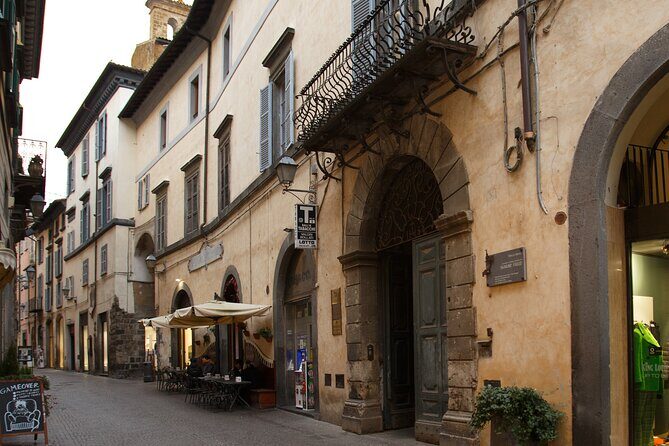 2 / 7
2 / 7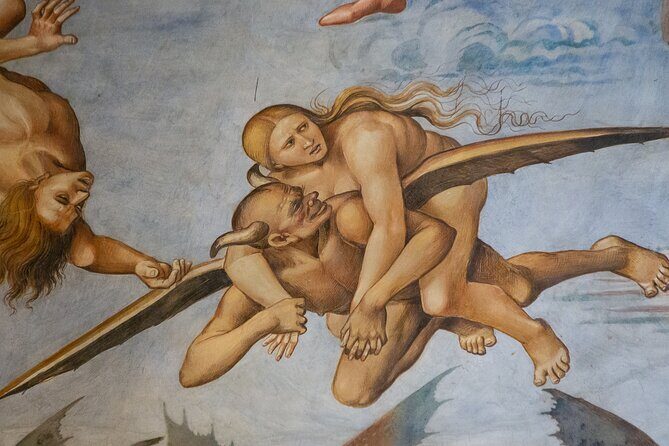 3 / 7
3 / 7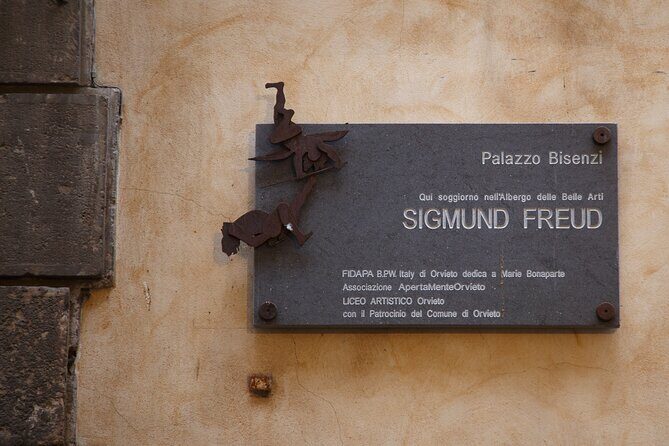 4 / 7
4 / 7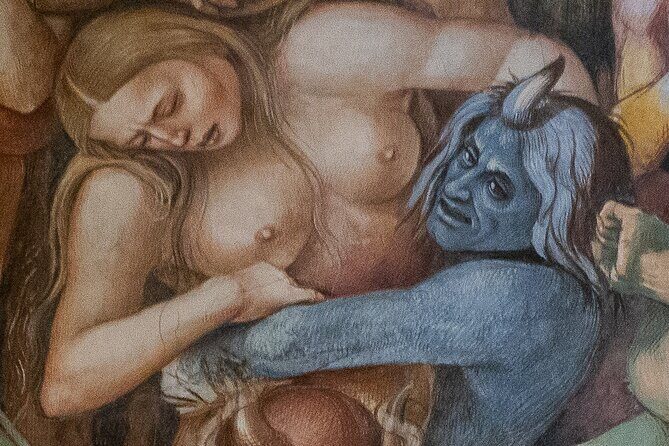 5 / 7
5 / 7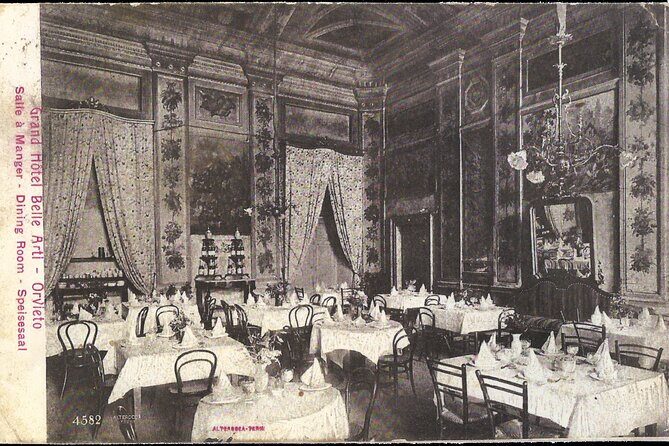 6 / 7
6 / 7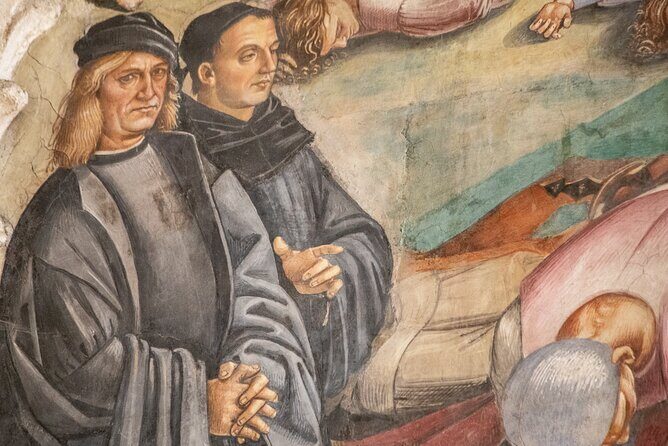 7 / 7
7 / 7If you’re into psychology, art, archaeology, or just a good story about how a city can influence a genius’s mind, this tour might pique your interest. We haven’t personally taken it, but from what’s shared, it offers a fascinating look at how Orvieto’s sights helped shape Sigmund Freud’s thoughts—yes, the Freud. This 4-hour walk takes you through some of the key places that stirred his intellect, emotional state, and imagination during his three visits in 1897.
What we really love about this experience is how it combines historical insights with visual beauty—you get to walk through a stunning Italian hill town while uncovering the less-known side of Freud’s life. Also, the tour is small, with a maximum of six travelers, which promises a more intimate and focused experience. The only downside? At around $290 per person, it’s not the cheapest option if you’re watching your budget, but for history buffs or psychology enthusiasts, it’s rich in detail and meaning.
This tour is perfect if you’re looking for something meaningful and different—a blend of art, archaeology, and the biography of a groundbreaking thinker—and don’t mind walking around for a few hours. It’s especially suited to those who appreciate or want to learn about Freud’s connections with Italy and how specific sights influenced his theories. If you’re a curious traveler craving a deeper understanding of how environment, art, and history intersect with genius, this could be a great pick.

👉 See our pick of the 2 Best Workshops & Classes In Orvieto (With Reviews & Prices)
Key Points
- Unique focus on Freud’s influence and stay in Orvieto
- Small group for personalized storytelling and attention
- Rich cultural stops including art, archaeology, and architecture
- Ideal for those interested in psychology, art, or Italian history
- A 4-hour, comprehensive walk that balances depth with accessibility
- Price reflects a curated experience, not just a sightseeing tour
You can also read our reviews of more historical tours in Orvieto

What to Expect from the Freud-in-Orvieto Tour
This experience is built to connect you with the places Freud visited during his time in Orvieto—places that had a lasting impact on his psyche and work. The tour’s careful design offers a rich, layered look at Freud’s life through the lens of specific sites, making his story more tangible and emotionally resonant.
The Itinerary Breakdown
Start at Teatro Mancinelli
You’ll meet here, where the guide provides a broad outline of Freud’s three days in the city and how each location played a role in shaping his thoughts. This introduction frames the journey and sets the context for the next stops. It’s a good way to get your bearings, especially if you’re new to Freud or Orvieto.
Piazza della Repubblica
Next, you’ll visit the site where Freud stayed during all three visits—the Palazzo Bisenzi, once the Hotel Delle Belle Arti. This spot ties directly into Freud’s personal history, and the nearby Church of Sant Andrea, with its remarkable fresco of St Julian the Hospitaller, influenced Freud’s perceptions of faith, heroism, and symbolism.
Pozzo di San Patrizio
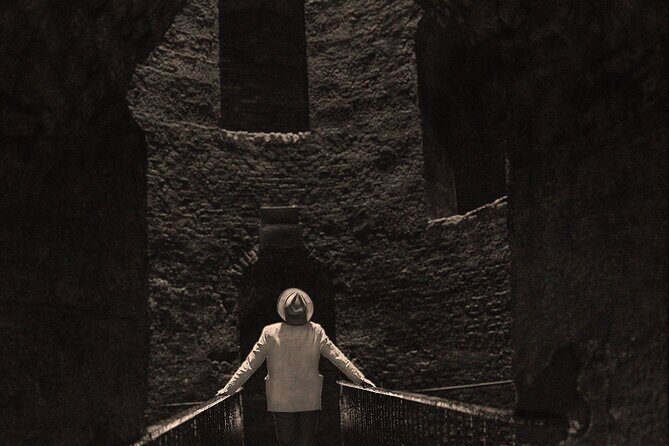
This spectacular well isn’t just an impressive Renaissance feat; it’s a symbol of descent—literally into the depths of the earth and figuratively into Freud’s subconscious. At 50 meters deep, it’s a visual and physical reminder of Freud’s exploration of the unconscious mind. The visit here also offers the chance to reflect on how physical architecture can mirror psychological journeys.
Necropoli etrusca di Crocifisso del Tufo
Freud’s fascination with archaeology and ancient relics is well-documented, and here you’ll visit the Etruscan Necropolis. The house-like tombs fascinated Freud so much that they influenced his famous dream about being buried—an idea that found its way into The Interpretation of Dreams. You’ll also enjoy a coffee at the Igloo Café, giving a moment to ponder the historical layers beneath your feet.
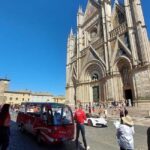
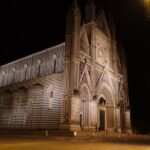
Duomo di Orvieto
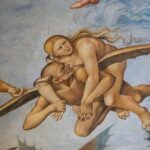
The grand finale is the cathedral, where you’ll see Signorelli’s “End of the World” frescoes. Freud was deeply affected by these vivid, symbolic images, which allegedly inspired his concept of the “Freudian slip”—a tiny mistake revealing deeper truths. You’ll also see the Miracle of Bolsena frescoes and Scalza’s Pietà, both impactful works that Freud admired—art that speaks to themes of suffering, faith, and human experience.
The Value of This Tour
For just over $290, you’re paying for a carefully curated journey that intertwines art, history, and psychology. The small group setting ensures you get personalized stories and insights that go beyond the usual tourist spots. The tour’s length—about four hours—strikes a good balance, giving enough depth without feeling rushed.
The admission fees are included, so you won’t need to worry about extra costs, and the tour operates daily, making it flexible to fit into most schedules. Most travelers will find this both an educational and inspiring experience, especially if they have an interest in Freud or Italian art and architecture.
What’s Not Included
You’ll need to find your own lunch, which is a nice chance to explore Orvieto’s many cafes at your own pace. Since most of the tour is walking, comfortable shoes are a must, and be prepared for some gentle hill walks through the city’s lovely streets.
Transportation and Group Size
The tour begins at Teatro Mancinelli, easily accessible by public transportation or walking from central accommodations. For the Etruscan Cemetery, you’ll be transported by car—so expect some variation in transportation modes. The maximum group size of six ensures that you get plenty of attention and detailed storytelling from your guide.
Why This Tour Works
It’s clear from reviews that this isn’t just a checklist of sights. One traveler described it as a “fascinating and well-researched tour” that made them feel “privy to the inner workings of a genius mind.” The personalized approach and focus on Freud’s personal journey make it stand out from typical city tours.
The landmarks aren’t just beautiful—they are symbolic. Visiting sites like the Pozzo di San Patrizio and the Etruscan necropolis adds a layer of symbolic meaning that enriches your understanding of Freud’s theories. The art and architecture are more than just eye candy; they are integral to the psychological narrative.
Who Should Consider This Tour?
This experience is best for travelers with an interest in Freud, psychology, art, or archaeology. If you enjoy stories that connect personal history with physical spaces, you’ll find this engaging. It’s also suited for those who prefer small groups and thoughtful storytelling over large, rushed sightseeing.
Keep in mind, the tour involves walking and some driving, so it’s not ideal if you’re looking for a very relaxed, leisurely stroll—though the pace is manageable. Also, if you’re on a strict budget, this isn’t the cheapest option, but the depth of insight and the beautiful locations make it worthwhile for many.
Frequently Asked Questions
- How long is the tour?
It lasts approximately 4 hours, including stops at all key sites. - Is the tour suitable for children?
While mainly aimed at adults interested in Freud, art, and archaeology, most travelers of all ages can participate, but keep in mind the walking involved. - Are tickets included?
Yes, all fees and taxes are included in the $290.89 per person cost. - What is the meeting point?
The tour starts at Teatro Mancinelli in Orvieto, on Corso Cavour. - Can I cancel the tour?
Yes, free cancellation is available up to 24 hours in advance. - Is there transportation involved?
Most of the tour is a walk, but you’ll be transported by car to the Etruscan necropolis. - What should I wear?
Comfortable walking shoes are recommended, as you’ll be exploring different sites in the city. - Is the tour available year-round?
Yes, from February 2024 through June 2026, every day from 9:00 AM to 7:00 PM. - How many people are in a group?
A maximum of 6 travelers ensures a personalized experience. - Are service animals allowed?
Yes, service animals are permitted.
History of Freud in Orvieto
Wrapping Up
This “History of Freud in Orvieto” tour offers a thoughtful blend of art, archaeology, and personal story that makes it stand out from typical city excursions. It’s especially appealing if you’re a fan of Freud’s work or want to see Orvieto through a different lens—one that highlights the influence of environment and art on a thinker’s mind.
Expect a well-researched narrative, beautiful Italian scenery, and a small group atmosphere that fosters connection and curiosity. The sites are not only visually stunning but loaded with symbolic meaning that can deepen your understanding of Freud’s theories and life.
While it’s not the cheapest tour, the depth of context and the intimacy of the group make it a worthwhile investment for those eager to explore the interplay of history, art, and psychology in one of Italy’s most charming towns.
This experience is best suited for intellectually curious travelers who appreciate a personal, story-driven approach, and who want to walk away with more than just snapshots—more like a richer understanding of a man who changed how we think about ourselves.
Ready to explore Freud’s footsteps in Orvieto? This tour might just give you a new perspective on how a city can inspire a genius.