
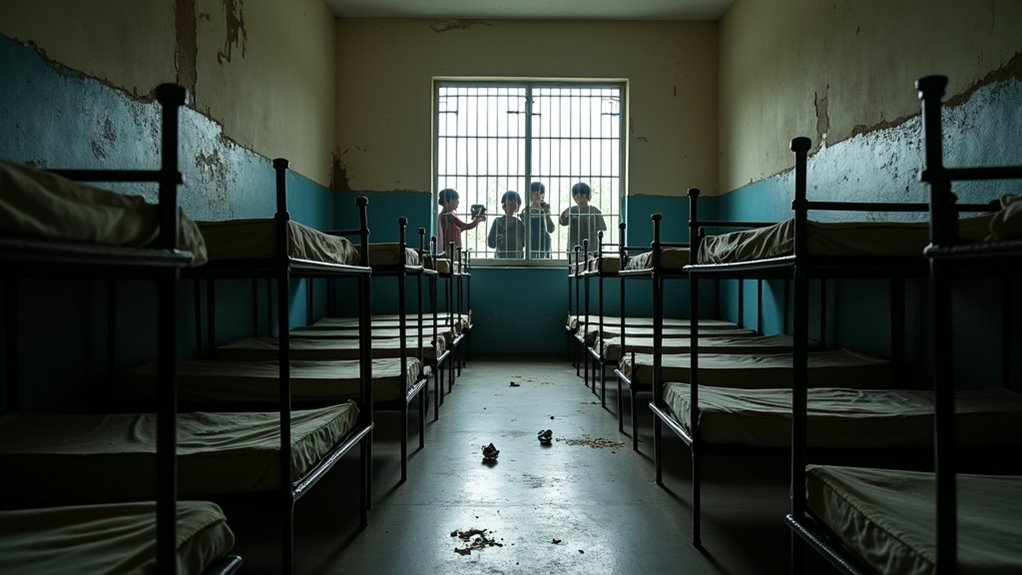
You’re unknowingly funding child trafficking when you visit orphanages as travelers. These institutions often recruit children from loving families to meet tourist demand, causing severe psychological trauma through repeated abandonment cycles. Your well-meaning visit supports systems that commodify vulnerable children for entertainment while undermining professional childcare standards. Most “orphans” actually have living parents who simply lack resources. The industry prioritizes profit over safety, dramatically increasing abuse risks. Discover evidence-based alternatives that help children thrive.
- Orphanage Tourism Creates False Demand That Separates Children From Families
- The Industry Fuels Child Trafficking Networks Across Vulnerable Communities
- Short-Term Visits Cause Severe Attachment Disorders in Developing Children
- Institutional Settings Dramatically Increase Physical and Sexual Abuse Risks
- Children Become Commodified Products for Tourist Entertainment and Profit
- Your Well-Intentioned Visit Actually Harms More Children Than It Helps
- Poverty Tourism Exploits Both Families and Well-Meaning Travelers
- Volunteer Programs Undermine Professional Child Development Standards
- Cultural Imperialism Damages Local Communities and Traditional Support Systems
- Evidence-Based Alternatives Provide Better Outcomes for Vulnerable Children
- The Sum Up
Orphanage Tourism Creates False Demand That Separates Children From Families
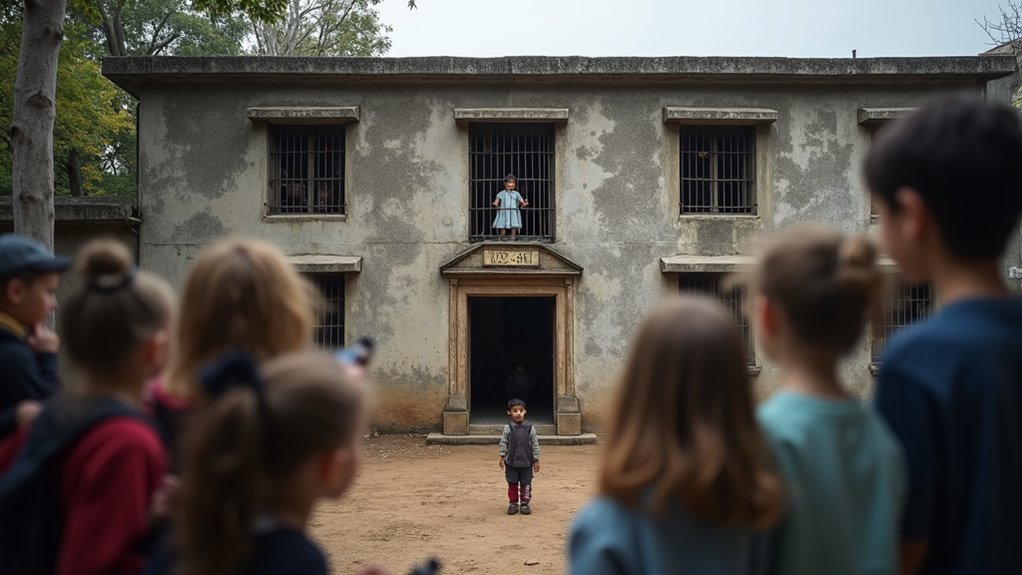
When you book that volunteer trip to help “orphans” overseas, you’re unknowingly feeding a machine that tears families apart. Here’s what really happens: your well-intentioned donation creates demand for more children in orphanages. Operators actively recruit kids from poor families to fill beds and meet your expectations of helping vulnerable orphans.
In Cambodia, orphanages doubled between 2009-2014 despite fewer actual orphans existing. Why? Tourism demand. Your volunteer fees become profit incentives for institutions that deliberately separate children from families who could care for them with proper support.
You think you’re responding to an orphan crisis, but you’re actually creating one. That heartbreaking child you want to help might’ve loving parents who simply can’t afford school fees or medical care. The reality is that approximately 80% of children in orphanages have at least one living parent who could provide care with adequate resources.
The Industry Fuels Child Trafficking Networks Across Vulnerable Communities
Behind every “volunteer opportunity” lies a darker truth: your desire to help vulnerable children is actively funding criminal networks that traffic kids into fake orphanages. When you pay volunteer fees, you’re creating demand that traffickers exploit by recruiting children from vulnerable families under the guise of providing better care.
In Uganda, children in institutions skyrocketed from 1,000 to 55,000 between the late 1990s and 2018—despite fewer actual orphans. This wasn’t coincidence; it was orchestrated trafficking to meet volunteer tourism demands. Many of these children have living parents who were deceived into believing institutional care would provide better opportunities than family life.
Traffickers deliberately target communities in poverty, promising parents their children will receive education and opportunities, then use these kids as props to attract well-meaning travelers like you. Your good intentions become the very fuel powering modern slavery networks across vulnerable communities.
Short-Term Visits Cause Severe Attachment Disorders in Developing Children
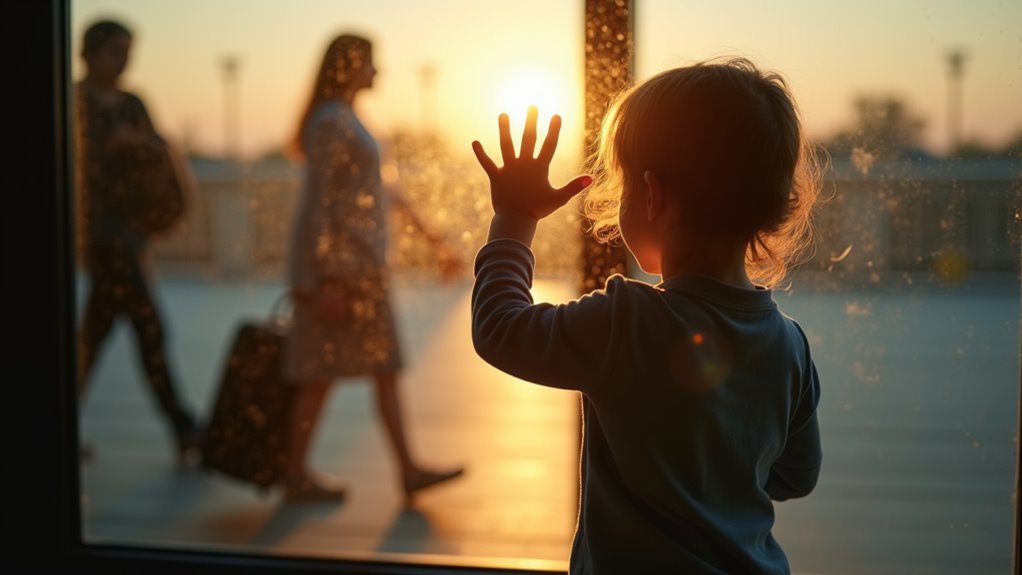
Every time you walk away from a child who’s grown attached to you during your week-long volunteer stint, you’re inflicting psychological damage that can last a lifetime. These children need consistent caregiving to develop healthy attachments, but your temporary presence creates a revolving door of abandonment.
Think about it from their perspective: you shower them with attention and gifts, then vanish without explanation. They’re left confused, wondering if they did something wrong. This pattern mimics bereavement – except it happens repeatedly with every volunteer group.
The result? Children develop attachment disorders, becoming either inappropriately friendly with strangers or completely withdrawn. Just as challenge-response mechanisms are designed to verify legitimate users versus automated tools, children unconsciously develop protective mechanisms to distinguish between temporary visitors and genuine caregivers.
Research shows these early disruptions lead to depression, anxiety, and relationship difficulties that persist into adulthood. Your good intentions can’t override basic child psychology.
Institutional Settings Dramatically Increase Physical and Sexual Abuse Risks
While you’re focused on helping children, you’re unknowingly placing them in environments where predators thrive. Orphanage tourism creates dangerous opportunities for child sex offenders who exploit weak regulations and unsupervised access.
In Cambodia, Nepal, and Thailand, poverty-stricken facilities allow volunteers into children’s rooms and permit unsupervised day trips.
The statistics are alarming: annual abuse incidence reaches 12.9% in institutional settings. Real cases prove this isn’t theoretical—a Canadian aid worker was convicted of sexually abusing boys in Nepal, while a French charity worker raped ten children in Kathmandu.
Your well-meaning visit contributes to “orphanage trafficking,” where children are recruited specifically to meet tourist demand. The voluntourism industry worth approximately USD 2 billion annually has created a profitable system that prioritizes revenue over child welfare.
You can’t adequately vet facilities during short visits, leaving vulnerable children exposed to predators masquerading as helpers.
Children Become Commodified Products for Tourist Entertainment and Profit
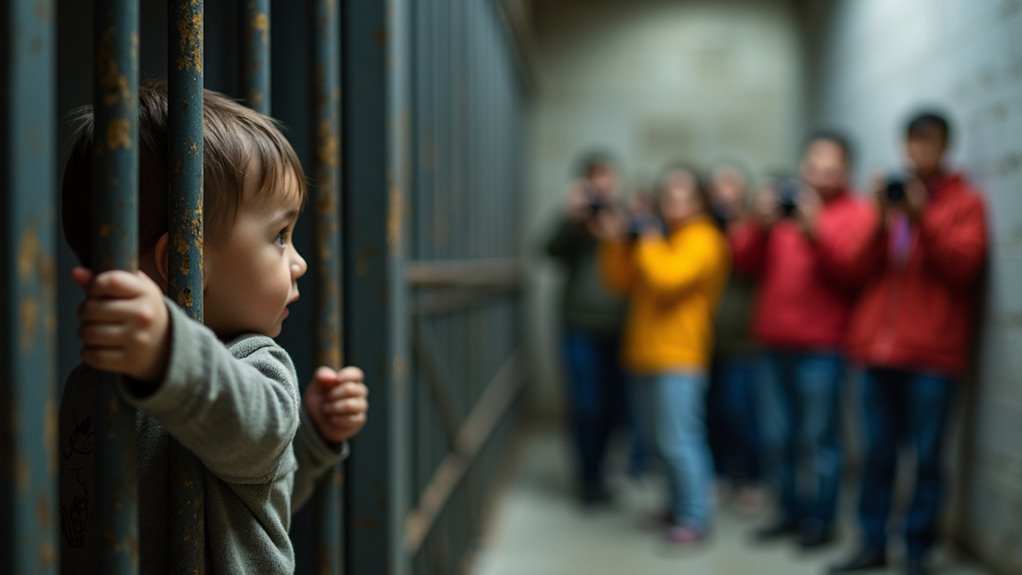
Beyond the safety risks lies an even more disturbing reality: your visit turns vulnerable children into products for sale. When I first learned about “hug-an-orphan vacations,” I couldn’t believe travelers were paying to emotionally connect with children who’d then be abandoned again. These institutions deliberately keep kids in poor conditions to maximize your sympathy and donations.
Children perform rehearsed songs and dances, forced to display constant warmth to strangers—it’s emotional labor without wages.
The numbers tell a horrifying story: Uganda saw a 1,624% increase in orphanage children despite fewer actual orphans. Eighty percent had living parents but were separated to fill beds for tourist dollars. Your well-intentioned visit feeds this system where children become commodified attractions, marketed alongside slum tours and wildlife encounters. This demand driver for child trafficking operates differently from typical trafficking because it’s fueled by travelers’ perception that countless vulnerable orphans need their help.
Your Well-Intentioned Visit Actually Harms More Children Than It Helps
The moment you walk through those orphanage doors, you unknowingly trigger a cascade of psychological harm that’ll follow these children for years. Your week-long visit creates another painful goodbye cycle, teaching kids that relationships are temporary and adults can’t be trusted.
While you’re forming bonds during craft time and playground games, these children are learning to protect themselves by emotionally withdrawing from future connections.
The institutional setting you’re supporting delays essential family-based care reforms. Your donations, though well-meaning, create financial incentives for facilities to recruit more children from struggling families rather than providing community support.
Meanwhile, constant visitor interruptions pull kids from classrooms, disrupting their education. Research consistently shows that even quality institutions cause developmental delays compared to family environments. Children in group care are nearly four times more likely to experience sexual abuse than those in family settings.
Poverty Tourism Exploits Both Families and Well-Meaning Travelers
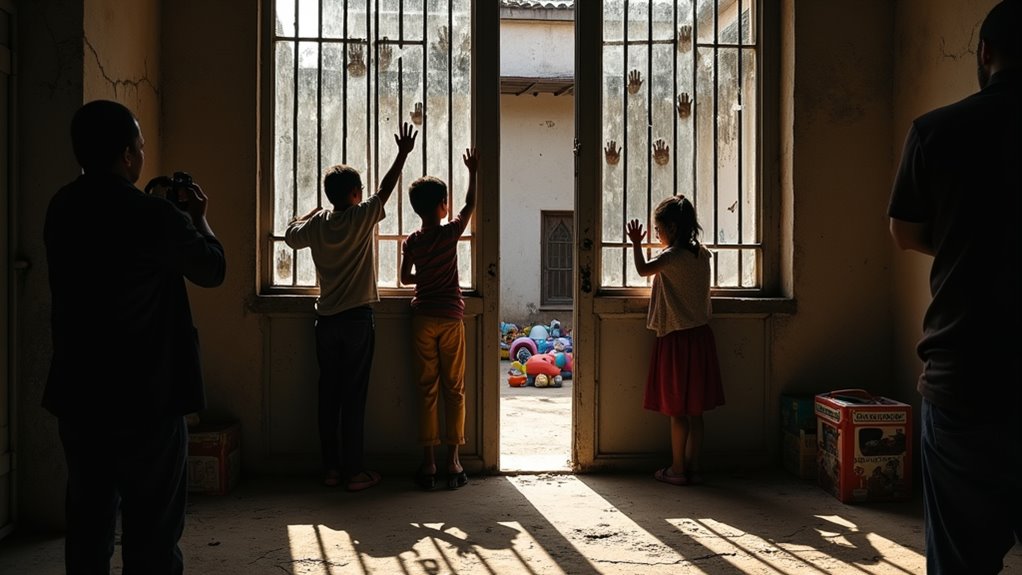
When you book that “authentic poverty experience” tour, you’re participating in a system that treats human suffering as entertainment. These tours commodify families’ daily struggles—their cooking, housing, and caregiving—turning intimate moments into tourist attractions. Marketing materials showcase “happy poor families” and children, creating poverty porn that reduces complex realities to visual drama.
You’re unknowingly supporting economic exploitation. Most tour fees go to external operators, not the families you’re observing. Communities report receiving little to no benefit despite thousands of visitors paying substantial amounts. Even successful operations like Kibera Tours generate only modest sums that fail to address the systemic poverty affecting entire communities.
Meanwhile, constant observation damages children’s dignity and self-image. Families adapt their behavior to match your expectations of visible suffering. Your well-intentioned visit reinforces harmful stereotypes while channeling money away from evidence-based programs that actually help families escape poverty.
Volunteer Programs Undermine Professional Child Development Standards
While volunteering at an orphanage might seem like meaningful service, you’re actually disrupting professional child development standards that vulnerable children desperately need. These children require trained caregivers who understand trauma-informed care, not well-meaning travelers with good intentions.
Professional standards demand consistent primary attachments—something your short-term visit can’t provide. When you leave after a week or two, you’re reinforcing the abandonment these kids have already experienced.
Research shows organized attachment behavior is 2.5 times more likely with consistent caregivers, not rotating volunteers. Children under three are especially vulnerable to developmental delays without proper care, and negative institutional experiences can cause lifelong harm.
Effective childcare requires extensive training in behavioral development, early intervention techniques, and neuroscience—competencies you simply can’t develop during a brief volunteer stint. Your presence, however well-intentioned, undermines the professional infrastructure these vulnerable children need to thrive.
Cultural Imperialism Damages Local Communities and Traditional Support Systems
Behind every orphanage volunteer program lies a troubling reality: you’re participating in a system that systematically dismantles the very communities these children come from. When you volunteer at orphanages, you’re unknowingly supporting cultural imperialism that tears apart traditional family structures and community support networks.
I’ve seen firsthand how foreign funding prioritizes institutional care over strengthening existing community systems. Your well-meaning donations actually incentivize separating children from their families and cultures. These programs promote Western child-rearing models while dismissing centuries-old community care traditions.
The orphan industrial complex profits by convincing you there’s a crisis requiring your intervention. Meanwhile, local communities lose their agency to care for vulnerable children in culturally appropriate ways. Your participation perpetuates neocolonial power structures that position Western approaches as superior to indigenous support systems.
Evidence-Based Alternatives Provide Better Outcomes for Vulnerable Children
You might wonder what actually works if orphanage volunteering causes so much harm. The research is crystal clear: children thrive in families, not institutions. Studies across Eastern Europe and Asia show kids moved from orphanages to family-based care gain markedly in IQ, language skills, and social development.
Here’s what’s shocking: most children in orphanages aren’t actually orphans. Research in Cambodia and Uganda reveals the majority have living parents who simply lack resources. When communities receive family-strengthening support—cash transfers, school fees, parenting programs—children stay safely with their families.
Instead of funding orphanages, effective programs redirect money toward community-based care, kinship placements, and family support services. These evidence-based approaches prevent unnecessary separation while building local capacity for sustainable child protection.
The Sum Up
You’ve got the power to make a real difference by choosing family-based support programs instead. I’ve seen travelers redirect their energy toward sponsoring children in their home communities – it’s incredibly rewarding. You’ll create lasting impact without causing harm. Skip the orphanage visits and opt for community development projects that keep families together. Your kids will learn compassion through meaningful action, not problematic tourism that damages vulnerable children’s lives.