
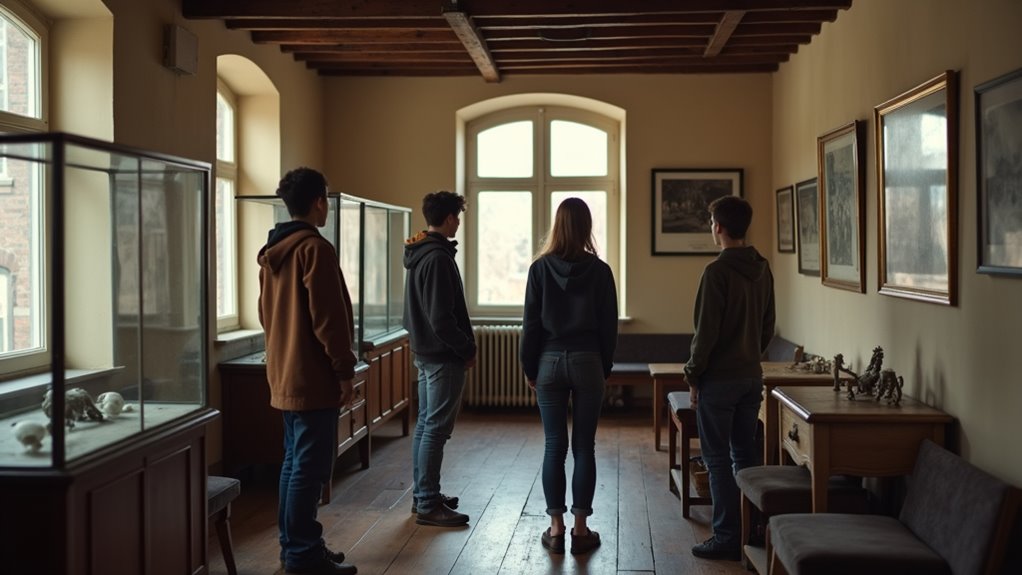
Book your tickets online six weeks ahead since they’re released Tuesdays at 10 a.m. and sell out quickly. Prepare your teenager by watching “The Short Life of Anne Frank” documentary and reading diary excerpts together beforehand. Consider evening visits for fewer crowds and a more reflective atmosphere. Use the youth audio tour designed for ages 10-15 that’s narrated by Anne herself. Be ready for narrow staircases, cramped spaces, and emotional intensity—plan for natural pause moments and follow-up discussions to process the experience fully.
- Book Timed Tickets Online Well in Advance
- Prepare Your Teenager With Historical Context Before Visiting
- Consider Evening Hours for a Less Crowded Experience
- Use the Youth-Focused Audio Tour for Age-Appropriate Guidance
- Be Ready for the Physical and Emotional Intensity of the Secret Annex
- Allow Flexibility With Pacing and Breaks During the Visit
- Focus on Both the Difficult History and Stories of Hope
- Plan Meaningful Follow-Up Discussions and Activities
- The Sum Up
Book Timed Tickets Online Well in Advance

Since the Anne Frank House doesn’t sell tickets at the door, you’ll need to secure your spot online through their official website well before your Amsterdam trip.
New tickets drop every Tuesday at 10:00 a.m. Amsterdam time for visits six weeks later. Set an alarm and log in early—popular slots disappear within minutes, especially during peak season from March through October.
Have your preferred date, backup times, and payment details ready before you start. Weekend mornings sell out fastest, so consider afternoon slots if you’re flexible.
The 15-minute entry windows are strict, so choose times that work with your teens’ energy levels and other plans. If you miss the initial release, last-minute tickets are also released one week before each visit date on Tuesdays at 10 AM. Once tickets show sold out, there’s no waiting list or last-minute options available.
Prepare Your Teenager With Historical Context Before Visiting
While your teenager might roll their eyes at the suggestion of a history lesson, spending time before your visit to discuss Anne Frank’s story will transform their museum experience from confusing to meaningful.
Start by watching “The Short Life of Anne Frank” documentary together, which covers her family’s background and the Secret Annex’s history.
Read excerpts from her diary aloud, focusing on entries about her relationship with Peter van Pels or frustrations with her parents—topics that’ll resonate with your teen’s own experiences.
Explain how eight people survived in that 450-square-foot space for over two years, sharing bedrooms and living in constant fear. The moveable bookcase that concealed the entrance was their lifeline to safety, hiding them from Nazi discovery for over two years.
When your teenager understands Anne’s daily struggles with identity, family conflicts, and dreams for the future, they’ll connect emotionally with the physical space they’re about to enter.
Consider Evening Hours for a Less Crowded Experience
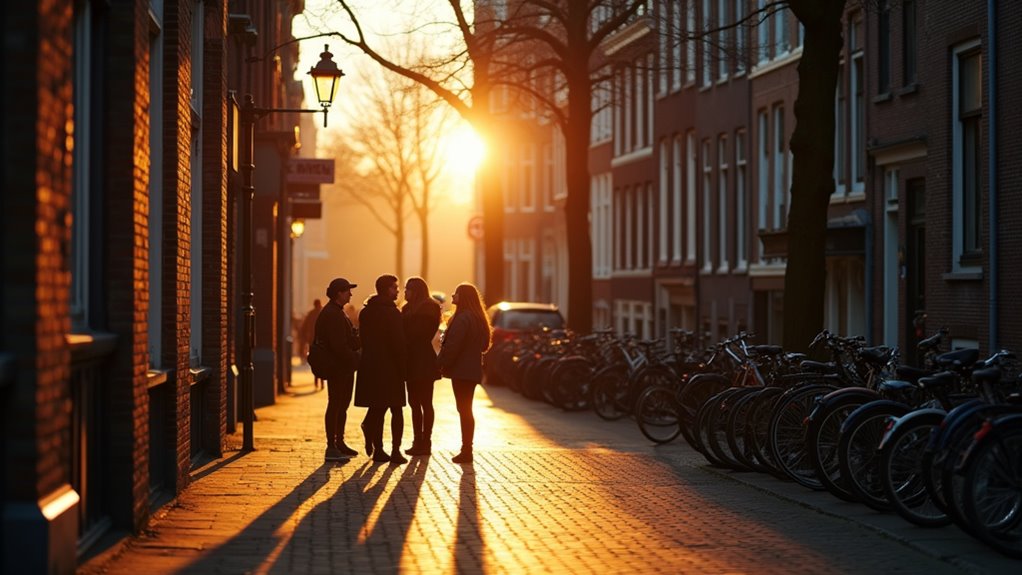
Although the Anne Frank House stays open until 10:00 pm daily, most travelers don’t realize that evening visits offer a dramatically different experience than the packed morning hours. You’ll find fewer crowds gathering toward closing time, creating a quieter, more reflective atmosphere that’s perfect for teenagers who might feel overwhelmed by busy tourist sites.
Evening slots often remain available when popular morning times sell out quickly. The last entry at 8:45 pm gives your family plenty of time to explore without rushing. Since teenagers typically prefer later schedules anyway, evening visits work naturally with their rhythms.
Remember to book tickets every Tuesday at 10:00 am CET for the following six weeks, and arrive 10-15 minutes early for your time slot to guarantee smooth entry. The museum’s subdued ambiance naturally enhances this contemplative experience, making evening hours particularly meaningful for thoughtful exploration.
Use the Youth-Focused Audio Tour for Age-Appropriate Guidance
Once you’ve secured your evening tickets and arrived at the museum, make sure to request the youth-focused audio tour designed specifically for visitors aged 10-15. This free audio guide features Anne Frank herself as your narrator, sharing her story from her own perspective rather than through adult historians.
The tour automatically activates as you move through different rooms using beacon technology, so there’s no fumbling with apps or QR codes.
What makes this tour special is how Anne directly addresses young visitors, creating a personal connection that resonates with teenagers. She’ll guide you through both the front house and Secret Annex, sharing details about her 761 days in hiding and her diary writing. The experience includes voices of young people in multiple language versions, adding authenticity that helps teenagers connect with the story.
It’s available in eight languages, ensuring accessibility for international visitors.
Be Ready for the Physical and Emotional Intensity of the Secret Annex
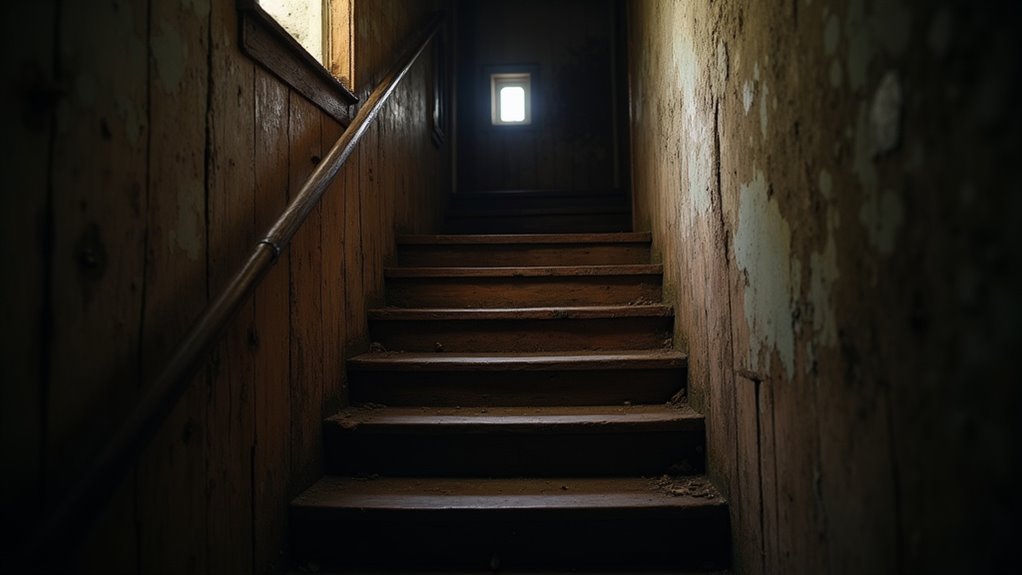
Before you step behind the famous moveable bookcase, prepare your teenager for an experience that’s both physically demanding and emotionally overwhelming. The Secret Annex involves steep, narrow staircases and cramped spaces that require single-file movement—not ideal if your teen struggles with tight spaces.
More challenging is the emotional weight. Your teenager will walk through rooms where eight people lived in constant fear for over two years, unable to go outside or speak during daylight hours. The blacked-out windows and confined quarters create an oppressive atmosphere that many visitors find heavy. The damp, poorly ventilated conditions that made colds and flu common among the residents add to the sense of how difficult daily life was in hiding.
Discuss beforehand that feeling upset or overwhelmed is normal—Anne’s story of lost teenage freedom and persistent danger affects people deeply.
Allow Flexibility With Pacing and Breaks During the Visit
Since the Anne Frank House follows a strict one-way route through narrow corridors and steep staircases, you can’t simply duck out for a breather once you’re inside—making pre-planning essential for managing your teenager’s energy and emotional state.
Plan for micro-pauses throughout the 60–75 minute visit. When crowds create natural standstill moments, use these opportunities to let your teen process what they’re seeing rather than rushing forward.
The introductory area and post-route exhibition offer more spacious environments where you can decompress together. The museum offers introductory programs that last 30 minutes each, which can help orient your teenager before the main visit.
Encourage your teenager to set their own reading pace—dense historical information becomes overwhelming when absorbed too quickly.
The audio-visual installations near the end provide seated viewing time, perfect for an emotional reset before discussing this profound experience together.
Focus on Both the Difficult History and Stories of Hope

While you’re managing the emotional intensity of the visit, remember that Anne’s story contains both profound darkness and remarkable light. Help teens understand the horrific reality—nearly six million European Jews murdered during the Holocaust—while also highlighting Anne’s remarkable spirit and wit that shine through her diary entries.
Point out how Anne maintained hope despite living under constant threat of death for two years. Her insights about human dignity and dreams of a free society connect directly to today’s youth. Anne’s act of rewriting her diary as a novel demonstrates her resilience and literary aspirations even in the face of unimaginable circumstances.
When discussing the 1.5 million murdered Jewish children, balance this devastating reality with Anne’s inspiring belief in human goodness.
Encourage teens to see how her story offers witness to both the dangers of hatred and the power of hope, making her legacy relevant to combating today’s prejudice and discrimination.
Plan Meaningful Follow-Up Discussions and Activities
After you’ve walked through the Secret Annex and witnessed Anne’s story firsthand, don’t let the learning end at the museum’s exit. The Anne Frank House offers excellent follow-up resources to deepen your teenagers’ understanding. Use their 3-Day Unit materials that include prep, visit, and debrief sessions—perfect for processing what they’ve just experienced.
Their extension lessons tackle complex topics like antisemitism and conspiracy theories, giving teens safe spaces to discuss difficult questions that inevitably arise.
Consider exploring Anne’s diary as both a historical document and literary work through their 55-75 minute activities. The timeline cards and primary source materials help teenagers connect personal stories to broader historical context.
Don’t miss their interactive prejudice lesson—it’s particularly powerful after teens have just walked through spaces where discrimination had devastating real-world consequences. These resources are available in nine languages, making them accessible for diverse groups of international visitors who want to continue their learning journey.
The Sum Up
Your visit to the Anne Frank House with your teenager will be profound and unforgettable. You’ve prepared them well, chosen the right time, and you’re ready for the emotional journey ahead. Remember, there’s no rush—let them process what they’re seeing at their own pace. Don’t be surprised if they’re quiet afterward; that’s normal. The conversations you’ll have later will be some of the most meaningful you’ll ever share together.