Belfast: ‘1798 – A Belfast Rebellion’ Walking Tour Review
If you’re curious about Belfast’s past and want to understand the roots of its complex history, this ‘1798 – A Belfast Rebellion’ walking tour offers a thoughtful glimpse into a pivotal moment. While I haven’t personally taken this exact tour, I’ve researched and heard from travelers who found it both insightful and engaging.
What really appeals are the chance to visit historical sites like St Mary’s Church and the Linen Hall Library, plus the opportunity to learn about the United Irishmen—a group that played a crucial role in the rebellion. Another highlight is how the tour balances detailed storytelling with visits to physical locations that bring history alive.
One thing to consider is the tour’s length—just 2.5 hours—which makes it manageable but also means you’ll want to keep pace if you’re looking to see a lot. It’s best suited for history buffs or travelers who want a deeper understanding of Belfast’s political roots, rather than those just looking for a quick sightseeing fix.
If you’re interested in Irish history, especially the stories of rebellion, liberty, and the fight for equality, this tour could be a solid pick. It offers an accessible way to connect with Belfast’s past without feeling overwhelming.
Key Points

- History Focus: Covers the 1798 Rebellion and its significance in Belfast.
- Historical Sites: Includes visits to St Mary’s Church, Linen Hall Library, and other key locations.
- Expert Guide & Clear Audio: Guides are local and knowledgeable, with headsets to enhance clarity.
- Accessible & Manageable: Less than two miles, flat route, suitable for most visitors.
- Reflective Experience: Encourages understanding of Belfast’s political and cultural evolution.
- Flexible Booking: Reserve now, pay later, with free cancellation up to 24 hours in advance.
👉 See our pick of the 11 Must-Try Shore Excursions In Belfast
What to Expect from the Tour
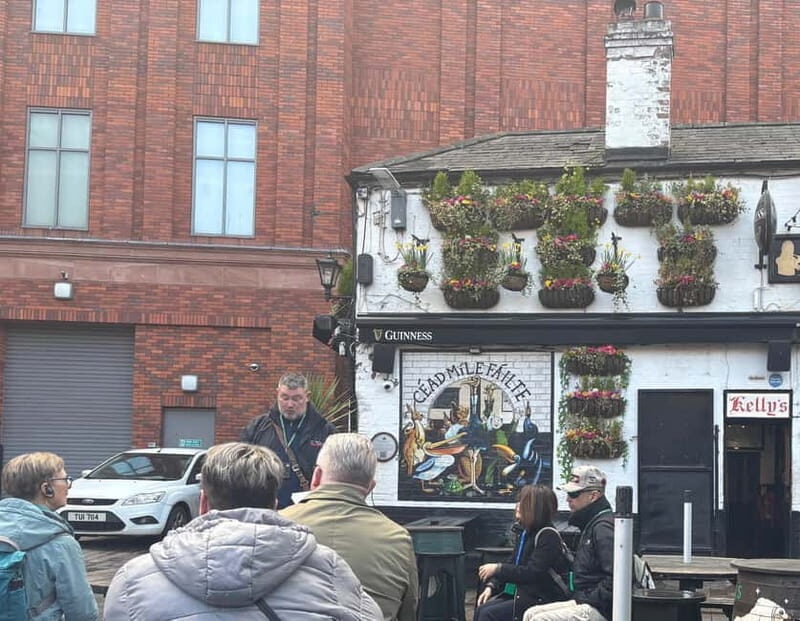
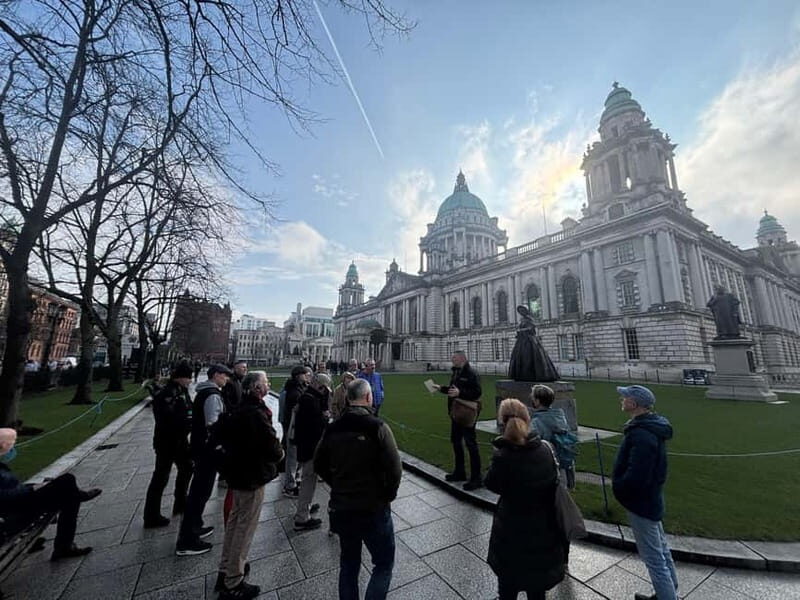
Starting at the gates of Belfast City Hall, the tour sets a scene of a city on the brink of change. You’re quickly transported back over 200 years, imagining Belfast’s early modern days when shipping, linen, and shipbuilding were beginning to shape its identity. The guide’s storytelling makes this era feel immediate, connecting the dots between commerce, culture, and political uprising.
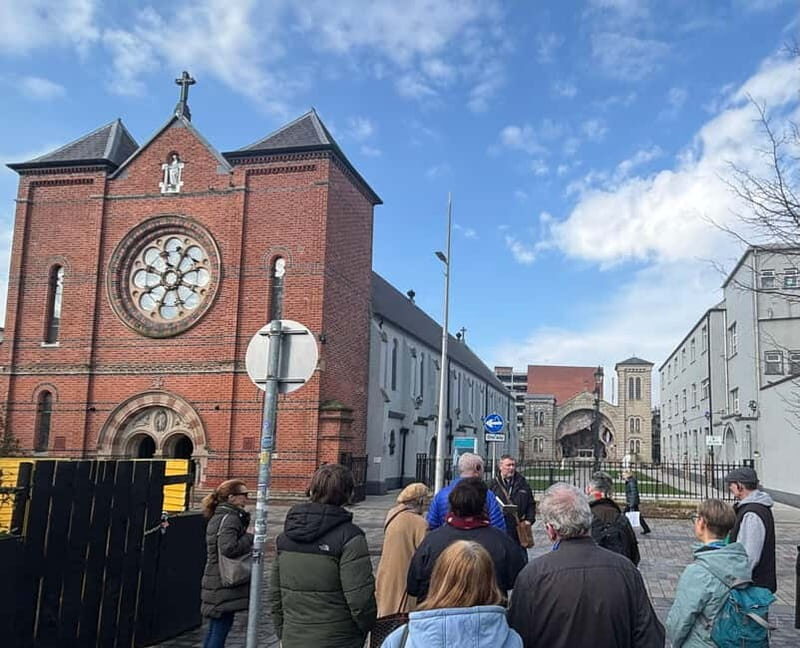
Visiting St Mary’s Church—Belfast’s first Roman Catholic church—provides a tangible link to religious and social tensions of the time. It’s a historic site opened in 1784, and seeing it with a guide’s commentary helps illuminate the significance of Catholic and Protestant relations in Belfast’s history. Alongside this, the proximity to Rosemary Street and the McCracken family’s home offers context on the social networks that fueled revolutionary ideas.
A key part of the tour is the visit to the Linen Hall Library, where in 1796, Thomas Russell was arrested. This library was not just a repository for books but also a hub for ideas and activism. When you’re there, you’ll appreciate how the act of reading and exchanging ideas was intertwined with revolutionary movements.
Next, the Exchange and Assembly Rooms—the site where Henry Joy McCracken was court-martialed—adds an emotional weight. McCracken, a leader in the rebellion, was executed here, and standing on this ground gives you a small window into the brutal consequences of political unrest. The tour also touches on the Joys Entry and St George’s Church, adding layers of local history and community life.
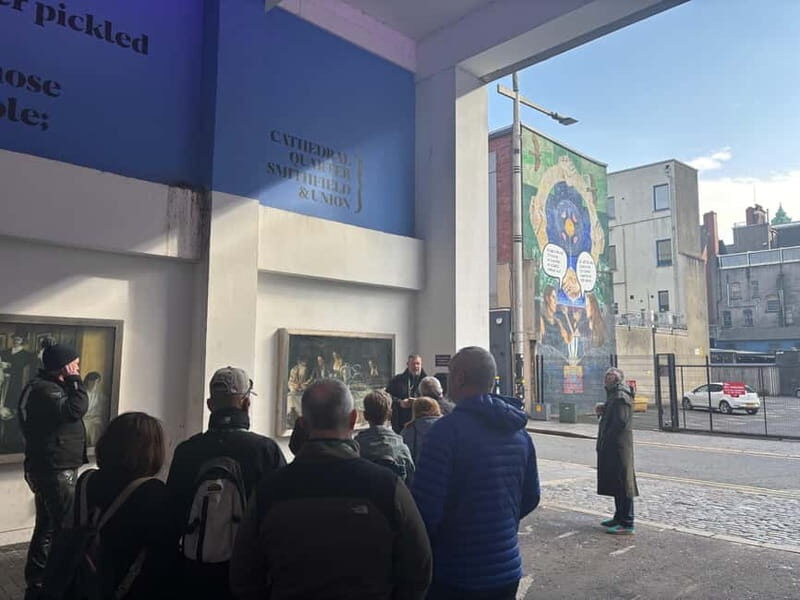
Throughout the tour, the guide connects these sites to the broader story of Irish independence and the ongoing impact of these historical struggles. The experience encourages reflection on how these events are remembered (or forgotten) and their relevance today, especially in light of Belfast’s more recent peace processes like the Good Friday Agreement.
You can also read our reviews of more walking tours in Belfast


The Value of the Experience
For about 2.5 hours, the tour offers an in-depth yet approachable look at Belfast’s rebellious past. The route is less than two miles and flat, so it’s suitable for most walking abilities. The use of vox headsets ensures everyone can hear clearly, which is especially helpful in busy city streets.
What makes this tour stand out is its focus on storytelling rather than just ticking off landmarks. The guide’s insights help you understand the motivations and fears of those involved in the rebellion. It’s a more nuanced perspective than just a list of dates and names.
The price, which includes access to the sites and a knowledgeable guide, seems reasonable given the depth of information and the quality of the sites visited. The tours are run on the first and third Saturday of each month, making it a good option for weekend visitors.
Some reviews highlight the emotional impact of the story, with one traveler mentioning, “Hearing about McCracken’s fate made the history feel very real.” Others appreciated the local expertise of the guide, which helps to contextualize Belfast’s complex history without feeling like a dry lecture.
It’s worth noting that the tour is wheelchair accessible, making it inclusive for more visitors. Also, because it ends back at the starting point, it’s easy to plan additional activities afterward.
The Experience in Detail
We loved the way the tour begins at City Hall—a grand, central spot that immediately grounds you in Belfast’s civic life. The guide’s storytelling about Belfast’s early trade and its burgeoning identity helps set the stage for understanding how economic and political aspirations intersected.
As you move to St Mary’s Church, you get to see Belfast’s first Catholic church—an important milestone in religious equality. The guard of honor from the Belfast Volunteers adds a sense of ceremony and respect. It’s a calm but meaningful beginning that highlights Belfast’s religious diversity.
Walking towards Rosemary Street, you pass by the McCracken family home and the historic meeting houses, which shed light on how religious and political beliefs intertwined. The Presbyterian influence was significant, and understanding how their democratic church structures supported revolutionary ideas helps explain their role in the rebellion.
The visit to Linen Hall Library is particularly compelling—it’s more than a quiet research spot; it was a hub for radical ideas and activism. We found it fascinating how something as simple as a library could be a site of political tension, where Thomas Russell’s arrest underscores the risks revolutionaries faced.
The site of Henry Joy McCracken’s court-martial is a sobering stop. Standing where he was tried and later executed makes the story visceral. The guide explains his importance as a leader, and you can’t help but feel the weight of his sacrifice.
Exploring Joys Entry and nearby St George’s Church adds texture to the story, illustrating Belfast’s social fabric during turbulent times. The guide’s anecdotes make these places come alive—imagine the fervor and fear that must have filled the streets then.
Throughout the tour, you’ll find yourself thinking about how these past events have shaped modern Belfast. The final reflection at City Hall encourages you to consider the legacy of rebellion—how it’s remembered, misunderstood, or even shunned—and how it still offers hope for equality and justice.
Who Should Consider This Tour?
This tour is perfect for history enthusiasts who want a detailed look at Belfast’s political roots. It’s well-suited for those interested in Ireland’s fight for independence and the social movements that contributed to it. The manageable pace and accessible route make it appealing for most visitors, including those with limited mobility.
It’s a good fit for travelers looking for a thought-provoking experience that goes beyond typical sightseeing—one that fosters understanding of Belfast’s complexities. If you’re someone who appreciates stories of courage, sacrifice, and hope, this tour will resonate.
However, if you’re looking for a lively pub crawl or a more lighthearted tour, this isn’t it. Its focus on history and politics makes it more suitable for mature audiences or those genuinely interested in Irish history.
More Great Tours NearbyThe Sum Up
The ‘1798 – A Belfast Rebellion’ walking tour offers a compelling way to connect with Belfast’s turbulent past. Its combination of historic site visits, expert storytelling, and thoughtful reflection makes it a valuable experience for anyone wanting to understand the roots of Irish independence.
It’s especially recommended for travelers who enjoy learning about the social and political forces that shaped modern Belfast—and Ireland as a whole. The tour balances educational depth with accessibility, making it a memorable way to spend a couple of hours.
While it might not be suited for those seeking a fast-paced or purely entertainment-focused experience, it rewards curious minds with insights that linger long after the tour ends. If you’re eager to see Belfast through the lens of its revolutionary history, this walk will deepen your understanding and appreciation of this resilient city.
- Titanic Belfast Entrance Ticket: Titanic Visitor Experience Including SS Nomadic
★ 4.5 · 3,698 reviews


Belfast: ‘1798 – A Belfast Rebellion’ Walking Tour
FAQs
How long does the tour last?
The tour runs for approximately 2.5 hours, making it a manageable yet comprehensive look at Belfast’s past.
Where does the tour start and end?
It begins at the front gates of Belfast City Hall and finishes back at the same point, so you can easily plan your day afterward.
Is the route suitable for all walking abilities?
Yes, the route is less than two miles and is completely flat, making it accessible for most visitors.
How many people are in a typical group?
While the exact group size isn’t specified, guided walking tours generally maintain a manageable number to ensure everyone can hear and participate comfortably.
What’s included in the price?
You get a guided walk with a local expert, use of vox headsets for clear audio, and visits to key historical sites related to the 1798 Rebellion.
Can I cancel the tour if my plans change?
Yes, you can cancel up to 24 hours in advance for a full refund, giving flexibility if your schedule shifts.
Is the tour suitable for families or children?
The information doesn’t specify family-friendly considerations, so it’s best for older children or history buffs who can handle the subject matter.
Do I need to book in advance?
Yes, tours run on specific dates (first and third Saturdays), and booking is recommended to secure your spot, with a pay-later option available.
If Irish history and Belfast’s revolutionary past intrigue you, this tour could be a rewarding way to spend a couple of hours. It’s a well-balanced, insightful experience that sheds light on a complex chapter, making it a worthwhile addition to any Belfast itinerary.
You can check availability for your dates here:The Best Of Belfast!





More Walking Tours in Belfast



More Tours in Belfast



More Tour Reviews in Belfast
- Titanic Belfast Entrance Ticket: Titanic Visitor Experience Including SS Nomadic
★ 4.5 · 3,698 reviews