Looking at this full-day excursion through Northern Portugal’s most historically significant cities, we’ve found a tour that genuinely delivers on its promise of authentic cultural exploration without the tourist crowds. What stands out most is the exceptional quality of the guides—nearly every review mentions their depth of knowledge and personal warmth—combined with a thoughtfully paced itinerary that balances structured experiences with genuine free time to wander and discover on your own.
The real value here lies in how the tour contextualizes what you’re seeing. You’re not just checking off famous sights; you’re learning the interconnected story of how Portugal came to be a nation. That said, this is a long day—nine hours from start to finish—and you’ll want to come prepared for weather that can be unpredictable, especially in the cooler months.
This experience works beautifully for travelers who have a genuine interest in history and architecture, who don’t mind spending a good chunk of their day on a minibus, and who want to understand Northern Portugal beyond what they’d read in a guidebook. If you’re looking for a quick, action-packed excursion or prefer to explore entirely at your own pace without a guide, this probably isn’t your tour.
- What You’re Getting for Your Money
- The Itinerary Breakdown: Where You’ll Go and Why It Matters
- Bom Jesus Sanctuary: 19th-Century Engineering Meets Baroque Drama
- Braga Cathedral: Portugal’s First Cathedral
- Free Time in Braga: The Real Braga
- Guimarães: The Birthplace of Portugal
- Key Sites in Guimarães
- Guimarães Castle: Where History Began
- Igreja de São Miguel do Castelo: The Baptism Church
- Guimarães Historic Center: A UNESCO World Heritage Site
- The Experience Itself: What Traveling With This Tour Actually Feels Like
- The Guides Make the Difference
- The Pacing Works
- The Minibus Matters
- Weather Considerations and What to Expect
- The Language Question: Something to Know
- What’s Not Included and Budget Planning
- Who This Tour Is Really For
- The Numbers: What 2,552 Reviews Tell Us
- FAQ: Practical Questions About This Tour
- Final Thoughts: Is This Tour Worth Your Time and Money?
- More 1-Day Tours in Porto
- More Tour Reviews in Porto
What You’re Getting for Your Money
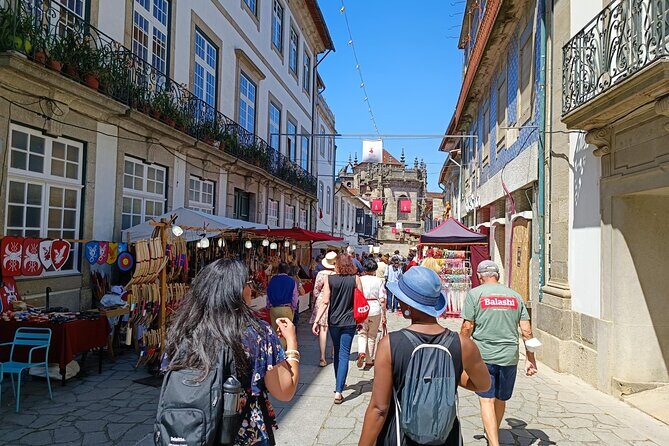
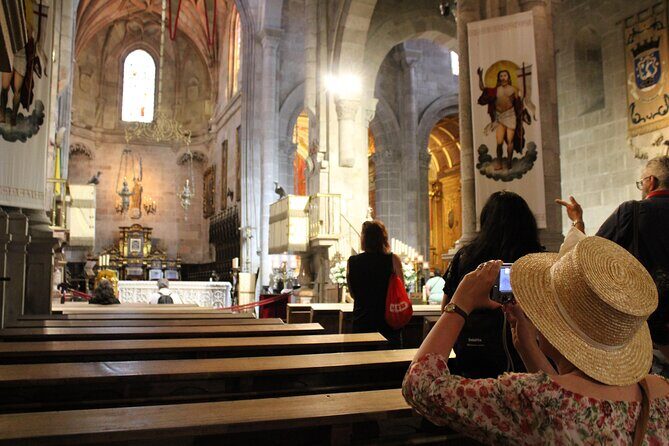
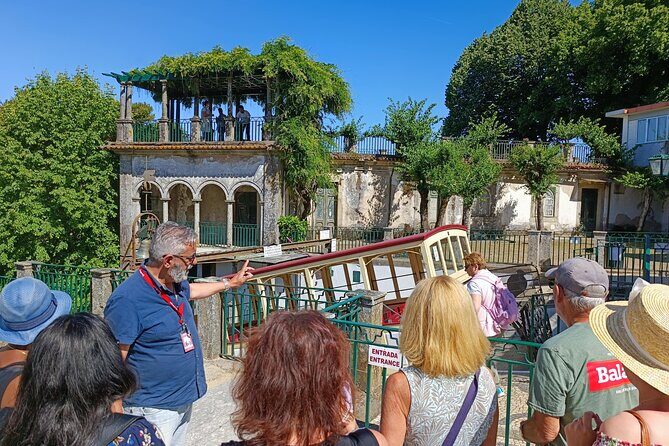
At $71.35 per person, you’re looking at one of the better values for a professionally guided, full-day excursion in Portugal. The price includes transportation in a comfortable air-conditioned minibus, admission to Braga’s Cathedral and Guimarães Castle, entrance to the Bom Jesus Sanctuary, and a walking tour of Guimarães’ UNESCO World Heritage center. That’s genuine admission costs covered—something many budget tours conveniently exclude from their headline price.
What you’re paying for fundamentally is access to guides who can explain the significance of what you’re seeing. One traveler noted, “The history lessons by our guide were some of the best I have ever experienced on a tour.” That’s the kind of feedback that repeats throughout the reviews, suggesting this isn’t just a “point and shoot” operation. You’re getting professional interpretation of some genuinely important historical sites.
The practical side of the value is equally important. The minibus seats a maximum of 27 people, which keeps groups manageable. You’re picked up near São Bento Train Station in Porto—centrally located and easy to find—and returned to the same spot around 5 p.m., giving you the evening back in the city. That’s better planning than many tours offer.
The Itinerary Breakdown: Where You’ll Go and Why It Matters
You can also read our reviews of more tours and experiences in Porto
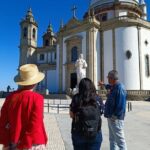

Bom Jesus Sanctuary: 19th-Century Engineering Meets Baroque Drama
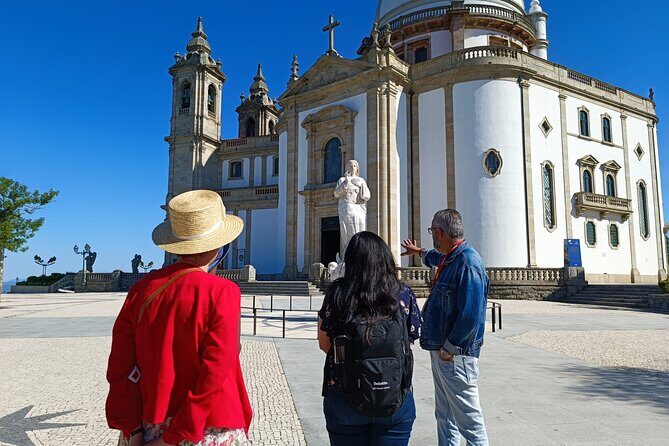
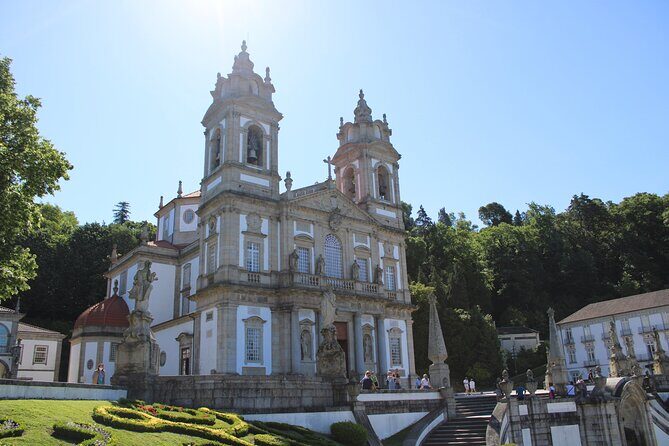
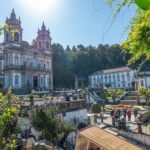
Your first stop after the drive through the Minho Region countryside is the Bom Jesus Sanctuary in Braga, one of Portugal’s most visually arresting religious sites. This isn’t a subtle church tucked away in a city center—it’s a sprawling complex built on a hillside, famous for both its architectural significance and its extraordinary staircase.
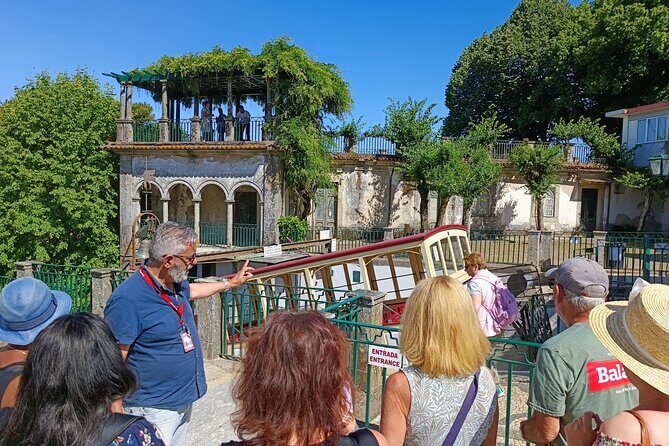
What makes Bom Jesus special is the famous funicular, or “vertical tram,” that’s been operating since 1882. This is genuinely impressive: the original water-powered system still functions, hauling passengers up a 300-meter ramp in just three minutes. It’s the kind of 19th-century engineering that makes you understand how seriously they took making this pilgrimage site accessible.
The staircase itself contains 17 landings, each decorated with symbolic fountains, allegorical statues, and baroque ornamentation representing different themes—the Stations of the Cross, the Five Senses, the Virtues. The church itself, designed by Carlos Amarante, sits at the top in a neo-classical style that somehow harmonizes with the landscape rather than dominating it. You get 30 minutes here, which is enough to either take the funicular up or walk the staircase (if you’re feeling energetic), see the church, and grab some photos. Admission is free.
Braga Cathedral: Portugal’s First Cathedral
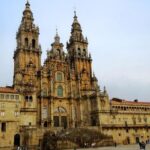
Your next stop is the Se de Braga, Braga’s Cathedral. This is historically significant in ways that might not be immediately obvious—this cathedral predates Portugal itself. Construction began in the late 11th century, and it was consecrated in 1089, decades before Portugal officially became an independent nation.
The cathedral competes architecturally and historically with the Cathedral of Santiago de Compostela in Spain, and it houses the burial chapel of D. Henrique and D. Teresa, the parents of Portugal’s first king. Walking through these spaces, you’re literally standing in rooms where the founding of a nation took shape. The guide will provide context that transforms what might otherwise be just another old church into something genuinely meaningful. You get 30 minutes here, and admission is included.
Free Time in Braga: The Real Braga
After the cathedral, you’ll have a full hour of free time to explore Braga on your own. This is where the tour’s planning becomes apparent. Rather than rushing you through more sights, you get genuine space to wander the charming streets, grab lunch at a local restaurant, browse shops, or simply sit in a square and observe the rhythm of an actual Portuguese city. One traveler specifically praised “being given 90 mins free to roam,” which tells you that this unstructured time is valued by people who’ve done the tour.
Guimarães: The Birthplace of Portugal
After the drive to Guimarães, you’re entering territory that’s even more historically charged. Guimarães is where Afonso Henriques, who became Portugal’s first king, was born. You’ll have two hours here, split between guided walking tours of specific sites and free time to explore the old town.


Key Sites in Guimarães
Guimarães Castle: Where History Began
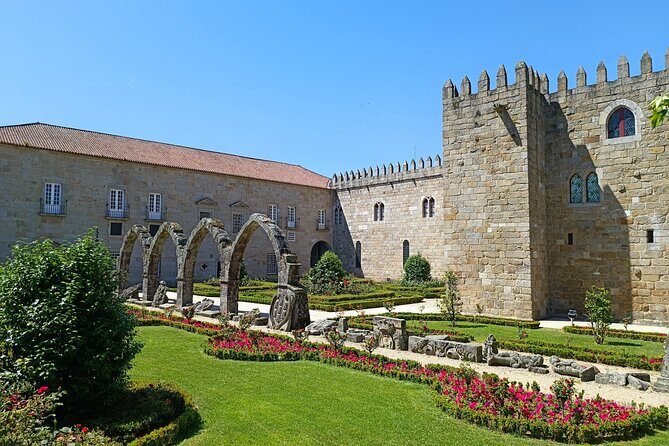
The castle is the centerpiece of Guimarães’ historical identity. Built around 968 by Mumadona, a countess of Galicia, as protection against Viking raids from the north and Muslim raids from the south, it was later expanded by Count Henry of Burgundy. The square keep between four corner towers is the dominant structure, and it’s likely where Afonso Henriques was born—though this isn’t strictly documented.
You should know that access to the castle walls is currently prohibited, and interior access is limited. So you’re viewing the exterior and walking through the grounds rather than exploring the interior rooms. Some travelers found this a bit disappointing—one reviewer noted “the fort at Guimaraes was a shell”—but the castle’s exterior is genuinely impressive, and the historical weight of standing where Portugal’s founding occurred carries its own power. Admission is included.
Igreja de São Miguel do Castelo: The Baptism Church
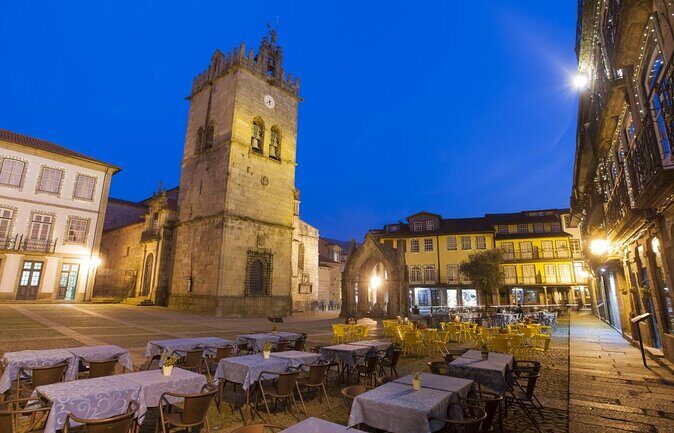
This small 13th-century church (possibly built in the 12th century) is where tradition holds that Count Henry baptized his son, the future first king. It’s simple, unadorned, and contains the burials of founding-era warriors. You’ll spend about 10 minutes here, and there’s no admission fee. It’s a brief but meaningful stop that adds texture to the narrative you’re building about Portugal’s origins.
Guimarães Historic Center: A UNESCO World Heritage Site
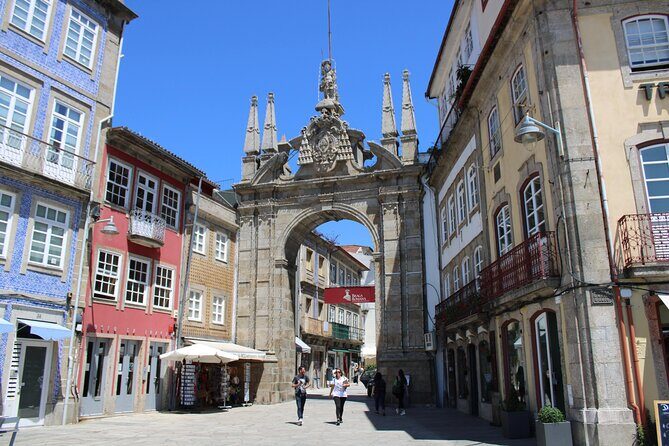
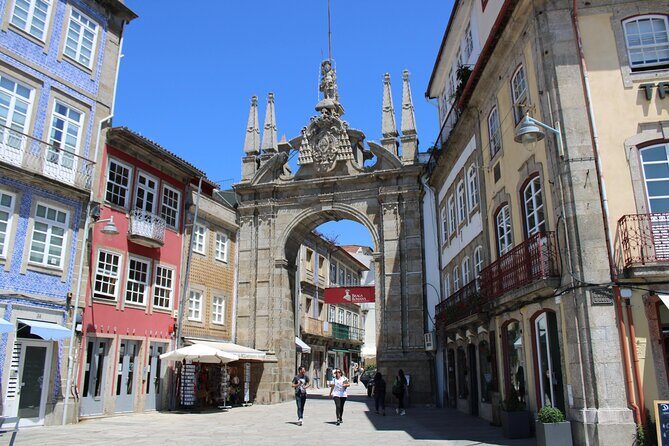
The real gem of Guimarães is the historic center itself, designated a UNESCO World Heritage site in 2001. This is a genuinely well-preserved medieval town where the restoration work has maintained authenticity rather than sanitizing everything for tourism. You’ll see graceful iron verandas, granite balconies and porticos, mansions connected by arched passages, and narrow streets with paving stones smoothed by centuries of footsteps.
Nobles built their houses here over generations—places like the Mota Prego house and Vila Flor and Toural palaces create an atmosphere that feels genuinely medieval rather than theme-park-like. You get 30 minutes to explore this area on your own, which is adequate time to wander the main squares and streets, grab lunch, or duck into a shop. Multiple reviewers noted they wished they had more time here, which says something about how engaging the place is.
The Experience Itself: What Traveling With This Tour Actually Feels Like
The Guides Make the Difference
Throughout the reviews, a consistent theme emerges: the guides are exceptional. Castro, Christian, Philip, Jose, Pedro, and Jorge are all specifically praised by name. The feedback goes beyond “knowledgeable”—travelers describe guides who are “extremely personable,” who check in with you individually during free time, who answer unexpected questions with confidence, and who clearly have genuine affection for the region they’re showing you.
One traveler wrote, “He spent the PERFECT amount of time in each place, none too short and none too long.” That’s not random—it’s the result of experience and attention to group dynamics. Another noted, “Even when people asked him questions that came out of nowhere, he always had great answers.”
This is worth emphasizing because the quality of a guided tour lives or dies by the guide. You could have the same itinerary with a disinterested guide reading facts off cards, and the experience would be entirely different. The consistency of praise across 2,500+ reviews suggests Living Tours has figured out how to hire and retain good people.
The Pacing Works
The tour balances structured time with guides and free time to explore independently. You’re not dragged from place to place on a rigid schedule, but you’re also not left to fend for yourself without context. One reviewer noted, “The trip had good pacing, proper amount of time per stop. Lunch break in Guimaraes was good to walk around the old town.” This balance is harder to achieve than it sounds—too much structure feels controlling, too much freedom feels abandoned.
The Minibus Matters
You’re traveling in an air-conditioned minibus rather than a large tour coach. With a maximum capacity of 27 people, it’s intimate enough that you actually interact with your guide and fellow travelers, but large enough to make the tour economically viable. Several reviews mention the comfort of the vehicle and the fact that it has WiFi, which is a small but appreciated detail for staying connected if needed.
The driver is part of this equation too—one traveler specifically praised “Manuel an excellent driver,” which matters more than you’d think when you’re spending hours on Portuguese roads.
Weather Considerations and What to Expect
Several reviews mention dealing with rain during their tours. This is important context: Northern Portugal can be wet, particularly in winter and early spring. A few travelers noted that rainy weather affected their experience, though interestingly, most who dealt with rain still gave five-star reviews because the guides made the day enjoyable regardless.
One traveler specifically mentioned that the tour probably should have been canceled due to heavy rain, but the company’s response was reasonable—canceling would have been unfair to people willing to proceed. That said, you’ll want to check weather forecasts before booking and come prepared with a rain jacket or umbrella if there’s any chance of precipitation.
The Language Question: Something to Know
Several reviews mention that tours can be bilingual (English and Spanish), even if you book the English version. This isn’t hidden in the tour description—it states “Tours are usually in one language, but a second language may be used”—but some travelers found it unexpected or slightly frustrating. If you’re booking this tour and prefer a strictly English-language experience, it’s worth clarifying with the company at booking time.
That said, guides like Jorge Mendoza specifically praised for offering information “in both Spanish and English, which made it easy for everyone to follow,” suggesting that when done well, bilingual tours don’t diminish the experience. The issue seems to arise more when guides are splitting attention between languages in a way that reduces the depth of explanation for each group.
What’s Not Included and Budget Planning
Lunch is not included in the tour price. You’ll have free time in both Braga and Guimarães where you can grab food, and several reviews mention being directed to good restaurants by guides. Budget perhaps $15-25 for lunch depending on where you eat. Hotel pickup and drop-off aren’t included either—you meet at Calçada de Vandoma near São Bento Train Station, which is centrally located in Porto but something to factor into your morning timeline.
The tour also includes a bonus: all customers who book this activity get access to a free walking tour of Porto (available the day after your experience), offered daily at 9:30 a.m. and 4:30 p.m. That’s a genuine bonus that adds value if you’re spending multiple days in Porto.
Who This Tour Is Really For
This tour works beautifully if you have genuine interest in Portuguese history and don’t mind spending a full day learning about it. It’s excellent for first-time visitors to the region who want context and don’t want to navigate independently. It’s ideal if you prefer having a guide explain significance rather than reading plaques yourself. It’s great for travelers who like a mix of structure and freedom.
It’s less ideal if you’re exhausted and want to rest, if you’re on a very tight schedule and need to squeeze in other activities, if you’re traveling with young children who can’t handle a long day, or if you strongly prefer exploring at your own pace without any guided elements.
The Numbers: What 2,552 Reviews Tell Us
The tour has a 4.7-star rating across over 2,500 reviews. That’s substantial feedback, and the consistency is remarkable. The review breakdown shows 2,089 five-star reviews, 277 four-star reviews, 110 three-star reviews, 43 two-star reviews, and 33 one-star reviews. The vast majority of feedback is positive, with the few negative reviews typically citing either weather-related disappointments or the bilingual language issue.
FAQ: Practical Questions About This Tour
Q: What time does the tour start and when will I be back?
A: You meet at 7:50 a.m. near São Bento Train Station in Porto. The tour is approximately 9 hours, so you’ll be returned around 5 p.m., giving you the evening back in Porto. This early start allows you to see both cities and return with daylight remaining.
Q: Is lunch included in the $71.35 price?
A: No, lunch is not included. However, you’ll have free time in both Braga (1 hour) and Guimarães (part of your 2-hour visit) where you can purchase food. Budget $15-25 for lunch depending on where you eat. Your guide can typically recommend good local restaurants.
Q: What if I’m not a morning person? Can I book a later departure?
A: Based on the tour information provided, there’s a fixed 7:50 a.m. start time. If this is challenging for you, you’d want to contact Living Tours directly to ask whether alternative departure times are ever available, though this standard time seems to be their established schedule.
Q: How many people will be on this tour?
A: The maximum group size is 27 people. This keeps the experience more intimate than a large coach tour while still making the economics work. Most reviews suggest the actual group sizes are comfortable and allow for good interaction with the guide.
Q: Can I access the inside of Guimarães Castle?
A: Access to the castle is limited. You can view the exterior and walk through the grounds, but interior access is restricted, and climbing the walls is currently prohibited. You’re viewing one of Portugal’s most historically significant sites, but from the outside and grounds rather than exploring interior rooms.
Q: What if the weather is bad? Will the tour still happen?
A: Yes, the tour operates in rain. Several reviews mention dealing with rainy conditions, and while one traveler felt it should have been canceled due to heavy rain, the company’s policy is that tours proceed unless conditions are truly dangerous. Come prepared with rain gear if rain is forecasted.
Q: Is there truly free time to explore, or is it rushed?
A: Multiple reviews specifically praise the balance of guided time and free time. You get 1 hour in Braga and significant free time in Guimarães to explore, eat, and shop independently. Travelers consistently noted that the pacing felt comfortable rather than rushed.
Q: Will the tour be only in English, or might it be bilingual?
A: Tours are usually in one language but may be bilingual (English and Spanish). If you have a strong preference for a strictly English-language tour, it’s worth confirming with Living Tours at booking time, as some travelers found the bilingual approach unexpected even though it’s noted in the tour description.
Best of Braga and Guimaraes Day Trip from Porto
Final Thoughts: Is This Tour Worth Your Time and Money?
This is a genuinely well-executed tour that delivers authentic historical education without pretension or excessive hand-holding. You’re getting guides who care about what they’re showing you, two of Northern Portugal’s most historically significant cities, admission to important sites, comfortable transportation, and the kind of context that transforms old buildings into meaningful historical narratives. At $71.35 per person, you’re getting real value—not just in what’s included, but in the quality of the experience itself.
The tour is best suited for travelers who have at least a passing interest in history, who don’t mind spending a full day on an organized excursion, and who appreciate having a knowledgeable local explain the significance of what they’re seeing. If you’re visiting Porto and want to understand the historical foundations of Portugal beyond the city itself, this is one of the better ways to spend a day. The consistency of positive feedback across thousands of reviews, combined with the specific praise for guide quality and pacing, suggests this is a tour that’s been refined through experience and genuinely delivers on its promise.