A Genuine Look at the Center Street Dynamite Hill Walking Tour
If you’re considering a walking tour that takes you beyond typical sightseeing and into the heart of Birmingham’s civil rights history, the Center Street Dynamite Hill Walking Tour might just be worth a look. Priced at $65.99 per person, this experience promises a mix of historical insights, personal stories from local residents, and a chance to understand the neighborhood’s pivotal role in social change.
What we really like about this tour is its focus on connecting visitors directly with local legends and residents who lived through the turbulence of segregation and protest. It’s not just about reading plaques — you’ll hear firsthand accounts that paint a vivid picture of what life was like during the civil rights movement.
Plus, the tour touches on contemporary issues like gentrification and redlining, making it not just a walk through history but a lens on current neighborhood changes.
However, a noteworthy consideration is that the tour doesn’t include transportation, and it’s designed for those with a moderate physical fitness level. If you’re not keen on walking or have mobility concerns, this could be a limiting factor. Still, for those willing to lace up their shoes, it’s a compelling way to gain a deeper understanding of Birmingham’s social fabric.
This tour is best suited for history buffs, socially conscious travelers, or anyone interested in hearing real stories from the people who lived them. It’s a nuanced experience that offers more than surface-level sightseeing, making it a meaningful addition to a Birmingham visit.
- Key Points
- What to Expect from the Itinerary
- Stop 1: Our Lady Queen of the Universe Church
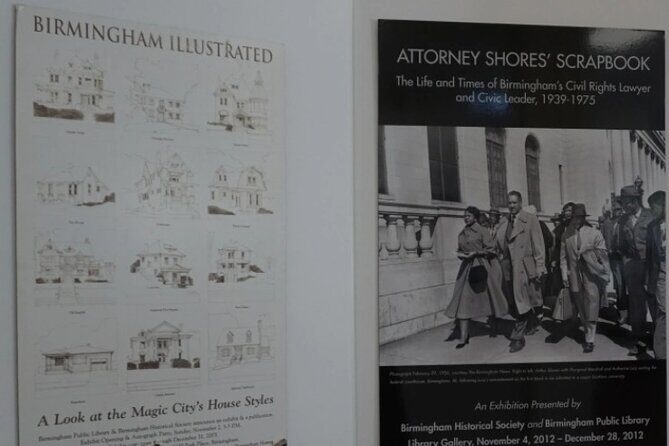
- Stop 2: The Home of a Prominent African American Lawyer
- Stop 3: Celebrating a Female LGBTQ Civil Rights Activist
- Stop 4: Gentrification and Redlining Discussion
- The Experience & Group Dynamics
- What do visitors say?
- Value for money?
- Who is this tour best suited for?
- FAQs about the Center Street Dynamite Hill Walking Tour
- The Best Of Birmingham!
- More Walking Tours in Birmingham
- More Tours in Birmingham
- More Tour Reviews in Birmingham
Key Points

- Authentic storytelling: Firsthand accounts from residents who lived through civil rights protests.
- Historical insights: Focus on the significance of landmarks like Our Lady Queen of the Universe Church and the home of a prominent African American lawyer.
- Community focus: The tour explores the legacy of influential figures and current neighborhood issues.
- Duration & price: About 1 to 2 hours for $65.99 per person, offering a compact but meaningful experience.
- Limited accessibility: No air-conditioned vehicle or private transportation included; walking is core.
- Small group size: Max 20 travelers, fostering a more personal, engaging environment.
👉 See our pick of the Which Birmingham Walking Tours To Choose? We Rank The 9 Best
What to Expect from the Itinerary
You can also read our reviews of more walking tours in Birmingham



Stop 1: Our Lady Queen of the Universe Church
We start outside this historic African American Catholic church, which once served a middle-class congregation including doctors, lawyers, judges, teachers, and business owners during the civil rights era. Visiting this site isn’t just about architecture but about understanding its role as a community hub. The brief 15-minute stop is free, allowing you to absorb the significance of a place where history was made.
What you’ll love: The chance to see a physical symbol of resilience that still stands today, offering a tangible connection to the past.
Stop 2: The Home of a Prominent African American Lawyer
Next, the focus shifts to the home of Birmingham’s most prominent African American lawyer from the middle-class Smithfield community. Spending around 30 minutes here, you’ll hear stories about his life and the legacy he left behind. It’s a rare opportunity to stand in front of a residence that played a role in shaping the community’s legal and civil rights landscape.
Authentic detail: The guide will share insights into how land laws and legislation impacted this area, making the history feel immediate and relevant.
Stop 3: Celebrating a Female LGBTQ Civil Rights Activist
The third stop is a walk past her childhood home, where her friends and neighbors will add color to her story. Though only about 15 minutes, this segment highlights the intersectionality of civil rights — recognizing contributions from different communities that fought for equality.
What you’ll appreciate: The personal context provided by childhood friends, giving a more layered view of her activism.
Stop 4: Gentrification and Redlining Discussion
The final part of the tour involves a broader look at neighborhood change, focusing on gentrification and redlining. Here, you’ll learn how financial institutions and land policies have shaped the diverse makeup of Birmingham’s neighborhoods over the decades. This 30-minute discussion grounds the previous stories in current urban challenges.
Critical insight: It’s a reminder that history isn’t just about the past — it influences present-day realities.


The Experience & Group Dynamics
Guided by local residents, the tour promises an engaging, intimate experience. The small group size (up to 20 travelers) encourages questions, conversation, and a more personal connection to the stories told. Since the tour is mobile and takes place mostly outdoors, you should be prepared for walking and moderate physical activity.
While the tour doesn’t include transportation or wheelchair accessibility, it’s near public transit and meeting at a centrally-located spot on Center Street. The duration of about 1 to 2 hours makes it suitable for travelers with limited time but eager to gain meaningful insights.
What do visitors say?
Although this specific tour currently has no reviews, the description of meeting “local living legends” along the way hints at a very authentic, community-centered experience. The emphasis on first-hand accounts and neighborhood history suggests a tour that’s educational and emotionally resonant.
Value for money?
At just under $66, the price covers a guided, small-group experience packed with stories and local insights. Considering the depth of content and the opportunity to meet residents, many will find it a worthwhile spend for a nuanced understanding of Birmingham’s civil rights history.
Who is this tour best suited for?
This experience is ideal for those who want more than just sightseeing. History enthusiasts, social justice travelers, or anyone interested in hearing real stories from Birmingham’s neighborhoods will find it compelling. It’s especially valuable if you’re interested in understanding how past events have sculpted current community dynamics.
If mobility is an issue or if you prefer a tour with transportation included, you might want to consider other options. But for those ready to walk, listen, and connect, this tour offers a sincere look into a critical part of Birmingham’s past and present.
Center Street Dynamite Hill Walking Tour
FAQs about the Center Street Dynamite Hill Walking Tour
Is this tour suitable for children?
The tour involves walking and some historical discussion, so it’s generally suitable for older children and teenagers interested in history. However, it might not be ideal for very young kids or those with mobility issues.
How long does the tour last?
The tour lasts approximately 1 to 2 hours, depending on the pace and the group’s questions.
Does the tour include transportation?
No, transportation isn’t provided or included. You will meet at the starting point and walk the route.
Is the tour wheelchair accessible?
No, the tour isn’t wheelchair accessible, and mobility might be limited due to walking.
What is the group size?
The tour is limited to a maximum of 20 travelers, making for a more intimate experience.
Can I cancel the tour?
Yes, cancellations are free if made at least 24 hours in advance, allowing for a full refund.
What’s included in the price?
The tour guide and stories from local living legends are included. The tour does not include transportation or admission fees, as most stops are outside and free.
In all, the Center Street Dynamite Hill Walking Tour offers a heartfelt, community-driven look into Birmingham’s civil rights history. It’s perfect for travelers who want to hear authentic stories and understand the neighborhood’s ongoing challenges and triumphs. Just be prepared for some walking, and you’ll come away with a deeper connection to this vital chapter in American history.