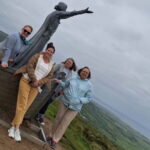
Visiting the Peacemakers Museum in Derry offers a chance to step into a story that’s deeply woven into the city’s fabric. This isn’t your typical museum visit; it’s an experience designed to bring you face-to-face with the stories, struggles, and hopes that shaped Northern Ireland’s path to peace.
For those interested in understanding the complex history of the Troubles and the subsequent peace process, this tour provides a well-curated, meaningful glimpse into a pivotal chapter of Irish history.
What we really appreciate about this museum are two things. First, its self-guided layout allows you to explore at your own pace, making the experience flexible and personal. Second, the oral archive, featuring stories from real people who lived through the era, adds a human touch that many traditional museums lack.
That said, a potential consideration is that the impression of the museum’s depth might depend on your existing interest in political history—if you’re looking for lighter sightseeing, this might feel quite intense.
This experience is best suited for history enthusiasts, those curious about the Troubles, and anyone wanting a respectful, honest account of Derry’s recent past. It’s also ideal if you enjoy interactive, well-organized exhibits that humanize political events through voices and stories.
Key Points
- Self-guided exploration offers flexibility to absorb the exhibits at your pace.
- The multi-lingual and English audio versions make it accessible for diverse visitors.
- The museum incorporates authentic artefacts, photographs, and interviews that lend credibility and emotional impact.
- The storytelling approach, including voices of those who lived it, makes history more personal and engaging.
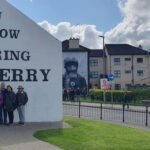
- The location in the Bogside places you right in the heart of Derry’s historical and cultural landscape.
- At $11, the ticket is a good value for a focused, immersive experience centered around education and reflection.

👉 See our pick of the What Are The Best Walking Tours In Londonderry Derry? Our Top 5 Picks
A Walk Through Derry’s Path to Peace
Starting your visit in the heart of Derrys Bogside, the museum’s setting immediately immerses you in a neighborhood that’s been central to many historic moments. The first thing you’ll notice is the full-scale riot scene reconstruction. It’s striking and visceral—through sound, lighting, and detailed figures, you get a real sense of the chaos and emotional intensity of those turbulent days in the 1970s. We loved how this scene captures the raw energy and tension, making history feel surprisingly immediate and personal.
Moving into a replica of an H-Block prison cell, the museum shifts focus to the harsh realities faced by republican prisoners. Personal belongings, letters, and murals tell stories of resilience and resistance that are deeply moving. It’s a reminder that behind the political narratives are real people enduring extraordinary hardships. If you’re someone interested in the human side of conflict, this section offers a sober but compelling perspective.
A significant portion of the museum is dedicated to a timeline of negotiations and peace efforts. Here, you’ll find rare photographs, documents, and interviews that highlight the roles of key figures like John Hume, Martin McGuinness, and Mitchel McLaughlin. These exhibits help you understand the complex political landscape that eventually led to the Good Friday Agreement. The inclusion of video and interactive displays makes this part engaging and accessible, especially for visual learners.
The oral archive is one of the museum’s highlights. Hearing voices of activists, residents, and politicians adds layers of authenticity and depth to your understanding. We appreciated how these stories humanize history, making it more relatable than just reading a textbook. It’s these personal accounts that elevate the experience from a simple exhibit to a heartfelt narrative about community, resilience, and hope.
The final gallery celebrates the peace process. It’s a reflective space reminding visitors that positive change is possible, even after decades of division. The museum emphasizes community efforts and the power of dialogue, which leaves you with a sense of optimism and respect for those who worked tirelessly to bring about peace.
You can also read our reviews of more tours and experiences in Londonderry Derry
The Experience Itself
An individual ticket costs $11, which is quite reasonable considering the depth and quality of the exhibits. The museum is wheelchair accessible and offers multi-lingual audio options, making it suitable for a broad audience. The entire visit is designed to last about a day, but you can easily spend more or less depending on your interest level.
Several visitors have praised the well-organized layout and friendly staff. One review from Chris in Singapore mentions that the “exhibition is engaging and interactive, which makes it a valuable learning experience—sometimes even more so than reading from books.” Sabine from Germany called it “sehr informativ,” highlighting its educational value.
What Could Be Improved
While the museum is highly regarded, some might find the intensity of the exhibits a bit overwhelming if they’re not particularly interested in political history. Plus, since food and drinks are not included, you might want to plan a nearby lunch or snack stop after your visit. Still, the museum’s focus on storytelling and real voices makes it a worthwhile stop for those wanting an honest, respectful account of recent Irish history.
Who Should Visit?
This tour is perfect for anyone interested in Irish history, politics, or conflict resolution. It’s especially suitable if you appreciate self-guided experiences that allow you to process information at your own pace. If you’re traveling as part of a history-focused trip or want a meaningful, educational activity, this museum fits the bill.
It’s not necessarily designed for kids or family outings, but older children or teenagers with an interest in history could find it illuminating. The experience’s contemplative nature makes it more suited for adult visitors or serious students of history.
More Great Tours NearbyFinal Thoughts
Visiting the Peacemakers Museum in Derry offers a thoughtful, honest look at a community’s journey through conflict and reconciliation. Its combination of visceral reconstructions, personal stories, and educational exhibits creates a compelling narrative that stays with you long after you leave. For those willing to engage with difficult topics in a respectful setting, it’s a meaningful addition to any Irish itinerary.
At just $11, the museum provides good value for an experience that’s emotional, educational, and visually engaging. It’s best for travelers who want a deeper understanding of Derry’s recent past and who appreciate stories told by those who lived through them.
If you’re looking for a quiet, respectful space to reflect on peace, community resilience, and political change, this is a stop you shouldn’t miss. It reminds us that even in the aftermath of division, hope and dialogue can lead the way toward a brighter future.
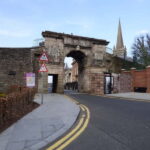
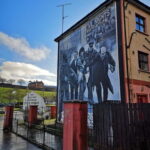

Derry: Peacemakers Museum Entry Ticket
FAQs
Is the Peacemakers Museum suitable for children?
While the museum isn’t specifically marketed as family-friendly, older children and teenagers interested in history and politics may find it illuminating. The exhibits are serious and reflective, so younger kids might find the atmosphere intense.
How long should I plan to spend at the museum?
Most visitors spend about a day exploring the exhibits thoroughly, but you can tailor your visit based on your interest—anywhere from an hour to more than a day.
Is there an audio guide available?
Yes, the museum offers multi-lingual and English oral versions of the full museum text, enhancing accessibility and understanding.
What is the cost of entry?
Tickets are priced at $11 per person, which is reasonable given the depth and quality of the exhibits.
Is the museum accessible for wheelchairs?
Yes, the Peacemakers Museum is wheelchair accessible, making it easier for all visitors to explore comfortably.
Are there any guided tours, or is it self-guided?
This experience is self-guided, allowing you to explore at your own pace and focus on the exhibits that interest you most.
What kind of exhibits can I expect?
You’ll see powerful reconstructions of riots, replica prison cells, rare photographs, documents, and interviews—all designed to tell a comprehensive story of the Troubles and peace process.
Can I get a sense of the local community’s perspective?
Absolutely. The oral stories from residents and activists add personal perspectives that highlight the community’s resilience and hope.
Is food or drinks available at the museum?
No, food and drinks are not included, so plan to bring snacks or eat nearby after your visit.
Visiting the Peacemakers Museum is a quiet, respectful way to better understand a community’s struggle and triumph. It’s a valuable stop for those wanting a meaningful, engaging experience that combines history with real human voices. Whether you’re a history buff or simply curious, it’s a place that offers more than just facts—it offers insight into the power of perseverance and the possibility of peace.
You can check availability for your dates here: