
Exploring Exeter through a guided walking tour offers a fantastic way to get to know this historic city without the hassle of planning every detail yourself. Although we haven’t taken this exact tour ourselves, the reviews and detailed itinerary paint a clear picture of what you can expect.
It’s a well-rounded experience designed for history buffs, architecture lovers, or travelers simply eager to understand Exeter’s fascinating story.
What really catches our eye about this tour is the focus on Roman roots and Medieval wealth, giving a layered understanding of Exeter’s development through the ages. Plus, the inclusion of important sites like Exeter Cathedral and Tuckers Hall means you’re hitting some of the city’s most iconic landmarks in just two hours. One potential snag? It involves quite a bit of walking, so comfortable shoes are a must.
This tour seems best suited for those who appreciate history, enjoy walking, and want a guided experience that covers the essentials without feeling rushed. Whether you’re a solo traveler, couple, or small group, it offers a manageable, insightful glimpse into Exeter’s past.
- Key Points
- An In-Depth Look at Exeter’s Guided Walking Tour
- Starting Point: Exeter Historic Guildhall
- Exploring Exeter’s Roman Roots
- Visiting Exeter Cathedral and Its Surroundings
- Exeter Castle and Medieval Sites
- Tuckers Hall and the Wool Trade
- Quay and Canal Areas
- What’s Included and What’s Not
- Quality of the Experience
- Practical Tips
- Who Should Consider This Tour?
- The Sum Up
- FAQs
- More Walking Tours in Exeter
- More Tours in Exeter
- More Tour Reviews in Exeter
Key Points


- History on foot: The tour provides a comprehensive look at Exeter’s Roman, Medieval, and modern history.
- Rich landmarks: From Roman city walls to a Norman castle and a Viking church, the stops are both varied and meaningful.
- Expert guide: A live guide (in English or Spanish) enhances the experience, adding context and answering questions.
- Balance of sites: Outside visits to key landmarks mean no long waits or entry fees, but some sites are only viewed externally.
- Cost and value: At $47 per person, you’re paying for a well-organized, small-group experience with a lot packed into two hours.
- Weather considerations: Since you’ll be walking outdoors, weather attire and comfortable shoes are essential.
An In-Depth Look at Exeter’s Guided Walking Tour
You can also read our reviews of more walking tours in Exeter

Starting Point: Exeter Historic Guildhall
Your journey begins at the Exeter Historic Guildhall, a striking building with a large granite portico. It’s easy to find, and the meeting point’s central location makes it convenient for most travelers. The guide introduces the tour, setting expectations for the two hours ahead. This initial meeting sets a friendly tone, and because it’s a small group limited to ten participants, you get personalized attention and room for questions.
Exploring Exeter’s Roman Roots
We loved the way the guide highlighted Exeter’s Roman origins, revealing that the city was home to the Dumnonni tribe and once called Isca Dumnonniorum. Walking along the ancient city walls, built by the same person responsible for Rome’s Colosseum, really brings home how significant Exeter was in Roman Britain. You’ll see remnants of these walls, with the guide sharing stories about their strategic importance.
A highlight is the hidden Roman building beneath the cathedral green. The guide shows photos on an iPad, illustrating the scale and grandeur of what lies beneath. It’s fascinating to think how this concealed structure was once part of Britain’s second-largest Roman building. We appreciated the way the guide explained architectural details and history, making the ruins feel alive.
Visiting Exeter Cathedral and Its Surroundings
Next, you’ll stroll to the Cathedral Green, where Exeter’s impressive cathedral takes center stage. Although admission isn’t included, viewing it from outside is worthwhile. The guide points out the longest unsupported roof in the world at the time of its construction—an impressive feat of engineering. If you’re interested in architecture, this one fact alone makes the cathedral worth a quick visit.
What makes this part of the tour stand out is the stories about the cathedral’s architecture and the Roman building underneath—a layered history that’s visible only to those in the know. The Green itself is lovely for a quick break, with cafes nearby if you want to extend your visit.
More Great Tours NearbyExeter Castle and Medieval Sites
From the cathedral, your route takes you to Exeter Castle, the second Norman castle built in Britain. Standing outside, it’s a reminder of Exeter’s strategic importance. The guide shares insights into Norman architecture and Exeter’s role during medieval times.
Nearby, you’ll visit St Olaf’s Viking Church, dedicated to a figure from Norse legend, and Gytha Thorkelsdottir’s private chapel, connecting Exeter to Viking and Anglo-Saxon history. These sites add a rich cultural layer, especially for those interested in the varied peoples who shaped the region.
Tuckers Hall and the Wool Trade
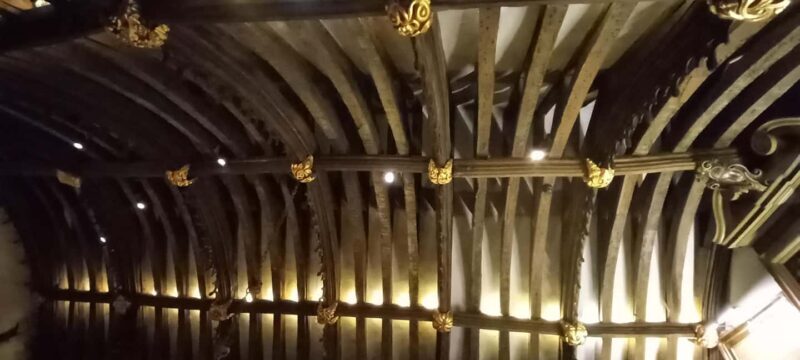
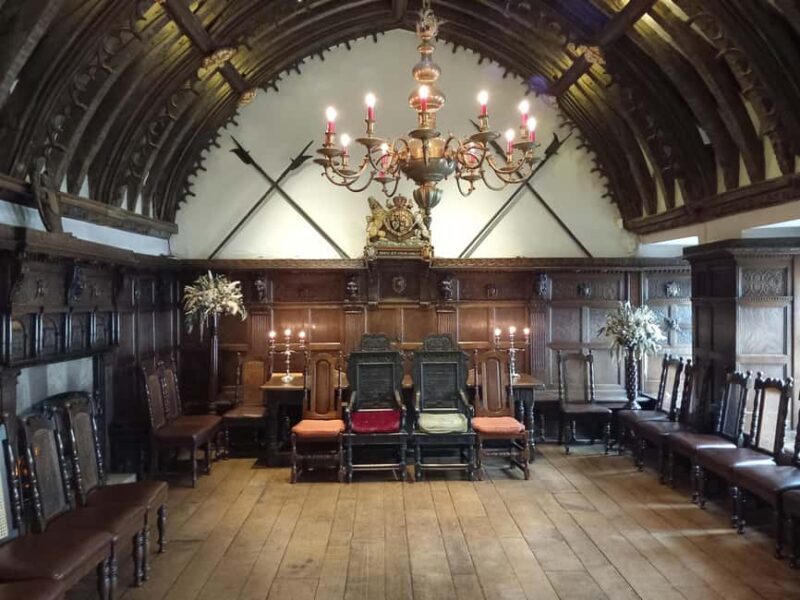
One of the most notable stops is Tuckers Hall, home to the Woollen Cloth Guilds that made Exeter incredibly wealthy in medieval times. The guide discusses how wool was a major driver of the city’s prosperity, positioning Exeter as the third richest city in the UK after London and Bristol. Seeing the historic Guildhall (dating from 1330) underscores this wealth and the importance of the wool trade.
The visit is brief but meaningful, as Tuckers Hall is a tangible link to Exeter’s medieval prosperity. It’s a reminder that, long before tourism, trade and craftsmanship defined the city.
Quay and Canal Areas
The final leg takes you to Exeter’s Quay and Canal districts, areas that historically handled wool shipping. You’ll walk along an age-old street to see the first purpose-built Customs House, an indicator of Exeter’s busy trade routes. The canal, built to avoid trade barriers, offers a glimpse into how commerce flourished here.
This part of the walk is relaxed, with the guide explaining the significance of the port and trade. It’s a lovely spot to pause, soak in the views, and reflect on how trade shaped Exeter’s development.
What’s Included and What’s Not
The tour covers many of Exeter’s iconic sites from outside, including the cathedral, castle, guildhall, and quay areas. It’s a well-structured route that balances history, architecture, and stories—all without the need for extra admissions. However, entry to Exeter Cathedral isn’t included, so if you want to explore inside the cathedral, budget for an admission fee.
Transportation to and from the meeting point isn’t covered, so plan your arrival accordingly. We recommend arriving a few minutes early to settle in and get comfortable.
Quality of the Experience
With a small group limit of 10, the tour ensures a more personalized experience. The guide, Davy Johnston, is knowledgeable and engaging, providing both visual and storytelling elements to keep interest high. The optional live commentary in English or Spanish accommodates different language needs, which is a nice touch.
The cost of $47 per person feels fair considering the depth of information, the number of sites visited, and the personalized attention. For anyone interested in history or architecture, it’s a solid value; it offers a rundown without the expense or time of a full-day tour.
Practical Tips
Since the tour involves a lot of walking, wear comfortable shoes. Check the weather forecast and dress weather-appropriately, as much of the experience is outdoors. Bring a camera to capture the historic buildings, and a water bottle to stay hydrated. A daypack for your essentials is handy, and having your smartphone charged means you can take photos or look up extra info if you wish.
Who Should Consider This Tour?
This walking tour is ideal for those who want an appreciative overview of Exeter that combines history, architecture, and local stories. It’s well-suited for travelers comfortable with moderate walking and who prefer guided experiences over independent sightseeing.
History enthusiasts will find the Roman, Viking, and medieval layers particularly engaging. If you’re traveling with family or friends who enjoy learning about local culture, this is a friendly, manageable way to spend a couple of hours. It’s also good for those seeking a small-group, intimate experience rather than large, touristy tours.
The Sum Up
If you’re looking for a cost-effective, engaging way to get to know Exeter’s past, this guided walking tour is a great pick. It offers a well-balanced mix of historic sites, architectural marvels, and storytelling that makes the city come alive. You’ll come away with a richer understanding of how Exeter evolved from Roman times through to its medieval prosperity and beyond.
While it’s a quick tour, the depth of information and friendly atmosphere make it a good value. It’s best suited for travelers who enjoy walking, history, and small-group experiences, and who want a guided overview without feeling rushed. Just remember to wear comfortable shoes and be prepared for outdoor walking—then sit back and enjoy Exeter’s stories unfold before you.
Exeter: Guided Walking Tour
FAQs
Is this tour suitable for families?
The tour is generally suitable for all ages, especially because it’s a walking experience with outside visits. However, young children should be comfortable with walking and outdoor environments.
What’s included in the price?
You get a guided walking tour of Exeter, visits to key sites like Exeter Castle, St Olaf’s Viking Church, Gytha Thorkelsdottir’s Chapel, Tuckers Hall, and the Quay area. Entry to Exeter Cathedral is not included.
Are there options for languages?
Yes, the tour is available with live guides in English and Spanish.
How long is the tour?
It lasts approximately 2 hours, making it a manageable and engaging way to explore the city.
What should I bring?
Comfortable shoes are essential, along with a camera, water, weather-appropriate clothing, and a daypack. Smartphone charges are also recommended.
Is transportation included?
No, transportation to and from the meeting point isn’t included, so plan your arrival accordingly.
Can I cancel the booking?
Yes, you can cancel up to 24 hours in advance for a full refund, offering flexibility if your plans change.
Whether you’re passing through Exeter briefly or spending a few days, this tour provides a meaningful look at the city’s layers of history. It’s a straightforward, friendly way to connect with Exeter’s story, perfect for curious travelers eager to learn more.
You can check availability for your dates here: