
If you’re interested in seeing how a city transforms over time through its buildings and urban planning, this tour about Hamburg’s modern architecture might catch your eye. It promises a look at the city’s evolution from a medieval hub to a bustling, contemporary metropolis, focusing especially on the period between 1880 and 1960. While it’s not a full-blown architectural tour, it offers enough insight into the city’s design heritage to make it worthwhile for curious travelers.
Two things we really appreciate about this experience are the expert commentary that helps make sense of Hamburg’s complex development and the visual storytelling—like the display of a 1650 Hamburg map—that adds depth to the discussion. On the flip side, since the tour is only two hours long, you won’t get a deep dive into every detail, so it’s best suited for those with a genuine interest in urban history, not necessarily architecture buffs seeking a technical lecture.
One thing to keep in mind is that this is primarily a walking tour in a relatively short time, so comfortable shoes are a must. Also, understanding some of the historical context (like social radicalization and post-war reconstruction) can enrich the experience, but it’s presented in an accessible way. Overall, if you’re eager to see Hamburg from a different angle and enjoy learning about how its modern buildings came to be, this tour offers a solid introduction.
Key Points
- Insightful narrative: The guide offers engaging explanations about Hamburg’s development, making complex ideas easier to grasp.
- Visual aids: Features like a facsimile of a 1650 Hamburg map help connect past and present urban layouts.
- Historical context: The tour links modern architecture to social and political upheavals, enriching your understanding.
- Focus on the interwar period: Emphasizes styles such as Expressionism, Neoclassicism, and New Objectivity, highlighting their influence.
- Influential architects: The legacy of Fritz Schumacher, Fritz Höger, and Richard Kuöhl is woven into the narrative.
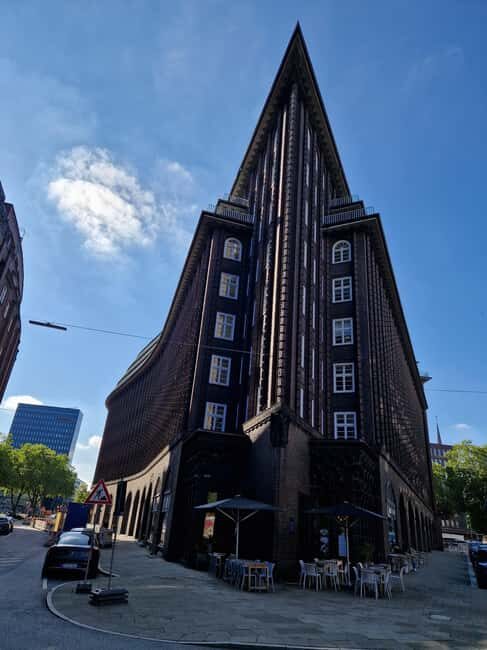
- Location diversity: The route covers several key spots, including the Chilehaus, Rathausmarkt, and Speicherstadt, offering great city views.
The Experience in Detail
Planning more time in Hamburg? We've covered other experiences worth considering.
Starting Point: Mönkebergstraße U-Bahn Station
The tour kicks off upstairs at the Mönkebergstraße U-Bahn station, a central spot that’s easy to find. From here, you’ll begin a two-hour journey through Hamburg’s architectural landscape, guided by Albert, your knowledgeable host. His background in history and his expressive presentation make the tour engaging, even for those who might initially think architecture is a bit dry.
The First Stops: Rappolthaus and Altstädter Hof
As you stroll past the Rappolthaus on Mönkebergstraße, Albert shares how Hamburg’s modern architecture started to take shape after 1880. You’ll get a sense of how the city’s medieval origins influenced or contrasted with the new designs emerging in the late 19th century. The nearby Altstädter Hof offers a glimpse of how historic buildings coexist with more modern structures, illustrating the city’s layered development.
Circling the Sprinkenhof and entering the Chilehaus
Moving around the Sprinkenhof, a classic example of Brick Expressionism, you’ll see how Hamburg’s architects experimented with innovative styles that still define parts of the city’s skyline. The nearby Chilehaus is a highlight — its striking, ship-like silhouette is instantly recognizable and embodies the era’s bold architectural ideas. Albert points out details and explains what makes these buildings stand out, which helps bring their significance to life.
More Great Tours NearbyBurchardplatz and the Rathausmarkt
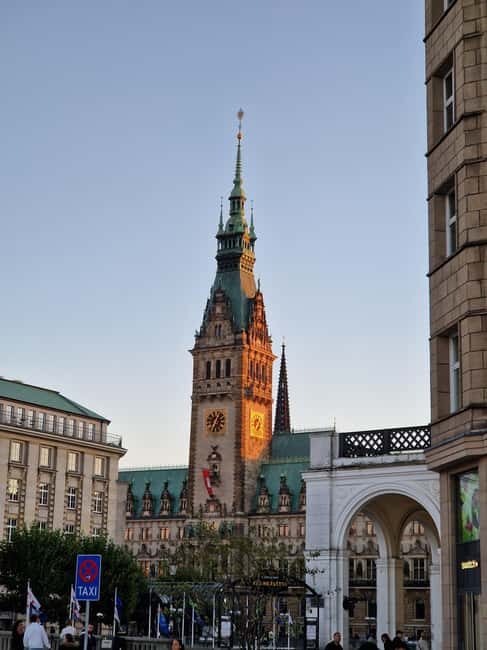
Next, the tour heads toward Burchardplatz, a historic square that’s seen a lot of Hamburg’s urban change. Here, you’ll learn about the continuity lines and breaks in the city’s development—how older parts of Hamburg influenced modern planning and architecture. From there, you’ll explore Rathausmarkt, where the city hall’s neoclassical grandeur meets modern urban life.
- Private 3-Hour Hamburg Sightseeing Tour in a Mercedes Limousine
- World War 2 Hamburg Private Guided Tour
- Sternschanze kulinarisch: Die Food Tour
- English guided tour Reeperbahn “Red light and Offence”
- Private 5-Hour Hamburg Countryside Tour with a former policeman
- Yacht Sailing After Work Tour of Hamburg Harbor
Hummeldenkmal to Neustädter Straße
The route then passes the Hummeldenkmal, a memorial that ties into the city’s social history, before heading toward Neustädter Straße, where the tour concludes. Even in these brief stops, the guide’s contextual storytelling helps you appreciate how Hamburg’s architecture reflects its social shifts and urban ambitions.
Why This Tour Works
One of the standout factors is the knowledgeable guide who has a knack for making the material engaging. Multiple reviews praise Albert’s expressive body language and his ability to explain complex ideas clearly. His presentation style helps keep the atmosphere lively, making it easier to follow along even if architecture isn’t your main passion.
The visual elements, especially the facsimile of a 1650 map, are clever touches that help you see the city’s evolution. It’s fascinating to compare how Hamburg’s layout has changed over centuries, and the guide’s commentary clarifies what those changes mean for modern Hamburg.
The Architectural Styles and Their Significance
The focus on styles like Expressionism, Neoclassicism, and the New Objectivity opens a window into how architectural ideas responded to societal changes. For example, the interwar period, which the tour emphasizes, was a time of experimentation driven by social radicalization and utopian ideals. You’ll learn how architects like Fritz Schumacher, Fritz Höger, and Richard Kuöhl left a significant mark on the city with their innovative designs.
The Social and Political Context
This isn’t just about pretty buildings; the tour links architecture to social movements and historical upheavals, like the protests of 1968 and the oil crisis of the 1970s. Understanding these connections makes the tour more meaningful, especially for history buffs or those interested in how cities reflect societal shifts.
Practicalities and Value
The tour lasts only two hours, making it a manageable addition to your sightseeing day. Its route is walkable, covering key landmarks without feeling rushed. The small group setting (assumed from the nature of the tour) allows for personal interaction, questions, and a relaxed pace.
The cost is reasonable for a guided experience that combines visual storytelling, history, and architecture. You get expert commentary and a chance to see some of Hamburg’s most iconic buildings up close. While it’s not a deep dive into technical architecture, it’s a solid overview that will give you a richer understanding of the city’s modern face.
Accessibility and Suitability
This tour is primarily suitable for adults and older travelers interested in history and urban development. It’s not specifically tailored for children, but older kids with an interest in history might enjoy the mix of storytelling and sightseeing. The route is mostly on foot, so comfortable shoes are a must.
Who Should Consider This Tour?
If you’re a traveler who loves walking around cities with a keen interest in history, urban planning, or architecture, this experience offers a well-rounded and visually engaging overview. It’s particularly good if you want to understand how Hamburg’s modern buildings reflect broader social changes, not just their aesthetic qualities.
It’s also an excellent option for those who enjoy guided walks with a focus on storytelling and context, rather than just ticking off landmarks. If you’re short on time but still want a meaningful glimpse into Hamburg’s architectural evolution, this two-hour tour hits the mark.
Final Thoughts
This tour offers a thoughtful, accessible introduction to Hamburg’s modern architecture. It excels at making complex ideas understandable without sacrificing depth, all delivered with the guide’s engaging presentation. The inclusion of visual aids and storytelling helps you see the city through a different lens—one where buildings are more than just structures, but chapters in Hamburg’s ongoing story.
While it doesn’t cover every architectural style or explore technical details, it’s a meaningful experience that effectively links Hamburg’s physical landscape with its social history. It’s best suited for curious travelers who appreciate history, urban development, and a good story behind the buildings.
If you’re looking for a tour that’s both educational and visually stimulating—without being overly technical—this is a solid pick. It’s a great way to get a fresh perspective on Hamburg’s evolution from a medieval town to a modern metropolis.
Exploring the many faces of Hamburg’s modern architecture
FAQ
Is this tour suitable for families with children?
It’s mainly geared toward adults and older travelers interested in history and architecture. Younger children might find the pace or content less engaging unless they have a specific interest in these topics.
How long is the tour?
It lasts about 2 hours, covering several key sites around Hamburg’s city center.
What languages are available?
The tour is offered in Russian, English, and German, with some content presented in its original language.
Do I need special footwear?
Yes, since it’s a walking tour, comfortable shoes are recommended to handle the city streets and cobblestones.
Can I cancel if my plans change?
Yes, you can cancel up to 24 hours in advance for a full refund, which helps keep your plans flexible.
Is this tour accessible for people with mobility issues?
The information provided doesn’t specify accessibility details, but given the walking nature, it’s best to check with the provider beforehand if mobility is a concern.
All in all, whether you’re a history buff, an architecture enthusiast, or just a curious traveler, this tour offers a worthwhile glimpse into Hamburg’s evolving cityscape—delivered by a guide who makes it all accessible and engaging.
You can check availability for your dates here:More Tour Reviews in Hamburg
More Hamburg experiences we've covered
- Which Hamburg Workshops & Classes To Choose? We Rank The 9 Best
- The Top 15 Hamburg Walking Tours
- 2 Fantastic Shore Excursions In Hamburg
- Hamburg’s 5 Top Private Driver Services
- 13 Top Historical Tours In Hamburg (With Reviews & Prices)
- We Rank Hamburg’s 9 Top Food Tours
- The Top 2 Dining Experiences In Hamburg
- 9 Best 3-Hour Tours In Hamburg (With Reviews & Prices)
- Top 2 3-Day Tours In Hamburg
- Hamburg’s 15 Top Boat Tours & Cruises
- 15 Best City Tours In Hamburg (With Reviews & Prices)
- You’ll Love These 2 Christmas Tours & Experiences In Hamburg