When you’re planning a day trip from Santiago de Compostela, you want something that delivers genuine experiences without feeling rushed or overly commercialized. This tour to Finisterre and Costa da Morte—the “Coast of Death”—does exactly that. We appreciate how the itinerary balances major landmarks with lesser-known stops, and we love that the price point makes it accessible for almost any traveler budget. The main consideration is that it’s a long day with significant bus time, which some travelers find tiring.
This tour works best for travelers who’ve completed the Camino and want to see the spiritual endpoints they’ve heard about, visitors seeking dramatic coastal scenery, and anyone wanting a structured way to experience Galicia’s wild northwestern corner without renting a car.
- What Makes This Tour Special
- The Itinerary Broken Down: Eight Stops, Eight Different Experiences
- Stop 1: Ponte Maceira—Ancient Stone Meets Scenic Beauty
- Stop 2: Santuario da Virxe da Barca—Spiritual Significance and Ocean Drama
- Stop 3: Pedra d’Abalar and Pedra dos Cadris—Local Rituals and Pre-Christian Traditions
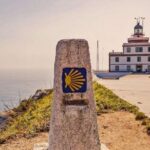
- Stop 4: Faro de Fisterra—The Lighthouse at the End of the World
- Stop 5: Fisterre Village—Extended Exploration Time
- Stop 6: Fervenza de Ezaro—A Waterfall Connected to Ancient Culture
- Stop 7: Hórreo de Carnota—Understanding Galician Agricultural Heritage
- Stop 8: Muros—Estuary Views and Mussel Cultivation
- What’s Included, What Isn’t, and Why It Matters
- The Guide Experience: What Travelers Actually Encountered
- Timing, Pacing, and the Long-Day Factor
- The Logistics: What to Know Before You Book
- Value Assessment: Is .26 Actually Good?
- Potential Drawbacks and Honest Considerations
- Who This Tour Is Perfect For
- FAQ: Practical Questions Answered
- Final Thoughts: A Tour That Delivers Authentic Galicia
- The Best Of Santiago de Compostela!
- More Tours in Santiago de Compostela
- More Tour Reviews in Santiago de Compostela
What Makes This Tour Special
 1 / 8
1 / 8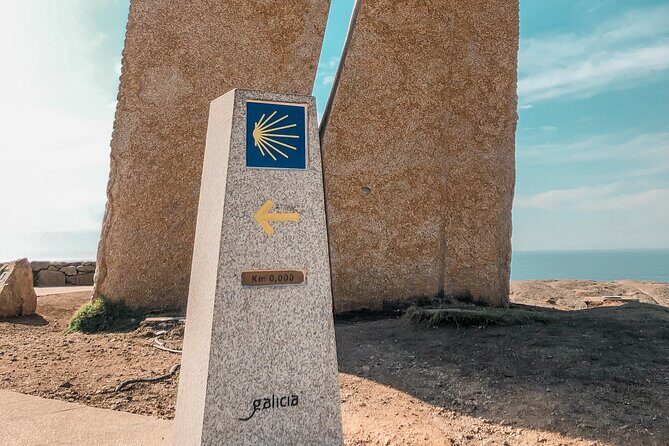 2 / 8
2 / 8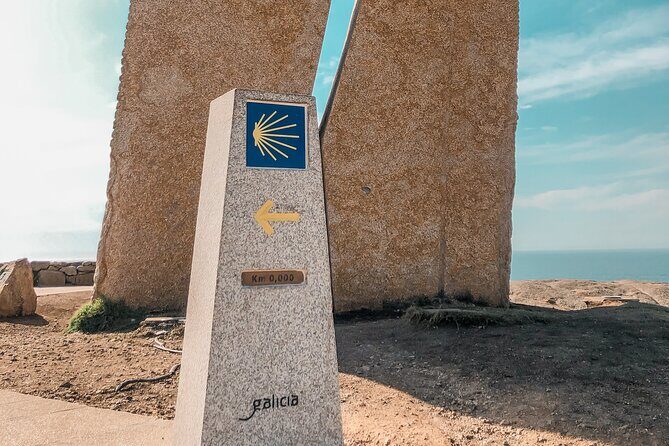 3 / 8
3 / 8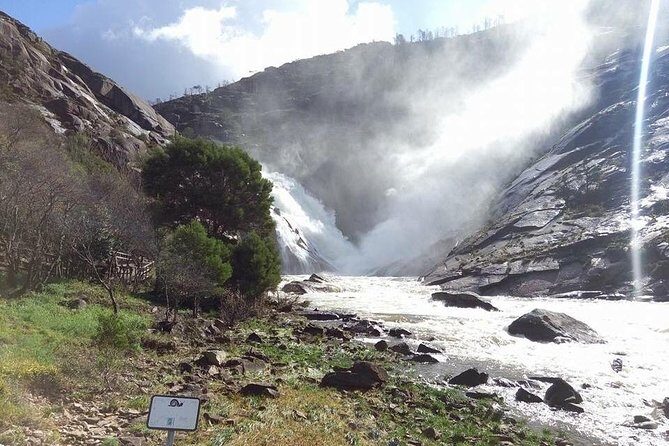 4 / 8
4 / 8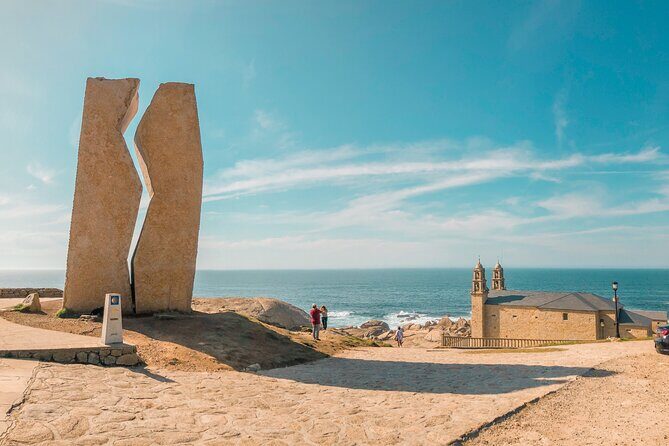 5 / 8
5 / 8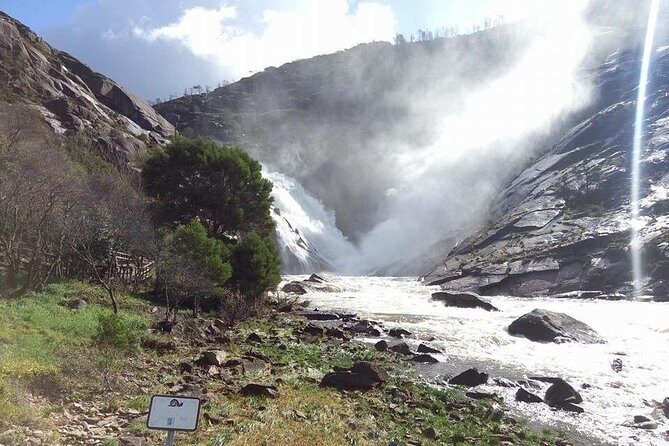 6 / 8
6 / 8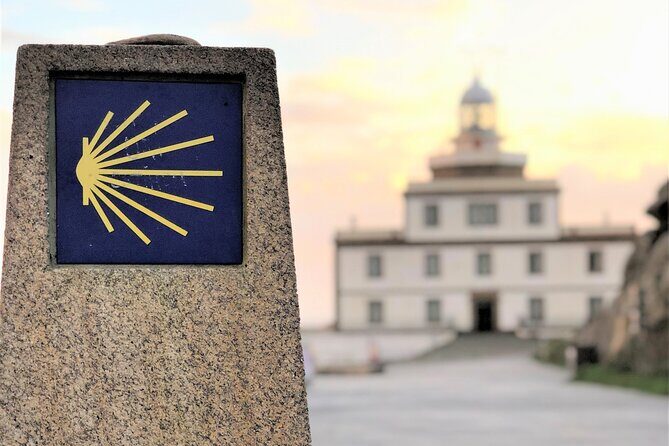 7 / 8
7 / 8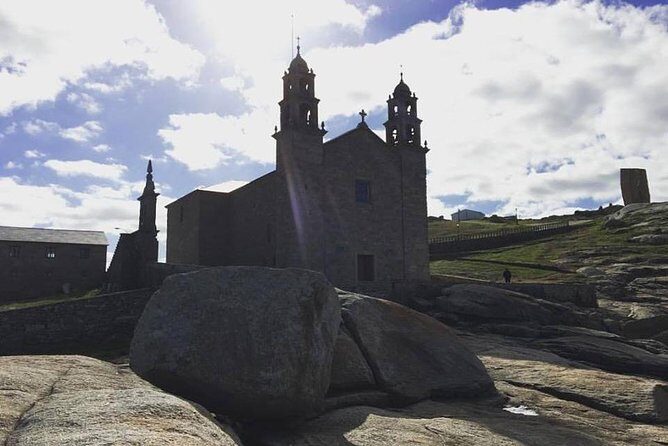 8 / 8
8 / 8At just $59.26 per person, you’re getting a full 9.5-hour day that includes professional transportation, a bilingual guide, and access to eight distinct stops along one of Spain’s most striking coastlines. That’s genuinely good value for a guided experience in western Europe. The tour departs from a convenient central location in Santiago—Plaza de Galicia—and returns you there by evening, which eliminates the stress of self-driving on narrow Galician roads.
The real appeal here is the route itself. You’re not visiting crowded tourist attractions; you’re exploring a genuinely wild part of Spain that many travelers miss entirely. The Costa da Morte earned its name for good reason—the rocky shores, powerful Atlantic swells, and ancient legends create an atmosphere that feels removed from the typical tour-bus circuit.
One detail worth noting: the tour operates with a maximum of 55 travelers per coach, which keeps things from feeling overwhelming despite the length of the day. You won’t be crammed into a bus with 100 other people fighting for views.
👉 See our pick of the 7 Best Wine Tours In Santiago de Compostela (With Prices)
The Itinerary Broken Down: Eight Stops, Eight Different Experiences
You can also read our reviews of more tours and experiences in Santiago de Compostela.
Stop 1: Ponte Maceira—Ancient Stone Meets Scenic Beauty
Your first stop is the Roman bridge at Ponte Maceira, where you’ll spend about 30 minutes. This isn’t just any old bridge; it’s a structure with genuine history that still carries pedestrian traffic today. The setting is what makes it special—the bridge spans a river valley with lush green banks and traditional Galician stone buildings nearby.
Multiple travelers mentioned this stop specifically in their reviews. One visitor called it “idyllic,” while another said they wished they’d had more time here. The guide will share local legends about Santiago’s journey, which adds narrative depth to what could otherwise be just a photo opportunity. It’s a gentle introduction to the day’s theme: how this region connects to the Camino pilgrimage route.
Stop 2: Santuario da Virxe da Barca—Spiritual Significance and Ocean Drama
The Sanctuary of Virxe da Barca is allocated 45 minutes, and this is where the tour shifts into more meaningful territory. This sanctuary holds genuine spiritual importance for Camino pilgrims—many who complete the walk consider it essential to visit here. The setting combines a small chapel with dramatic ocean views and the kind of raw coastal landscape that makes you understand why people consider this place sacred.
What makes this stop valuable isn’t just the views, though they’re substantial. The guide explains the legends surrounding the Apostle Santiago’s arrival and why pilgrims have venerated this location for centuries. You get context that transforms the landscape from simply “pretty” into “historically significant.” This is where the tour justifies its educational component.
Stop 3: Pedra d’Abalar and Pedra dos Cadris—Local Rituals and Pre-Christian Traditions
These two sacred stones near the Muxía sanctuary represent something most travelers never encounter: the intersection of pre-Christian and Christian traditions in Galicia. You’ll spend about 30 minutes here learning about stones that local people have venerated for generations and understanding the rituals associated with them.
The tour guide will explain the actual history and meaning behind these stones rather than treating them as mere curiosities. This is the kind of cultural detail that transforms a tour from “we saw some rocks” into “we learned how communities maintain spiritual traditions.” The guide apparently encourages visitors to participate in local rituals if interested, which adds an interactive element that most tours skip.
Stop 4: Faro de Fisterra—The Lighthouse at the End of the World
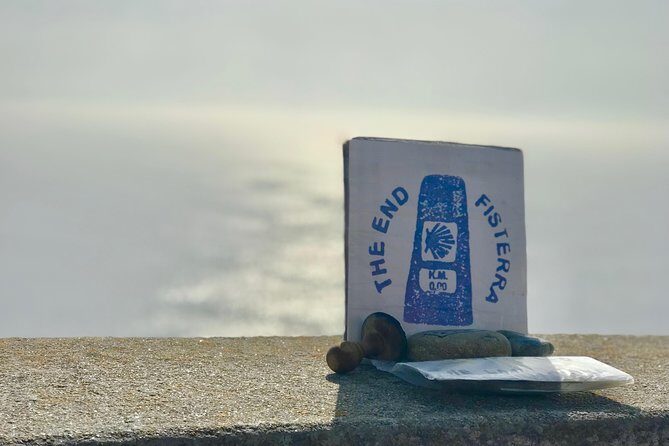
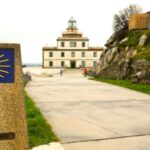
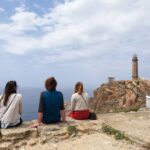
Faro de Fisterra is the famous lighthouse marking the westernmost point of continental Spain. You’ll have 45 minutes here, with the primary activity being lunch in the village restaurants below. This is where the tour’s timing becomes important—you’re not being rushed through a quick photo stop. You have enough time to actually eat a proper meal and absorb the significance of the location.
Travelers consistently praised the lunch options, with one reviewer mentioning “delicious fresh fish” at reasonable prices. The restaurants here cater to travelers without being tourist traps, which is a meaningful distinction. You’re eating local food prepared for local people who happen to also accept visitors.
Stop 5: Fisterre Village—Extended Exploration Time
After the lighthouse visit, you get an additional 1.5 hours in Fisterre itself. This is substantial time that allows you to wander beyond the main tourist corridor, sit in a café, or simply stand on the rocks contemplating the Atlantic. For those who completed the Camino, this moment carries real emotional weight—many pilgrims traditionally burn their hiking boots or clothing here as a ritual of completion.
One visitor whose wives had completed the Camino Portuguese noted that this stop was “very meaningful for them.” The tour acknowledges that this isn’t just a scenic viewpoint; it’s a destination with personal significance for many travelers.
Stop 6: Fervenza de Ezaro—A Waterfall Connected to Ancient Culture
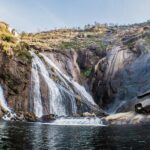
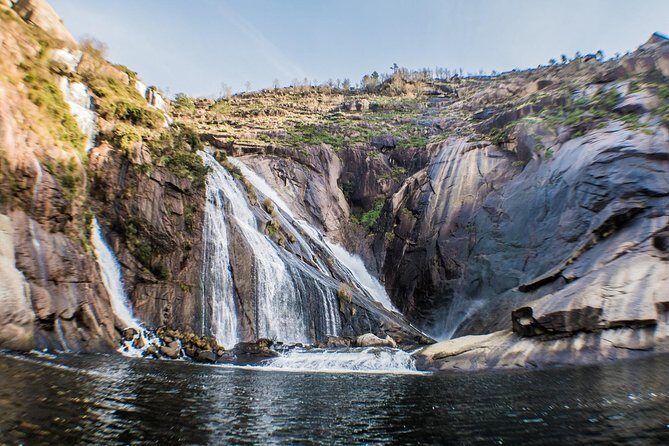
The Ezaro Waterfall is allocated 40 minutes and represents something genuinely unusual: a waterfall that flows directly into the ocean. The guide connects this natural feature to pre-Roman culture and local legends, explaining why it held significance in ancient times. You’re not just seeing a waterfall; you’re learning about how geography shaped cultural beliefs in this region.
This stop appeals to travelers interested in both nature and history. The waterfall itself is visually striking, but the cultural context the guide provides elevates it beyond a simple scenic photo opportunity.
Stop 7: Hórreo de Carnota—Understanding Galician Agricultural Heritage
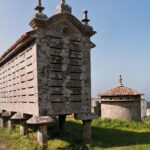
The hórreo is a traditional Galician granary, and the one at Carnota is among the largest in the world. In 30 minutes, you’ll learn why these structures became so important to Galician society and how they function. This might sound like a dry historical detail, but it’s actually the kind of cultural insight that helps you understand how people lived and worked in this region.
Travelers appreciated learning about these structures because they’re uniquely Galician. You’ll see them throughout the region, and understanding their purpose and significance adds context to the landscape you’re driving through.
Stop 8: Muros—Estuary Views and Mussel Cultivation
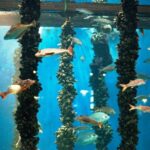
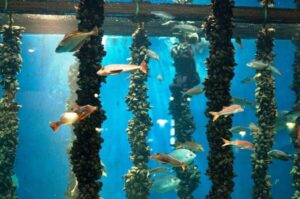
Your final stop offers views of the Muros estuary and the bateas—the traditional platforms used for cultivating mussels, oysters, and scallops. You’ll have 30 minutes here, which gives you time to understand this important local industry. Galicia produces significant quantities of shellfish, and seeing the cultivation methods firsthand provides practical understanding of the region’s economy.
This stop rounds out the tour by showing contemporary Galician life rather than just history and natural beauty. You’re seeing how people currently make their living from these waters.
What’s Included, What Isn’t, and Why It Matters
The tour includes transportation in an air-conditioned coach, an English and Spanish-speaking guide, and insurance. What it doesn’t include is lunch and drinks, which is important to understand upfront. However, the long lunch break at Finisterre (1 hour 45 minutes total) is specifically timed to allow you to eat without feeling rushed.
Budget roughly €12-20 for a meal in Finisterre, which is reasonable for coastal Spain. The tour doesn’t include alcoholic drinks, though they’re available for purchase at the restaurants where you stop. This is a practical arrangement that keeps the tour price affordable while allowing you to spend what you want on food and drinks.
The Guide Experience: What Travelers Actually Encountered
Looking at the reviews, guide quality is genuinely important for this tour’s success. When guides performed well, travelers consistently mentioned it. One visitor noted that their guide “seemed genuinely interested in our questions and provided detailed explanations and dovetailed the sights and sounds with our camino experience.” Another praised a guide named Maria for doing “a great job” and providing “just the right amount of information without overburdening everyone.”
That said, a handful of reviews mentioned difficulty understanding guides who spoke English with strong accents. This is worth considering if you’re not confident with non-native English speakers. The tour company has acknowledged this feedback in their responses and indicated they’re working to address it.
Most positive reviews highlighted guides who were knowledgeable, friendly, and genuinely engaged with travelers’ questions. Several travelers specifically mentioned guides by name (Maria, Alba, Pepe), suggesting these are experienced professionals who regularly lead this tour.
Timing, Pacing, and the Long-Day Factor
This is a 9.5-hour tour, and you should know upfront that substantial portions involve bus travel. One reviewer noted it “ends up being a lot of bus time,” which is accurate. You’re covering roughly 100 kilometers of coastal road, and that takes time.
However, multiple travelers found the pacing appropriate. One said there was a “good amount of time at each stop,” while another appreciated that it was “just the right amount of information and time for each of the stops.” The key is that you’re not being whisked from place to place; you have meaningful time to actually experience each location.
The tour isn’t recommended for very young children, according to one traveler’s experience. If you’re traveling with kids under about 10 years old, you might want to consider whether they’ll manage well with 9+ hours of touring.
The Logistics: What to Know Before You Book
The tour departs at 9:00 AM from R. de Montero Rios, 2 (Plaza de Galicia) in Santiago de Compostela. You’ll return to the same location by evening. Public transportation serves this area, so reaching the meeting point is straightforward whether you’re staying in Santiago’s center or nearby.
One reviewer mentioned receiving incorrect directions to the pickup point, which caused them to walk an extra half hour. This suggests you should confirm pickup details carefully in your confirmation email and perhaps arrive early to avoid confusion.
The tour operates with good-weather requirements. If weather is poor, you can reschedule or receive a full refund. Given Galicia’s Atlantic location, rain is always possible, so pack accordingly. One traveler who experienced rain and cold still gave the tour five stars, noting that without the weather “it would be fantastic.” This tells you the tour’s appeal is strong enough to overcome weather challenges.
Value Assessment: Is $59.26 Actually Good?
Comparing this to similar offerings, the price is genuinely competitive. You’re getting a full day of guided touring, professional transportation, and access to significant cultural and natural sites. In western Europe, day tours typically run €60-100 per person. At $59.26, you’re at the lower end of that spectrum.
The included insurance and bilingual guide add value beyond basic transportation. You’re not just getting a bus driver; you’re getting someone who can explain what you’re seeing in two languages and engage with questions.
Where you save money is on the guide staying with you throughout the tour—you’re not paying for private guide services. The group format (maximum 55 people) keeps costs down while still maintaining reasonable group dynamics.
Potential Drawbacks and Honest Considerations
Some travelers noted that the tour sometimes runs slightly over time. One review mentioned this, and the company acknowledged it as something they work to improve. If you have a flight or specific evening commitment, you might want to book a later flight than you think necessary.
A few travelers mentioned that the itinerary sometimes runs in a different order than advertised on the website. This shouldn’t affect your experience, but it’s worth knowing that flexibility in the order of stops is normal.
The bus can feel crowded on busier days—one reviewer mentioned 60 people on board. While still under the stated maximum of 55, this suggests the tour can feel full. If you prefer smaller groups, this might not be your ideal experience.
Who This Tour Is Perfect For
This tour genuinely excels for travelers who’ve completed the Camino and want to see the spiritual endpoints they’ve heard about throughout their walk. Multiple reviews from Camino finishers called it the perfect “winding down” experience after weeks of walking.
It’s also excellent for travelers interested in Galician culture, history, and coastal landscapes who don’t want to rent a car or navigate narrow roads themselves. The guide’s knowledge transforms what could be a simple scenic drive into an educational experience.
If you’re interested in authentic local experiences—seeing how people actually live and work in this region rather than visiting major tourist attractions—this tour delivers that consistently.
FAQ: Practical Questions Answered
How much should I budget for meals on this tour?
Lunch is not included, but you’ll have 1.5 hours in Finisterre to eat. Budget roughly €12-20 for a meal at a local restaurant. The guide typically recommends good spots. Drinks and snacks throughout the day are your responsibility, so bring water or budget for café stops.
Is this tour suitable if I haven’t walked the Camino?
Absolutely. While many travelers book this as a post-Camino experience, the tour stands on its own. You’ll learn about the region’s history, see dramatic coastal scenery, and understand Galician culture. The Camino connection enhances the experience but isn’t necessary to enjoy it.
What’s the actual difference between this tour and other Finisterre tours?
This tour includes eight stops compared to some competitors’ five or six, and it specifically incorporates the Costa da Morte (Coast of Death) region with stops at Muxía, the waterfalls, and the hórreo. You’re seeing a broader geographic area and more diverse experiences than some shorter versions.
What should I wear and bring?
Comfortable walking shoes are essential—you’ll be walking at each stop. Bring a light jacket or rain layer regardless of the forecast; Galician weather changes quickly. Sunscreen and a hat are wise. Binoculars aren’t necessary but might enhance bird-watching opportunities at coastal stops.
How large are the groups, and will I feel crowded?
The maximum group size is 55 people. Based on reviews, groups often run full or near-full. You won’t be in an intimate group, but you won’t be in a massive tour either. The guide manages group movement at each stop, so while it’s not private, it’s organized.
Can I cancel if I book and then change my mind?
Yes. You can cancel up to 24 hours before the tour starts for a full refund. If weather is severe, the tour company will offer you a different date or full refund. This gives you flexibility if your plans shift.
Will the guide speak English clearly?
Most travelers understood their guides fine. A few noted strong accents made understanding difficult. If you’re not confident with non-native English speakers, mention this when booking and ask about your guide. The company has acknowledged this as an area they’re improving based on feedback.
Finisterre and Costa da Morte: The Most Complete Tour of Santiago
Final Thoughts: A Tour That Delivers Authentic Galicia
This tour represents genuinely good value for travelers wanting to experience Galicia’s wild Atlantic coast with expert guidance and minimal logistical hassle. The eight stops provide variety—from ancient Roman bridges to contemporary mussel farms—and the extended time at key locations prevents the experience from feeling rushed. The 9.5-hour duration is substantial, but the itinerary justifies the commitment. It’s most rewarding for travelers who’ve completed the Camino seeking closure and meaning at Finisterre, but it works equally well for anyone interested in authentic coastal Galician culture. At under $60 per person, you’re getting professional transportation, bilingual guidance, and access to some of Spain’s most dramatic and historically significant coastal landscapes. Book this if you want to see the real Galicia rather than the tourist-board version.