A Detailed Look at the Krakow Archaeological Museum Entry Ticket
If you’re planning a trip to Krakow and are interested in history and archaeology, the Krakow Archaeological Museum might catch your eye. This spot, being the oldest archaeological museum in Poland, promises a chance to see some fascinating artifacts and learn about the region’s past. But, like many attractions, it’s got its pros and cons, and knowing what to expect can help you decide if it’s worth your time.
We’re not saying we’ve personally visited (since we’re all about sharing honest info), but based on reviews and available details, this museum offers some notable highlights, plus a few things to watch out for. If you love discovering ancient objects, especially with a dose of local history, this could be a worthwhile stop. However, potential visitors should be aware of issues like ongoing renovations and ticketing concerns, which have been mentioned by some travelers.
This experience suits history buffs, museum lovers, or anyone wanting a quieter, educational activity in Krakow. It’s also a good choice if you prefer a flexible, one-day visit to get a glimpse into Poland’s archaeological past.
Key Points
- Established in 1850, making it Poland’s oldest archaeological museum.
- Features the statue of Wiatowid, a pagan god from the 9th century, as its centerpiece.
- Includes the “Archaeologists for Nowa Huta” exhibition, located in a scenic manor, with interactive displays.
- Offers a collection of photographs spanning seven decades, providing a visual history of the local area.
- Accessibility: The museum is wheelchair accessible and allows skip-the-line entry.
- Potential for disruptions: Ongoing renovations may limit access to some exhibits.
Discovering the Krakow Archaeological Museum
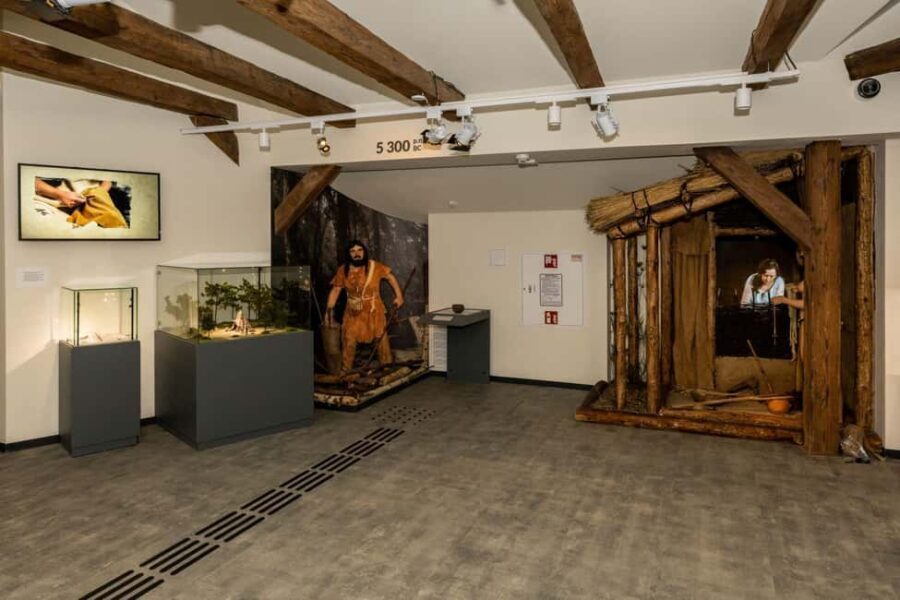
Visiting the Krakow Archaeological Museum can be a rewarding experience if you appreciate history and artifacts. It’s the oldest institution of its kind in Poland, founded back in 1850, which gives it a long-standing connection to the country’s past. The museum’s collection is quite broad, offering insight into the region’s archaeological discoveries, especially those related to the local metallurgical history and the Nowa Huta district.
One of the major draws here is the statue of Wiatowid. Dating to the 9th or 10th century, this pagan god sculpture is a striking reminder of the area’s pre-Christian spiritual traditions. When we looked into reviews, some visitors mentioned that the museum’s exhibits are deeply tied to the local history, making it a meaningful visit for those interested in regional stories rather than just general archaeology.
The “Archaeologists for Nowa Huta” Exhibition
A highlight that sets this museum apart is the “Archaeologists for Nowa Huta” exhibition. It’s housed in a charming manor and park complex, which provides a relaxed setting for learning. The exhibition is interactive, with boards and screens narrating the history of the district and showcasing photographs from the last 70 years. It offers a more modern take on archaeology, emphasizing current archaeological work and the region’s development.
Many reviews note that this part of the museum is beautifully presented, blending history with visual storytelling. It’s a good mix of education and engaging displays that appeal to visitors who appreciate context and storytelling, not just static exhibits.
What’s in the Collection?
The core of the museum’s collection includes artifacts unearthed during excavations, especially those revealing the area’s ancient inhabitants and metallurgical history. The statue of Wiatowid is the most prized piece, but the museum also boasts other artifacts and relics.
However, some visitors have lamented that due to ongoing renovations, many exhibits might be temporarily unavailable. One reviewer even mentioned that “most exhibits weren’t available because of the renovation,” which is worth considering if your visit coincides with construction work. Always check the current status on the official website before you go.
Visiting the Museum: Practical Tips
Ticketing and Entry: The museum allows you to skip the line, which is a plus, especially during busy seasons. The ticket price is reasonable, and you can cancel free of charge up to 24 hours in advance. The last entrance is 90 minutes before closing, so plan accordingly.
Accessibility: The museum is wheelchair accessible, making it inclusive for visitors with mobility needs.
Timing: It’s a one-day experience, which is perfect if you’re looking for a flexible activity without a huge time commitment. Since it’s a quieter, indoor setting, you can take your time exploring the exhibits.
Location: The museum is situated in the Lesser Poland region, with precise coordinates of 50.0578, 19.9359. Depending on your itinerary, it can be combined with other nearby attractions or visited as a standalone activity.
More Great Tours NearbyThe Realities: What Visitors Are Saying
Looking at the reviews, opinions are mixed but mostly lean towards the average side, primarily due to external factors. One reviewer from Poland mentioned that “most exhibits were unavailable because of the renovation,” which could be disappointing if you’re expecting a comprehensive experience.
A couple of travelers from the UK and Estonia shared frustrations about ticketing. One of them noted that the organizer didn’t send the ticket, and another had to pay again at the museum because they never received their pre-booked ticket. This highlights the importance of confirming your booking and checking the details beforehand.
On the upside, some visitors appreciated the stunning views and thought the museum was good value for money—especially if the exhibits are accessible during your visit. The photographs in the “Archaeologists for Nowa Huta” exhibition received praise for their historical significance and visual appeal.
The Bottom Line: Is It Worth It?
This museum offers a solid, if somewhat uneven, look into Krakow’s archaeological past. Its rich collection and engaging exhibition about Nowa Huta’s recent history make it a meaningful visit for those interested in regional stories. If you love artifacts like the statue of Wiatowid or are keen to learn about local archaeological discoveries, you’ll likely find this experience worthwhile.
However, be prepared for potential disruptions due to renovations, and double-check your ticket details to avoid unnecessary hassle. It’s best suited for history enthusiasts who appreciate quiet, museum-style exploration and are flexible with visit dates.
Overall, if you’re in Krakow and have a few hours to spare, the Archaeological Museum can add depth to your understanding of the area, but don’t rely solely on this visit to be a comprehensive archaeological experience.
Krakow: Archaeological Museum Entry Ticket
FAQ
Is the museum suitable for children? The museum is primarily geared toward adults interested in archaeology and history. Children might find some exhibits engaging, but overall, it’s more educational than interactive for younger visitors.
Are there guided tours available? The information provided doesn’t specify guided tours, but the skip-the-line entry and interactive displays make for a self-guided visit.
Can I cancel my ticket? Yes, you can cancel your ticket up to 24 hours in advance for a full refund.
Is the museum wheelchair accessible? Yes, it is wheelchair friendly.
How long should I plan for my visit? About a couple of hours should suffice to explore the main exhibits.
What are the opening hours? Opening hours might vary; you should check the official website before your visit.
Is there a dress code or special requirements? No special dress code is necessary.
Can I buy tickets on the day? It’s possible, but booking in advance helps avoid disappointment, especially during busy times.
What’s the price of a ticket? The price is reasonable, and the value depends on how much of the exhibits are accessible during your visit.
Can I visit the museum as part of a larger tour? Yes, it can be combined with other Krakow attractions, especially those in the Old Town or Wawel area.
In summary, the Krakow Archaeological Museum offers a glimpse into the city’s ancient past with some standout artifacts and engaging exhibitions. While renovation work and some booking issues are drawbacks, it remains a worthwhile stop if you’re interested in regional archaeology and don’t mind some uncertainty. Just keep your expectations balanced, check current access, and enjoy the chance to step back in time for a little while.
You can check availability for your dates here: