Discovering Manresa: The Water and Textile Museum Experience
If you’re wandering through Catalonia and want to step off the usual tourist trail, the Manresa Water and Textile Museum offers a fascinating look into the city’s past. It’s a quick, inexpensive outing—just $6 per person—that packs in a surprising amount of history and insight about this Catalan town’s industries and water management. Whether you’re a history enthusiast or simply curious about how water and textiles shaped a city, this museum is worth considering.
Two aspects we really appreciate? First, the chance to explore the impressive water reservoirs built in the 19th century—a rare peek into historical engineering. Second, the permanent exhibitions that show how water has been essential for urban planning and agriculture, giving a deeper understanding of Manresa’s development.
On the flip side, a potential consideration is that the exhibit about the textile industry and water systems, while rich in detail, might feel a bit niche for casual visitors. It’s best suited for those with a genuine interest in local history or engineering marvels. If you’re traveling with children, this might not captivate them as much unless they’re particularly keen on industrial sites.
This tour is a perfect fit for history buffs, engineering enthusiasts, or those wanting an authentic, educational experience that’s not overrun with crowds. It’s a quiet, meaningful look at how water and textiles have shaped Manresa into what it is today.
Key Points
- Affordable entry at just $6 makes it an accessible cultural stop.
- Deep dive into water management, featuring historic reservoirs and canals built in the 14th and 19th centuries.
- Learn about Catalan textile history through engaging permanent exhibits.
- Access to historic water tanks of over 2,400 square meters, still largely intact.
- Guided insights from knowledgeable staff or exhibits, as noted by visitors.
- Not overly commercialized, providing an authentic experience for those interested in local history.
What’s in Store at the Manresa Water and Textile Museum?
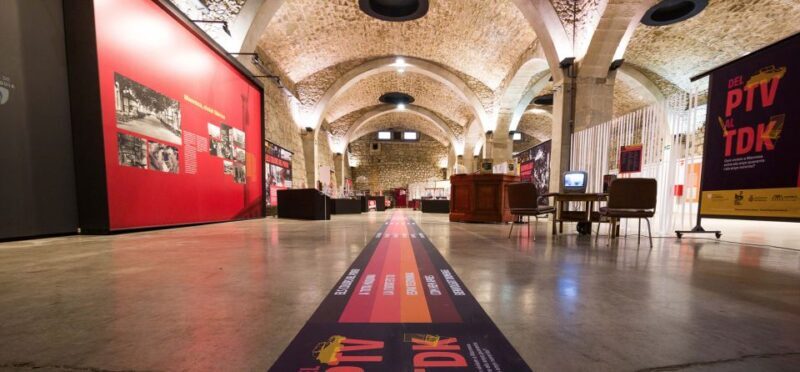
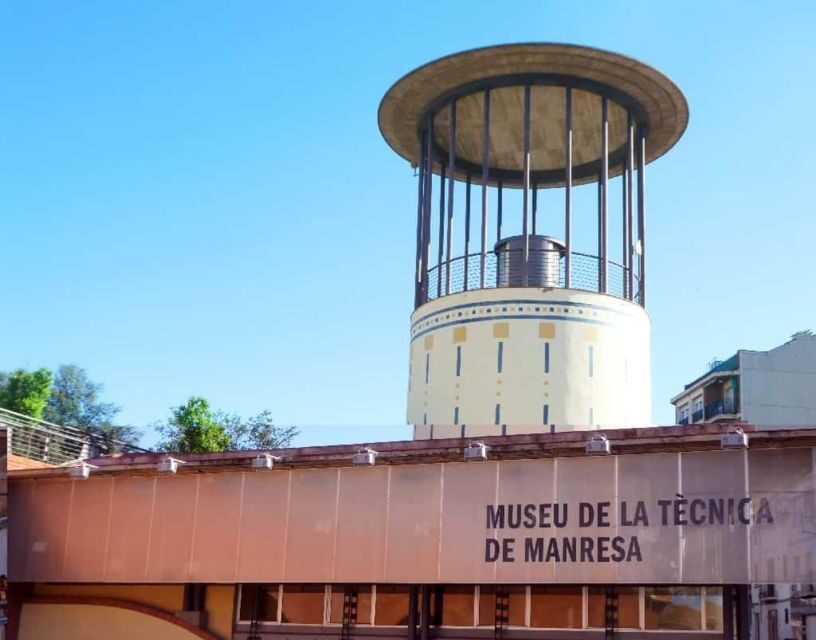
Walking into this museum, housed in the vaults of a striking water reservoir, instantly signals that you’re in for something different. Built in the 19th century, these tanks represent more than just engineering: they are a window into the past, still largely preserved with upper openings and humidity intact. Exploring these reservoirs, you’ll see the scale of historical water infrastructure that once served the city’s needs.
The museum’s permanent exhibitions are split into two main themes. First, the water system exhibit, which traces the development of the Parc de la Sèquia, a canal constructed in the 14th century. This canal is still operational today, a testament to its durability and importance. We loved the way this exhibit explained how water from the canal supported agriculture and urban growth, giving visitors a tangible sense of how water continues to shape life in Manresa.
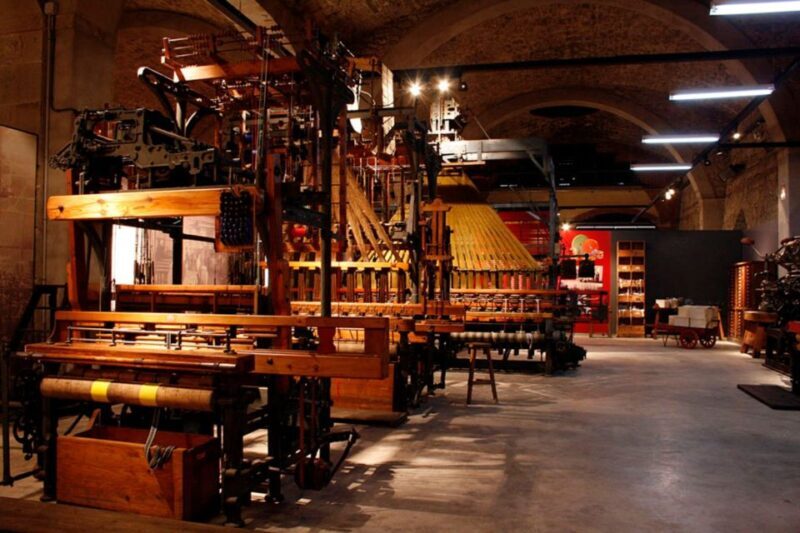
The second exhibit, called the Ribbon, offers a timeline of the Catalan textile industry, from the Middle Ages to modern times. This part of the museum underscores how textiles were a cornerstone of the local economy. Visitors will learn about the industry’s significance and its influence on the city’s development. The detailed displays, often complemented by artifacts, help tell this story vividly.
What to Expect During Your Visit
Expect a mix of indoor and outdoor exploration. The water reservoirs themselves are a highlight, with large, open spaces where you can walk around and absorb the engineering marvels of the past. The humidity and preserved structure help bring history to life, and many visitors have found that this glimpse into 19th-century water tanks is quite impressive.
The exhibitions are set up to be accessible and informative. A visitor from a recent review mentioned, “Interesante,” capturing that this tour is straightforward but meaningful. The staff or guides (if available) tend to be well-informed, eager to share stories and details that enrich your understanding.
The museum’s cost is just $6, a small price for such a comprehensive experience. You’ll also benefit from skip-the-line access, which saves time and heading straight into exploring. The whole tour is designed to fit within a flexible schedule, with available starting times checked on the day of your visit.
Detailed Breakdown of the Experience
Starting at the Entrance: Upon arrival, you’ll be greeted or directed to the ticketing area, where you can skip long lines thanks to pre-booking options. The affordable price of $6 is justified by the depth of content and the historic site itself.
Exploring the Reservoirs: As you step into the vaults, you’ll notice how expansive the tanks are—covering 2,400 square meters—an impressive feat of 19th-century engineering. Visitors often remark on the preservation of these structures, with one reviewer simply calling it “interesante.” The humidity and original construction details give a real sense of stepping back in time.
Water System Exhibits: Moving to the permanent displays, you’ll learn how the Parc de la Sèquia canal was built in the 14th century and still serves the territory. This exhibit highlights the importance of water management in shaping local agriculture and urban development. You might find exhibits explaining the engineering techniques used, and some displays include historical maps and documents.
Textile Industry Timeline: The other side of the museum focuses on the evolution of the Catalan textile industry. Here, artifacts, photographs, and detailed explanations chart the story from medieval times to today. It’s a visual and educational journey that emphasizes the industry’s vital role in Manresa’s history.
Hidden Stories and Local Secrets: One of the fun aspects is learning about the secrets left behind by a former textile worker, adding a personal touch to the exhibits. This detail, shared by visitors, makes the experience more intimate and engaging.
The Practicalities
Duration & Accessibility: The visit can vary in length but typically lasts around 1 hour, depending on your pace. The site is wheelchair accessible, which broadens its appeal to different visitors.
Cost & Value: At just $6, the museum offers excellent value—particularly considering the access to preserved water reservoirs and extensive exhibits on both water management and textiles.
Availability & Booking: Tours are available for one day, but check the schedule in advance since starting times can vary. Booking early is recommended, especially if you want to avoid last-minute surprises.
Cancellation & Flexibility: The tour offers free cancellation up to 24 hours ahead, providing peace of mind if your plans change. You can reserve now and pay later, keeping your options open.
More Great Tours NearbyWho Will Love This Tour?
This experience is ideal for those with an interest in history, engineering, and local Catalan culture. It’s also well-suited for travelers who enjoy exploring off-the-beaten-path sites with meaningful stories. Since the tour is quite affordable and accessible, it’s a low-risk, high-reward addition to your itinerary.
If you have kids who enjoy history or engineering, they might find the reservoirs fascinating, though this isn’t specifically a family-focused site. It’s more suited to curious adults and teenagers eager to understand how water and textiles have shaped society.
Final Thoughts
The Manresa Water and Textile Museum offers a quietly compelling glimpse into a city’s industrial and water management history. It’s a straightforward, cost-effective way to see some impressive historic infrastructure and learn about the industries that fueled the region’s growth. The knowledgeable guides and well-preserved reservoirs make it worth a visit, especially if you’re into history and engineering.
While it may not be the flashiest or most interactive museum out there, its authenticity and focus on vital themes make it a genuine highlight for those wanting to understand Manresa’s roots. If you’re after a meaningful, educational experience without the crowds or hefty price tag, this tour should definitely be on your list.
Manresa: Manresa Water and Textile Museum
“Interesante”
FAQ
Is this museum suitable for all ages?
While primarily educational and focused on history, older children and teenagers interested in engineering, history, or industry will find it engaging. It’s not specifically designed as a family activity, but kids with curiosity about how water systems work might enjoy it.
How long is the typical visit?
Most visitors spend about an hour exploring the reservoirs and exhibits, but you can take your time if you want to read all the displays carefully.
What’s the price of the tour?
The entry fee is very reasonable at $6 per person, which covers access to the reservoirs and exhibits.
Can I cancel my booking?
Yes, cancellations are free if made at least 24 hours in advance, giving you flexibility if your plans change.
Is the site wheelchair accessible?
Yes, the entire museum and reservoir areas are wheelchair accessible, making it easier for all visitors to enjoy.
What’s the best time to visit?
Check the available starting times when booking, as they can vary. Morning visits are often less crowded, but the site is generally open throughout the day.
Are guided tours available?
While the description mentions knowledgeable guides, it’s not explicitly stated whether guided tours are included. You’ll likely find staff or displays that will help explain the exhibits.
Is there parking nearby?
While not specified, most city museums typically have some nearby parking options or public transportation access. It’s worth checking your specific route in advance.
Whether you’re in Manresa for a day or just passing through, this museum offers a taste of local ingenuity and history that deserves a spot on your itinerary.
You can check availability for your dates here: