
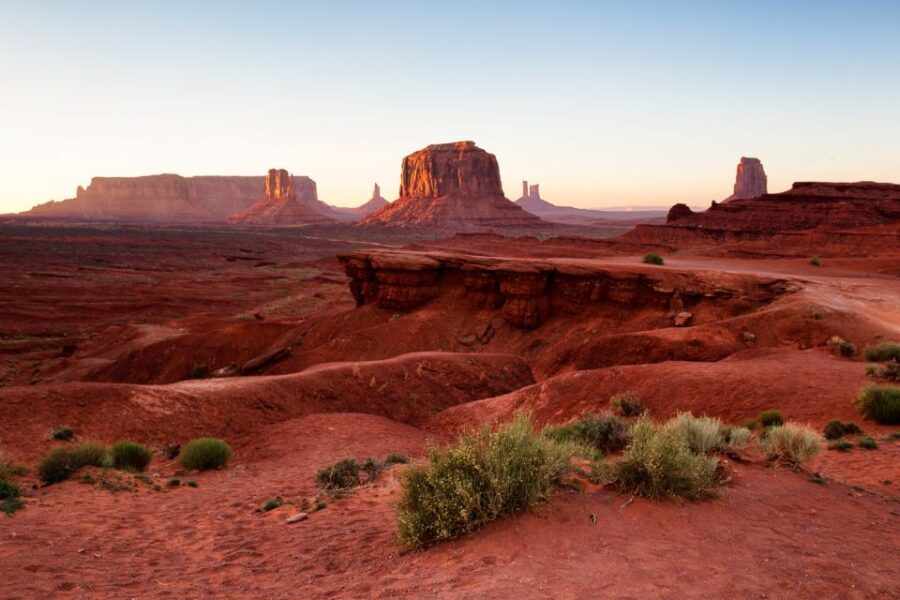
I’m always a little skeptical of sunset tours that sound like a photo checklist, but this one earns its reputation fast. In 3 hours, you’ll ride through classic Monument Valley scenery, then get access to places most visitors never see, plus time with Navajo culture through a traditional home visit and live music.
What I like most: your Navajo guide actually explains what you’re seeing (rock names, legends, and how the valley is read on the land), and the sunset timing is built for great light on the big formations like the Mitten Buttes and the Totem Pole.
One thing to plan around: the terrain can be rough. The tour isn’t suitable for women more than 5 months pregnant, and even regular travelers should expect bouncing, dust, and a need for steady footing.
- Quick Hit Key Points (Why People Book This One)
- Monument Valley at Golden Hour: Why a Guided Sunset Matters
- Meeting at The View Hotel: Easy Start, One Smart Note
- The Vehicle Ride: Open-Air Safari in Warm Weather, Enclosed in Cooler Months
- Stop by Stop: What You’ll See and Why Each One Works
- West and East Mitten Buttes: The Photo “Anchor”
- Three Sisters, Oregon: A Named View With Story Power
- John Ford Point: The Film-Set Feeling, Done Properly
- Big Hogan: Meeting Navajo Home Life Up Close
- Moccasin Arch: Smaller Than It Looks, Strong in Detail
- Sun’s Eye and Totem Pole: When Shadows Turn Dramatic
- North Window Overlook: The Final Big Vista Moment
- The Big Value: Restricted Backcountry Access You Can’t DIY
- Guides Are the Difference: Knowledge, Storytelling, and Real Music
- Photo Tips That Travelers Appreciate (So You Don’t Miss the Moment)
- What’s Included—and the One Extra Cost to Budget
- Weather, Dust, and Comfort: The Reality Check
- Small Group Size: Why It’s Not Just a Marketing Line
- Value for : Is It Worth It?
- Booking Moves: Cancellation Flexibility and Time Slots
- Should You Book It?
- More Guided Tours in Oljato Monument Valley
- More Tours in Oljato Monument Valley
- More Tour Reviews in Oljato Monument Valley
Quick Hit Key Points (Why People Book This One)
 1 / 7
1 / 7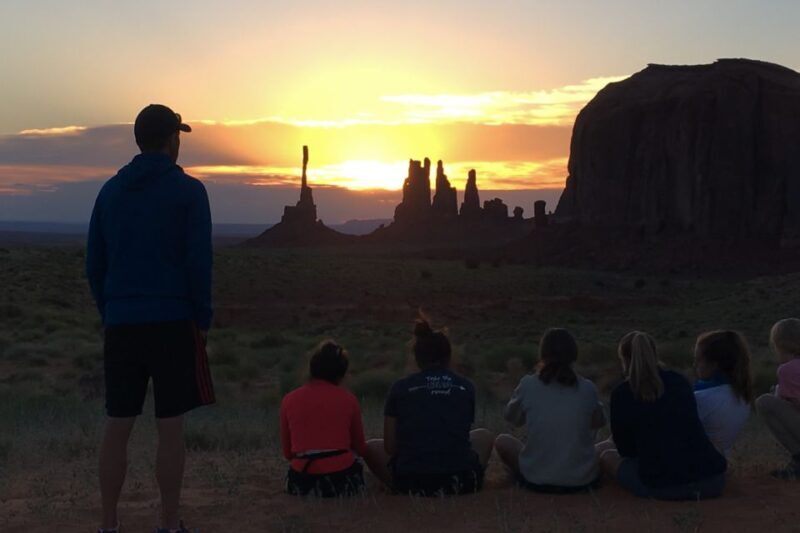 2 / 7
2 / 7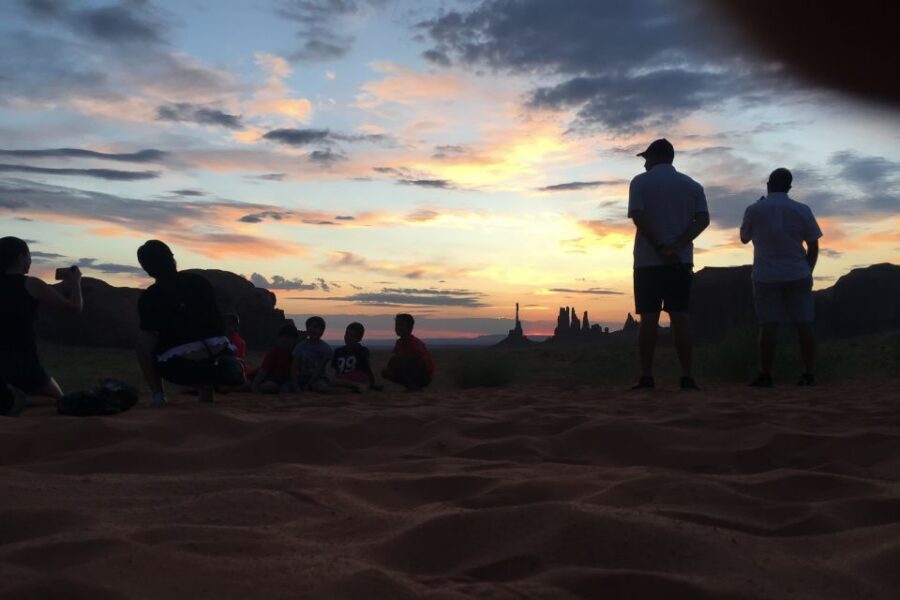 3 / 7
3 / 7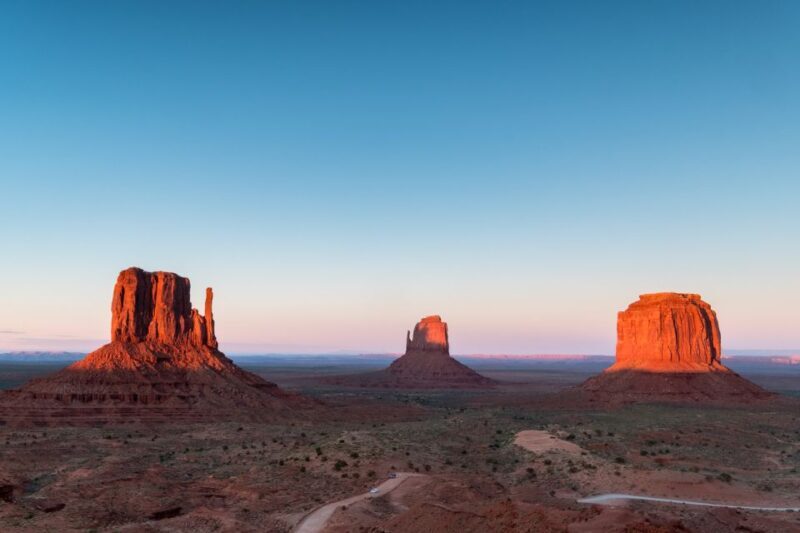 4 / 7
4 / 7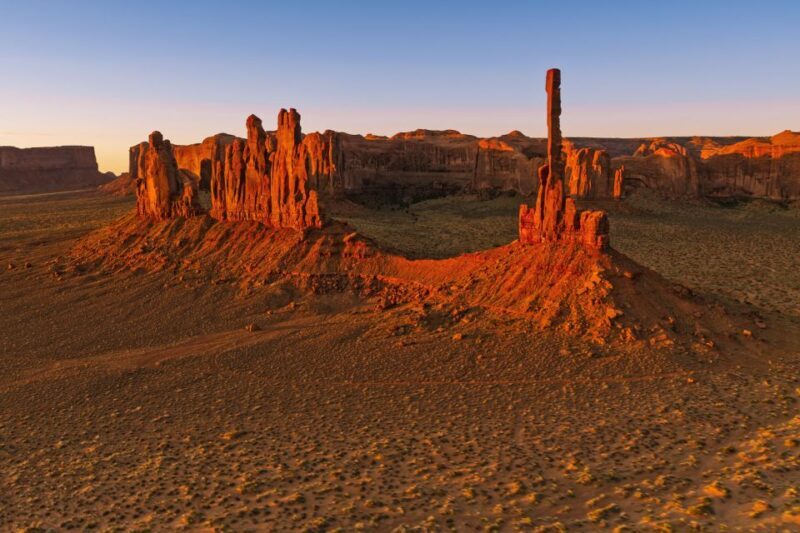 5 / 7
5 / 7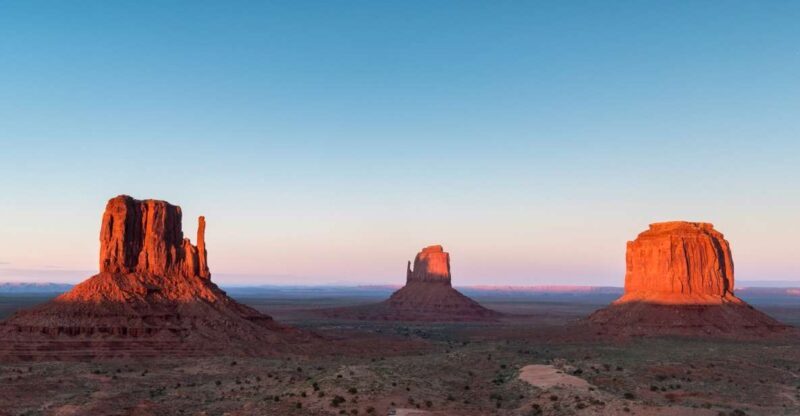 6 / 7
6 / 7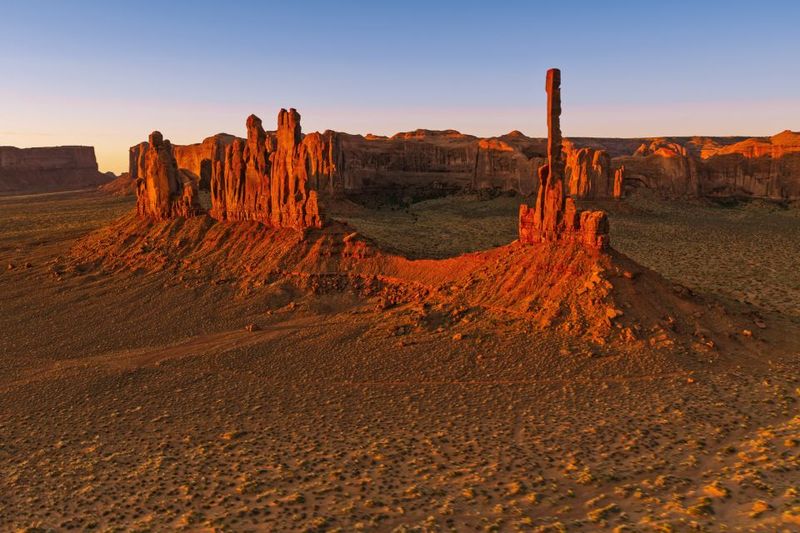 7 / 7
7 / 7- Restricted backcountry access with a Navajo guide, so you’re not stuck on the usual public viewpoints
- Golden Hour photo stops at the West and East Mitten Buttes plus other iconic angles
- Navajo Hogan visit (traditional home) with a bonus rug weaving demonstration when conditions allow
- Live musical performance by the guide at scenic spots, often with instruments or singing
- Small group setup (up to 12 in warmer months, up to 7 in enclosed vehicles), which helps you hear the stories and get photo time
Monument Valley at Golden Hour: Why a Guided Sunset Matters
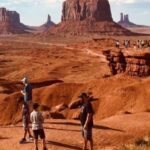
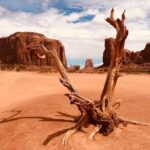
Monument Valley isn’t just pretty. It’s legible. From the driver’s seat you see the shapes everyone recognizes, but with a Navajo guide you start hearing why those shapes matter—how the names connect to stories, how the light changes the way the valley reads, and which views are worth the extra minutes.
The big payoff here is timing. Sunset is when the valley goes from daytime flatness to long shadows and color shifts. Guides consistently steer the group to the best angles for that “this looks different now” moment—especially around the Mitten Buttes and other signature points.
You can also read our reviews of more guided tours in Oljato Monument Valley
Meeting at The View Hotel: Easy Start, One Smart Note
You meet in front of the lobby at The View Hotel at the Navajo loading area. The driver won’t come inside, so do a quick check outside before you assume you’ve missed the group.
Also note the tour runs on Utah Time (Mountain Daylight Time), which is one hour ahead of Arizona from March to November. If you’re coming from Arizona, plan to leave 1 hour earlier than you think you need. This is the sort of timing detail that can make or break a sunset slot.
The Vehicle Ride: Open-Air Safari in Warm Weather, Enclosed in Cooler Months
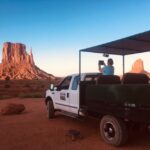
This isn’t a slow bus tour. You’ll go by safari-style vehicle with max 12 passengers in warmer months, or in an enclosed SUV for up to 7 people in colder or hotter periods. That smaller group size matters: you can hear the guide, and you’re more likely to get good photo pauses instead of constant rushing.
Expect rougher roads. Several travelers mention bumps and dust, which is exactly why a tour like this is worth it versus driving your own vehicle on sketchier terrain. Bring comfortable shoes and a face-covering style item (a bandana and sunglasses are specifically recommended).
Stop by Stop: What You’ll See and Why Each One Works
Below is the tour flow you’ll follow during the 3 hours. The specific order can help you understand why you’re moving—sunset light doesn’t hit every formation the same way, and the guide times stops to match the changing angle.
West and East Mitten Buttes: The Photo “Anchor”
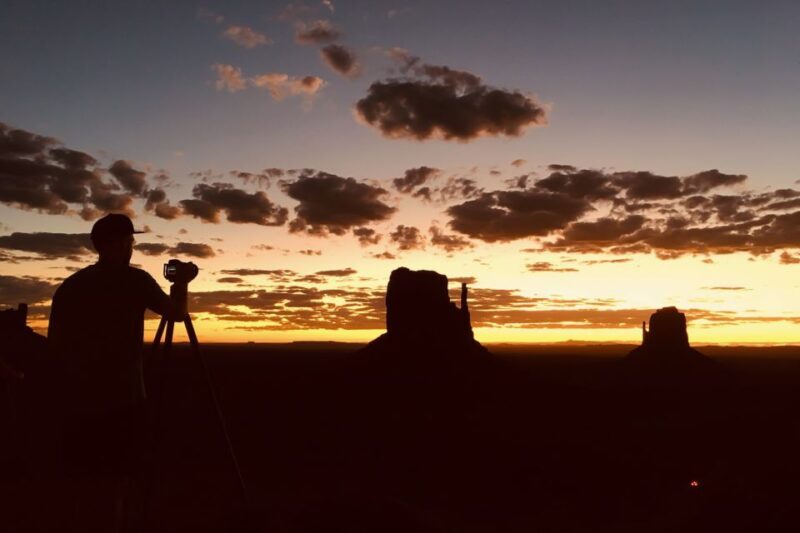
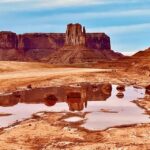
You’ll start with the West and East Mitten Buttes, the two famous rock shapes that make Monument Valley feel like a Western set. This is one of the first places your guide can “lock in” the day’s theme: how to read the formations, and how the light turns them from sharp silhouettes into detailed shapes.
If you care about photos, this is where you’ll likely feel the Golden Hour payoff most. People mention the guide helping them find the best spots for picture angles, and some even report getting phone-camera tips for better results.
Three Sisters, Oregon: A Named View With Story Power
Next comes Three Sisters, Oregon. At a glance it’s another trio of forms, but guides use stops like this to connect names to landscape and meaning. This is where the tour starts feeling less like you’re checking boxes and more like you’re being taught how the valley is interpreted.
The practical upside: having a guide stops you from wandering too long at one overlook. You’ll see more, and you won’t waste daylight on “close enough” angles.
John Ford Point: The Film-Set Feeling, Done Properly
Then you’ll roll to John Ford Point, one of the spots most tied to Monument Valley’s movie identity. Guides often point out film locations and how different scenes used similar framing tricks, but the real value is that you’re there with timing aligned to the light—so it doesn’t just look cinematic, it looks dimensional.
If you’ve watched classic Westerns, this part can feel like reconnecting a name to a place. Even if you haven’t, it’s a great “get your bearings fast” moment.
Big Hogan: Meeting Navajo Home Life Up Close
You’ll visit a traditional Navajo home, often referred to as a Hogan. A key detail: this isn’t just a quick glance. Several travelers mention the warm, human side of this stop—how the guide’s storytelling makes the valley feel connected to real daily life.
Weather permitting, you may also get a rug weaving demonstration. That can be a standout moment because it shifts you from scenery to skill—hands, materials, and patience. And yes, it depends on conditions, so don’t assume it’s guaranteed.
Moccasin Arch: Smaller Than It Looks, Strong in Detail
Moccasin Arch can be the “wait, that’s it?” moment for first-time visitors—until the light hits it. When the angle and shadow line up, the arch starts showing depth, and the guide’s explanation helps you notice details your eyes may have missed.
This is also one of those stops where being on a guided route matters. You’re in the right spot at the right time rather than guessing.
Sun’s Eye and Totem Pole: When Shadows Turn Dramatic
You’ll continue to Sun’s Eye and then Totem Pole. These stops are where the valley’s textures really change at sunset. Multiple travelers praise how the guide spots the best “hold still” moments for photos, and how the formations look different from the route you’d take on your own.
The Totem Pole stop in particular shows why restricted areas are part of the value. With a guide, you’re not only seeing the famous landmark—you’re seeing it from angles that feel more intimate and less crowded.
North Window Overlook: The Final Big Vista Moment
Finally, you’ll head toward North Window Overlook before returning to The View Hotel. This is your wrap-up view—often the last chance to catch the last glow and reset for the ride back.
If you’re hoping to get a classic “I was really here” photo, this final stretch is where you can usually slow down. Many guides also make sure you understand what time-of-day effect you’re capturing, so you leave with more than just pictures.
The Big Value: Restricted Backcountry Access You Can’t DIY
The headline benefit is restricted backcountry of Monument Valley, which you can’t visit on your own without a Navajo guide. That access is what turns the tour from a standard sightseeing run into a genuinely different experience.
Travelers repeatedly say they were surprised by what they could see compared to just driving the main road. In plain terms: you get more valley, not just more stops.
Guides Are the Difference: Knowledge, Storytelling, and Real Music
Most top reviews mention the guide first, and that’s telling. Many travelers specifically call out how knowledgeable their guide was and how they helped with photo timing and composition.
You’ll see names like Travis, Sandrea, Jamison, Carol, Donna, Cami, Comie, Cheryl, Larry, Tesla, Majory/Marjory, Bruce, and Jameson show up across reviews. A lot of guides also bring music into the experience, including singing and flute playing. Some travelers even highlight moments where the guide performed at scenic viewpoints.
That music piece matters. It isn’t just entertainment. It reinforces that this valley is lived-in and explained through culture, not only through geology.
Photo Tips That Travelers Appreciate (So You Don’t Miss the Moment)
Even if your guide handles the “where,” you still control whether you get the shot. Based on traveler feedback, here are practical moves that fit what people say they learned:
- Wear sunglasses and consider a headscarf or bandana to protect against dust
- Avoid loose hats—several travelers warn about hats blowing away on bumpy roads
- Keep your camera and phone ready during transition time, not only when you stop
- Listen for the guide’s timing cues; people note how guides know the best lighting points
If you want your photos to look intentional (not just tourist screenshots), a guide who understands light and angles is worth real money.
What’s Included—and the One Extra Cost to Budget
Included:
- Navajo guide
- Access to restricted backcountry
- Visit to a traditional Navajo home (Hogan)
- Rug weaving demonstration when available
- Traditional musical performance
- Taxes and operational fees (listed as 6% taxes + 3% operational fees)
Not included:
- Monument Valley Tribal Park entry pass (8 USD per person)
- Food
That food detail is important. Because food isn’t included, plan your timing so you’re not hungry during the 3-hour window. Many travelers treat this as a pre-dinner or post-dinner activity and then eat on your own.
Weather, Dust, and Comfort: The Reality Check
This is open-air in warmer months, enclosed in other conditions. Either way, expect sun and dust. Bring what the tour recommends: comfortable shoes, sunglasses, hat, sunscreen, and a headscarf. A bandana is also recommended.
If you’re sensitive to bumps, consider the enclosed option when it’s offered for your season. And if you’re within the pregnancy limitation (not suitable for women more than 5 months pregnant), skip this one and choose a gentler activity in the area.
Small Group Size: Why It’s Not Just a Marketing Line
With up to 12 passengers in warm months (and up to 7 in enclosed vehicles), you’re far more likely to actually hear the guide instead of straining over headsets. It also helps with photo pacing. Travelers mention not feeling rushed during stops and being able to take photos at the right moments.
For families, this format can work well too, especially if kids can handle a few bumpy minutes for the reward of views you won’t get from the main road.
Value for $92: Is It Worth It?
At 92 USD per person for a 3-hour tour, the value comes less from the vehicle and more from the access and the interpretation.
Here’s the simple way to think about it:
- If you drive yourself, you can see the main viewpoints, but you won’t get restricted backcountry access
- If you just want sunset photos, you could do it independently, but you’ll likely miss the best angles and the “why this place is named this” explanations
- The tour includes the Navajo Hogan visit, possible rug weaving, and a musical performance, which turns it into a cultural experience—not only a scenery tour
And yes, there’s an extra 8 USD Tribal Park entry pass, but compared with what you gain—more land, more context, and photo timing—that cost still feels reasonable for many travelers.
Booking Moves: Cancellation Flexibility and Time Slots
This tour offers free cancellation up to 24 hours in advance, plus a reserve now, pay later option. That flexibility is helpful in Monument Valley where timing can shift based on sunset conditions.
It also helps to book a slot that matches your travel day. The tour’s structure is built around that Golden Hour window, so treat it like a must-hit appointment.
Monument Valley: Sunset Tour with Navajo Guide
Should You Book It?
Book this tour if you want Monument Valley with more meaning than a quick photo stop. The combination of a Navajo guide, restricted backcountry access, and a Hogan visit with possible rug weaving plus live music is what turns it into a “different valley” day.
Skip or consider another option if you’re not comfortable with rough roads or if you’re in the pregnancy range listed by the tour. Also, if you expect meals or a long sit-down experience, adjust your plans—food isn’t included.
If you’re the type who wants to understand what you’re seeing (and get the best sunset angles without guessing), this is an easy yes.
You can check availability for your dates here: