If you’ve ever wanted to see Paris through a different lens, this “Paris: A Walk Through History (1940-1944)” tour offers just that. It’s a thoughtful, engaging way to connect with the city’s past during a turbulent period, all through a guided walk that covers key moments of occupation, resistance, and liberation. While it isn’t a sightseeing blitz, it’s a focused experience packed with stories that help make sense of Paris during World War II.
What I really appreciate about this tour is how it balances historical facts with personal stories, giving you a sense of the everyday lives of Parisians. Plus, the fact that it covers everything from the Jewish community’s experience to economic collaboration makes it a well-rounded history lesson. On the other hand, if you’re expecting a fast-paced, high-energy tour, you might find this one more contemplative and detailed than some prefer.
This experience suits anyone interested in history, culture, or just curious about Paris during the Occupation. It’s particularly good for those who appreciate walking tours that focus on storytelling and context rather than just checking off landmarks. Also, if you’re traveling with limited time but want a meaningful glimpse into this critical period, this 2.5-hour walk hits the mark.
Key Points
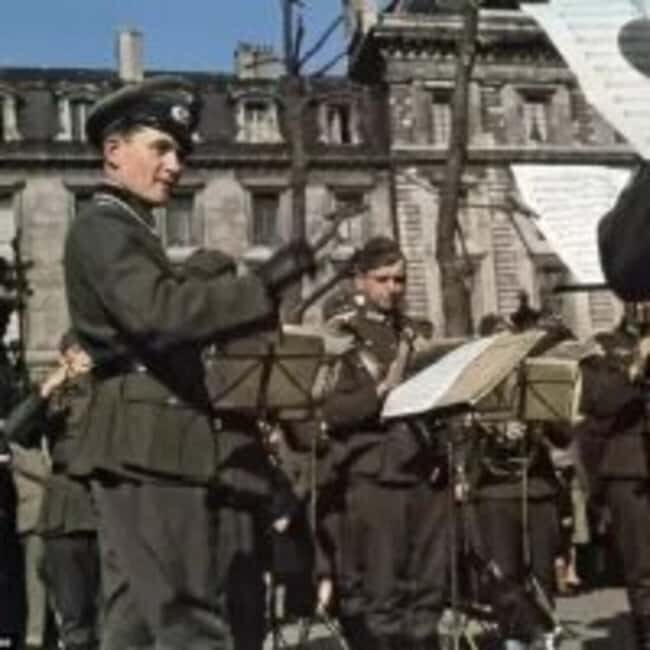
- Focused Historical Insight: This tour offers a well-balanced overview of Paris during 1940-1944, with attention to both political and social aspects.
- Storytelling Over Sightseeing: It’s heavy on anecdotes, stories of individuals, and context rather than just visiting landmarks.
- Cultural and Jewish Experience: Highlights include discussions of the Jewish community’s plight, including visits to a synagogue and a school.
- Economic and Cultural Life: You’ll learn about how some businesses thrived under occupation and see how cultural life persisted through Nazi propaganda and entertainment.
- Liberation Highlights: The tour culminates with dramatic stories of the Liberation of Paris and the aftermath, with visual aids like photos.
- Accessible & Flexible: It’s wheelchair accessible, priced reasonably at $105, and offers flexibility with free cancellation and pay-later options.
A Closer Look at the Tour Itinerary
If you're drawn to exploring Paris on foot, we've looked into these other walking experiences
Starting Point: 32 Bd Poissonnière
The tour kicks off just outside the exit of metro Grands Boulevards (lines 8 & 9), right in the heart of the third Jewish district. This is an ideal starting point because it sets the tone by framing the political and social upheavals that led to the occupation, including France’s defeat and the armistice that divided the country. The guide provides a clear overview, giving you the context to understand what you will see and hear throughout.
The Jewish Experience During Occupation
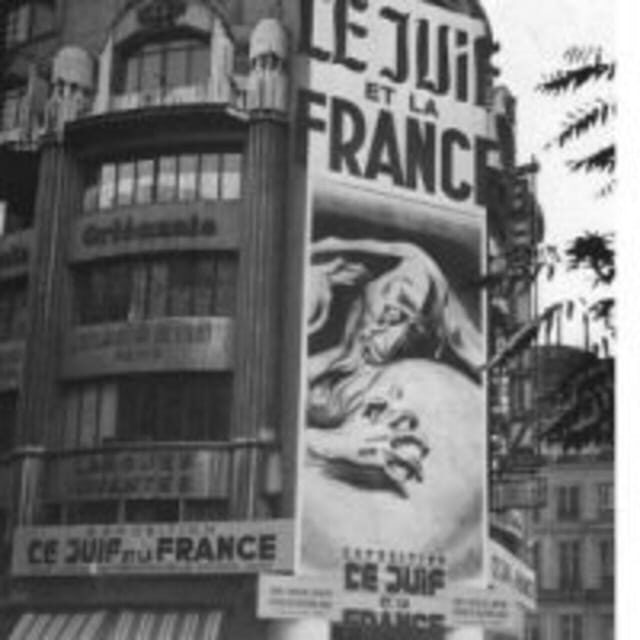
From the start, the tour delves into the Jewish community’s hardships. Visiting a local school and a synagogue, you’ll hear about the laws enacted in July 1940, the round-ups, and deportations. These stops humanize the historical facts, turning abstract policies into stories of real people affected by terrible circumstances. Reviews mention that this part is both moving and educational, offering insights you won’t find in typical tourist guides.
Navigating the 9th District
As you move through this area, the guide shares stories of ordinary Parisians, political opponents, and Jews deported during these years. It’s a chance to see the city not just as a collection of monuments but as a living, breathing place where history unfolded on many levels. The anecdotes about individuals who endured hardship add a personal touch that makes the history more relatable.
More Great Tours NearbyEconomic Collaboration & Business Life
The tour then shifts focus to economic collaboration, revealing how certain industries, including luxury shops, banks, and even the stock market, operated under occupation. It’s a fascinating look at how some businesses managed to survive—and sometimes thrive—despite the grim backdrop of war and occupation. This part might challenge some expectations if you’ve only thought of Paris as a city of romance and art; here, you see a city trying to carry on amid chaos.
Interested in history? Here are other past-focused experiences we've examined in Paris
- Le Marais/Paris – The Historic, Trendy, Jewish, LGBT district
- Paris City of Fashion History Private Guided Walking Tour
- Paris City Center “the History of Paris” Exclusive Guided Walking Tour
- Paris Latin Quarter Walking Tour: History & Culture – Small Group
- Montmartre & Sacré Coeur Private Historical 2-Hour Walking Tour in Paris
- Historical Paris Walking Tour to Vibrant Food Market
Cultural Life & German Presence
Walking along the Grands Boulevards and past the Opera, you’ll notice the visible signs of German influence and occupation. Nazi parades, propaganda, and the physical markers of military presence are all part of the scene. Yet, amid this, Parisians found ways to enjoy entertainment, going to cinemas and shows, showing resilience and a fight for normalcy in difficult times.
The Final Stop: Concorde Square
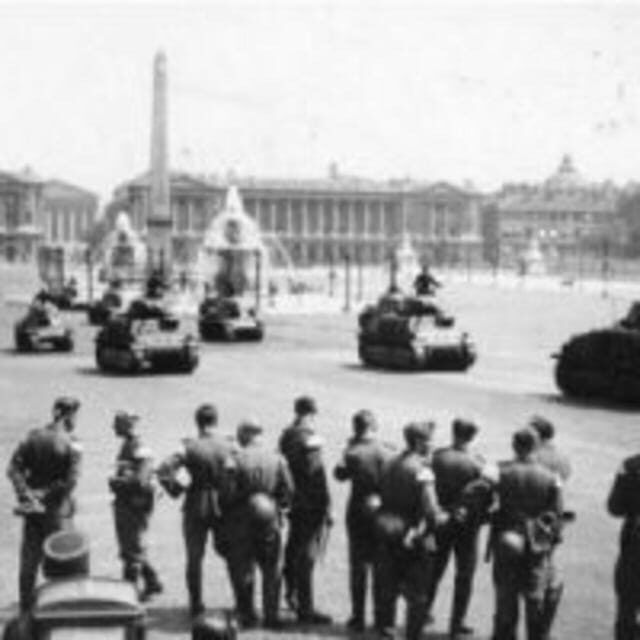
The tour concludes at Place de la Concorde, where photos and stories help visualize what life was like during those years. This is where the guide discusses art thefts, resistance, and the liberation efforts. Stories about stolen Jewish artworks and the eventual freeing of the city bring the experience full circle. The space is perfect for reflection and appreciating the resilience of Parisians.
What You Can Expect from the Experience

This guided walking tour runs for about 2.25 hours and covers a manageable distance in central Paris. The guide’s live commentary is in English, ensuring clarity and engagement. The price point of $105 seems fair considering the depth of storytelling and the small-group feel, fostering a more personal experience.
The meeting point is convenient, right in the heart of the city, making it easy to combine with other sightseeing plans. The tour is wheelchair accessible, which is a thoughtful touch, especially since the route is on smooth city streets.
The Value of the Stories
Many reviews highlight that the anecdotes make history come alive. “We loved the way the guide shared personal stories about the people who lived through it,” one reviewer mentioned, illustrating how these narratives create an emotional connection that textbooks can’t deliver. This human element makes it especially memorable.
Visual Aids & Reflection
The collection of photos at the final stop adds a visual dimension that helps bring the stories to life. Sitting on a bench as the guide explains resistance efforts and art thefts makes for a reflective and immersive end to the walk.
The Downside & Considerations
While this tour is engaging and informative, it is quite focused on the historical narrative rather than sightseeing. If you’re expecting a tour with many landmarks or a fast-paced overview of Paris, this might feel slower, more contemplative. Plus, the experience being light on economic collaboration details could be a missed opportunity if you’re particularly interested in the business side of history.
Another thing to keep in mind is the length of the tour—2.5 hours—which might be tiring for some, especially in cold or rainy weather. However, the route is on city streets and mostly outdoors, so dress accordingly.
Who Would Love This Tour?
This experience is perfect for history buffs, students, or anyone curious about the resilience and stories of ordinary Parisians during WWII. While it’s not a typical sightseeing tour, it offers a meaningful way to understand Paris’s complex past beyond just monuments. It’s especially suited for those who want a deeper, story-driven exploration of the city’s wartime years.
The Sum Up
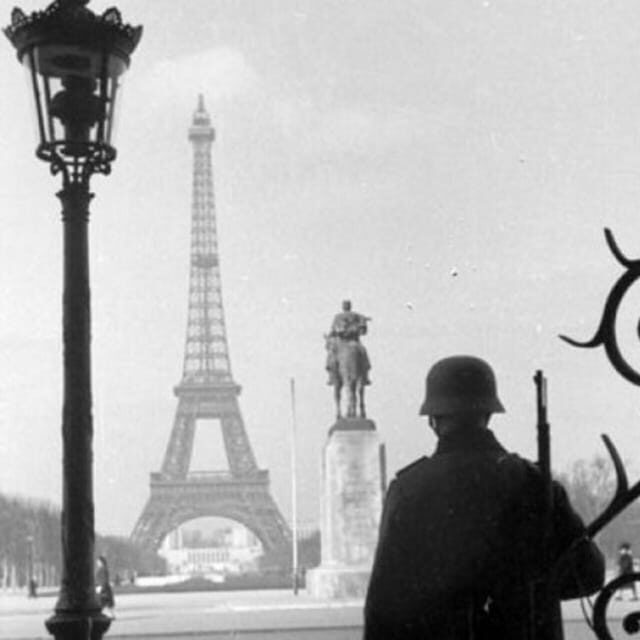
If you’re seeking a tour that combines history, human stories, and cultural insights into Paris during the Occupation, this walk offers a thoughtful, engaging experience. It’s an excellent choice for travelers who appreciate storytelling and context over rapid sightseeing, providing a well-rounded look at a difficult but crucial chapter of Parisian and world history.
For those interested in Jewish history, resistance, and the city’s resilience in dark times, this tour will resonate deeply. It’s also a reminder of how a city’s spirit endures, even under the weight of occupation.
While it won’t satisfy those craving a fast-paced sightseeing spree, it offers valuable perspective and stories that stay with you long after the walk ends.
Paris: A Walk Through History (1940-1944)
FAQ
Is the tour suitable for people with mobility issues?
Yes, the tour is wheelchair accessible, making it more inclusive for those with mobility concerns.
How long does the tour last?
It lasts approximately 2.25 hours, covering key sites and stories in central Paris.
What language is the tour conducted in?
The tour is guided in English by a live guide.
What’s included in the price?
The tour fee covers the guided walk itself. There are no additional costs mentioned.
Can I cancel if my plans change?
Yes, you can cancel up to 24 hours in advance for a full refund, offering flexibility if your schedule shifts.
Is this experience family-friendly?
While the description doesn’t specify, the focus on historical stories and walking might appeal more to older children or teens interested in history. It’s best to consider their interest level in WWII topics.
Where does the tour end?
The last stop is at Place de la Concorde, where you can reflect on the stories shared and explore the area further if you wish.
If you’re drawn to stories of Paris during its darkest years, this tour offers a respectful, insightful look into that chapter—perfect for those who want more than just pretty pictures and who value stories of resilience.
You can check availability for your dates here:More Historical Tours in Paris
- Unique Walking Tour of Great Women in Parisian History
- Treasures of Islam at the Louvre: A Journey Through History
- Tour of Literary Women in Parisian History with Tastings
- Toulons Heritage Stroll: A Private Walking Tour
- The historic district of Montmartre
- The heart of Paris: Montmartre and Historical Monuments
More Walking Tours in Paris
- Paris: Gastronomic Private Walking Tour with Food Tastings
- Walking Tour of Paris: Discover the Wonders of the Left Bank
- Vintage Paris & St Ouen Flea Market Walking Tour
- Unique Walking Tour of Montmartre Highlighting Women in Art
- Unknown Paris: Walking Tour with an Expert Guide
- Unique Walking Tour of Great Women in Parisian History
More Tour Reviews in Paris
- From Paris: Bruges Guided Tour with Hotel Pickup
- Bruges Day Trip from Paris &Historium VR – Small Group Tour
- From Paris: Bruges Christmas Market, City Tour, Choco-Story
- From Paris: Bruges and Ghent Private Day Trip in Flanders
- Bruges Day Trip from Paris, Historium VR, Choco|Beer tasting
- Paris: Day trip to Brussels and Bruges by train.
More Paris experiences we've covered
- 15 Top Shopping & Market Tours In Paris (With Reviews & Prices)
- From Paris: Bruges Guided Tour with Hotel Pickup
- 15 Best Private Driver Services In Paris
- Paris’s 2 Best Motorbike And Scooter Rentals (With Prices & Reviews)
- 3 Best Massage & Relaxation Services In Paris
- The 10 Best Lunch Experiences In Paris
- Bruges Day Trip from Paris &Historium VR – Small Group Tour
- Which Paris Historical Tours To Choose? We Rank The 15 Best
- Paris’s 2 Best Hiking And Trekking Tours: Which To Choose?
- From Paris: Bruges Christmas Market, City Tour, Choco-Story
- 15 Fantastic Full-Day Tours In Paris
- We Rank The 15 Best Food Tours In Paris