

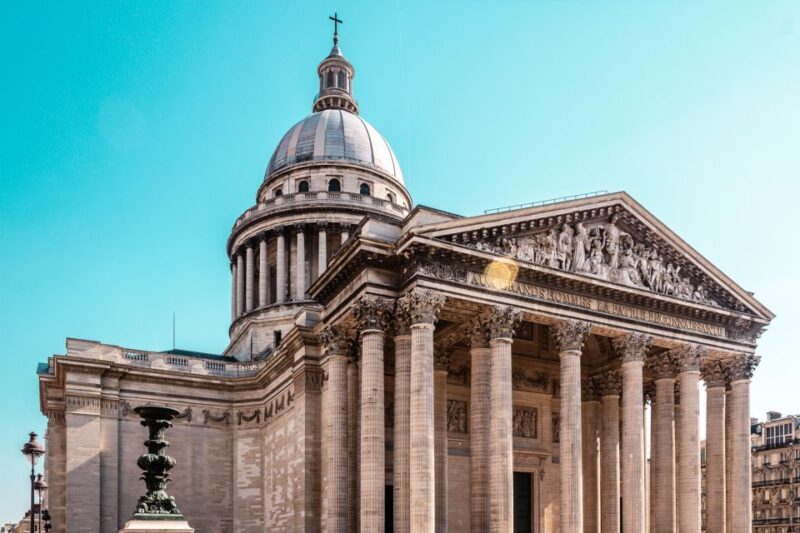
Here’s my take on the Paris Panthéon admission ticket: it’s a self-guided visit to Soufflot’s former church-turned-national monument, with an entry setup that’s designed to keep things smooth. Two things I like right away are the flexible self-guided entry and the fact you can choose whether to add the optional audio layer once you’re there.
What really sells the ticket is the payoff. The crypt brings French history down to a human scale with 70+ major figures, including Voltaire, Jean-Jacques Rousseau, Émile Zola, Alexandre Dumas, and Marie Curie. Bonus: during April to October, you can access recently restored upper floors for city views. One possible consideration: a few visitors feel the crypt is less spectacular than the main monument, so set expectations that you’re there for the overall experience, not one single highlight.
- Key things to know before you go
- Panthéon in one minute: church turned monument
- Ticket basics: what you actually get for
- Where it is and what to plan for
- Before you enter: ID, bags, and the small stuff that matters
- Self-guided layout: a sensible path through the monument
- Soufflot’s masterpiece: why the building feels powerful
- The tomb list: 70+ names you’ll recognize fast
- Crypt and interactive stops: pendulum, models, and gadgets
- Upper floors views: best if you’re here April to October
- Audio guide vs booklet: what adds value
- Guided tours every afternoon: when it’s worth adding a human
- Timing and crowds: how to make the visit feel calm
- Accessibility notes you should factor in
- What makes it good value for Paris
- Pairing tips: what to do nearby
- Opening hours and closure dates you must check
- Who should book this Panthéon ticket
- Should you book?
- FAQ
- How long should I plan for the Panthéon?
- Can I visit at any time with this ticket?
- Do I need an audio guide?
- Is a guided tour included?
- What identification do I need?
- Is the Panthéon wheelchair accessible?
- Are there any restrictions on bags?
- When is the Panthéon closed?
Key things to know before you go
 1 / 9
1 / 9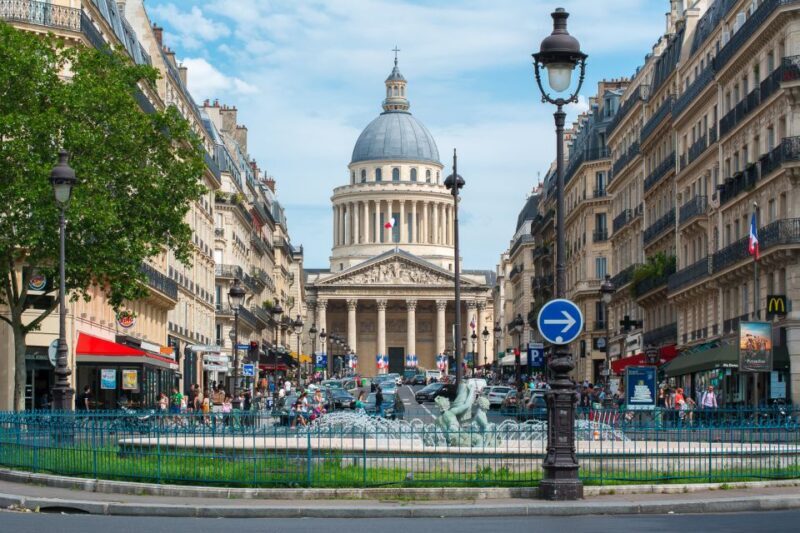 2 / 9
2 / 9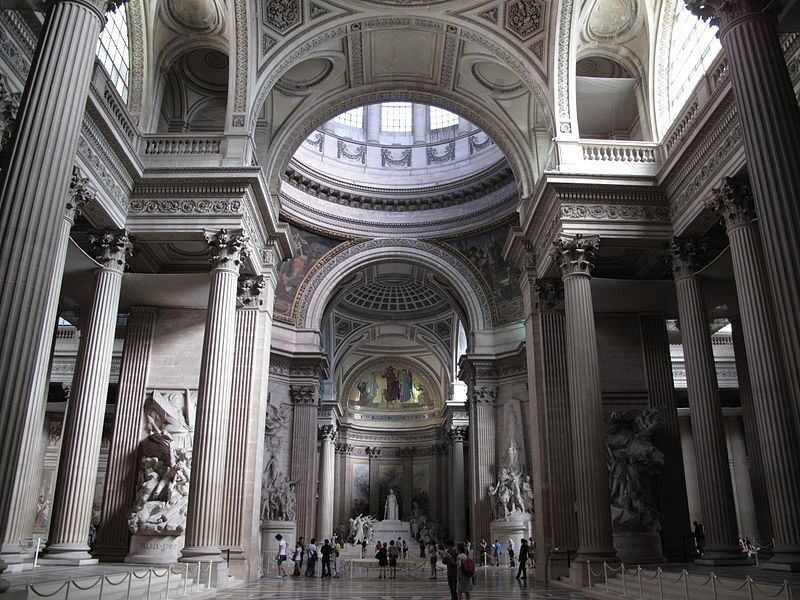 3 / 9
3 / 9 4 / 9
4 / 9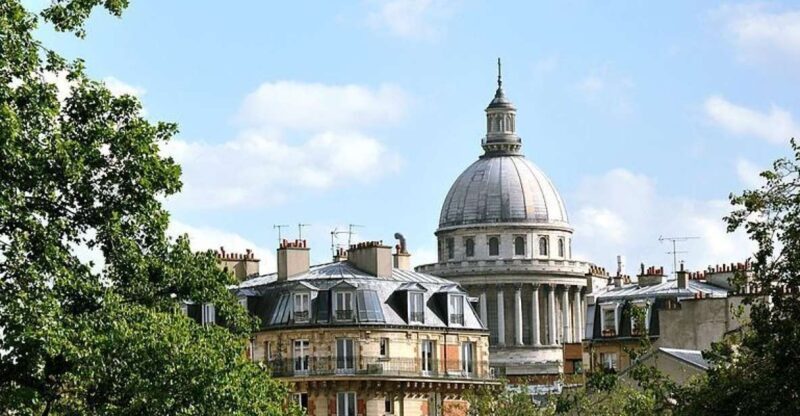 5 / 9
5 / 9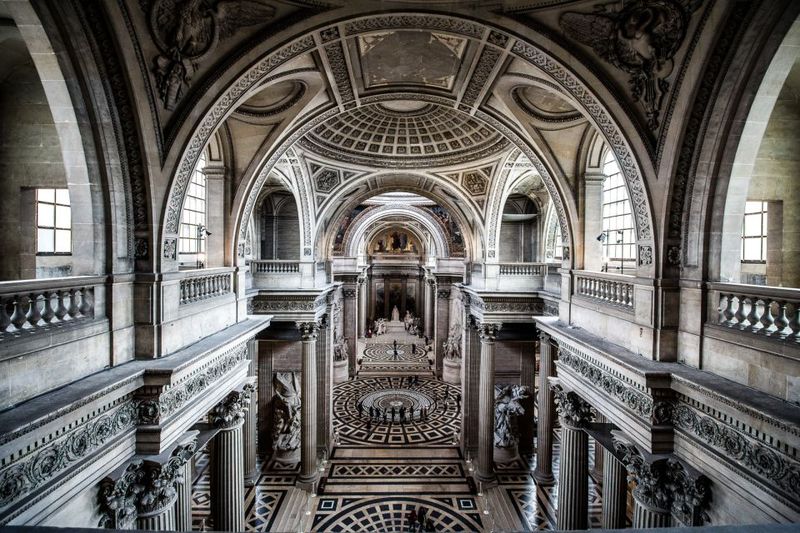 6 / 9
6 / 9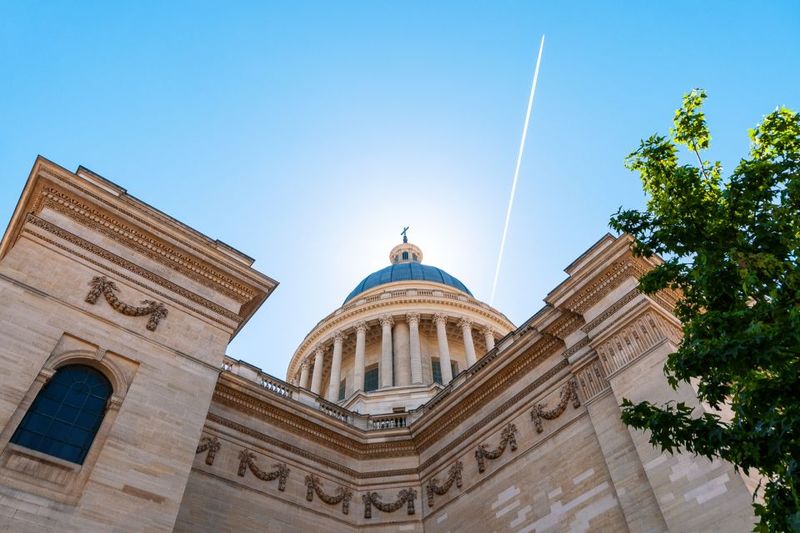 7 / 9
7 / 9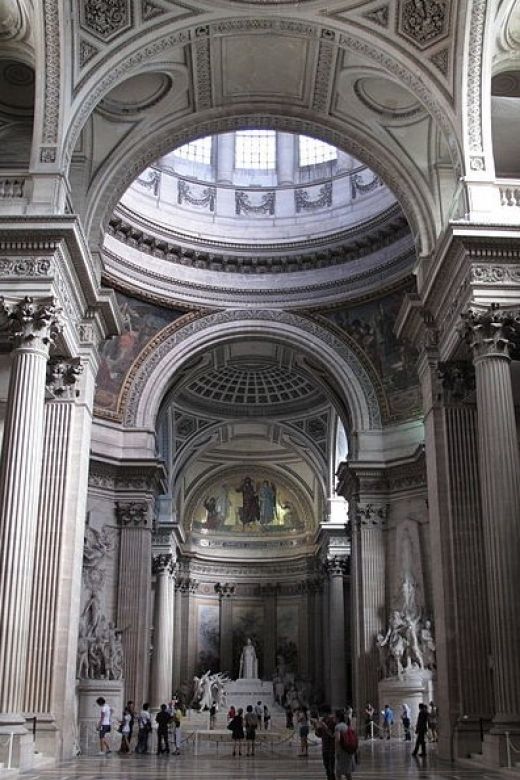 8 / 9
8 / 9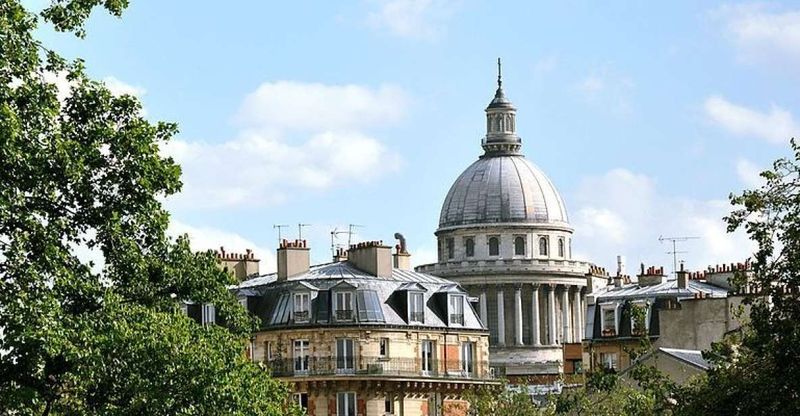 9 / 9
9 / 9- Soufflot architecture: you’re stepping into a former church that was later renamed the Panthéon after the Revolution
- 70+ famous tombs: plan to spot names like Voltaire, Rousseau, Zola, Dumas, and Marie Curie
- Optional audio support: audio is extra (paid at the monument), while the booklet is included
- Upper-floor views seasonally: restored upper levels are available from April to October
- Interactive touches: some visitors mention a pendulum display and a small architectural model
Panthéon in one minute: church turned monument
The Panthéon is one of those Paris landmarks that feels like more than one place at once. It starts as a major church project by Jacques-Germain Soufflot (1713–1780), built to glorify the monarchy in a Saint Geneviève setting. Then history flips the script: during the French Revolution, it was deconsecrated in 1791 and renamed the Panthéon.
That change matters because it shapes the mood. You’re not just touring a pretty building. You’re walking through a national story that moves between religion and civic pride—especially during the turbulent 19th century when it shifted between religious and patriotic uses.
Ticket basics: what you actually get for $15
This is an admission ticket for a self-guided tour, priced at about $15 per person, valid for 1 day. The useful part is flexibility: the ticket can be used on any date and at any time, as long as you enter during opening hours.
Included in your ticket:
- Self-guided tour access
- An information booklet (online or available at the entrance)
- A guided tour option every afternoon (subject to availability)
- Entry that’s flexible rather than locked to a specific time slot
Not included:
- Audio guide (extra, payable directly at the monument)
- A live guide by default
This is good value if you like freedom. If you prefer having a person guide your steps, you may still be able to catch an afternoon guided tour, depending on what’s available that day.
Where it is and what to plan for
Your meeting point is the Panthéon entrance, Place du Panthéon, 75005 Paris.
Two practical notes that help with planning:
- The monument has a last admission 45 minutes before closing
- On Dec 24 and Dec 31, it closes at 4:00 PM
- The ticket is non-refundable, so check your day and timing before you lock it in
Before you enter: ID, bags, and the small stuff that matters
Bring your passport or ID card. That matters more than people expect because some visitors qualify for free entry, but you still need to show the right proof.
Things to know about entry rules:
- Not allowed: luggage or large bags
- You’ll want to travel light so you don’t waste time at security
Free entry rules (important if you’re eligible):
- Free for visitors under 18
- Free for EU citizens under 26, but you must show photo ID with a picture at the ticketing station first
- Free entrance on the first Sunday of January, February, March, November, and December
- Free during European Heritage Days (the 3rd weekend of September)
Also, if you’re sensitive to lines, this kind of pre-arranged ticket often helps. Multiple visitors mention that reserving ahead makes entry feel quick and predictable.
Self-guided layout: a sensible path through the monument
Because this ticket is self-guided, you get to choose your pace. That’s a plus, but you still need a game plan so you don’t feel like you’re wandering without direction.
A common approach looks like this:
1. Start on the main floors and take in the space and artwork first
2. Move into the crypt to connect names with stone
3. If it’s in season, go up to the restored upper floors for panoramic views
Many travelers report the visit working out to about an hour if you keep a steady pace. If you stop often to read, take photos, or pause for the interactive parts, plan more time.
Soufflot’s masterpiece: why the building feels powerful
Soufflot’s design is a huge part of the experience. Even if you’re not a history nerd, you can feel how the space was built to create dignity and scale. The Panthéon’s original mission was tied to monarchy and national symbolism, and the architecture still carries that weight.
The building has also lived through multiple identities—church first, then a national monument—so you’ll notice how art and space can feel different depending on where you stand. That’s why self-guided works well here: you can linger where you feel the meaning.
The tomb list: 70+ names you’ll recognize fast
The headline here is simple: the crypt is the final resting place of 70+ important figures of French history. You’ll likely spot many famous names along the way, including:
- Voltaire
- Jean-Jacques Rousseau
- Émile Zola
- Alexandre Dumas
- Pierre and Marie Curie
Victor Hugo is also central to the Panthéon story. The monument became the resting place for major French figures starting with the period after Victor Hugo’s death in 1885, and that’s why many visitors come with one name in mind and then end up surprised by how many other stories are packed into the crypt.
Practical tip: don’t try to memorize everything. Instead, pick 3–5 names you care about most and let the rest be a bonus. If you read a lot, you’ll likely want extra time.
Crypt and interactive stops: pendulum, models, and gadgets
A lot of travelers highlight the crypt as a standout, and for good reason—it’s where the monument gets personal. You’re not just viewing history; you’re walking inside a curated memorial space.
You might also encounter interactive or display elements. One visitor specifically mentioned a pendulum display and suggested checking the reading when you arrive and rechecking when you leave to get a feel for what the experiment is doing. Others mention a small model of the Panthéon and sections with sculptures, paintings, and some audio/video gadgets.
One balanced note: some visitors find the crypt less spectacular than the main monument. That doesn’t mean it isn’t worth your time. It just means you’ll enjoy it more if you’re willing to read and connect names to the setting rather than treating it like one big wow-photo moment.
Upper floors views: best if you’re here April to October
If you visit between April and October, you can access the recently restored upper floors for city views. For travelers, this is a key reason to plan your timing. The main monument is impressive, but the upper levels add a classic “Paris from above” payoff without having to build an entire second activity into your day.
Even if you don’t love heights, upper-floor access tends to be popular because it changes your sense of scale. You stop being inside a single building and start thinking about how it sits in the city.
Audio guide vs booklet: what adds value
Your ticket includes an information booklet (available online or at the entrance). That’s your baseline.
The audio guide is optional and paid directly at the monument. Several visitors find it helpful for following the route and understanding what you’re seeing.
One thing to keep in mind: some people say the audio devices can be a bit fiddly. If that happens, don’t panic. The booklet is already included, and you can still have a rewarding self-guided visit by reading key plaques and moving at a comfortable pace.
If you only buy one extra, audio is the one that most often turns a quick visit into something more meaningful.
Guided tours every afternoon: when it’s worth adding a human
Live-guided tours aren’t guaranteed with this ticket, but they’re available every afternoon subject to availability. If you want someone to connect the architecture, the political swings, and the tombs into one clear storyline, this is where a guide helps.
Some visitors mention specific guides by name, such as Florencia and Marcela, and describe them as professional and well-prepared. I can’t promise who you’ll get, but the pattern is clear: when a guide is available, people tend to feel it improves understanding.
My practical take: if you’re short on time or you want context fast, try for the afternoon guide. If you want quiet pacing, stick with the self-guided ticket and add audio only if you feel you need it.
Timing and crowds: how to make the visit feel calm
This monument isn’t huge, but it’s popular. Crowd levels can change day to day and hour to hour.
A useful strategy that shows up in visitor experience:
- Weekdays can be quieter (some travelers report little to no crowds)
- Plan to enter earlier in the day if you want more space to read and wander
- If it’s crowded, focus on your must-sees and don’t feel bad about skipping some side sections
Also remember the “last admission” rule: go close to closing only if you’re okay with a faster, less relaxed visit.
Accessibility notes you should factor in
The Panthéon is wheelchair accessible. The site also mentions exterior ramp access for disabled visitors that provides access to part of the nave.
If mobility is a concern, it’s worth arriving with a clear plan: upper-floor viewing depends on access conditions and routes, and the monument is a historic building, so some areas may require extra care. The key point is that there’s at least some ramp access, not just stairs-only pathways.
What makes it good value for Paris
At around $15, the Panthéon ticket is often a bargain compared with many top Paris museums. Why it feels like good value:
- You get a major monument, not just a room or two
- The 70+ tombs mean you can easily build a personal “who matters to me” route
- The option for views from restored upper floors adds variety
- The included booklet gives you context even without paying for audio
You can also think of it as a one-ticket history visit. It’s not asking you to stack three separate attractions to get your money’s worth.
Pairing tips: what to do nearby
This is a great neighborhood to stretch your legs. Some visitors mention Luxembourg Park being nearby, and if you’re into pop-culture landmarks, this part of Paris can also feel familiar from TV and filming locations.
If you want a low-effort plan, pair the Panthéon with a slow stroll in the area afterward. The Panthéon’s atmosphere tends to make you want to stay in “walk and process” mode for a while.
Opening hours and closure dates you must check
Hours vary, and you’ll want to confirm before you go. The tour info includes key closures:
- Jan 1, May 1, and Dec 25 are closed
- June 5 opens at 12:00 PM
- On Dec 24 and Dec 31, it closes at 4:00 PM
Also note:
- Last admission is 45 minutes before closing
If you’re traveling in winter or around holidays, don’t wing it. Plan backwards from the time you’ll be in the city.
Who should book this Panthéon ticket
You’ll likely love this if:
- You want a self-guided visit with control over your pace
- You care about French history and want the tombs to guide you
- You like architecture but also want a museum-like context
- You value views and you’re visiting between April and October
It might feel less perfect if:
- You only want a quick photo stop and zero reading
- You dislike audio devices and don’t plan to use the booklet
- You’re going during peak crowd hours and prefer quiet spaces (self-guided helps, but crowds can still happen)
Should you book?
Yes, I’d book it if you want a solid, well-rounded Paris experience for a reasonable price. The ticket gives you flexibility, a clear route, and enough included context to make the visit feel complete without extra spending.
Book this especially if:
- You’re confident doing self-guided travel
- You want to spend real time with the crypt and the names
- You can visit in April–October to take advantage of the upper-floor views
If you’re deciding between skipping it and adding it, this one is hard to regret. The Panthéon doesn’t require special planning beyond checking closures and entering with your ID.
Paris: Panthéon Admission Ticket
FAQ
How long should I plan for the Panthéon?
You’ll have access for a self-guided visit as part of a 1-day ticket. Some visitors report it taking around an hour if they move steadily through the main areas, while longer visits work well if you read.
Can I visit at any time with this ticket?
The ticket is valid for 1 day and can be used on any date and at any time, depending on available opening hours. Check availability to see starting times.
Do I need an audio guide?
No. A self-guided tour and an information booklet are included. An audio guide is available for an extra fee paid directly at the monument.
Is a guided tour included?
A guided tour is available every afternoon, subject to availability. The ticket itself is for a self-guided tour.
What identification do I need?
Bring your passport or ID card. If you’re eligible for free entry as an EU citizen under 26, you must show a photo ID at the ticketing station first.
Is the Panthéon wheelchair accessible?
Yes, the monument is wheelchair accessible. There is also exterior ramp access for disabled visitors that provides access to part of the nave.
Are there any restrictions on bags?
Luggage or large bags are not allowed.
When is the Panthéon closed?
It is closed on Jan 1, May 1, June 5 (opens at 12:00 PM), and Dec 25. It also closes at 4:00 PM on Dec 24 and Dec 31. Last admission is 45 minutes before closing.
You can check availability for your dates here: