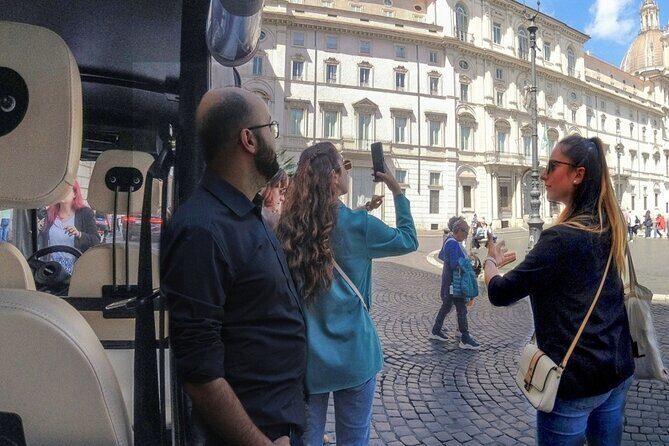
If you’re considering a quick but meaningful way to explore Rome’s layered history—both ancient and recent—this tour offers a compelling option. It’s not just about seeing the Colosseum or Roman Forum; it’s about understanding how recent events have shaped the city’s identity. Whether you’re a history buff or a traveler looking for context as you wander through Rome’s streets, this tour might just fit the bill.
What we particularly like is how it pairs famous Roman monuments with significant WWII sites, giving a more nuanced picture of the city’s story. Plus, the route covers some lesser-known spots, like Via Tasso and Via Rasella, which add depth and a sense of authenticity to your experience. However, keep in mind that the tour is relatively short—just three hours—so it’s more of a whirlwind overview than an in-depth exploration. This works best if you’re okay with a rapid-paced walk, not a leisurely museum visit.
This experience is suited for those who want a quick, guided introduction to Rome’s recent history alongside its renowned landmarks. If you’re interested in understanding how the past and present coexist in this timeless city, this tour is a solid choice. But if you’re after a slow, in-depth historical deep dive, you might want to look for something longer.
Key Points
- Balanced focus on both ancient and WWII history enriches the overall experience.
- Central location start point makes it easy to access and plan around.
- Expert guide delivers insights in Italian, adding authenticity.
- Short duration (3 hours) makes it perfect for a quick overview without commitment.
- Includes significant WWII sites like Via Tasso and Via Rasella, which aren’t always on standard tours.
- Comfortable shoes and water advised — the tour involves walking through Rome’s historic streets.
Discovering Rome’s WWII Past: A Practical Overview
If you’re a history enthusiast or just curious about how recent events have shaped Rome, this tour strikes a good balance. It’s not overly academic but offers enough context to make the sights meaningful. Starting at the Coin Piazzale Appio, a familiar spot with easy access via Metro A at San Giovanni, sets a convenient tone. From here, the guide takes you through pivotal sites that reveal the city’s complex history during WWII.
For broader city exploration in Rome, we've covered these other tours
The First Stops: San Giovanni in Laterano and the Liberation Museum
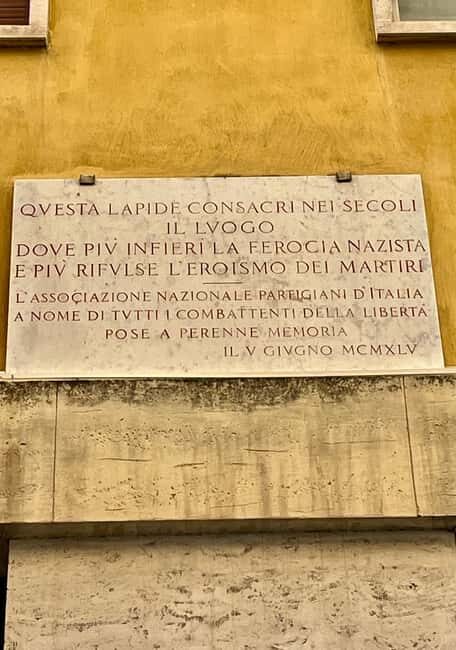
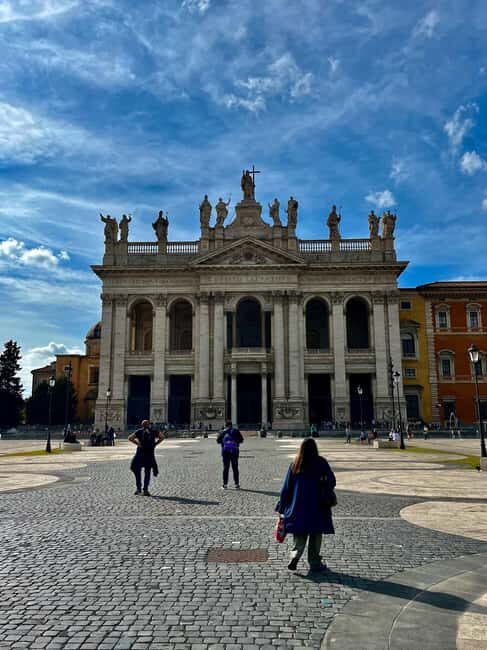
The journey kicks off with a visit to Basilica di San Giovanni in Laterano, Rome’s oldest basilica, a symbol of faith and resilience. While the basilica itself isn’t WWII-specific, it sets the scene for understanding Rome’s layered history. The true focus begins as you head towards Via Tasso, a street with a dark past, as it housed the SS prison and barracks during Nazi occupation. Now, it’s home to the Liberation Museum, where you can learn about Rome’s fight for freedom.
Travelers report that the story told at Via Tasso is emotionally compelling, adding a human dimension to the city’s history. One reviewer mentions, “It’s a sobering but important reminder of what the city endured in those dark days.” As the guide shares stories of resistance and repression, you get a tangible sense of Rome’s resilience.
Iconic Landmarks and Their WWII Connections
Next, the tour passes by the Colosseum and Roman Forum, which, while not directly linked to WWII, serve as a backdrop for understanding Rome’s continuity. The juxtaposition of ancient ruins with recent history underscores the city’s resilience over centuries. Passing by Palazzo Venezia, once the seat of Fascist government, gives a stark reminder of Italy’s troubled past and how history is layered in every corner of Rome.
The Scientific and Political Heart of the Resistance
One of the more intriguing stops is Via Panisperna in the Monti district. It was home to the Royal Institute of Physics, where Enrico Fermi and his team made groundbreaking discoveries about nuclear chemistry. This spot underscores Italy’s scientific contributions during the WWII era, adding depth to your understanding of the period.
More Great Tours NearbyRemembering the Resistance and Tragedy
The journey continues along Via Rasella, the site of a partisan action in March 1944. This event triggered the Fosse Ardeatine massacre, one of Rome’s most tragic episodes. The guide shares details that bring to life the bravery and the brutal retaliation that followed. One review notes, “Walking along Via Rasella and contemplating that history was deeply moving. It’s a story of heroism and horror intertwined.”
- Skip the Line Vatican, Sistine Chapel and Basilica Guided Tour
- Rome: Colosseum Guided Tour with Roman Forum and Palatine hill
- Rome Highlights by Golf Cart: Private Tour
- Rome in a Day Group Tour with Entry to Vatican and Colosseum
- Skip the Line: Vatican Museum, Sistine Chapel + Optional Basilica
- 3 in 1 Cooking Class near Navona: Fettuccine, Ravioli & Tiramisu
Wrapping Up at Piazza del Popolo
The tour ends at Piazza del Popolo, a lively square that today symbolizes the city’s enduring spirit. It’s a fitting place to reflect on the stories shared during the walk—stories of resistance, suffering, and hope.
The Experience: What You Can Expect
The tour is led in Italian and runs for about three hours. It’s designed as a brisk walk, covering key sites and offering insights into Rome’s WWII history within an hour or so at each stop. The group size tends to be manageable, allowing for questions and interaction.
Comfortable shoes and weather-appropriate clothing are recommended. The tour involves walking through uneven streets and some cobblestones, so good footwear is a must. You might also want to bring water or a quick snack, especially if you’re sensitive to walking in the heat or cold.
People have appreciated the expert guidance and the fact that the tour combines popular sights with hidden historical gems. Some reviews highlight that the guide’s storytelling made the history come alive. Others noted that the pace was quick, so it’s better suited for people who enjoy walking and don’t mind a bit of physical activity.
Value for Money
At a relatively short length, this tour offers a good overview for its price. It’s especially valuable if you want a guided narrative weaving together Rome’s ancient and recent past without the hassle of self-guided visits or multiple tickets.
Who Is This Tour Best For?
This experience is ideal for history lovers, students, or anyone interested in Rome’s WWII era. It’s also good for travelers who want a meaningful overview of the city’s recent past without spending an entire day or multiple days on different sites. Since it’s guided in Italian, some proficiency in the language helps, but the stories and sights are compelling enough to be appreciated by most.
If you’re traveling with people who prefer more comprehensive or family-friendly activities, this might be a bit intense or fast-paced. However, for those who enjoy a thought-provoking walk that blends history, culture, and iconic sights, it hits the right notes.
The Sum Up: Is It Worth Your Time?
This tour offers a rare chance to see Rome through a lens of recent history while still enjoying its famed monuments. It’s a solid choice if you want to understand how WWII and the resistance movements shaped the city’s identity, all within a manageable timeframe.
The combination of WWII sites and ancient landmarks makes it a thoughtful addition to your Rome itinerary—especially if your time is limited but your curiosity is high. The guide’s storytelling, the meaningful stops, and the central location make it a practical option for a quick, insightful walk.
While it’s not a deep academic lecture, it provides enough context and stories to enrich your appreciation of Rome’s layered history. It’s suited for travelers who enjoy walking and hearing engaging stories, and who want to get a sense of the city’s resilience and memory.
Rome: An Open City!
FAQs

Is this tour suitable for children or families?
This tour is more suited for adults or older teenagers interested in history. It involves walking and absorbing some heavy stories about WWII and resistance, which might not be ideal for very young children.
Do I need to bring anything?
Comfortable shoes, weather-appropriate clothing, water, and maybe a snack are recommended. Since it’s a walking tour, dress for the season.
Can I cancel the tour if my plans change?
Yes, you can cancel up to 24 hours in advance for a full refund, offering some flexibility if your schedule shifts.
Is the guide bilingual?
The tour is led in Italian, so some familiarity with the language will enhance your experience.
How long is the tour?
It lasts approximately three hours, making it a good option for a half-day activity.
Where does the tour start?
It begins at Coin Piazzale Appio, near the Metro A stop at San Giovanni.
What attractions are included?
Key sites include Via Tasso (Liberation Museum), Colosseum, Roman Forum, Palazzo Venezia, Via Panisperna, Via Rasella, and Piazza del Popolo.
Is this a guided walking tour with a group?
Yes, generally with a small group, led by a live guide providing commentary in Italian.
What makes this tour different from other Rome sightseeing tours?
Its focus on Rome’s recent WWII history combined with iconic landmarks offers a layered perspective most standard tours don’t cover.
Would this tour be good for someone with limited mobility?
Since it involves walking through uneven streets and cobblestones, it may not be suitable for those with mobility issues.
If you’re after a short but meaningful dive into Rome’s WWII past, paired with its world-famous sights, this tour could be a rewarding addition to your trip. It offers insight, context, and a chance to reflect on Rome’s resilience— invaluable for truly understanding the city’s story.
You can check availability for your dates here:More City Tours in Rome
- Rome: Private City Sightseeing Tour by Golf Cart
- Rome: Italian Beer Tour in Rome: Sips, Bites and City Sights
- Rome Port-to-City Journey: Transfer Civitavecchia Port and Rome
- Private Transfer from Rome City to Airport (FCO) or (CIA)
- Vatican City: Museums & Sistine Chapel Tour with St. Peters
- Cabs from Airports to Rome City
More Tour Reviews in Rome
More Rome experiences we've covered
- 2.5-Hour Night Tour of Rome by Luxury Golf Cart
- Rome: Trastevere Food Tour
- Rome: Trastevere and Jewish Ghetto Walking Tour
- Rome: Private City Sightseeing Tour by Golf Cart
- Rome: Vatican Museums & Sistine Chapel Skip-the-Line Ticket
- Day trip Rome: Tarquinia and Cerveteri, Etruschi tour
- Into the Colosseum Guided Tour with Palatine Hill, Roman Forum
- Vatican Museums, Sistine Chapel and St. Peter’s Basilica Tour
- Rome: Pasta & Tiramisu Cooking Class near the Spanish Steps
- Rome: E-Bike Tour of the Seven Hills
- Tour by Vespa
- Colosseum private tour experience with Arena option