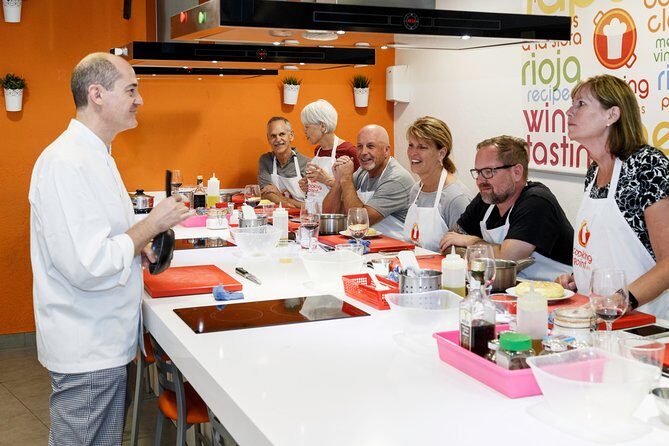
When you’re traveling in Spain, eating great food is one thing—but learning to cook it yourself is something else entirely. This hands-on cooking class in central Madrid gives you exactly that opportunity, and based on the feedback from over 1,300 travelers, it’s become one of the most beloved culinary experiences in the city.
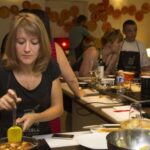
What we particularly love about this experience is the genuine hands-on approach. Unlike many cooking classes where an instructor demonstrates while you watch, here you’re actually doing the cooking, working in pairs under the guidance of knowledgeable local chefs. The morning paella class even includes a shopping trip to a local market, where you’ll select fresh ingredients and learn about Spanish food culture directly from your instructor. That’s not just cooking—that’s cultural education wrapped around a practical skill.
We also appreciate that this isn’t a one-size-fits-all experience. You have flexibility in choosing between a morning paella and sangria class or an evening tapas class, and the organizers will accommodate dietary restrictions and allergies. The small group size (maximum 12 people) means you’ll get genuine attention and instruction, not feel like you’re in a factory tour.
The one consideration worth noting: if you book the paella class expecting to also learn tapas, or vice versa, you might be disappointed. Several reviewers mentioned confusion about which class covered which dishes, so it’s important to read carefully when booking and choose the option that matches what you actually want to cook.
This experience works best for travelers who genuinely enjoy cooking, want to bring home real skills they can use at home, and are looking for an authentic cultural connection through food. It’s equally suited to solo travelers (you’ll be paired with a cooking partner), families with children old enough to participate, or groups of friends looking for a memorable shared activity.
- What You’re Actually Getting: The Real Value
- The Morning Paella Experience: Market, Cooking, and Culture
- The Evening Tapas Class: Variety and Technique
- The Instruction: Who’s Teaching You?
- The Group Dynamic and Social Aspect
- Practical Details That Matter
- The Take-Home Value
- Who This Is and Isn’t For
- Value Comparison
- Booking and Cancellation Logistics
- Frequently Asked Questions
- The Best Of Madrid!
- More Workshops & Classes in Madrid
- More Cooking Classes in Madrid
- More Tour Reviews in Madrid
What You’re Actually Getting: The Real Value
 1 / 8
1 / 8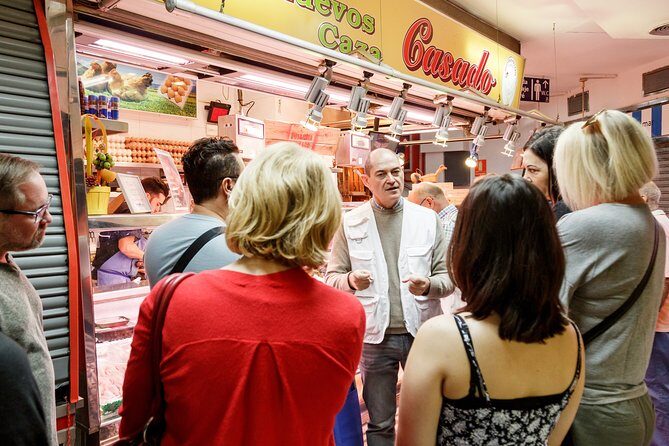 2 / 8
2 / 8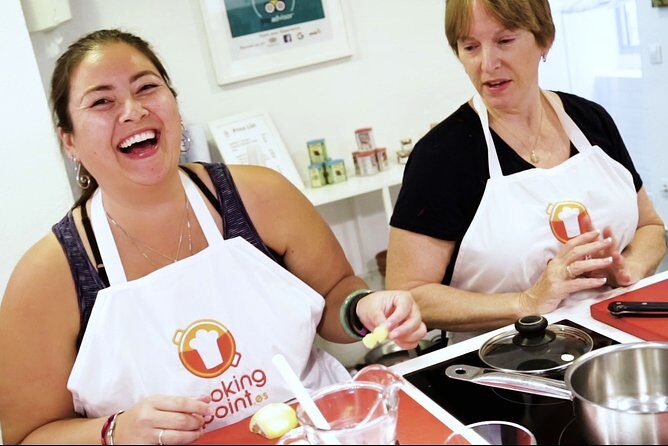 3 / 8
3 / 8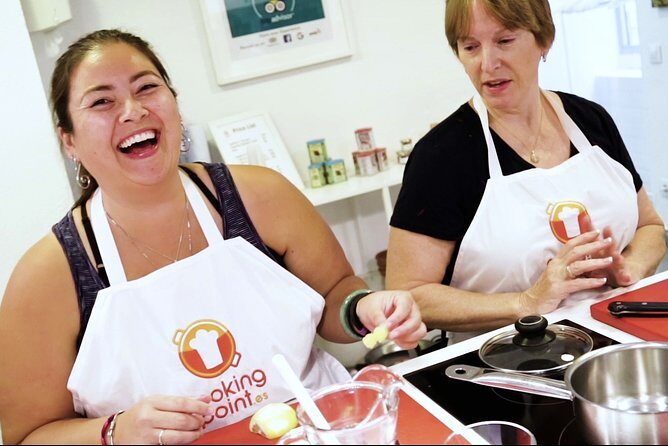 4 / 8
4 / 8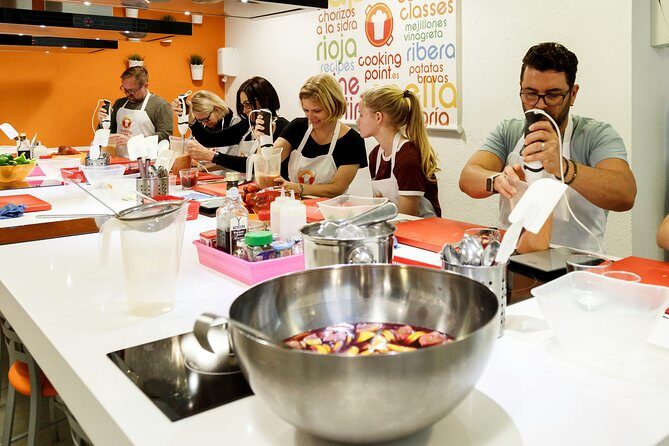 5 / 8
5 / 8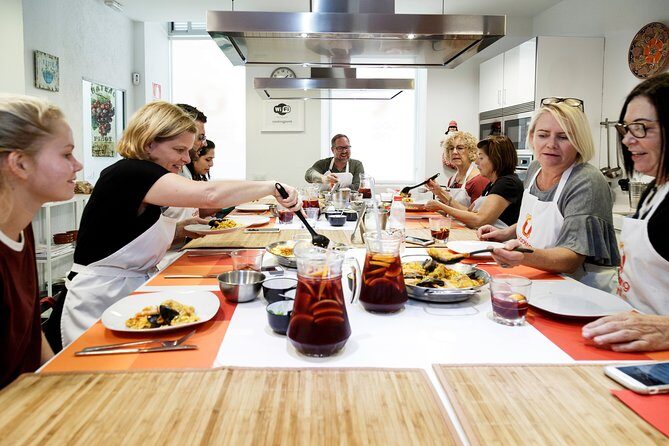 6 / 8
6 / 8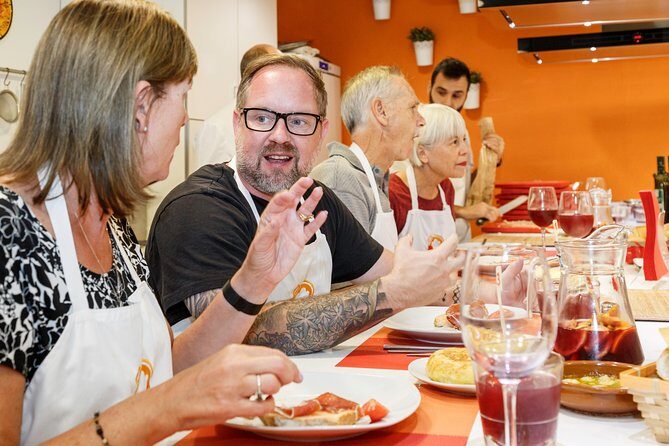 7 / 8
7 / 8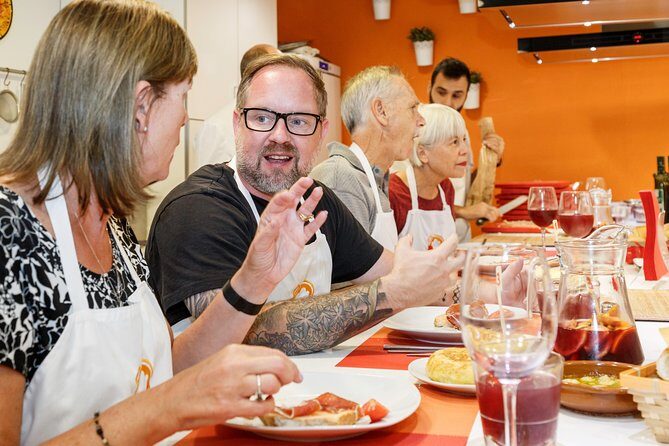 8 / 8
8 / 8At $102.79 per person, this class sits in that sweet spot where you’re paying a fair price for a genuine experience without breaking the bank. Let’s be clear about what that includes: four hours of instruction from experienced local chefs, all the ingredients you’ll cook with, a full meal that you’ve prepared yourself, drinks including the sangria you’ll make, and a recipe booklet to take home. That’s substantially more value than a typical cooking class that charges similar prices but only lets you watch demonstrations.
The fact that this books on average 37 days in advance tells you something important—travelers have figured out this is worth planning ahead for. It’s not an impulse booking; it’s the kind of activity people specifically seek out when planning their Madrid trip.
👉 See our pick of the 15 Best Wine Tours In Madrid
The Morning Paella Experience: Market, Cooking, and Culture
If you choose the morning class, your experience begins at the meeting point in central Madrid (C. de Moratín, 11), and from there you’ll head out with your chef to a local market. This isn’t a tourist-focused market tour; it’s a working neighborhood market where locals actually shop. Your instructor will walk you through what’s available, explain how Spanish people eat seasonally, and help you select the best ingredients for your paella.
One reviewer who took this market component described it beautifully: “Eduardo took us to the market explained the history of the food, flavors and provided his guidance on purchasing everything. Once back at the kitchen he instinctively knew when to suggest and when to let us create.” This balance—knowing when to guide and when to step back—is what separates excellent instructors from just competent ones.
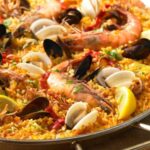
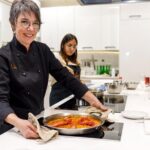
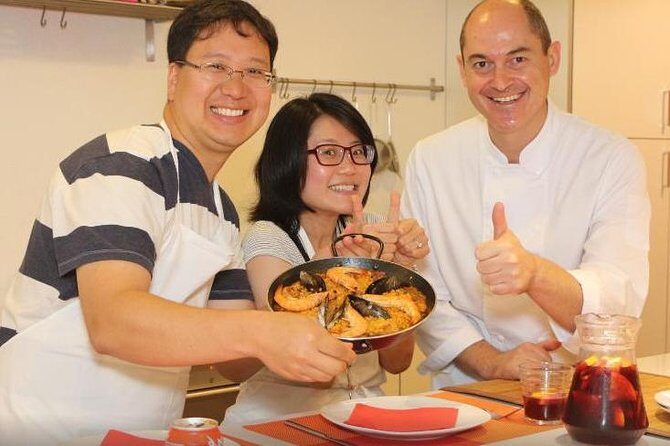
Back in the kitchen, you’ll prepare gazpacho for your starter, then move on to the main event: making paella. You’ll learn the techniques that go into building layers of flavor, understanding why certain steps matter. You’re not just following instructions; you’re learning the why behind Spanish cooking. Then you’ll prepare sangria, which is simpler than it sounds but deeply satisfying when you taste the result of your own work.
You can also read our reviews of more cooking classes in Madrid
The Evening Tapas Class: Variety and Technique
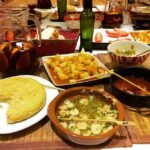
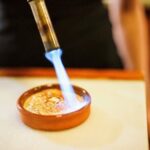
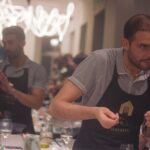
The evening class offers a different focus, taking you through several smaller dishes rather than one main course. You’ll prepare tomato bread with ham as a starter, then move through Spanish potato omelet, garlic shrimp, chorizo in cider, and patatas bravas. You’ll finish with crema catalana for dessert, plus the sangria that pairs with everything.
What’s valuable here is the variety. You’re not spending four hours perfecting one dish; you’re learning multiple techniques and flavor combinations. A reviewer who took the tapas class noted: “The tapas recipes were simple” but also emphasized the “clear instructions” and “hands on” nature of the experience. The simplicity is actually a feature—these are dishes you can realistically recreate at home without specialized equipment or hard-to-find ingredients.
The Instruction: Who’s Teaching You?
Based on the reviews, the instructors at this venue are genuinely skilled and personable. Multiple reviewers mentioned specific chefs by name—Angel, Eduardo, Teresa, Elisa—and described them with consistent praise. One traveler who’d taken cooking classes in multiple cities said: “This was hands down the most professional one we have ever done.”
What makes the difference? These chefs understand that teaching adults is different from cooking in a restaurant. They explain what they’re doing, they adjust their pace to the group, and they share cultural context. One reviewer noted: “She also gave us some insights into Spanish culture” and another mentioned that their instructor “explained the origins of paella, different types, etc.” You’re getting more than recipes; you’re getting cultural knowledge.
The instructors also seem genuinely flexible about dietary needs. One reviewer specifically praised that “the host can accommodate all dietary restrictions and allergies,” and the tour description confirms that you can make your menu based on your specific requirements. If you’re vegetarian, vegan, gluten-free, or have other dietary considerations, this isn’t a problem—just mention it when you book.
The Group Dynamic and Social Aspect
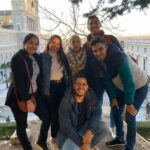
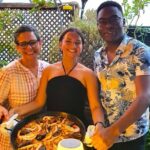
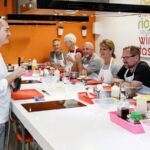
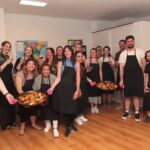
You’ll be in a group of no more than 12 people, which means you’re large enough to have interesting conversations but small enough that nobody gets lost in the shuffle. You’ll work in pairs with another participant, and if you’re traveling solo, you’ll be matched with someone else. Several reviewers mentioned enjoying meeting other class participants, and one described the experience as “dining with friends” by the end.
This social element matters because you’re not just learning to cook—you’re sharing a meal together at the end. You’ll sit down with your classmates and eat what you’ve prepared, sharing travel experiences and stories. For solo travelers, this can be one of the most valuable parts of the experience, turning a cooking class into a genuine social connection.
Practical Details That Matter
The class runs for approximately four hours, which sounds long until you realize how much ground you’re covering. If you choose the morning paella class, factor in travel time to the market, shopping time, prep time, cooking time, and then eating together. The time flies because you’re engaged the entire time.
The meeting point is in central Madrid and is described as “near public transportation,” so you don’t need a car or to rely on expensive taxis. You can get there easily on the metro. There’s no hotel pickup and drop-off included, but given the central location, that’s not really a limitation.
One practical note from a reviewer: “location was easy to find” and “easy to book.” The logistics are straightforward, which means you can focus on the experience rather than worrying about logistics.
You can also read our reviews of more tours and experiences in Madrid
The Take-Home Value
Beyond the immediate experience, you’re getting a recipe booklet with all the dishes you’ve prepared. Multiple reviewers mentioned taking this home and successfully making these dishes again. One said: “I’m looking forward to making gazpacho at home and even feel like I could make paella as well.” That’s the real measure of a good cooking class—not just that you had fun, but that you actually gained skills you can use.
Several reviewers mentioned taking home leftovers from the abundant feast. One traveler said: “we took home multiple boxes of food at the end as the feast was so plentiful!” That’s not standard for all cooking classes, but it speaks to the generosity of portions and the genuine focus on feeding you well.
Who This Is and Isn’t For
This experience is genuinely excellent for families with children old enough to participate in cooking (one reviewer’s 6-year-old enjoyed it). It’s wonderful for groups of friends who want to do something together that’s both fun and productive. It’s perfect for solo travelers looking to meet people while learning something useful.
It’s less ideal if you’re looking for a purely social food tour where someone else does the cooking and you just taste things. If you want to passively consume food experiences, there are other Madrid tours better suited to that. This requires active participation and a genuine interest in cooking.
It’s also worth being realistic: you’re not going to become a paella master in four hours. What you will do is learn the fundamentals, understand the techniques, and gain confidence that you can make these dishes at home. You’ll understand Spanish food culture in a way that watching a cooking show never could.
Value Comparison
At just over $100 per person, this is comparable to or cheaper than many guided food tours in Madrid, but you’re getting hands-on instruction rather than passive tasting. You’re also getting a full meal included, which many tours don’t provide. When you factor in that you’re learning skills you can use for years, the value becomes even clearer.
The 99% recommendation rate and 5.0 rating from over 1,300 reviews suggests travelers genuinely feel they got their money’s worth. That kind of consistency doesn’t happen by accident—it reflects a tour operator who understands what travelers actually want and delivers it reliably.
Booking and Cancellation Logistics
Booking is straightforward and can be done online. The tour offers free cancellation up to 24 hours in advance, which gives you flexibility if plans change. Confirmation typically comes immediately unless you book within a day of the experience, in which case you’ll hear back as soon as possible.
The minimum drinking age is 18 due to the sangria component, but this is clearly stated upfront. Mobile tickets are provided, so there’s no need to print anything or carry paper documents.
Spanish Cooking Class Paella Tapas and Sangria in Madrid
Frequently Asked Questions
Q: What if I’m traveling solo—will I feel out of place?
A: Not at all. Solo travelers are paired with another participant as a cooking partner, and you’ll share the experience together. Many solo travelers have taken this class and enjoyed the social aspect. The small group size means you’ll interact with everyone, not just your partner.
Q: Can you really accommodate dietary restrictions?
A: Yes. The tour description specifically states that dietary requirements can be accommodated, and you should mention them when booking. Multiple reviewers with dietary needs confirmed that the instructors worked with them to modify the menu accordingly.
Q: How difficult is the cooking? Do I need prior experience?
A: No prior experience is necessary. One reviewer specifically noted that the class is “great for beginning and expert cooks,” and the recipes, particularly in the tapas class, are described as “simple.” The instructors guide you through each step, so you’re not expected to know what you’re doing when you arrive.
Q: Is the market visit only for the morning paella class?
A: Yes. The morning paella class includes a trip to the local market to shop for fresh ingredients. The evening tapas class does not include this market component. This is an important distinction when booking—choose the class based on whether you want the market experience.
Q: How much food do you actually get to eat at the end?
A: Enough to be satisfied and then some. Reviewers mentioned taking home “multiple boxes of food” and described the feast as “plentiful.” You’re cooking for a group and then sharing the meal, so portions are generous.
Q: What’s included in the price, and what isn’t?
A: Included: all ingredients, instruction, the full meal, drinks (including the sangria you make), and a recipe booklet. Not included: hotel pickup and drop-off, though the central location makes this less of an issue. Any beverages beyond the sangria you’re making would be extra.
Q: How far in advance should I book?
A: On average, people book about 37 days ahead, which suggests it’s worth planning for. That said, last-minute bookings are possible depending on availability. It’s better to book ahead if you know your Madrid dates.
Q: What if I get confused about which class to book—paella or tapas?
A: Read the descriptions carefully before booking. The paella class (usually morning) focuses on gazpacho, paella, and sangria. The tapas class (usually evening) covers multiple smaller dishes including patatas bravas, garlic shrimp, Spanish potato omelet, and crema catalana. If you want both, you’d need to take both classes on different days.
Q: Will the instructors speak English?
A: Yes. The tour is offered in English with English-speaking local chefs. If English isn’t your first language, the instructors are described as clear with instructions and patient with questions.
Q: What should I wear and bring?
A: Wear comfortable clothes you don’t mind getting a bit of cooking splatter on. The facility is described as “immaculate,” and the instructors will guide you through proper kitchen practices. You don’t need to bring anything except perhaps an appetite—you’ll want to be hungry for the feast at the end.
If you’re looking for a cooking experience in Madrid that actually teaches you skills you’ll use, this is genuinely worth your time and money. The combination of hands-on instruction from experienced local chefs, a small group setting, fresh ingredients, and a full meal you’ve prepared yourself creates real value. The 1,340 five-star reviews aren’t exaggerated—travelers consistently describe this as a highlight of their Madrid trip. Whether you’re a serious home cook looking to master paella or someone who just wants to learn a few Spanish dishes to impress friends back home, this class delivers. The morning market component adds cultural context that makes the experience feel less like a tourist activity and more like genuine learning. Book it ahead of time, arrive hungry, and come ready to work—you’ll leave with new skills, new friends from your cooking group, and the confidence to recreate these dishes at home.