
Travelers often think of Rome as a city bursting with iconic landmarks like the Colosseum or Vatican, but there’s a quieter, yet equally fascinating side to explore—the city’s ancient aqueducts. This tour offers a deep dive into Rome’s water systems, combining history, engineering, and a bit of local life in a way that’s both engaging and educational.
What we really love about this experience is how it transforms what might seem like just ruins into a vibrant story about Roman ingenuity and the environment’s role in urban development. Plus, the guide’s expertise, especially when led by a professional archaeologist, makes all the difference. On the flip side, it’s a walking tour with some uneven terrain, so comfortable shoes are a must. It’s best suited for those who enjoy history, architecture, or simply want a peaceful escape from the busy city streets.
If you’re curious about Roman engineering or looking for a more off-the-beaten-path activity, this tour hits the mark. It’s perfect for history lovers who appreciate a good story, or travelers who want to see a different side of Rome, away from the crowded tourist hotspots.
Key Points
- In-depth historical insights from expert guides, including a professional archaeologist
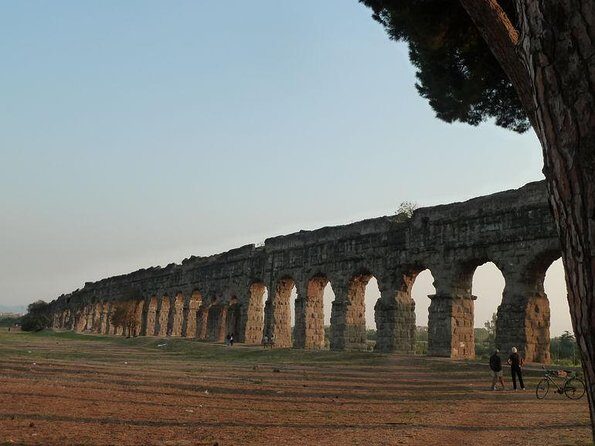
- Beautiful natural park setting with peaceful views of the aqueduct ruins
- Unique focus on lesser-known Roman waterworks, not just the famous landmarks
- Accessible, with most travelers able to join, but require comfortable shoes due to walking
- Affordable at roughly $95 per person, offering great value for the quality of storytelling and sights
- Small group size (max 10 travelers), ensuring a personalized experience
Discovering Rome’s Waterworks: A Unique Adventure
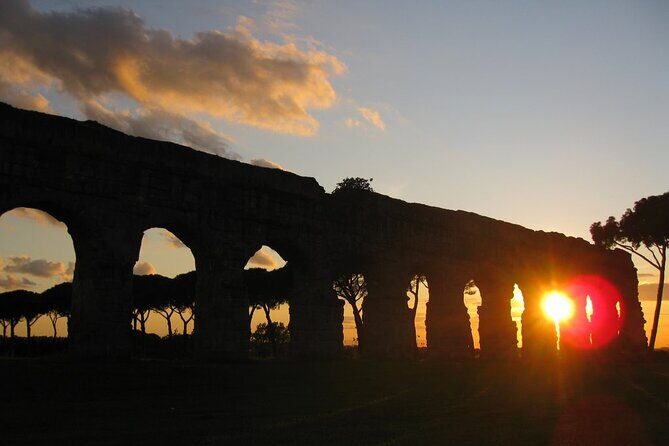
We often associate Rome with its grand monuments, but the city also boasts an incredible network of aqueducts that supplied water for thousands of years. This tour offers a rare opportunity to see these structures up close and learn the stories behind their construction, reuse, and ongoing life—facts that many visitors miss when sticking solely to the big landmarks.
The experience is about uncovering Roman ingenuity. For instance, you’ll visit a park that’s home to seven aqueducts in just a few hectares—an impressive feat of engineering. The fact that this park is mostly free of crowds makes it feel like an insider’s secret, where you can focus on fascinating details without the hustle of tourist groups.
Walking through the park, you’ll see aqueducts built in different eras, from 144 BC to the 1500s AD. You’ll learn how these structures have been repurposed over time—from quarry sites to catacombs, and now, mushroom farms. These stories add layers of history to the stones, making the visit much more than just sightseeing.
Planning more time in Rome? We've covered other experiences worth considering.
The Itinerary: A Closer Look
Stop 1: Parco degli Acquedotti & Parco Archeologico dell’Appia Antica
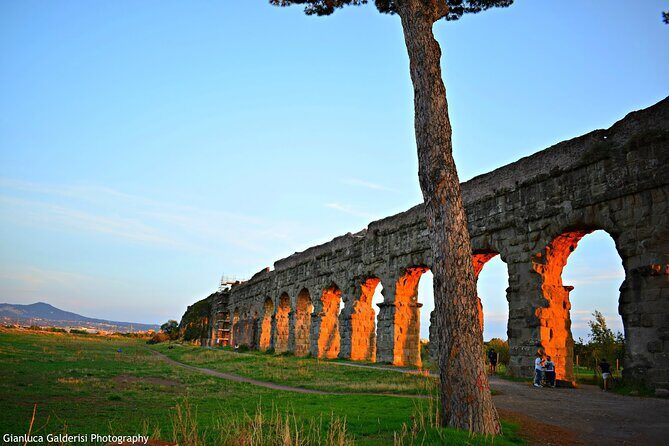
This is where the tour truly shines. The park itself is a natural haven, with lush greenery and ancient ruins blending seamlessly. It’s a local favorite, and you’ll probably find a few families and joggers sharing the space.
Here, the highlight is the seven aqueducts passing overhead—a visual feast and a testament to Roman engineering. It’s rare to find such a concentrated display, which makes this park a global treasure. The tour’s length here is about 1 hour and 20 minutes, giving you a good amount of time to soak in the sights and ask questions.
Key aqueducts you’ll see:
- The 144 BC aqueduct, partially used until recently, reused by the Felice aqueduct.
- The 1500 AD aqueduct built by Sixtus V, which reuses arches from the ancient Marcio aqueduct. Its underground section still transports water—an astonishing detail.
- The “Water Giant”, with arches soaring up to 30 meters, showcasing the scale and precision of Roman water engineering.
- The Anio vetus aqueduct, built by Emperor Claudius, which was the tallest of all the Roman aqueducts.
What makes each stop special?
Each aqueduct tells a story. For example, the aqueduct built in 144 BC highlights Roman technological persistence, being used for centuries. The 1500s aqueduct shows how Roman structures were reused, which is a clever example of resourcefulness. And the Water Giant demonstrates Rome’s ambition to supply water to the entire city, even from great distances.
- Skip the Line Vatican, Sistine Chapel and Basilica Guided Tour
- Rome: Colosseum Guided Tour with Roman Forum and Palatine hill
- Rome Highlights by Golf Cart: Private Tour
- Rome in a Day Group Tour with Entry to Vatican and Colosseum
- Skip the Line: Vatican Museum, Sistine Chapel + Optional Basilica
- 3 in 1 Cooking Class near Navona: Fettuccine, Ravioli & Tiramisu
Guide and commentary
Many reviews praise the knowledge and enthusiasm of the guides. One reviewer mentioned Giuseppe as an excellent, personable guide who answered all questions. Others appreciated that the guides are often archaeologists, providing detailed insights that elevate the experience beyond just walking past ruins.
Practical Details and What to Expect
This tour costs about $94.87 per person, which, considering the small group size and expert guidance, is quite reasonable. The tour lasts around 2 hours, and the maximum group size is 10 travelers—ensuring personalized attention and space for questions.
The meeting point is near the Giulio Agricola metro station, making it easy to reach via public transit. After the tour, you’ll end at the Lucio Sestio metro stop, conveniently located for further exploring or heading back to your accommodation.
Be sure to wear comfortable shoes—the terrain involves some walking on uneven ground. It’s outdoors, so check the weather forecast—if it’s rainy, the experience might be less pleasant, but the tour provider offers full refunds or rescheduling.
Most travelers can participate, but if you have mobility issues, it’s best to consider the walking involved. Service animals are allowed, which is a thoughtful touch.
The Experience in Action
From the reviews, it’s clear that visitors consistently praise the expert guides and the stunning views. One reviewer called it their favorite tour in Rome, noting that Giuseppe made everything come alive with stories and insights. Several highlights emerge:
- The ability to touch parts of the aqueducts makes the experience tangible.
- The serene atmosphere and quiet park environment provide a peaceful break from crowded city streets.
- Guides like Riccardo and Giuseppe are highlighted for their enthusiasm, knowledge, and patience—important when dealing with questions from curious visitors.
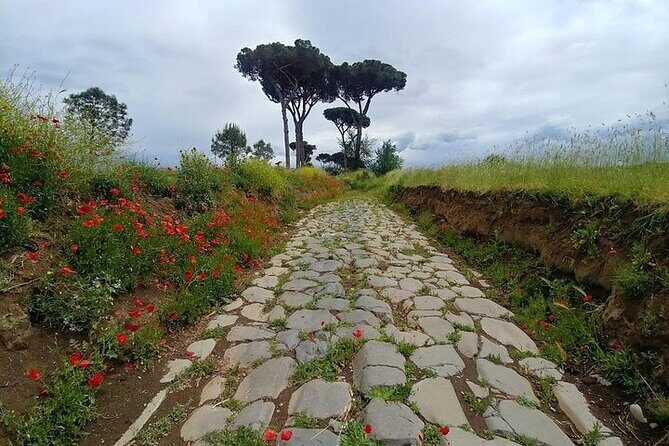
The storytelling aspect is particularly appreciated. One reviewer mentioned how Riccardo weaves stories about water, politics, and Roman life, making the history accessible and fun. Another loved how Giuseppe pointed out Roman roads and reused columns, adding layers to the visit.
Why You Should Consider This Tour
This tour really shines for those who value understanding the everyday infrastructure of ancient Rome, not just its monuments. It’s especially suited if you’re interested in architecture, engineering, or history, and like exploring places where locals hang out.
The small group size and knowledgeable guides make it feel exclusive and personalized—perfect if you prefer quality over quantity. It’s a good pick if you want a peaceful, contemplative experience away from the crowds, with plenty of stories and facts to keep your mind engaged.
The Sum Up
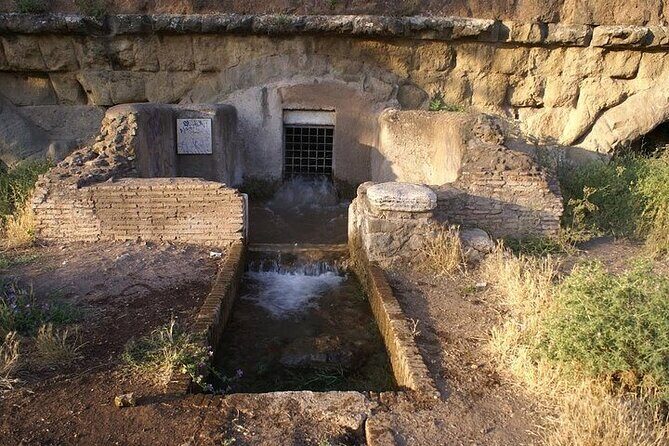
This ancient aqueduct tour offers a wonderfully different perspective on Rome. Instead of just gazing at ruins, you get to understand how these waterworks shaped the city—through stories, engineering feats, and a peaceful park setting that invites reflection. The guide’s expertise really elevates the experience, bringing history to life with passion and knowledge.
At a price around $95, it’s a solid investment for anyone keen to learn more about Roman ingenuity and enjoy a quieter, more natural side of the city. The limited group size and expert guides ensure that you’ll receive attention and insights many tours can’t offer.
It’s particularly suited for history enthusiasts, architecture buffs, or anyone wanting an off-the-beaten-path activity that’s both educational and relaxing. If you’re after a tour with a knowledgeable archaeologist, stunning views, and a chance to step away from the main tourist crowds, this one deserves a spot on your Rome list.
The ancient aqueducts of Rome
“Giuseppe was an excellent tour guide and the tour was very interesting. He was very personable and knowledgeable, answering all of our questions. I…”
FAQs
Is this tour suitable for children?
While the tour involves walking and standing outside, most children who enjoy history and are comfortable walking should be fine. However, it’s best for kids who can handle some uneven ground and a couple of hours outdoors.
How long does the tour last?
It lasts approximately 2 hours, which is manageable for most travelers and allows plenty of time for questions and exploring.
Where do we meet for the tour?
The start point is near the Giulio Agricola metro stop in Rome. The exact meeting spot is in that vicinity, making it easy to access via public transportation.
Is the tour outdoors?
Yes, the entire tour is outdoors, in a lush park setting with natural shade and fresh air. Be prepared for weather conditions accordingly.
How many people are in each group?
The group is limited to a maximum of 10 travelers, ensuring a more intimate experience with your guide.
Can I cancel if I change my mind?
Yes, cancellations are free if made at least 24 hours before the tour starts, allowing you to plan without stress.
This tour offers a meaningful glimpse into Rome’s aqueducts, blending history, scenery, and expert storytelling. If you’re looking for a peaceful, engaging, and educational activity that takes you off the usual beaten path, this could be just what you need.
More Tour Reviews in Rome
- Tbilisi : Kazbegi, Ananuri, Gudauri & Gergeti. PRIVAT TOUR
- Florence from Rome by Train: Enjoy a Full-Day Small-Group Tour
- Rome: Private Tour with a Local Guide
- Group tour: Christian Catacombs
- Rome St.Peter Dome, Basilica, Grottoes Morning Private Tour
- Between catacombs and ancient quarries, in the largest underground of Rome
More Rome experiences we've covered
- The 15 Top Historical Tours In Rome: Which Is Best?
- You’ll Love These 14 Hiking And Trekking Tours In Rome
- We Rank The 15 Best Full-Day Tours In Rome
- What Are The Best Food Tours In Rome? Our Top 15 Picks
- Rome’s 15 Top Drinking Tours (With Prices)
- 15 Best Dinner Experiences In Rome (With Reviews & Prices)
- Rome’s 15 Best Dining Experiences: Which To Choose?
- 6 Best Craft Beer Tours In Rome
- We Rank Rome’s 15 Top Cooking Classes
- We Rank The 15 Best Concert Experiences In Rome
- Rome’s 6 Best Coffee Tours
- Rome’s 15 Best City Tours: Which To Choose?