If you’re interested in the early history of Christianity and want to see some of Thessaloniki’s most significant religious sites, this walking tour focused on the Council of Nicaea might be just the thing. While it’s a fairly short experience—lasting only two hours—it packs in some meaningful moments and offers a glimpse into the city’s historic connection to one of the most pivotal events in church history.
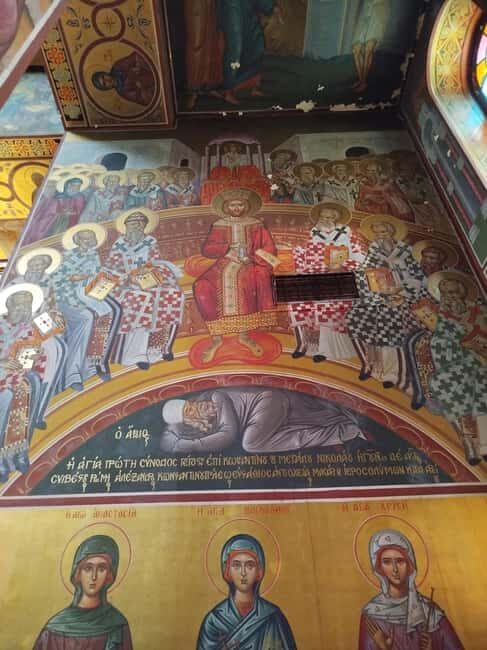
What we really appreciate about this tour is its blend of historical storytelling and accessible sights. You’ll visit the Metropolitan Church of Thessaloniki, where a fresco depicting the council is displayed, and then walk through the Galerian Complex, an ancient palace that helps you visualize the venue where the council was held.
That said, because the tour is quite concise, it’s best suited for those with a specific interest in religious history or travelers who prefer a compact, guided overview rather than a lengthy deep dive.
One thing to keep in mind is that the tour involves walking, so comfortable shoes are a must—Thessaloniki’s cobblestone streets and uneven surfaces can catch you off guard if you’re not prepared.
Also, it’s a small-group experience, which means you’ll get more personalized attention, but it might not be the best choice if you’re traveling with very young children or if you prefer larger, bus-based excursions. This tour works well for history buffs, religious scholars, or anyone curious about the roots of the Christian church.
- Key Points
- Exploring the Tour: What to Expect
- The Sites in Detail
- The Metropolitan Church of Thessaloniki
- The Galerian Complex
- The Experience from Travelers’ Perspectives
- Practical Details and Tips
- Who Should Consider This Tour?
- The Sum Up
- FAQ
- The Best Of Thessaloniki!
- More Walking Tours in Thessaloniki
- More Tours in Thessaloniki
- More Tour Reviews in Thessaloniki
Key Points
 1 / 6
1 / 6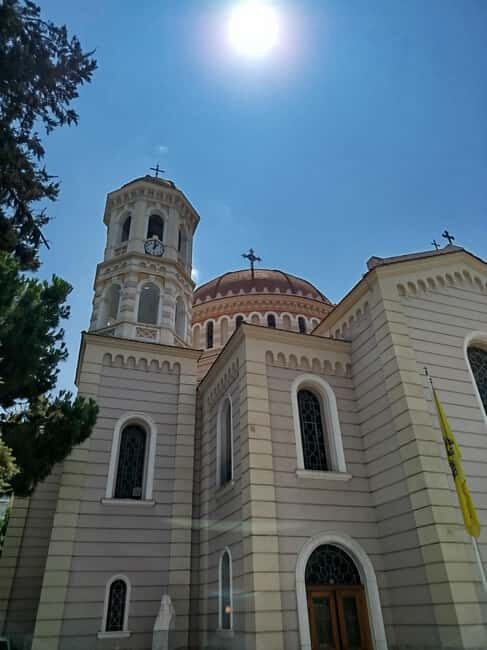 2 / 6
2 / 6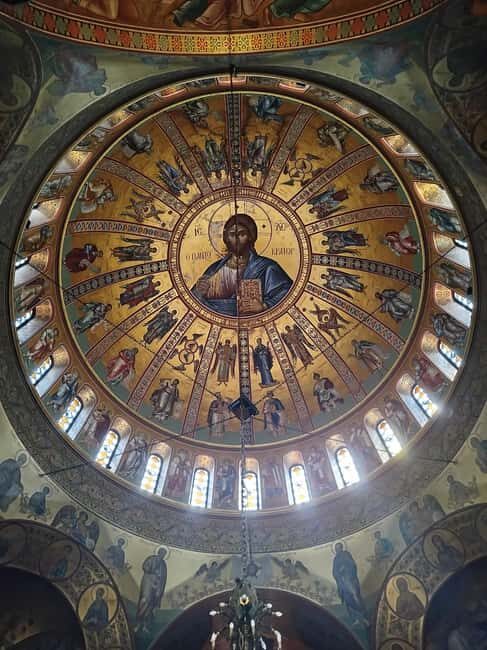 3 / 6
3 / 6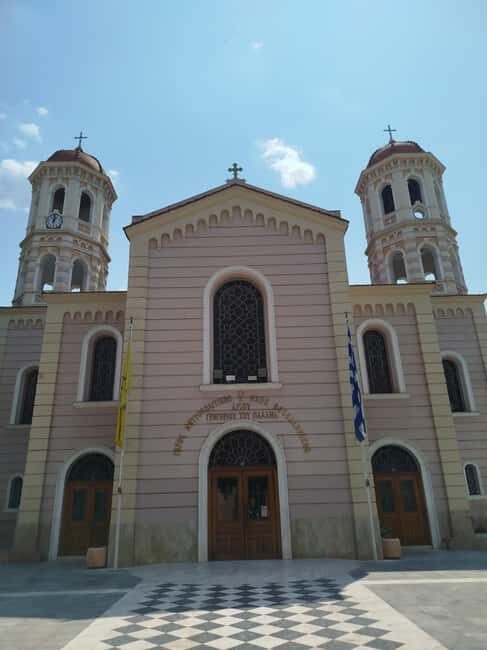 4 / 6
4 / 6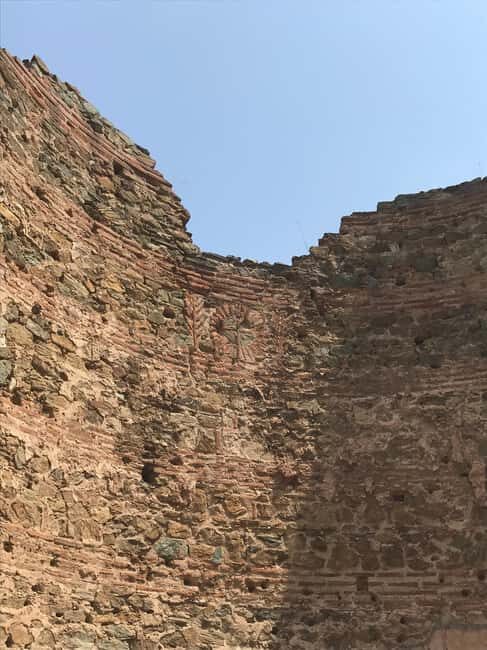 5 / 6
5 / 6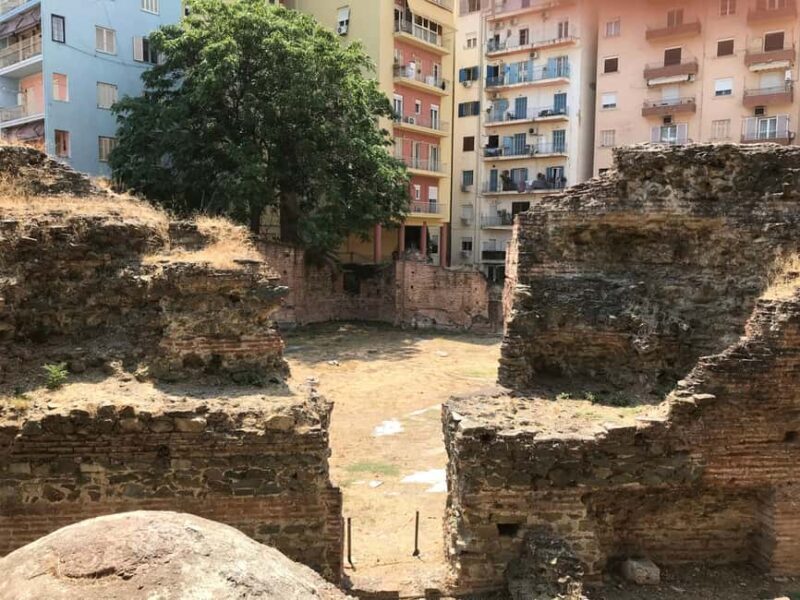 6 / 6
6 / 6- Focused and concise: A two-hour walk that offers a solid overview of Thessaloniki’s relation to the First Ecumenical Council.
- Historical insight: Learn about the council’s significance and its impact on church history.
- Accessible sites: Visit the Metropolitan Church and Galerian Complex, both rich with history.
- Expert guide: Led by Vasilis Meletiadis, providing engaging and informative commentary.
- Good for history lovers: Perfect for those interested in religious history or ancient architecture.
- Practical details: Includes a meeting point outside the Metropolitan Church, and is wheelchair accessible.
👉 See our pick of the Top 2 National Park Tours In Thessaloniki
Exploring the Tour: What to Expect
The tour kicks off outside the Metropolitan Church of Thessaloniki, dedicated to Saint Gregory Palamas. This church is notable in its own right, but it’s the fresco inside that really steals the show. It’s a 20th-century artwork depicting the Council of Nicaea, which, even if you’re not an art buff, gives you a visual anchor for understanding why this moment in history still resonates today.
This initial stop allows you to get a sense of the religious significance of the city, especially since Thessaloniki was a key hub during early Christian times. As you listen to your guide, you’ll learn about the context of the Council, which took place in 325 AD, and why it was such a turning point for defining Christian doctrine.
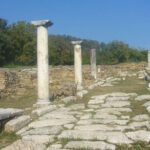
Next, you head to the Galerian Complex, an ancient site built by Emperor Galerius between the late 3rd and early 4th centuries AD. This is where the highlight really lies: exploring the palace throne-room helps you visualize the setting of the council. While the complex today is a ruin, it’s a fantastic spot to imagine the grandeur of imperial Rome and the early Christian community gathering there. Your guide will share details about the venue’s history and how the council’s decisions influenced Christianity for centuries to come.
The walking route is manageable and designed to keep the experience engaging without feeling rushed. Along the way, your guide might share interesting stories or lesser-known facts—like how Thessaloniki’s connection to the council makes it a significant place for understanding Christian history.
You can also read our reviews of more walking tours in Thessaloniki



The Sites in Detail
The Metropolitan Church of Thessaloniki
This church is both a place of worship and a historical monument. Its dedication to Saint Gregory Palamas, a prominent theologian, indicates the city’s religious tapestry. The highlight here is the fresco depicting the Council of Nicaea—think of it as a visual summary of the event that defined Christian orthodoxy. The fresco is from the 20th century but is meaningful because it reflects the ongoing importance of the council’s decisions.
Visitors have noted that the church’s interior offers a peaceful, reflective atmosphere, which is a nice contrast to the bustling streets outside. The combination of its religious significance and artistic depiction makes it a worthy starting point.
The Galerian Complex
Built by Emperor Galerius, this complex served as a palace and administrative center. It’s a place where history feels tangible, even in its ruins. Walking through the remains of the throne-room, you can imagine gatherings of imperial officials, perhaps including early Christian leaders, debating and making decisions that would shape the faith.
The complex’s architecture provides a visual connection to the Roman and early Byzantine eras, giving context to the political and cultural environment of the time. Although only parts of the complex survive today, it’s enough to spark your imagination about how grand it once was.
More Great Tours NearbyThe Experience from Travelers’ Perspectives
Many who’ve taken this tour have appreciated the personalized guidance of Vasilis Meletiadis. One reviewer mentioned, “The guide brought the history alive with stories and insights I wouldn’t get from a book.” Others appreciated the small-group setting, which allowed for questions and a more intimate experience.
Some comments pointed out that the tour’s short duration is perfect for a quick taste of history—”If you’re short on time but want a meaningful experience, this tour hits the mark.” However, a handful noted that because it’s quite focused, those looking for an in-depth exploration of church history might want to supplement with other visits.
A recurring theme was the ease of access, with many mentioning that the walk was comfortable and manageable, even for those with limited mobility.



Practical Details and Tips
- Duration: Just 2 hours, so it’s easy to fit into a busy sightseeing day.
- Start point: Outside the courtyard of the Metropolitan Church of Gregory Palamas (coordinates: 40.63113784790039, 22.943710327148438).
- Language: Tours are offered in both English and Greek.
- Cost: The price offers good value considering the guided nature and site access.
- Accessibility: The tour is wheelchair accessible, making it inclusive for many visitors.
- Clothing: Be mindful of dress codes—short skirts, see-through clothing, and nudity aren’t allowed, so dress respectfully.
- Walking shoes: Comfortable shoes are essential because of uneven surfaces and cobblestone streets.
Who Should Consider This Tour?
If your interest lies in Christian history, ancient architecture, or Thessaloniki’s historical sites, this tour delivers a focused and informative experience. It’s particularly appealing if you’re curious about the history of the First Ecumenical Council and its long-reaching effects.
However, it’s probably not ideal if you’re seeking a long, comprehensive tour of the city or traveling with very young children who might find two hours of walking less engaging. It’s best suited for travelers who enjoy small-group guided walks and want to deepen their understanding of religious and imperial history in one compact session.
The Sum Up
This Thessaloniki: The Council of Nicaea Walking Tour offers a distinctive glimpse into a pivotal moment in Christian history, set against the backdrop of the city’s ancient sites. It’s a good choice for those with a specific interest in religious history or architecture, especially if you prefer a small-group, guided experience that’s easy to fit into a busy itinerary.
While it’s not exhaustive, it’s a well-rounded introduction—delivered with passion and knowledge by Vasilis—that makes history accessible and engaging. Expect a manageable, meaningful walk through Thessaloniki’s past, with enough context to appreciate the significance of the Council of Nicaea and its enduring influence.
If you’re after a compact, insightful, and beautifully guided tour that connects theology, history, and ancient architecture, this experience could be a highlight of your trip.
Thessaloniki: The Council of Nicaea Walking Tour
FAQ
Is this tour suitable for people with mobility issues?
Yes, the tour is wheelchair accessible, but it involves walking on uneven surfaces, so comfortable, sturdy shoes are recommended.
How long does the tour last?
It lasts about 2 hours, making it a quick yet enriching experience.
Where does the tour start?
The meeting point is outside the courtyard of the Metropolitan Church of Gregory Palamas, marked at coordinates 40.63113784790039, 22.943710327148438.
What languages are available for the tour?
The tour is offered in both English and Greek.
Is there a dress code I should be aware of?
Yes, short skirts, see-through clothing, nudity, and nudity are not allowed for modesty reasons.
What’s included in the tour?
The tour includes an expert guide and site visits, with a focus on historical context and insight.
Can I cancel the tour?
Yes, free cancellation is available up to 24 hours before the tour.
Is this tour good for families?
While suitable for most adults interested in history and religion, it’s primarily a walking, informational experience—less tailored for young children.
Will I see the actual site of the Council of Nicaea?
No, the tour visits the sites connected to its history—the Metropolitan Church with its fresco and the Galerian Complex—rather than the original council venue.
Is this experience worth the price?
Given the expert guidance and the unique opportunity to connect Thessaloniki’s sites with early Christian history, many find it good value for a focused, cultural experience.
If you’re eager to understand Thessaloniki’s historical ties to the early church and enjoy a manageable, guided walk, this tour could beautifully complement your trip.
You can check availability for your dates here: