Traveling through Rome often means marveling at the grand monuments and bustling piazzas. But sometimes, the most intriguing stories are hidden beneath the surface—literally. This Vicus Caprarius tour promises to peel back the layers of Rome’s water system, revealing a side of the Eternal City few travelers get to see.
While the price tag of around $206 per person might seem steep at first glance, it covers a well-rounded experience packed with fascinating stories, stunning visuals, and an underground glimpse into Roman engineering. What we really love about this tour is how it combines historical storytelling with visual marvels — especially the chance to see Vicus Caprarius, an ancient underground aqueduct site.
A potential drawback? The tour lasts just about 2 hours, so if you’re hoping for an in-depth exploration or a more leisurely visit, this might feel a bit brisk. Still, it’s a compact yet enriching way to understand how water shaped Rome’s architecture and daily life. Perfect for those interested in ancient engineering, fountains, and the city’s lesser-known stories. It’s especially suited for travelers who enjoy a blend of outdoor walking and underground archaeology, and those who love the stories behind Rome’s iconic fountains.
Key Points

- Brief but enriching: A 2-hour tour that packs in key sights and stories.
- Expert guidance: A knowledgeable guide makes history come alive.
- Underground marvels: The Vicus Caprarius offers a rare peek into Rome’s water management.
- Iconic fountains: From Trevi to Bernini’s Fountain of the Four Rivers, you see the city’s most famous water features.
- Rich storytelling: Discover the legends and engineering behind Rome’s fountains.
- Limited group size: Max of 10 travelers for a more personalized experience.
Exploring Rome’s Water Wonders: What to Expect
If you’re considering this tour, what kind of experience are you signing up for? Let’s walk through the itinerary and highlight what makes each stop special—and what you might want to keep in mind.
Planning more time in Rome? We've covered other experiences worth considering.
Starting Point: Piazza Venezia and the Altare della Patria
The tour kicks off from a centrally located spot near the Majestic Piazza Venezia. Here, your guide will introduce you to the Altare della Patria, a monument celebrating Italy’s unification. It’s a powerful way to start, setting the tone for a journey through Rome’s layered history. From the get-go, you get a taste of the city’s grandeur and the stories behind its most iconic monuments.
Fontana del Tirreno and the Seas of Italy
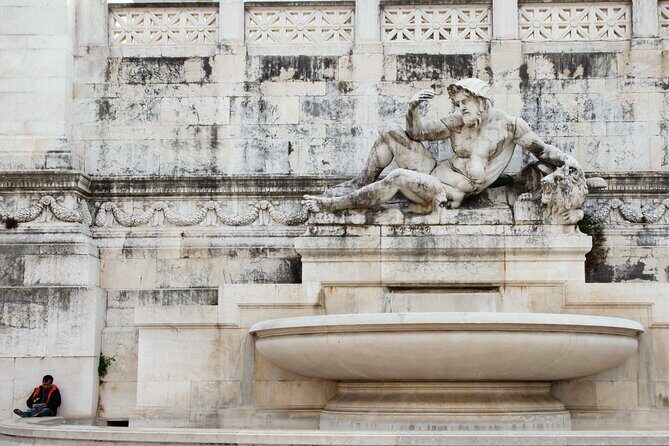
Next, you’ll pause at the Fontana del Tirreno, a symmetrical fountain symbolizing the Tyrrhenian and Adriatic Seas. Designed by Giuseppe Sacconi, this fountain is a clever reminder of Rome’s maritime connection and Italy’s geographic significance. It’s a peaceful spot to linger a little longer, soaking in the artistic detail and calm ambiance.
Turtles and Renaissance Whimsy at Fontana delle Tartarughe
Then, it’s on to the Fontana delle Tartarughe, built in the late 1500s. The playful bronze turtles and dolphins create a whimsical scene—an example of the Renaissance’s love for intricate craftsmanship and fun. This fountain is a favorite among visitors for its charm, and it’s easy to see why. The attention to detail here really showcases the artistic talent of the period.
Piazza Navona and Bernini’s Masterpiece
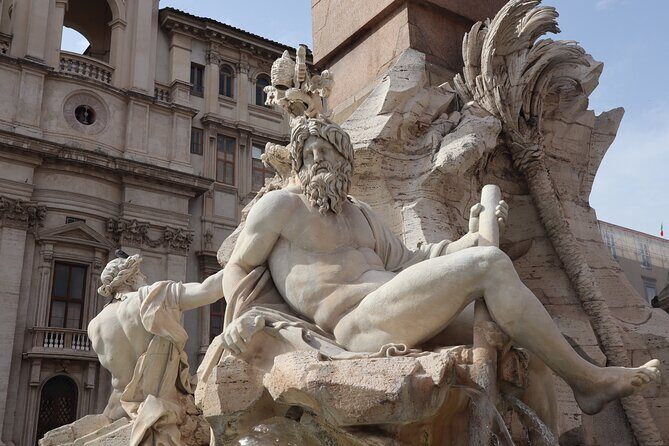
Moving to Piazza Navona, you’ll encounter one of Rome’s most beautiful squares, home to Bernini’s Fountain of the Four Rivers. This fountain isn’t just a beautiful sight but also a showcase of Bernini’s skill, portraying four major rivers from around the world with dynamic sculptures. The symbolism behind the four great rivers adds layers of meaning, making it more than just a pretty fountain. Expect impressive artistry and a sense of grandeur here.
- Skip-the-Line Group Tour of the Vatican, Sistine Chapel & St. Peter’s Basilica
- Rome: Colosseum, Roman Forum and Palatine Hill Guided Tour
- Rome Food Tour: Unlimited Tastings with Fine Wine & Barolo
- Rome Private Arrival Transfer: Fiumicino Airport to Hotel in Rome
- The Roman Food Tour in Trastevere with Free-Flowing Fine Wine
- Rome on a Golf Cart Semi-Private Tour Max 6 with Private Option
The World-Famous Trevi Fountain
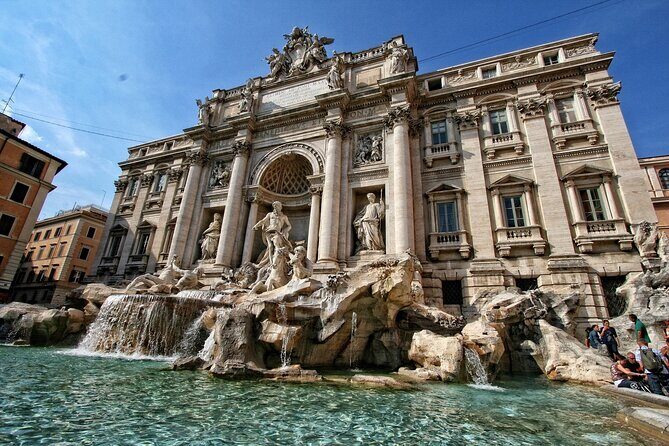
Of course, no Rome water tour would be complete without a visit to the Trevi Fountain. Known worldwide, it’s a spectacle of Baroque brilliance. Built in the 1700s, it’s linked historically to the Acqua Vergine aqueduct—a vital water source for centuries. Tossing a coin into the fountain remains a tradition, symbolizing a wish to return to Rome. While admission isn’t included, the sight alone is worth the visit, and the atmosphere can be lively, especially if you visit during peak hours.
The Hidden Gem: Vicus Caprarius
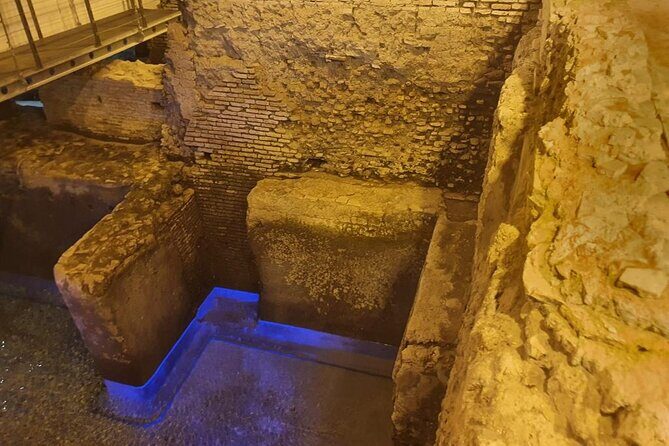
The tour’s highlight is a visit underground to the Vicus Caprarius, also called the City of Water. Discovered in 1999 during cinema renovations, this archaeological site reveals a Roman water tank connected to the Vergine aqueduct. Exploring this underground space offers a rare peek into how Romans managed their water supply and highlights the engineering marvels beneath the city streets. The site is included in the tour, and you’ll get a detailed explanation of its significance, making it a unique and memorable part of the experience.
The Experience: What Makes It Stand Out
This tour isn’t just about ticking off landmarks; it’s about understanding the stories and engineering behind Rome’s most famous water features. The guide’s knowledge and storytelling skills really elevate the experience, making complex systems and historical legends accessible and engaging.
Many travelers have praised the guides for their charm and expertise. As one reviewer put it, “Our tour guide was very charming and knowledgeable and took her time showing us around.” The small group size—capped at 10—means more personalized attention and space to ask questions.
The underground Vicus Caprarius is certainly a highlight, offering a rare glimpse into Roman engineering that most visitors never see. The fact that it was discovered relatively recently (in 1999) adds to its intrigue. Seeing the ancient aqueducts and water tanks beneath the modern city really brings history alive.
Pricing and Value
At about $206 per person, this tour might seem a bit of an investment. But considering it includes admission to Vicus Caprarius, a knowledgeable guide, and all taxes, it’s a fair deal for those interested in architecture, engineering, and Roman fountains. The experience is concise but packed with value—visitors walk away not just with photos but with a deeper understanding of how water shaped Rome’s development and artistry.
If you’re a fan of iconic landmarks like the Trevi Fountain and Bernini’s masterpieces, and you enjoy exploring underground sites, this tour offers a balanced mix of outdoor sightseeing and hidden gems.
Who Would Love This Tour?

This experience is perfect for curious travelers who want more than just a superficial tour of Rome’s water features. If you love stories behind famous fountains or are fascinated by ancient engineering, you’ll find plenty to enjoy here. It’s also well-suited for those who prefer small groups for a more intimate experience, and anyone interested in exploring off-the-beaten-path archaeological sites.
While it’s not explicitly geared toward families or children, older kids with a genuine interest in history and architecture could find it quite engaging. However, keep in mind that some sites involve walking and underground exploration, so consider your group’s mobility and interest level.
Final Thoughts
This tour offers a thoughtful, informative, and visually captivating way to see some of Rome’s most beloved fountains and uncover the engineering marvels underneath. The combination of outdoor landmarks, artistic masterpieces, and underground archaeology makes it a well-rounded experience.
The expert guidance and small group size really stand out, making the tour feel personal and immersive. While the price might be on the higher side for just a couple of hours, the insights and memories gained are likely to last long after the visit.
If you’re someone who appreciates the stories behind the sights and wants to go beyond the typical tourist experience, this tour is a solid choice. It’s especially suited for those eager to understand the importance of water in Rome’s history and enjoy discovering some lesser-known treasures beneath the city streets.
Vicus Caprarius: The Hidden Aqueducts and Fountains of Rome
“Great tour! Our tour guide was very charming and knowledgeable and took her time showing us around. Highly recommend.”
FAQ
Is this tour suitable for all ages?
Most travelers can participate, but it involves some walking and underground exploration. It’s best for those with a reasonable level of mobility and curiosity about history and engineering.
How long does the tour last?
Approximately 2 hours, which makes it a great option if you’re looking to maximize your time without a long commitment.
Are tickets included for all sites?
Admission to Vicus Caprarius is included. However, entry to Trevi Fountain is not, but viewing it from the outside is free and included in the tour.
What’s the group size?
The maximum group size is 10 travelers, ensuring a more personalized experience.
Can I cancel if my plans change?
Yes, free cancellation is available up to 24 hours before the start, allowing flexibility if your schedule shifts.
Is this tour good for people interested in art?
Absolutely. The fountains and Bernini’s sculptures are highlights for art lovers, and the storytelling adds context to each piece.
Does the tour run rain or shine?
Most sites are outdoors, so check the weather forecast and dress accordingly. The underground Vicus Caprarius provides shelter if needed.
If you’re eager to uncover the hidden layers of Rome’s water system and admire its most famous fountains with a knowledgeable guide, this tour offers a compelling, visually rich experience that’s worth considering.
More Tour Reviews in Rome
- Tbilisi : Kazbegi, Ananuri, Gudauri & Gergeti. PRIVAT TOUR
- Florence from Rome by Train: Enjoy a Full-Day Small-Group Tour
- Rome: Private Tour with a Local Guide
- Group tour: Christian Catacombs
- Rome St.Peter Dome, Basilica, Grottoes Morning Private Tour
- Between catacombs and ancient quarries, in the largest underground of Rome
More Rome experiences we've covered
- Rome’s 3 Best Sailing Experiences: Which To Choose?
- Rome’s 15 Top Motorbike And Scooter Rentals (With Prices)
- 6 Best Massage & Relaxation Services In Rome (With Prices)
- Which Rome Lunch Experiences To Choose? We Rank The 15 Best
- The 15 Top Historical Tours In Rome: Which Is Best?
- You’ll Love These 14 Hiking And Trekking Tours In Rome
- We Rank The 15 Best Full-Day Tours In Rome
- What Are The Best Food Tours In Rome? Our Top 15 Picks
- Rome’s 15 Top Drinking Tours (With Prices)
- 15 Best Dinner Experiences In Rome (With Reviews & Prices)
- Rome’s 15 Best Dining Experiences: Which To Choose?
- 6 Best Craft Beer Tours In Rome