- A Detailed Look at the Whitney Plantation Tour from New Orleans
- Key Points
- The Experience in Detail: What You Can Expect
- Convenient Pickup and Travel
- Arrival at Whitney Plantation: Stepping Back in Time
- Self-Guided Tour: How It Works
- Exhibits and Highlights
- Duration, Price, and Value
- What the Reviews Say
- Who Will Love This Tour?
- Final Thoughts
- FAQ
- More Tours in New Orleans
- More Tour Reviews in New Orleans
A Detailed Look at the Whitney Plantation Tour from New Orleans
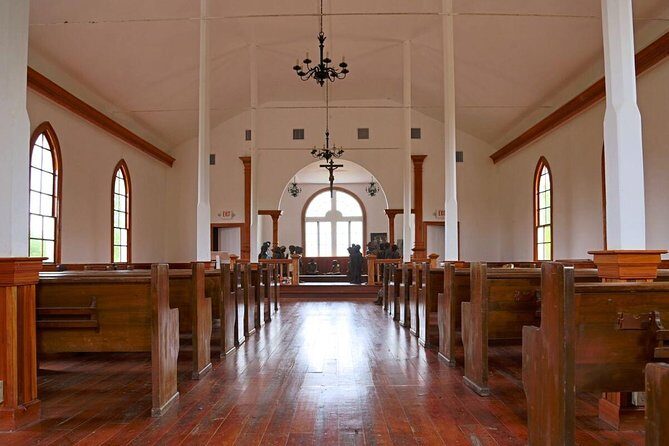


When it comes to uncovering the complex stories of the American South, few stops can rival a visit to Whitney Plantation. This tour, offered with convenient transportation from New Orleans, give you an honest, respectful look into the history of slavery in Louisiana. While we haven’t experienced it firsthand, reviews suggest it’s a powerful and sobering journey that leaves a lasting impression.
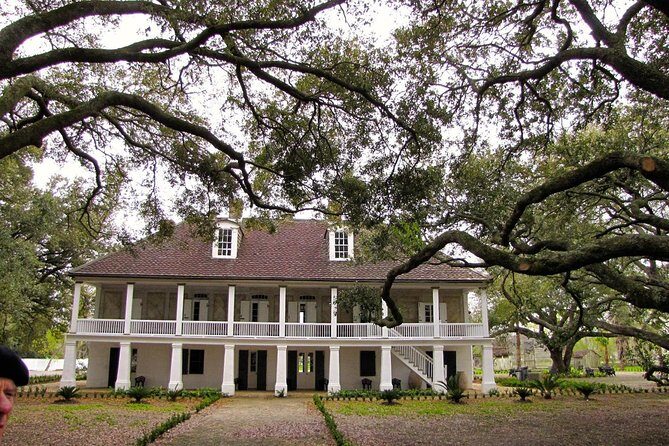
What really stands out about this tour are the focus on enslaved people’s stories and the well-preserved architecture—particularly the Spanish Creole main house. Plus, the ease of transportation and the flexibility of a self-guided experience make it accessible for many travelers.
One thing to keep in mind is that this is primarily a self-guided tour, so if you’re expecting a guided narrative throughout, you might find the audio tour a bit lacking, as some reviews point out. It’s also about two hours at the estate, with a good amount of time to explore on your own, which works well if you’re comfortable with independent touring.
This experience is especially suited for those eager to learn about the realities of slavery, with a focus on truthful storytelling rather than spectacle. It’s not necessarily a family outing for young children, but it’s an excellent choice for anyone interested in a meaningful, educational visit that offers more than just surface-level history.
Key Points
- Self-guided tour allows you to explore at your own pace, adding a personal touch.
- Transport included from central New Orleans makes planning simpler.
- The emphasis on enslaved people’s stories provides an authentic and respectful perspective.
- Historical structures like the Big House and slave cabins are well-preserved.
- The tour is approximately 2.25 hours on-site, with travel time included.
- Good value for the price, considering the depth of the experience.
You can also read our reviews of more tours and experiences in New Orleans.



The Experience in Detail: What You Can Expect
Convenient Pickup and Travel
The tour begins at the Gray Line “Lighthouse” Ticket Office in the French Quarter, an easy spot in the heart of New Orleans. From there, you’ll head outside the city, crossing the Bonnet Carre Spillway—an engineering marvel designed to protect against river flooding.
During the drive, you’ll get glimpses of Louisiana’s lush landscape, passing by historic plantations like Evergreen, Felicity, and St. Joseph, which once cultivated sugar, cotton, and indigo.
The bus ride itself receives positive remarks, with many reviewers noting the driver’s local insights and friendly demeanor. One traveler mentioned that the driver, Nijay, provided local tips and made the journey more enjoyable.
The ride takes roughly two hours each way, so bringing snacks or drinks is a good idea—since there’s limited food available at the plantation itself, only chips and bottled drinks.
Arrival at Whitney Plantation: Stepping Back in Time
Once you arrive, it’s impossible not to feel a sense of reverence for the grounds. Whitney, over 260 years old, is now a museum dedicated to shining a light on the experiences of enslaved individuals—a rarity among plantation tours that often focus mainly on the owners and the architecture.
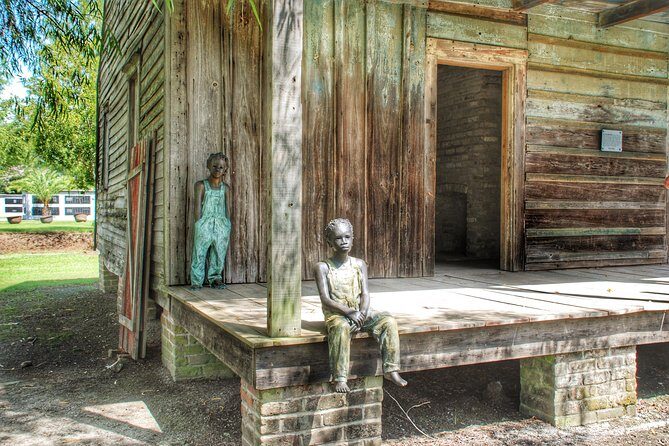
The estate includes original slave cabins, some of which remain from the original 22. Walking through these, you’re transported to a somber, reflective space. The well-preserved Big House is a standout, a classic example of Spanish Creole architecture.
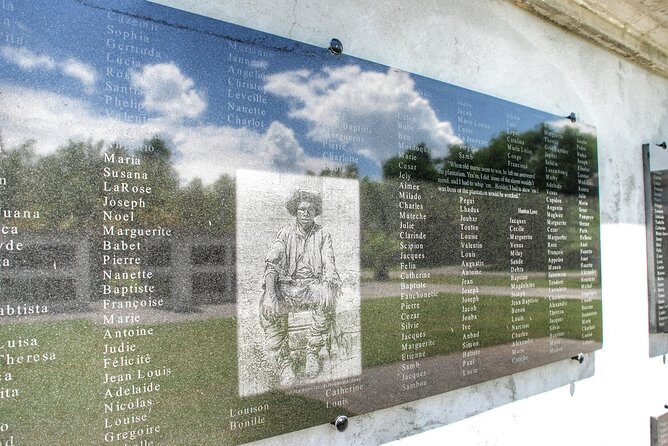
As you explore, you’ll encounter exhibits and first-person narratives recorded by the Federal Writers’ Project, giving voice to the people who lived and suffered here.
Self-Guided Tour: How It Works
Many visitors appreciate the flexibility of the self-guided audio tour via the Whitney Plantation app. You’re free to wander at your own pace, pausing to absorb the stories, examine exhibits, or take photos. Reviewers have praised this approach, with some noting that it offers a deeper, more personal connection.
However, a few reviews mention that the audio system on the bus was lacking for those sitting in the back, which can make the journey less engaging if you’re far from the speakers. If you’re keen on a guided experience, be aware that this is primarily self-guided, so you won’t have a live guide narrating every detail.



Exhibits and Highlights
One of the most poignant aspects of Whitney Plantation is the focus on the lives of enslaved people. Exhibits include personal stories, photographs, and memorials that humanize the individuals behind the history. Many reviews note the emotional impact—some say it was a “humbling” experience, others describe it as “unforgettable.”
The plantation also hosts memorials dedicated to children and the broader community, emphasizing the brutality and resilience of those who endured slavery. You’ll see references to the harsh realities of daily work, family separation, and the fight for dignity.
Duration, Price, and Value
With about 2.25 hours at the plantation, plus the roughly two-hour bus ride each way, the entire experience lasts around 5 to 5.5 hours. The cost, $84 per person, is regarded as fair considering the depth of education and the respectful treatment of sensitive topics.
Many travelers feel that this tour offers excellent value, especially given how much research and effort has gone into ensuring the stories are told authentically. The price includes all fees, taxes, round-trip transportation, and access to exhibits. Just note that food and drinks aren’t included, so plan accordingly.
What the Reviews Say
Feedback from visitors paints a clear picture: most find this tour incredibly moving. One reviewer called it “an eye opener,” appreciating how the tour focuses on the plight of slaves rather than the grandeur of plantation owners. Another described it as “amazing and informative,” emphasizing the emotional connection and the importance of remembering this history.
A few reviewers mentioned minor drawbacks. Some found the audio guide at the back of the bus difficult to hear, and others thought that the self-guided approach lacked the narrative richness a guide might provide. Still, many agree that the experience is well worth the time and money.
Who Will Love This Tour?
If you’re interested in learning about slavery from the perspective of those who endured it, this tour is a powerful choice. It’s especially suited for travelers who appreciate a respectful, no-frills approach to history—without the glossy, tourism-centric gloss.
While not necessarily designed for young children due to the sensitive nature of the content, it’s an invaluable visit for adults, students, and anyone eager to confront and understand the realities of America’s past.
Final Thoughts
The Whitney Plantation Tour offers a thoughtful, sobering look into the lives of enslaved individuals on Louisiana’s historic estates. The combination of accessible transportation, self-guided exploration, and heartfelt exhibits creates an experience that many visitors consider essential when visiting New Orleans.
It’s a tour that doesn’t shy away from uncomfortable truths but does so with dignity and care. Whether you’re a history buff, a student of social justice, or simply someone looking to understand the deeper layers of Louisiana’s heritage, this tour will likely leave a mark.
If you’re prepared for an emotional journey and want to listen to stories that often go unheard, Whitney Plantation provides an experience that’s both educational and humanizing. For those who value authenticity and respect in historical storytelling, this is a trip worth considering.
Whitney Plantation Tour with Transportation from New Orleans
FAQ
Where does the tour start?
The tour departs from the Gray Line “Lighthouse” Ticket Office in the French Quarter, at Toulouse Street & the Mississippi River, near the Steamboat Natchez Dock.
Is there parking nearby?
Yes, there are public parking lots on Decatur Street, like Jax Lot # P401 at 500 Decatur St, which charge hourly rates.
What should I wear?
Casual, comfortable clothing and shoes are best, especially since you’ll be walking on uneven sidewalks and outdoors. During warmer months, hats, sunscreen, and light clothing will make your visit more comfortable.
Can I take photos and videos?
Yes, in most areas you can. Just be mindful not to use flash photography or video in certain locations, as instructed by staff.
How long is the actual tour at Whitney Plantation?
You’ll spend approximately 2 hours exploring the grounds and exhibits.
Is the tour accessible for people with disabilities?
Yes, it is wheelchair accessible, but some outdoor parts may require stairs. Be sure to note any specific needs when booking.
What’s included in the price?
The tour includes round-trip transportation, all fees and taxes, and the self-guided audio tour.
Are food and drinks available?
Limited snacks and bottled drinks are available at the estate, but there are no full food facilities on-site.
Can I cancel if my plans change?
Yes, you can cancel for free up to 24 hours in advance for a full refund.
Is this tour suitable for families?
It’s more appropriate for older travelers due to the sensitive content. Families with young children might find it too intense, but it’s a meaningful experience for teenagers and adults.
This Whitney Plantation tour offers a respectful, eye-opening perspective on Louisiana’s history of slavery. With its focus on storytelling, well-preserved structures, and easy logistics, it’s a compelling choice for those seeking a deeper understanding of the past.