Traveling through Budapest, you can’t ignore the city’s layered history—especially its years under communist rule. The Communist Budapest Walking Tour offers a fascinating glimpse into this period, taking around 3 hours to navigate some of the most telling sites, all with a historian guide who’s well-versed in the country’s complex past.
We haven’t done it ourselves, but the reviews and details paint a picture of an engaging, informative experience that’s worth considering for anyone interested in Hungary’s political and social history.
What really stands out about this tour is how it balances key historical landmarks with insights into daily life during the communist era. Plus, with a focus on crucial moments like the 1956 uprising, it provides context that deepens your understanding of Budapest’s modern landscape.
The other thing that appeals is its accessibility—small groups or private options make it more personal, and the use of visual aids like an iPad and old photos helps bring history to life.
That said, it’s not perfect for everyone. The price, at $105 per person, is reasonable given the depth of storytelling, but it might feel steep if you’re just after a quick overview. Also, you should be prepared for some walking and potentially crowded spots, which could be tiring for some.
This tour feels best suited for history buffs, curious travelers, or those with a particular interest in the social and political fabric of Hungary during the Cold War era.
Key Points
 1 / 4
1 / 4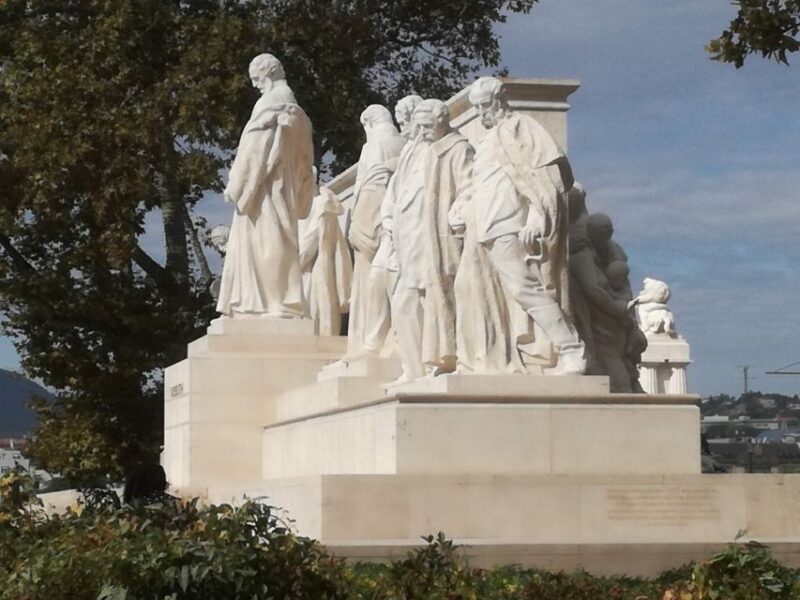 2 / 4
2 / 4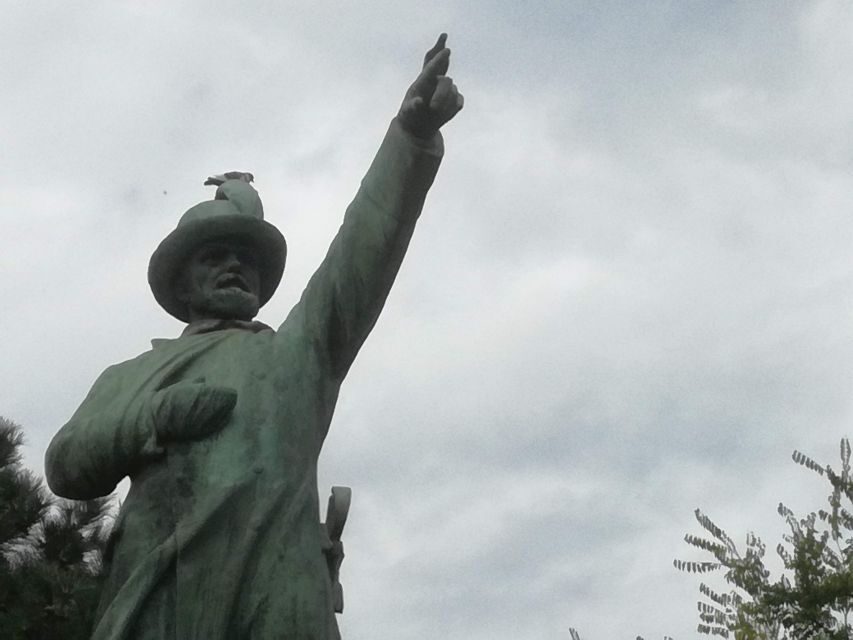 3 / 4
3 / 4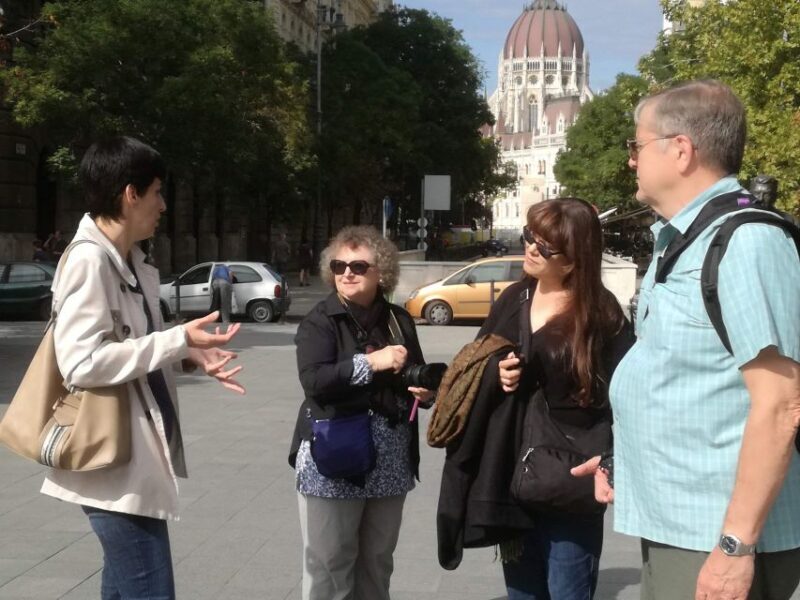 4 / 4
4 / 4- Deep historical context: The tour covers both political events and everyday life under communism.
- Visually rich experience: Old photos, statues, and monuments make history tangible.
- Focus on significant sites: From the 1956 uprising to socialist housing estates, each stop reveals a different facet of the era.
- Flexible and small group options: Private tours or small groups enhance engagement.
- Cost reflects quality: At $105, it offers a comprehensive, guided experience with expert guides.
- Walking intensity: Expect about three hours of walking, so comfortable shoes and stamina help.

👉 See our pick of the 15 Top-Rated Budapest Wine Tours
A Closer Look at the Itinerary and Highlights
The tour starts at Bem József Square, a powerful site where the 1956 uprising first made its voice heard. Here, you’ll get to see the area where a major demonstration took place, and you’ll have a chance to observe a coffeehouse that still retains its 1960s interior—an authentic slice of history that adds a layer of realism to the experience. The guide’s storytelling brings the scene to life, explaining how this square became a symbol of resistance.
From there, you’re taken via metro to Kossuth Square, right in front of Budapest’s iconic Parliament. This is where some of the most significant displays of conflict during the 1956 revolution occurred. You’ll see monuments that witness the clashes between protesters and authorities, giving you a sense of the tension that defined that turbulent time. The guide’s insights help explain how these events fit into the larger narrative of Hungary’s fight for independence.
Next, the tour moves to Freedom Square, a site loaded with Cold War symbolism. You’ll see four stone structures representing different facets of Hungary’s divided history: the U.S. embassy, a Soviet army monument, a Ronald Reagan statue, and an entrance to a secret atomic shelter. These contrasting symbols encapsulate the tension of the Cold War era and the country’s shifting allegiances. Adding context, the guide might use old photos and the latest tech (like an iPad) to show how dramatically the city has changed.
A short metro ride then takes you to a 1970s housing estate. While the blocks might seem drab today, this part of the tour offers a real sense of how ordinary Hungarians experienced communism. We loved the way the guide explained that, back in the day, residents felt overjoyed to receive modern amenities and elevators—luxuries that seemed commonplace now but were revolutionary at the time.
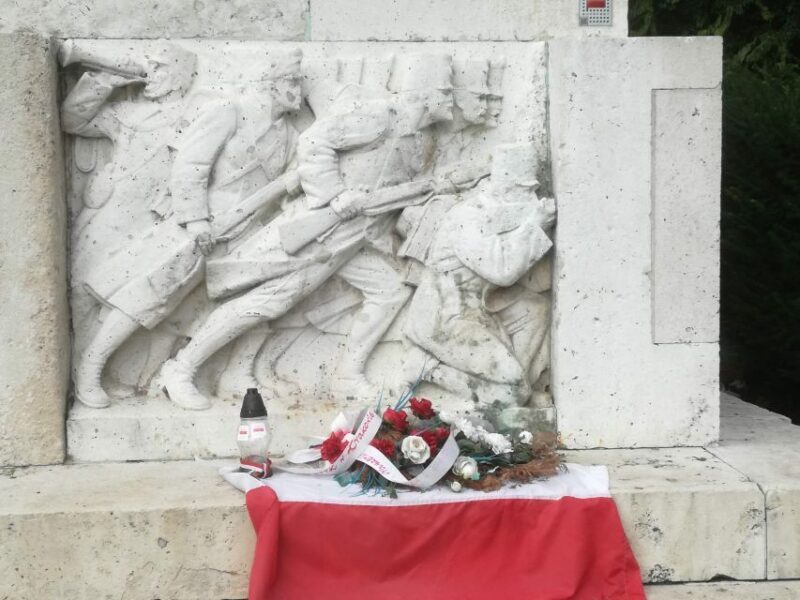
Next stop is Puskás Stadium (formerly Peoples Stadium), where you get to see some of the socialist realist statues of heroic workers, soldiers, and intellectuals. These statues were meant to project a bright future under communism but now serve as nostalgic relics. It’s a stark reminder of the propaganda and the aspirations of that era.
The tour then includes a ride on one of Stalin’s trolleybuses down Dozsa György Street, a wide boulevard used for May Day parades. The guide uses visual aids—old photographs and an iPad—to show how much Budapest has transformed since those days. This part really highlights how public spaces were designed for both control and celebration.
Finally, the tour visits the House of Terror, housed in the former secret police headquarters. This sobering museum details the crimes committed during Hungary’s communist years, especially the Stalinist period. Standing outside the building, you’ll see a slab of the Berlin Wall, a stark reminder of the division that once split Europe.
You can also read our reviews of more walking tours in Budapest



What You’ll Take Away
This tour is not just about facts and figures; it’s about understanding how a totalitarian regime influenced daily life, urban planning, and national identity. The use of visual material, expert guides (many with backgrounds in history, journalism, or art criticism), and well-chosen sites make the experience both educational and emotionally resonant.
The reviews echo this sentiment. One traveler noted, “Very illustrative of the communist stage of Hungary,” emphasizing how the tour paints a clear picture of that period. Another mentioned the engaging storytelling, though they also noted it can be physically demanding, especially if you’re not used to walking.
The price, $105, is reasonable considering the depth of information, the guided narration, and the historical sites covered. It’s a solid value if you’re genuinely interested in this chapter of Budapest’s past. Keep in mind, transportation costs like metro and tram tickets aren’t included, so plan for those if you want to get around independently.
Who Will Appreciate This Tour?
This experience suits history enthusiasts who want a detailed, guided exploration. It also appeals to those interested in Cold War politics, social realism, or urban development. If you’re curious about how a city can carry the weight of a turbulent history in its streets, this tour offers plenty of insight.
It’s less ideal if you’re after a quick overview or if walking or visiting multiple sites in a short time is a challenge. Also, if you’re traveling with very young children or prefer more relaxed sightseeing, this detailed, historically dense tour might require a bit of stamina and patience.
Final thoughts
If you’re genuinely interested in understanding Budapest beyond its famous Danube views and thermal baths, this tour offers a meaningful look at the city’s communist past. It’s a well-structured, comprehensive experience that balances walking with storytelling, making it engaging and educational.
We think it’s best for travelers who like their history with context, visuals, and expert insights. The combination of key sites, personal stories, and historical artifacts makes this a tour that’s likely to resonate long after your visit. At a price of $105, you get a meaningful slice of Budapest’s recent past—a worthwhile investment if you’re eager to uncover the stories behind the city’s modern face.
Communist Budapest Walking Tour



FAQ
Is this tour suitable for those with limited mobility?
Since the tour involves walking around several sites and taking short metro rides, it might be challenging for those with mobility issues. Comfortable shoes and stamina are recommended.
Are the guides knowledgeable about Hungary’s history?
Yes, guides are typically professors, doctoral students, or historians, offering well-informed, detailed commentary about Hungary’s communist period.
What is included in the tour?
The 3-hour tour includes a professional historian guide and visits to important sites related to Hungary’s communist era. Transportation costs like metro tickets are not included.
Can I cancel this tour?
Yes, you can cancel up to 24 hours in advance for a full refund, providing flexibility if your plans change.
Is this tour private or group-based?
You can choose between private or small group options, which allows for a more personalized experience.
How much walking should I expect?
Expect about three hours of walking, with some stops at significant sites. Wearing comfortable shoes will make the experience more enjoyable.
This tour offers a deep dive into Budapest’s communist past, perfect for those who want to see history come alive through sites, stories, and visuals. It’s a thoughtful, detailed experience that makes understanding the city’s recent history both accessible and memorable.
You can check availability for your dates here: