This review looks at a Florence fresh pasta cooking class held inside a 1200s medieval tower near Brunelleschi’s Dome. The session lasts about 3 hours, and you’ll learn the full process from dough to finished plates, with wine in the mix.
Two things I really like: it’s genuinely hands-on, with the chef guiding you step by step, and you get to eat what you make (not a token taste). Second, wine isn’t an afterthought—people consistently mention the unlimited Tuscan wine and how fun the class stays even when you’re focused on rolling dough.
One thing to consider: the class is timed, so if you like slow, unhurried pacing, you might notice the pace and keep moving even when dough needs a little extra patience. Also, with unlimited wine available, plan to pace yourself if you’re still sightseeing afterward.
- Key Highlights You’ll Care About
- Florence Pasta Cooking Class in a 1200s Medieval Tower
- Where You’ll Cook: The Tower Setting Near Brunelleschi’s Dome
- The Big Win: You Make 3 Pastas, Not Just One
- Ravioli: Folding and Filling Without Guesswork
- Tortelli: Similar Skill, Different Shape
- Pappardelle: Stretch, Cut, and Balance
- Sauces That Match the Pasta: Sage Butter, Arrabbiata, and Tuscan Ragù
- Why Butter and Sage Works Well
- Why Arrabbiata Feels Like Florence
- The Tuscan Ragù Connection
- What the 3 Hours Actually Feel Like
- Chef-Led, Not Chef-Acted: Andrea, Victoria, Antonio, and Valentino
- Eating What You Cook: The Part Many Classes Get Wrong
- Unlimited Wine and the Real-Life Planning Tip
- Equipment and Ingredients: You Don’t Need to Bring a Thing
- Dietary Needs: Vegetarian and Other Options
- Wheelchair Accessibility: Useful to Know Up Front
- Price and Value: Why Looks Like a Deal
- Timing and Meeting Point: Flexible, But Double-Check
- Best For: Families, Food Lovers, and Beginners
- Planning Tips Before You Go
- Should You Book This Pasta Class in Florence?
- FAQ
- How long is the Florence pasta cooking class?
- How much does it cost?
- What types of fresh pasta will I make?
- Are wine and soft drinks included?
- Do I need to bring any equipment?
- Where is the meeting point?
- Is the class wheelchair accessible?
- Are vegetarian or other dietary needs accommodated?
- What is the cancellation policy?
- The Best Of Florence!
- More Wine Tours in Florence
- More Cooking Classes in Florence
- More Tour Reviews in Florence
Key Highlights You’ll Care About
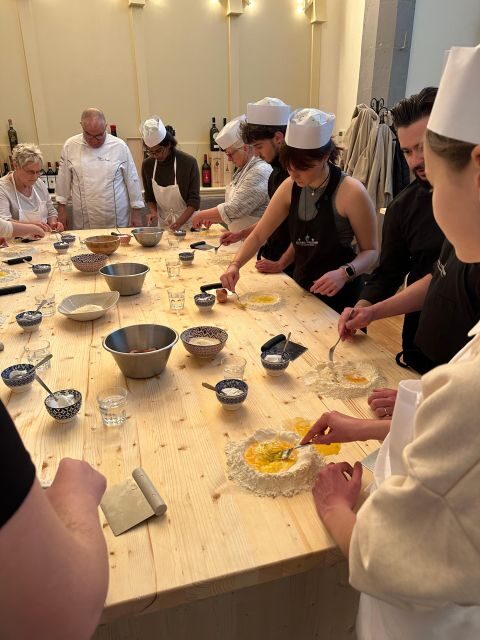
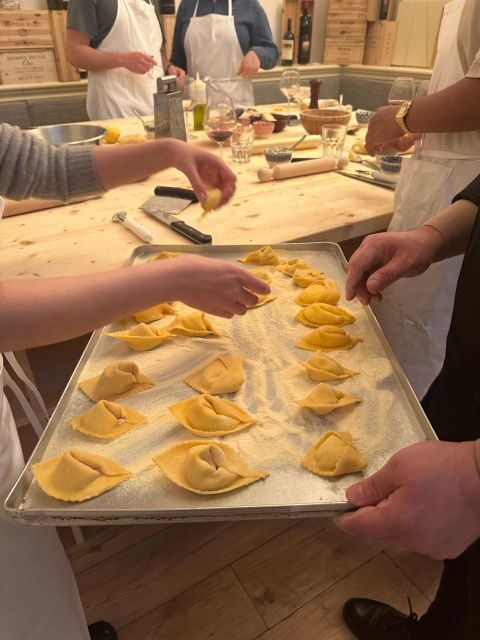
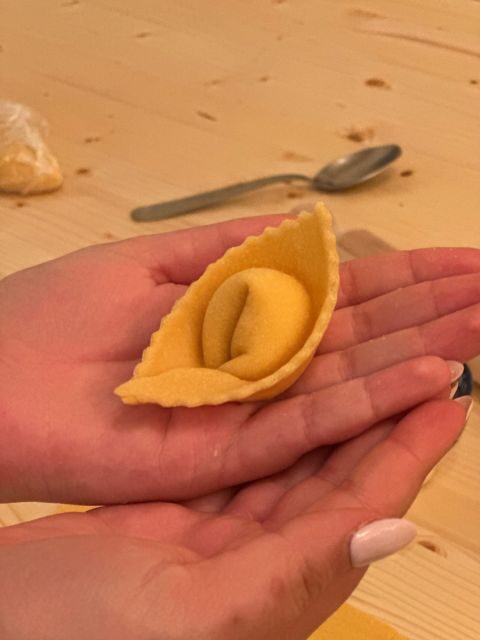
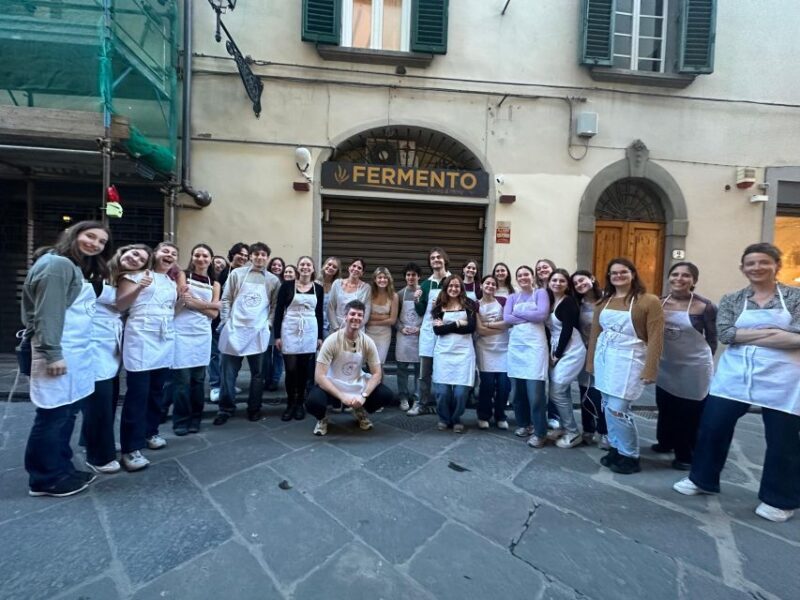
- Cook in a medieval tower from the 1200s, a short walk from Brunelleschi’s Dome
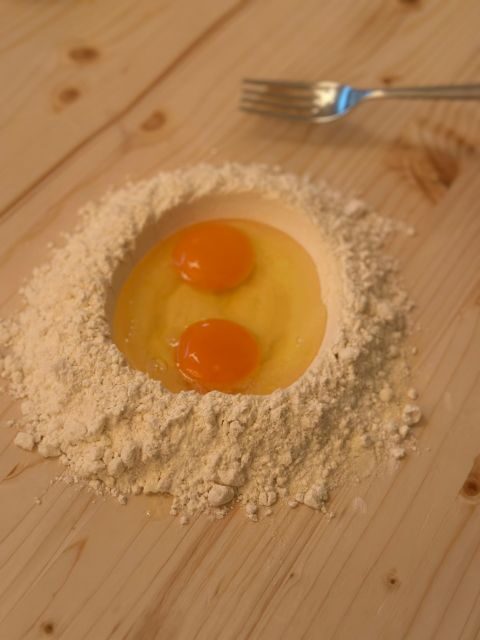
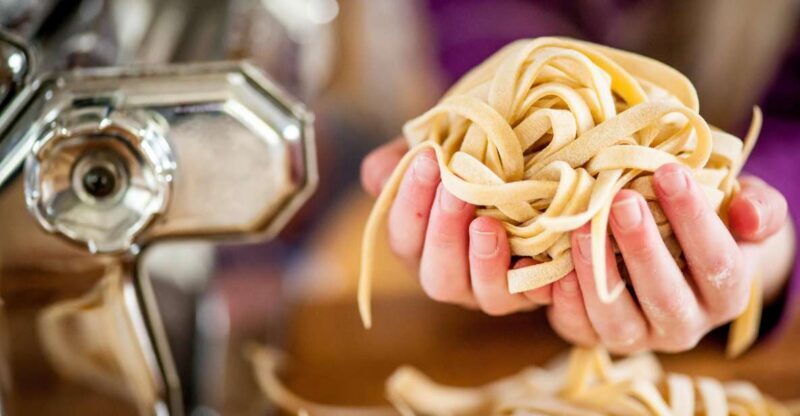
- Make 3 fresh pasta types: ravioli, tortelli, and pappardelle
- Learn sauces matched to each pasta, including butter and sage, arrabbiata, and Tuscan ragù
- Eat everything you cook, plated right from your work
- Unlimited Tuscan wine plus soft drinks during the meal
- Chefs with real teaching energy, with guides named Andrea, Victoria, Antonio, and Valentino appearing in guest comments
👉 See our pick of the 15 Fantastic Pasta Experiences In Florence
Florence Pasta Cooking Class in a 1200s Medieval Tower
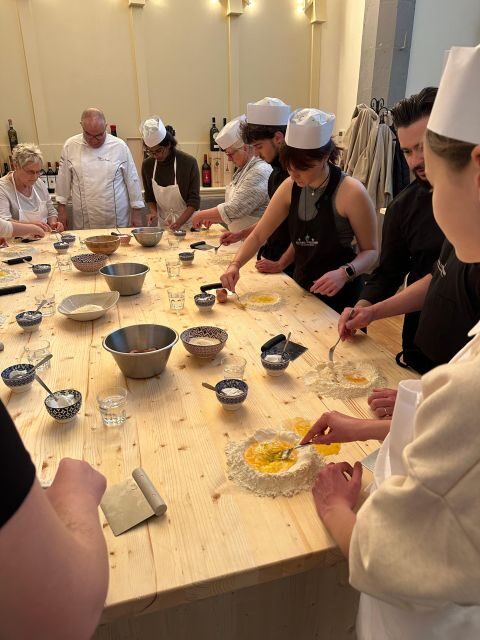
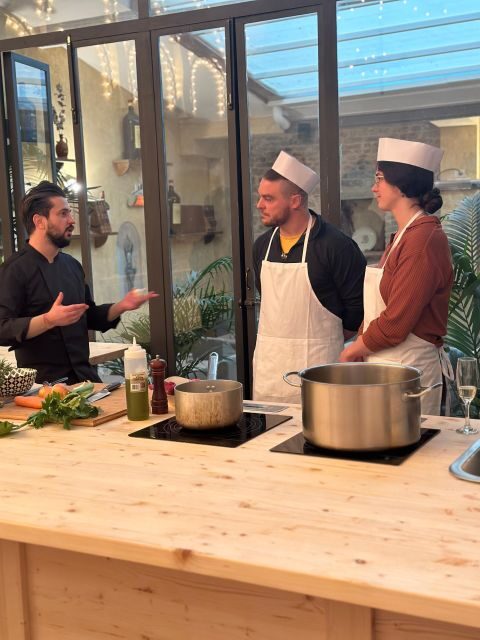
If you want Florence food that feels hands-on, not like a show, this class is built for you. You’re not just watching a demonstration—you’re working dough, shaping pasta, and assembling plates with guidance.
The setting matters. Cooking inside a stone medieval tower creates a different mood than a modern studio, and being a stone’s throw from Brunelleschi’s Dome makes it easy to pair with sightseeing before or after your 3-hour slot.
You can also read our reviews of more cooking classes in Florence
- Cooking Class and Lunch at a Tuscan Farmhouse with Local Market Tour from Florence
★ 5.0 · 4,831 reviews
Where You’ll Cook: The Tower Setting Near Brunelleschi’s Dome
This school runs inside a historic tower from the 1200s, and it’s described as very close to Brunelleschi’s Dome. That proximity is practical: you can plan your day without needing complicated transfers across town.
You’re also told the tower connects to Dante Alighieri’s world through the family that owned it. You may not spend the class giving a lecture about that, but it adds that sense you’re in a place tied to real Florence life, not a generic tourist set.
The Big Win: You Make 3 Pastas, Not Just One
A lot of cooking classes in Italy sell the idea of variety, then deliver one pasta with a side. Here you prepare 3 types of fresh pasta: ravioli, tortelli, and pappardelle.
That variety helps in two ways. First, you learn different pasta shapes and different handling, which makes the skills more transferable. Second, you get multiple chances to compare textures and results, since the dough behaves slightly differently depending on what you’re making.
Ravioli: Folding and Filling Without Guesswork
Ravioli can feel intimidating if you’ve only ever bought them packaged. In this class, you’re taught the process from the basics, so you’re not left staring at dough wondering what comes next.
You’ll also see how filling changes everything: more than flavor, it affects how easily pasta seals and how it cooks.
More Great Tours NearbyTortelli: Similar Skill, Different Shape
Tortelli is in the same family as ravioli but with its own look and handling. Learning it right after ravioli is smart because your hands already know the rhythm of shaping and sealing.
If you’re coming to Florence as a pasta fan, this part is where you’ll feel the class click. Your second attempt tends to go smoother because you finally understand what matters most.
You can also read our reviews of more wine tours in Florence
- Tuscany Day Trip from Florence: Siena, San Gimignano, Pisa and Lunch at a Winery
★ 5.0 · 21,634 reviews
Pappardelle: Stretch, Cut, and Balance
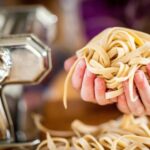
Pappardelle shifts the emphasis. Instead of stuffing and sealing, you’re working with dough that’s rolled and cut into wider ribbons.
This teaches a different kind of pasta confidence. You learn how dough thickness and cutting size affect the final bite, which helps if you ever try fresh pasta again at home.
Sauces That Match the Pasta: Sage Butter, Arrabbiata, and Tuscan Ragù
Fresh pasta is only half the story. The class pairs your work with sauces that match the style of pasta you’re making.
You’ll prepare:
- Butter and sage
- Arrabbiata
- Old-fashioned Tuscan ragù
That pairing is a big deal because it gives you a practical framework. Instead of memorizing recipes as separate items, you start to think like a cook: what sauce style works best with what pasta shape and texture.
Why Butter and Sage Works Well
Butter and sage is classic for a reason. It tends to highlight the pasta’s flavor and texture rather than overpowering it.
In a class like this, it’s also a friendly sauce for beginners because the goal is balance, not complicated technique.
Why Arrabbiata Feels Like Florence
Arrabbiata is where you get a bolder taste profile. It helps you appreciate that fresh pasta can handle sauce that has more bite and character.
If you’re the kind of traveler who usually sticks to mild food, this is a good “try it and see” moment since you can adjust your own portion and pace.
The Tuscan Ragù Connection
The class calls the ragù old-fashioned and Tuscan. That wording matters because it points to comfort-food cooking, not a fast shortcut.
And since you’re learning from ingredients to finishing steps, you’ll understand why ragù needs time and attention even if you don’t get a long simmer at home after this tour.
What the 3 Hours Actually Feel Like
The whole experience is scheduled for 3 hours, and that time is used for teaching, making, and eating. Expect the session to move; you’re not signing up for a leisurely afternoon of flour smelling and slow rolling.
Guests also mention that the instructions are clear but the class can feel a bit fast. That’s not a deal-breaker—just know what you’re getting: a structured cooking session with a set outcome.
The good part is that you’re never on your own. The chef stands with you and guides you through each stage, so if your first attempt at a pasta shape looks odd, you get help before it becomes a full problem.
Chef-Led, Not Chef-Acted: Andrea, Victoria, Antonio, and Valentino
This class is chef-led with English instruction, and a recurring theme is that the chefs stay engaged. Multiple guest comments mention the chef moving through the room, offering tips, and keeping people involved.
You’ll see names like Chef Andrea, Chef Victoria, Chef Antonio, and Chef Valentino show up in guest experiences. That matters because it suggests the teaching style is consistent even when the chef changes.
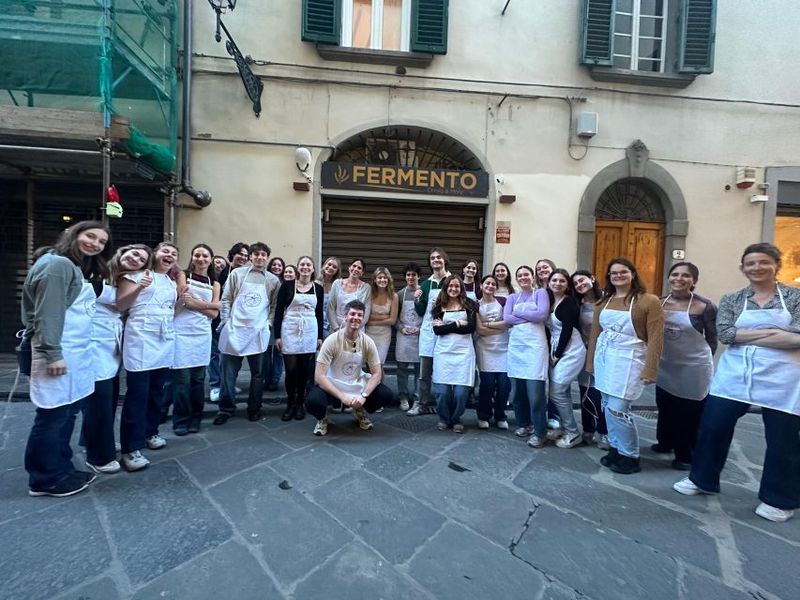
One especially useful detail from guest feedback: chefs don’t just teach one person well—they’re hands-on with the whole group. That’s what you want in a group class, especially if you have kids, beginners, or anyone who worries they’ll mess up the dough.
Eating What You Cook: The Part Many Classes Get Wrong
This is one of the most practical parts: you eat everything you cook. No awkward leftovers. No “one bite for the camera” situation.
That also changes your learning. When you know you’ll taste what you make, you’re more likely to focus on dough consistency, sealing quality, and cooking time. It turns the class into feedback, not just a performance.
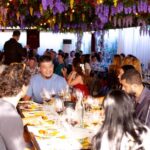
Wine and soft drinks are included during the meal, so you finish with an actual celebration of your work. Guests specifically mention the wine being good, which helps justify the whole setup.
Unlimited Wine and the Real-Life Planning Tip
The class includes Tuscan wine and says it’s unlimited, along with unlimited soft drinks. This is fun, and it also means you should plan like an adult.
If you’re driving, you’re done. If you’re walking back through Florence, pace yourself and consider how much alcohol you want to fit into the rest of your day. Unlimited doesn’t mean you need to go full throttle.
The good news: the class is still structured around cooking and eating. Even with wine in the mix, it doesn’t sound like the experience turns into chaos. More like it stays lively while you’re focused on dough.
Equipment and Ingredients: You Don’t Need to Bring a Thing
You won’t have to bring equipment. The class provides all equipment and all ingredients, and that lowers friction.
That’s a big deal in Europe travel. You already carry enough stuff, and cooking class gear can turn into a mess fast. Here, you show up and focus on the lesson instead of logistics.
Dietary Needs: Vegetarian and Other Options
The activity states dietary options are available, including vegetarian and other diets, as long as you inform the provider when booking.
That’s exactly what you want from a class like this. Pasta and sauce can be adapted, but it requires prep, so make the message clear during booking rather than hoping it works out on arrival.
Wheelchair Accessibility: Useful to Know Up Front
The class is listed as wheelchair accessible. That’s important because many cooking spaces in older buildings can be tricky.
Since this one takes place inside a tower, it’s especially good to see accessibility included in the basic info. If you have mobility needs, it’s worth double-checking specifics with the provider when you book, but the listing does support access.
Price and Value: Why $21 Looks Like a Deal
At $21 per person for a 3-hour chef-led class with ingredients, equipment, and wine, the value is the story. You’re getting multiple pasta types, multiple sauces, and a meal that’s tied to your cooking.
In many cities, even a single pasta workshop can cost more—especially when wine is included. Here, the pricing includes the ingredient work, the chef time, and the meal experience, which is why people keep highlighting the value for money.
The other value is skills. You’re learning procedures, not just eating. If you love cooking, you’ll likely feel the difference when you try a simple fresh pasta dough again.
Timing and Meeting Point: Flexible, But Double-Check
The meeting point may vary depending on the option booked. That’s common, but it matters because Florence has a lot of narrow streets and easy-to-miss turns.
To keep it smooth: check your confirmation details close to departure and give yourself a little extra time to arrive. A late start in a cooking class is more than annoying—you lose hands-on practice.
English is supported via a live tour guide, so communication should be straightforward even if your Italian is still learning.
Best For: Families, Food Lovers, and Beginners
This seems like a strong fit for:
- Families with kids or teens who enjoy doing rather than watching
- Travelers who want a memorable Florence meal that isn’t just another restaurant stop
- Beginners who want a structured guide and a payoff at the table
Guest comments mention everything from father-and-son trips to families with teenage daughters, and the general theme is the room stays fun and welcoming while still being educational.
If you want quiet museum-style pacing, this may feel too active. But if you want a live skill and a meal that feels earned, it’s a great match.
Planning Tips Before You Go
A few practical pointers can make the class smoother:
- Go in ready to work with your hands, even if you’re a total beginner.
- Expect the session to move quickly; listen carefully during the first pasta step so later steps feel easier.
- If you have dietary restrictions, send them clearly when booking.
- If you plan sightseeing after, consider how much wine you want since it’s included and unlimited.
And bring a good attitude about imperfect first tries. Fresh pasta is forgiving in the sense that you learn faster when something goes slightly off and the chef corrects it.
Should You Book This Pasta Class in Florence?
Book it if you want a high-value, hands-on Florence food experience that ends with a real meal. The combination of chef-led teaching, three pasta types, and wine plus soft drinks is hard to beat for the time and price.
Skip it only if you hate group classes, need super-slow pacing, or don’t want alcohol involved at all. Otherwise, this is one of the smarter “do something local” choices in Florence—where you leave with new skills, a full stomach, and a story that sounds better than you expected it to.
Florence: Pasta Cooking Class with Unlimited Wine
FAQ
How long is the Florence pasta cooking class?
The class duration is 3 hours.
How much does it cost?
The price is listed as $21 per person.
What types of fresh pasta will I make?
The class includes 3 types of fresh pasta, such as ravioli, tortelli, and pappardelle.
Are wine and soft drinks included?
Yes. You can drink Tuscan wine and there are unlimited soft drinks included.
Do I need to bring any equipment?
No. The class provides all ingredients and all equipment, and you do not need to bring anything.
Where is the meeting point?
The meeting point may vary depending on the option booked, so check your booking details.
Is the class wheelchair accessible?
Yes, it is listed as wheelchair accessible.
Are vegetarian or other dietary needs accommodated?
Yes. The class supports vegetarian and other diets, and you should inform the activity provider of your needs when booking.
What is the cancellation policy?
The class offers free cancellation up to 24 hours in advance for a full refund.
You can check availability for your dates here:The Best Of Florence!



More Wine Tours in Florence
- Tuscany Day Trip from Florence: Siena, San Gimignano, Pisa and Lunch at a Winery
★ 5.0 · 21,634 reviews
More Cooking Classes in Florence
- Cooking Class and Lunch at a Tuscan Farmhouse with Local Market Tour from Florence
★ 5.0 · 4,831 reviews
More Tour Reviews in Florence
- Tuscany Day Trip from Florence: Siena, San Gimignano, Pisa and Lunch at a Winery
★ 5.0 · 21,634 reviews - The Best tour in Florence: Renaissance & Medici Tales – guided by a STORYTELLER
★ 5.0 · 12,316 reviews