
Liverpool Slavery Walking Tour – Commercial Side: Honest Insights into a Complex Past
If you’re interested in understanding Liverpool beyond the famous Beatles and maritime grandeur, this Liverpool Slavery Walking Tour offers a heavy but essential look at its role in the transatlantic slave trade. Guided by knowledgeable storytellers, this tour takes you through the streets where traders once walked, showing how the city’s prosperity was intertwined with dark historical practices.
What we really appreciate about this experience is its focus on the commercial side of history—visiting the original seven streets and significant sites that reveal how deeply slavery was woven into Liverpool’s economic fabric. Plus, the guides’ expertise shines through; they do a good job of explaining the context without drowning you in overly academic details. One possible downside is that the tour is quite dense and packed into just two hours, which might feel rushed if you’re a history buff wanting more depth.
This tour is best suited for travelers who are curious about Liverpool’s less glamorous past but want a grounded, respectful overview rather than an overly emotional or sensationalized account. It’s ideal for those interested in the city’s economic history, architecture, and understanding how this history shaped modern Liverpool.
Key Points
- Insightful guides make history accessible and engaging.
- Focus on Liverpool’s commercial and banking history, not just the slavery aspect.
- Accessible for most travelers, with a mobile ticket and manageable group size.
- Offers a balanced view of Liverpool’s prosperity and its darker chapters.
- End with free access to the International Slavery Museum—an added value.
- Cost-effective at just over $38 per person, considering the depth of the itinerary.
- Key Points
- A Deep Dive into the Liverpool Slavery Commercial Side Tour
- What to Expect at the Start: Our Lady and Saint Nicholas Church
- The Hargreaves Building and William Brown
- Rumford Place and the Confederate Connection
- Cotton Exchange and Wealth Generation
- The Old Slavery Markets: Exchange Flags and Merchants’ Buildings
- Sir Alfred Jones and Philanthropy
- Banking and Business: Water Street and Dale Street
- The Role of Castle Street and the Old Dock
- The Shipyards and Dockyard
- End of the Tour: Docks and the Old Liverpool
- Bonus: Optional Visit to the International Slavery Museum
- How Well Does It All Hold Together?
- Is It Worth the Price?
- Practicalities and Tips
- Who Should Consider This Tour?
- FAQ
- More Walking Tours in Liverpool
- More Tours in Liverpool
- More Tour Reviews in Liverpool
- More Liverpool experiences we've covered
A Deep Dive into the Liverpool Slavery Commercial Side Tour
This walking tour provides a layered look at Liverpool’s history, blending architecture, trade, and the city’s role in the transatlantic slave economy. It’s a well-crafted route that takes you through the streets and buildings where history happened, illuminating how Liverpool became a hub for slavery and trade.
If you're drawn to exploring Liverpool on foot, we've looked into these other walking experiences
What to Expect at the Start: Our Lady and Saint Nicholas Church
Your journey begins at the Liver Building Pier Head—an iconic spot, and from there, you walk to Our Lady and Saint Nicholas Church, where many traders worshipped and are buried. This stop is particularly revealing because it shows how intertwined religion and commerce were—some traders’ lives ended here, and their legacies are still tied to the city’s history. You’ll hear about these traders’ lives, providing a human face to this part of history. The tour guide’s storytelling makes this more than just a walk past old graves; it’s a chance to understand the complex identities of those involved.
The Hargreaves Building and William Brown
Next, you’ll head over to the Hargreaves Building, which is linked to William Brown, a cotton broker, and banker who established the Bank of Liverpool and Brown & Shipley. This stop highlights the importance of banking and finance in Liverpool’s rise—showing how wealth generated from trade, including the slave trade, funded the city’s expansion. The guide’s explanations help you see how those buildings weren’t just structures but symbols of economic power.
Rumford Place and the Confederate Connection
Moving to Tithebarn Street, you’ll visit Rumford Place, where the Confederate Embassy of the American Civil War was once located. This link to the American Civil War adds another layer—Liverpool’s role in supplying ships and weapons to the Confederates, which kept the trade routes open and continued the flow of wealth. The story of spies and secret networks paints a vivid picture of the city’s global connections.
Cotton Exchange and Wealth Generation
The Cotton Exchange Building introduces Liverpool as a global leader in cotton trade—an industry directly tied to the textiles that relied on slave-produced cotton from America. The “Liverpool Rules” are still referenced today, a testament to how this era continues to influence the city’s commercial laws. Walking past this building, you can almost hear the hustle of merchants and traders in a bygone era.
The Old Slavery Markets: Exchange Flags and Merchants’ Buildings
At Exchange Flags, you’ll see where traders historically conducted business and where slaves were sold. The Nelson Monument nearby offers a chance to reflect on Liverpool’s maritime history. The guide recounts the significance of these sites, making you think about the scale and brutality of the trade—yet also the wealth it generated for Liverpool.
Sir Alfred Jones and Philanthropy
A quick stop at the Memorial to Sir Alfred Jones reveals how one merchant’s wealth was used to fund medical research and philanthropy, such as the School of Tropical Medicine. It’s a reminder that Liverpool’s historical figures often had complicated legacies—wealth built on trade, which also contributed to societal progress.
Banking and Business: Water Street and Dale Street
Walking along Water Street, you’ll see buildings that housed Liverpool’s financial institutions, like Martins Bank and the old Bank of Liverpool. These skyscraper-like edifices stand as monuments to the city’s economic strength, much of which was rooted in the transatlantic trade. The tour continues through Dale Street, where a historic pub that might have been visited by slave traders still exists. Some guests find this part particularly evocative—walking where history was made and still visible.
The Role of Castle Street and the Old Dock
On Castle Street, the tour discusses how buildings were connected to slavery and trade, and you get to see the building that housed Liverpool’s first branch of the Bank of England. The Queen Victoria Monument stands nearby, commemorating Liverpool’s historical significance. The Liverpool Town Hall rounds out this section, with its impressive architecture and depictions of African figures on the frieze. These sites highlight how wealth and power were visually expressed in Liverpool’s architecture.
The Shipyards and Dockyard
The tour then makes its way to the Graving Docks, where ships were refitted after arduous trade journeys—an essential part of the slave trade infrastructure. Visiting these docks, which still feature original mid-1700s structures, helps you grasp what it took to keep those ships afloat and active in the trade routes.
End of the Tour: Docks and the Old Liverpool
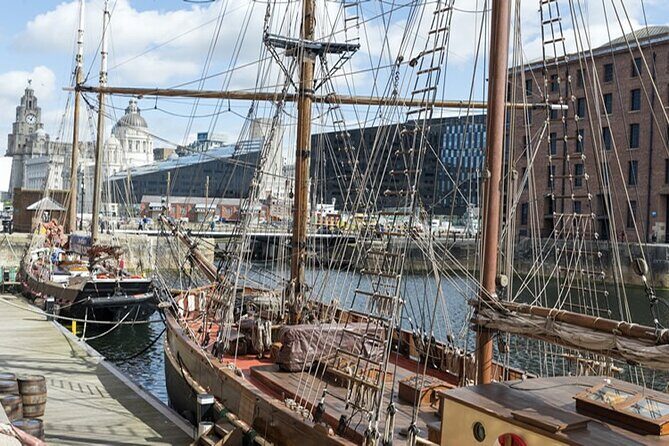
Finally, you pass by Salthouse and Canning Docks, built rapidly to support the expanding American trade. Walking on the cobbles, you’re literally treading on stones laid during the height of Liverpool’s prosperity—some of which came from Liverpool Castle itself. The tour concludes at Thomas Steers Way, where the Old Dock, built in 1715, allowed Liverpool to grow into the port it is today. Here, an observation window offers a glimpse into the original dock’s remains.
Bonus: Optional Visit to the International Slavery Museum
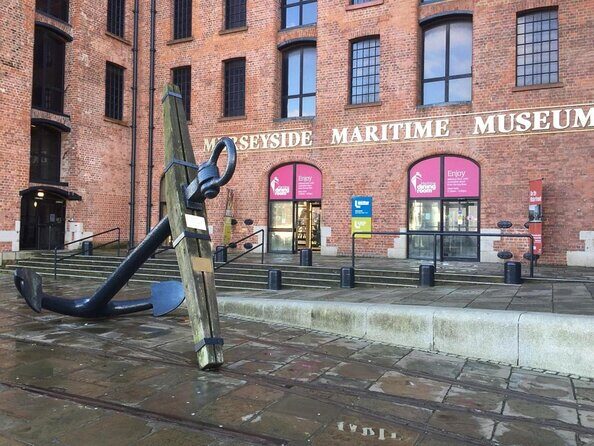
While not part of the guided experience, most groups pass by the Merseyside Maritime Museum, which houses the International Slavery Museum. You’re welcome to visit afterwards—entry is free, and it adds important context to what you’ve just learned.
How Well Does It All Hold Together?
Our reviews reflect that guides like Edward and Tommy are often praised for their knowledge and storytelling skills. One reviewer said, “Edward explained that while few slaves actually,” which hints at a nuanced approach that balances the harsh realities with the economic context. Others appreciated how guides showed them buildings and streets many had walked past but never noticed—highlighting the value of local insights.
While most reviewers found the two-hour duration just right, some mentioned that the tour covered a lot of ground quickly. If you’re a history buff craving more detail, you might find this a bit superficial—though it does a good job of showcasing key sites and stories without overwhelming.
Is It Worth the Price?
At around $38.29 per person, this tour offers a solid balance between accessibility and depth. Given that you visit numerous significant sites and gain a broader understanding of Liverpool’s role in a dark chapter of history, many find it fair. The inclusion of free admission to certain stops, like the church and the Docks, adds value.
Practicalities and Tips
The tour is designed for most travelers, with a mobile ticket and a small group of up to 12 people. It starts in the morning at the Liver Building Pier Head, making it easy to combine with other city sightseeing. Wear comfortable shoes, as you’ll be walking through cobbled streets and historic docks. The tour is outdoors—so check the weather forecast beforehand.
Who Should Consider This Tour?
This experience is best suited for visitors interested in Liverpool’s trade history and those who want a more academic, respectful look at the city’s involvement in slavery. It’s particularly valuable for anyone curious about the economic underpinnings of Liverpool’s development, or those wanting to see the city’s architecture and streets from a different perspective.
It’s not a light, casual sightseeing walk, but it’s engaging and full of stories that will make you see Liverpool in a new light. If you’re traveling with someone who’s history-minded or simply curious about the city’s past, this tour will likely hit the right spot.
Liverpool Slavery Walking Tour – Commercial Side
“We wanted something other than Beatlemania. Being history buffs we chose this walkabout with Edward and it did not dissapoint. Liverpool has alw…”
FAQ
How long is the tour?
It lasts approximately 2 hours, covering numerous sites across Liverpool’s historic streets.
Is the tour suitable for children?
The description doesn’t specify age restrictions, but since it’s a walking tour with a focus on history and architecture, it’s generally accessible for most travelers. Keep in mind that the subject matter can be heavy.
Do I need to book in advance?
Yes, most bookings are made about 12 days ahead, and a minimum of two people is required to confirm the tour.
What is the price?
It costs around $38.29 per person, which includes some admission tickets and the guidance of a knowledgeable guide.
Can I visit the International Slavery Museum afterward?
Yes, the museum is nearby and can be visited for free after the tour.
What is the group size?
The tour is limited to 12 travelers, ensuring a more intimate experience with your guide.
To sum it up, if you’re interested in uncovering Liverpool’s less-glamorous but equally defining past, this commercial side of the slavery tour offers a respectful, well-informed overview. It’s especially good for those who appreciate architecture, history, and stories of commerce, brought to life by passionate guides. While it may not satisfy those craving an in-depth academic lecture, it provides a meaningful glimpse into a formative chapter of Liverpool’s story—one that should be remembered and understood.
More Walking Tours in Liverpool
- Liverpool: Guided City Walking Tour
- Liverpool: City Highlights Walking Tour
- Beatles Famous Walking Tour Of Liverpool-Shore Excursion
- Liverpool: Official Peaky Blinders City Centre Walking Tour
- Liverpool Heritage,History & Culture Walking Shore Excursion
- Best of Liverpool: Private Walking Tour with a Local
More Tours in Liverpool
More Tour Reviews in Liverpool
- Liverpool: Anfield Stadium Ticket & Digital City Tour
- Liverpool: Madonna Tribute with Live Singers at Navy Bar 2.1
- Liverpool: Sewing Machine Workshop with Tea and Cake
- From Liverpool: Lake District Shore Excursion
- Private Beatles & Beer Bus tour 4 hour & drinks 1-8 people
- Liverpool: Guided City Walking Tour
More Liverpool experiences we've covered
- Liverpool’s 7 Best Shore Excursions: Which To Choose?
- 9 Best Historical Tours In Liverpool (With Prices)
- 2 Fantastic Full-Day Tours In Liverpool
- The 4 Top Food Tours In Liverpool: Which Is Best?
- Our Picks For The 5 Best Bike Tours In Liverpool
- Our 15 Favorite Liverpool Tours
- Liverpool: Anfield Stadium Ticket & Digital City Tour
- Liverpool: Madonna Tribute with Live Singers at Navy Bar 2.1
- From Liverpool: Lake District Shore Excursion
- Private Beatles & Beer Bus tour 4 hour & drinks 1-8 people
- Liverpool: Guided City Walking Tour
- From Liverpool: North Wales Adventure Sightseeing Day Trip