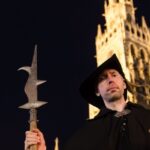
Planning a visit to Munich and want to get beyond the usual tourist spots? If architecture fascinates you or you’re simply curious about how a city’s appearance tells its story, this tour might be a great fit. It promises to take you on a journey through Munich’s architectural evolution, all led by Philipp, an architect and official city guide.
What really makes this tour stand out are two things: first, its carefully curated stops that combine famous landmarks with hidden gems, and second, its focus on not just the styles but the social and political contexts behind them. However, the 2-hour duration is pretty tight for so many stops, so it’s a quick hit rather than an in-depth exploration.
Still, if you’re short on time but want to see a broad spectrum of Munich’s architecture, this tour could be just what you need.
One thing to keep in mind is that the tour has a small group size, which makes for a more personalized experience. If you’re traveling with family or friends who appreciate history and design, it’s likely to be a rewarding outing. But if you’re after a leisurely, in-depth visit or want a relaxed pace, you might find it slightly brisk.
Overall, it’s best suited for those curious about architecture, history buffs, or visitors looking for a guided overview of Munich’s changing skyline.
Key Points
- Expert-led tour: Led by Philipp, an architect and official guide, offering insight into Munich’s architecture and its social context.
- Diverse architecture styles: From Romanesque and Gothic to Baroque, Rococo, Neoclassical, and Modern.
- Iconic landmarks and hidden gems: Includes Frauenkirche, Dreifaltigkeitskirche, Palais Preysing, and more.
- Stunning river views: Walk along the Isar River and finish at the Gasteig rooftop terrace with panoramic city views.
- Family-friendly: Children aged 5 and up are welcome, with some stops suitable for all ages.
- Small group setting: Max 15 guests, making it more interactive and personalized.
👉 See our pick of the The 8 Most Popular Shopping & Market Tours In Munich
A Walk Through Munich’s Architectural History
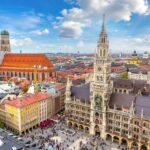
We’ll start with the Frauenkirche, Munich’s most recognizable church. Sitting proudly on the city’s skyline, this nearly 100-meter-tall Gothic masterpiece replaces a Romanesque chapel that once stood here. If you step inside, you’ll find an interior that’s just as impressive as the outside, with soaring ceilings and historic charm. The guide points out how this iconic structure reflects Munich’s ecclesiastical importance, and you can almost feel the centuries of history echoing through its stone walls.
Next, we move to St. Michael München, a Renaissance church with a story to tell about the Reformation, the salt trade, and Bavaria’s Wittelsbach rulers. It’s not just a pretty building but a symbol of the city’s complex past, which the guide explains with enthusiasm. You’re invited inside for a brief look, which, though short, offers a chance to appreciate its architectural details up close.
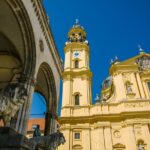
From there, the tour takes a turn into Baroque with the Dreifaltigkeitskirche (Church of the Holy Trinity). Thanks to a remarkable woman’s vision, Munich was spared from destruction in the 18th century, and this church is a testament to that. The architecture is lively, ornate, and full of character—definitely a highlight for anyone interested in Baroque design. The guide shares stories of how social influences shaped this style, adding layers of meaning to what might otherwise just be pretty facades.
Crossing the Isar River, we arrive at the Palais Preysing, the first Rococo palace in Munich. It’s located near the larger Residenz and offers a glimpse into aristocratic life centuries ago. The delicate Rococo details are a stark contrast to the more solid Gothic and Renaissance buildings seen earlier. It’s a reminder that Munich’s architecture isn’t just about grand monuments but also about the homes and palaces that reflect different eras’ tastes.
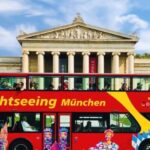
The National Theatre introduces us to an impressive neoclassical style, built for King Max I Joseph. Here, we learn that Wagner’s operas premiered within these walls, tying the city’s cultural identity to its architecture. The guide emphasizes how styles like the neoclassical align with political ambitions and cultural aspirations, giving us a broader sense of Munich’s evolving identity.
Walking along Maximilianstraße, the tour highlights a unique form of historicism. commissioned by King Maximilian II. It’s a broad boulevard lined with buildings that blend Renaissance, Baroque, and other influences—the kind of architecture that visually narrates Munich’s desire to look both forward and backward at once.
The tour then shifts gears with St. Lukas, a Protestant church that’s something of a hidden gem, as it disguises itself as a Catholic church but serves a different community. The historical context is fascinating: Protestants weren’t even allowed to be citizens until 1801, so this building symbolizes social change over time.
Next, we stroll across the Kabelsteg, an Art Nouveau bridge that offers fantastic views of the river and the city. It’s a perfect spot for photos and a brief appreciation of Jugendstil’s elegant lines. Nearby, Mullersches Volksbad—once the largest Art Nouveau bathhouse in the world—sits right next to some eye-catching street art, including what might be the world’s longest tandem bicycle.
As we continue along the Isar, the Sudetendeutsches Museum provides a modern architectural foil amid the historic landscape. It’s a contemporary structure that adds depth to the city’s architectural tapestry, illustrating how Munich embraces new styles while respecting its past.
Finally, if weather permits, the tour concludes at Dachgarten at Gasteig—a rooftop bar with extraordinary views of the city’s towers and spires. From here, you get a sweeping panorama of Munich’s skyline, a fitting end to a whirlwind architectural overview.
You can also read our reviews of more tours and experiences in Munich.


What We Loved and What to Consider
One of the best aspects of this tour is how knowledgeable Philipp makes the architecture come alive, sharing stories that put each building in context. We found his enthusiasm infectious, and the fact that he’s an architect himself deepens the insights into styles and influences. The variety of buildings—from Gothic to Art Nouveau to Modern—offers a comprehensive snapshot of Munich’s visual history.
The small group size (up to 15 people) makes the experience feel intimate, allowing for questions and more personalized commentary. Plus, the stops include both famous landmarks and lesser-known treasures**, which keeps the experience fresh and engaging.
However, the tour is quite packed for just two hours. You might find yourself walking briskly from one site to another, which could be slightly tiring, especially in bad weather or for those with limited mobility. Also, the price of around $26.42 per person is reasonable given the expert guidance and the variety of sights, but it’s a short tour if you’re after a deep dive. Think of it as an excellent overview rather than a detailed exploration.
The inclusion of free admission at each stop is helpful, and the fact that you visit a mix of religious, civic, and residential architecture means you’ll see how different social functions influence design choices. Plus, the ending at the rooftop terrace offers a relaxed, panoramic view that’s well worth the short climb.
Who This Tour Is Best For
This experience is ideal for architecture lovers, history buffs, or anyone curious about the visual evolution of Munich. It’s perfect if you’re short on time but want a structured, guided overview of the city’s most significant buildings and styles. It also suits travelers who appreciate stories and context, as Philipp’s explanations add layers of meaning to each stop.
While not explicitly family-focused, the tour is family-friendly with children aged 5 and above, especially if they’re interested in buildings or history. The pace is moderate, so it’s suitable for most visitors with a basic level of mobility.
If your main goal is to relax in Munich or see its top sights at a leisurely pace, this tour may feel a bit rushed. However, if you’re eager to understand how Munich’s architecture mirrors its history and social changes, it’s a perfect walkthrough.
Frequently Asked Questions
How long is the tour?
It lasts approximately 2 hours, covering multiple sites along a route that includes walking and some standing.
Where does the tour start and end?
It begins at Frauenkirche on Frauenplatz and concludes at the Dachgarten rooftop terrace at Gasteig, weather permitting.
Is the tour suitable for children?
Yes, children aged 5 and up can join. The stops are interesting for anyone curious about buildings and Munich’s history.
What’s the group size?
The tour is limited to a maximum of 15 guests, making it intimate and allowing for questions.
How much does it cost?
The price is around $26.42 per person, which is quite good for a guided tour with expert commentary, especially considering the variety of sights.
Do I need to book in advance?
It’s recommended to book about 111 days in advance, as the tour is popular. You can also reach out for a private booking.
Are reservations flexible?
Yes, you can cancel free of charge up to 24 hours before the tour, which adds peace of mind.
Are there any additional costs?
No, all stops listed are free of charge, but bring some cash or card for optional drinks or snacks at the rooftop bar.
Munich in 500 Years: An Architectural Time Machine
Final Thoughts
If you’re looking to understand Munich’s architectural story in a quick, engaging way, this tour offers a solid introduction. It’s an excellent choice for those who enjoy learning about the social and political influences behind buildings, not just their appearance. Philipp’s passion and expertise bring the city’s streets and structures to life, making history feel tangible.
The variety of architectural styles, from Gothic to Modern, means you’ll leave with a sense of Munich’s layered identity. The views from the Gasteig rooftop add a special touch, giving you a stunning backdrop to reflect on everything you’ve seen.
This tour is especially appealing for visitors who love a mix of history, architecture, and city scenery. It’s not a deep-dive but a well-curated highlight reel, perfect for a short visit or to complement a broader exploration of Munich.
Overall, if you want a guided experience that’s visually rich, informative, and fun, this Munich in 500 Years: An Architectural Time Machine tour is worth considering. Just be prepared for a brisk walk and a packed itinerary—trust us, your curiosity will thank you.