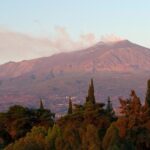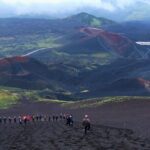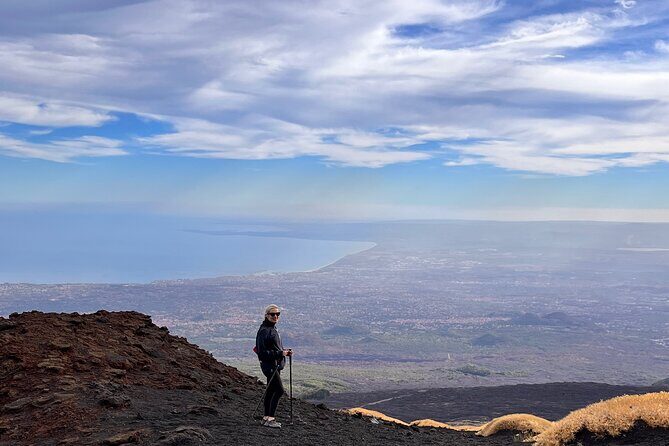
This is a proper hike on an active volcano. You’re not riding a cable car or staying near the parking lot sipping cappuccino. Instead, you’ll spend roughly 5 hours trekking through the Valle del Bove depression – a lunar-like landscape that genuinely feels like another planet. The experience puts you in small groups of up to 16 people with a knowledgeable local guide who knows Mount Etna’s moods and geology inside and out.
I love that the tour includes all the gear you need right from the start. Hiking boots, trekking poles, helmets, and windbreakers come with the package, which means you don’t need to rent separately or worry about bringing the wrong equipment. The guides – folks like Ernesto, Alessandro, and Giuliano who appear regularly in traveler feedback – genuinely care about both safety and sharing what makes this volcano special.
The main consideration: this isn’t a casual stroll. You’ll climb to around 2,400 to 2,750 meters (roughly 8,000 to 9,000 feet), and the terrain is constantly uphill on volcanic sand and gravel. Wind at the summit can be fierce, and some sections involve exposed areas with steep drop-offs. If you’re not comfortable with genuine hiking or struggle with altitude, this will challenge you more than you might expect.
- What Makes This Hike Different
- Understanding the Valle del Bove
- The Physical Reality of This Hike
- Starting Early and Getting There
- Weather and Cancellation Realities
- The Guides Make the Difference
- What You’ll Actually See
- Value and What’s Included
- Who Should Book This Experience
- The Reality Check
- Should You Book This Tour?
- FAQ
- What should I bring besides the included equipment?
- How difficult is this compared to other hiking?
- What happens if weather cancels my tour?
- Is this suitable for older travelers?
- Why is equipment included and what exactly do I get?
- What’s the best time of year to do this hike?
- The Best Of Sicily!
- More Guided Tours in Sicily
- More Tours in Sicily
- More Tour Reviews in Sicily
What Makes This Hike Different
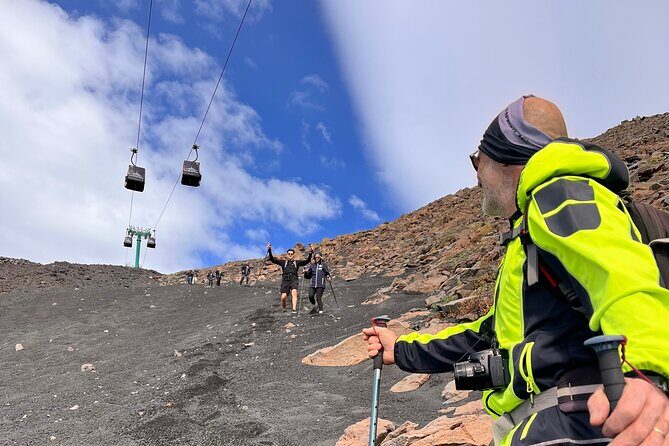
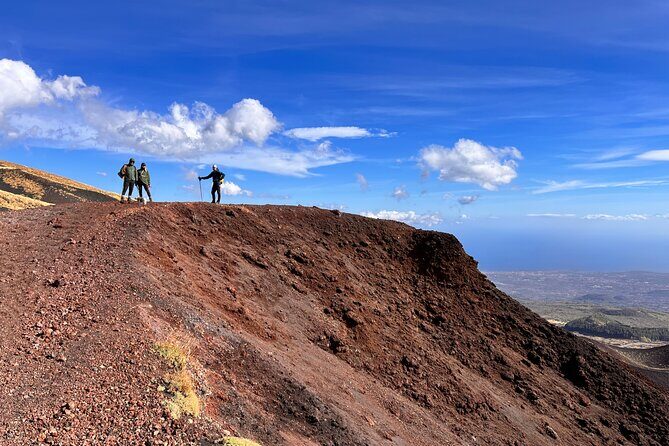
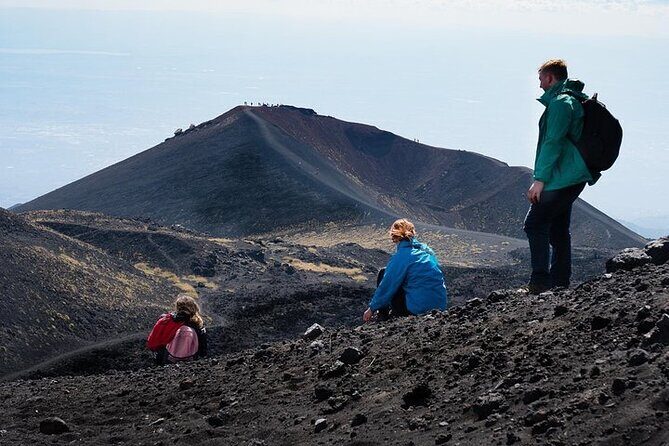
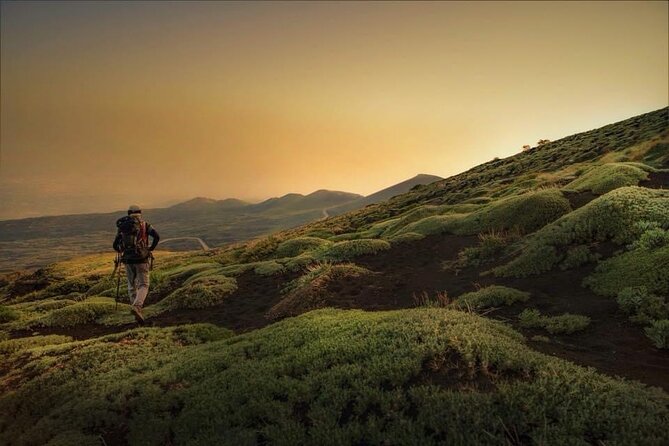
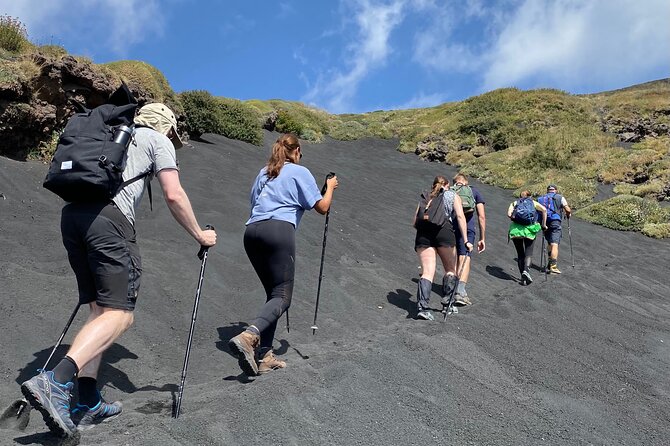
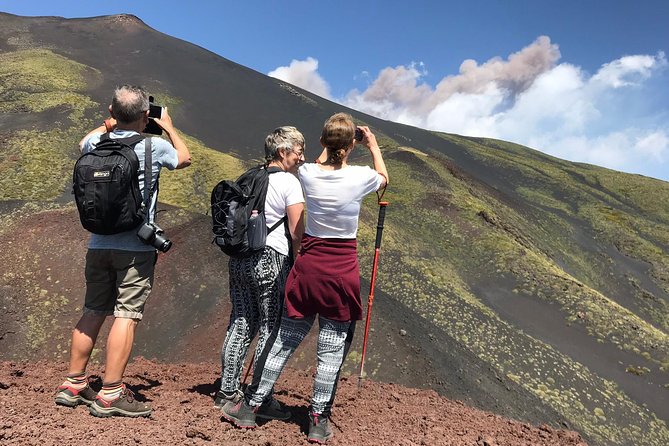
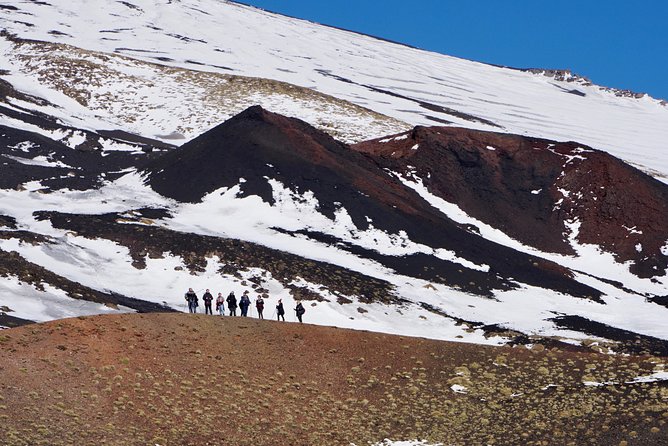
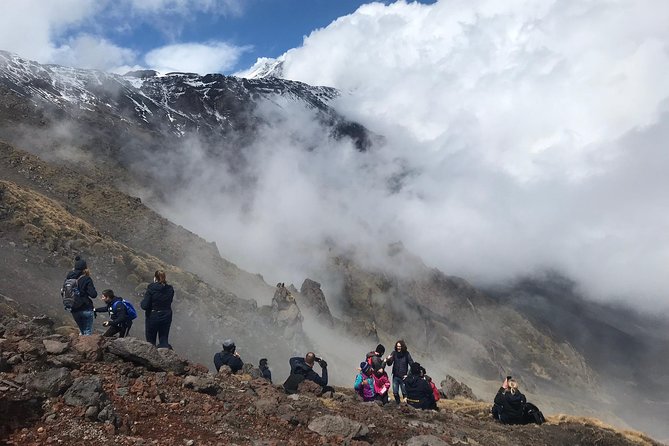
You reach places most travelers never see. The Valle del Bove is accessible only on foot – larger tour vehicles can’t get there. This means you’re walking through terrain that stays relatively untouched by the typical tour crowd. The volcanic landscape shifts constantly as you gain elevation, revealing different layers of Etna’s volcanic history. Travelers consistently mention how the terrain feels otherworldly, and that’s the real draw here.
The guides are passionate volcanologists, not just trail leaders. These are people who’ve spent years studying Etna and genuinely love sharing its stories. They’ll point out different rock formations, explain how the volcano shaped the surrounding landscape, and discuss how volcanic activity affects Sicily’s climate and agriculture. This isn’t just about reaching a summit – it’s about understanding what you’re walking on.
Equipment is included, which matters more than it sounds. Proper hiking boots make a real difference on loose volcanic terrain. Good windbreakers become essential when you reach the upper elevations where wind can be surprisingly strong. The fact that these come with your tour means you’re not scrambling to find rentals or second-guessing whether you packed the right gear.
Small group size keeps the experience intimate. With a maximum of 16 people, you’re not shuffling along in a massive tour group. The guides can adjust the pace, stop when people need a breather, and actually have conversations with you rather than shouting facts at a crowd.

👉 See our pick of the Top 15 Workshops & Classes In Sicily
Understanding the Valle del Bove
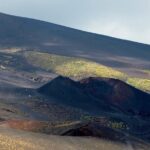
The Valle del Bove is essentially a massive depression carved into Etna’s southeastern flank. Walking through it means traversing volcanic terrain that ranges from dark lava rock to sandy ash fields. The landscape genuinely does look extraterrestrial – there’s not much vegetation at these elevations, and the colors shift from grays to blacks to rust tones depending on the rock composition.
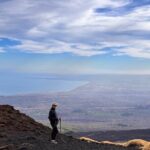
What makes this valley special is that it’s constantly changing. Erosion from winter weather alters the terrain year to year. The guides will explain how the valley formed and what the different rock types tell you about Etna’s eruptive history. On clear days, you’ll have views toward the Ionian Sea, though clouds and wind can roll in quickly and obscure visibility.
You can also read our reviews of more guided tours in Sicily
The Physical Reality of This Hike
Let’s be straight: this is a genuine workout. Travelers describe it as having difficulty levels ranging from 3 to 4 out of 10 if you exercise regularly, but jumping to 7 or 8 out of 10 if you’re not accustomed to mountain hiking. The incline is relentless – it’s rarely steep, but it’s almost always going uphill. The altitude compounds the effort, especially in the final stretch.
The sandy and gravelly terrain means your legs work harder than on a regular trail. You’re constantly adjusting your footing on unstable ground, which engages your core and legs differently than solid earth. Wind at higher elevations can make you lean into it, adding another physical demand.
Most people who complain about difficulty aren’t complaining about the route being badly designed – they’re realizing they underestimated what constant uphill hiking for hours actually feels like. Bring more water than you think you’ll need. One traveler specifically mentioned wishing they’d brought a full liter. The guides build in rest stops regularly, but you’ll want hydration available whenever you pause.
Starting Early and Getting There
You’ll meet at 8:30 a.m. in Catania, which means getting up early if you’re staying in the city center. Round-trip transportation is included, so you don’t need to arrange your own way to the volcano. The drive takes you up to a starting elevation where you’ll change into hiking boots, grab your gear, and prepare for the climb.
There’s usually a café stop before the hike begins, which is where many people grab snacks, water, or a quick bite. This is smart – you’ll be hiking for several hours without food services once you start. Some tours also include a café stop afterward, which gives you a chance to decompress and grab refreshments after you’re done.
The whole experience, from pickup to return, takes about 6.5 hours. That’s not just hiking time – it includes transportation, gear preparation, and the descent back down.
Weather and Cancellation Realities
Mount Etna is an active volcano, and weather can change fast. Tours get canceled when conditions aren’t safe, and that’s actually a good thing – it means the operators prioritize safety over profit. The cancellation policy offers either a different date or full refund if weather forces postponement.
One traveler had a frustrating experience with a guide canceling 25 minutes before departure, though the company did eventually process a full refund after some back-and-forth. This is worth mentioning because it shows that while most guides are excellent, communication can sometimes be unclear when conditions are borderline.
Winter hiking is possible but demanding. Travelers who’ve gone in December mention needing warm jackets, gloves, and hats. Snow and strong winds are real possibilities at higher elevations during colder months. Summer offers more stable weather but also more crowds and heat on exposed terrain.
The Guides Make the Difference
The names that appear repeatedly in traveler feedback – Ernesto, Alessandro, Alessio, Giuliano – suggest these are experienced, reliable guides. They’re consistently praised for safety consciousness, knowledge about the volcano and local flora, and for setting a pace that works for mixed-fitness groups.
Good guides will slow down for people struggling, adjust routes if necessary for safety, and actually make you want to learn about what you’re seeing. They’ll point out plants that grow in volcanic soil, explain how the mountain influences the region’s wine production, and share stories about Etna’s eruptions and their impact on nearby towns.
They also know how to handle emergencies. One traveler mentioned a guide safely bringing the group down during a thunderstorm – that’s the kind of competence you want when you’re on an active volcano.
What You’ll Actually See
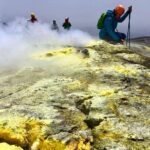
On clear days, you’ll get views into smoking craters at the summit area. You’ll see how different volcanic activity has left distinct layers in the rock. The Ionian Sea appears in the distance on good visibility days. The surrounding landscape shows how Etna’s volcanic soil supports agriculture – vineyards and orchards cover the lower slopes.
Cloud cover is common, especially in afternoons. Several travelers mentioned reaching high elevations only to have clouds obscure the summit views. This doesn’t ruin the hike – the landscape is interesting even without far-reaching vistas – but it’s worth knowing that Instagram-perfect crater views aren’t guaranteed.
The descent is actually fun. Some travelers mentioned running down through volcanic ash, which is easier on your knees than the uphill grind and gives you a sense of accomplishment.
Value and What’s Included
At $90.70 per person, you’re getting transportation, a guide, equipment rental, and insurance. Equipment alone would cost $20-30 to rent separately. Transportation adds significant value if you don’t have a car. The guide’s knowledge justifies a good portion of the cost – you’re not just walking a trail; you’re learning about active volcanism from someone who knows the subject.
Food and drinks aren’t included, so budget extra for snacks, water, and meals before or after. The café stops give you chances to buy supplies, but bring cash or confirm they accept cards.
Who Should Book This Experience
This works best for people with moderate hiking fitness who can handle 5+ hours of uphill walking. If you exercise regularly and hike occasionally, you’ll find it challenging but doable. If you’re very fit and hike frequently, you’ll likely find it rewarding without being overly strenuous.
It’s not ideal for elderly travelers who aren’t accustomed to mountain walking, despite one couple in their 70s completing it successfully with guide support. Children can go if accompanied by adults, though the physical demands make it better for older kids who can handle multi-hour hikes.
People who prefer cable cars or vehicle-based tours will miss the authentic hiking experience this offers. If you want to actually climb a volcano rather than ride to the top, this is exactly what you’re looking for.
The Reality Check
Nearly 91% of travelers recommend this tour, and the 4.6-star rating from 439 reviews suggests genuine satisfaction. The one-star review highlighted a communication issue around cancellation, which the company addressed with a full refund. Most issues mentioned – being tired, getting very dirty, needing more water than expected – are inherent to the activity rather than tour failures.
Expect to return dirty. Volcanic ash and dust coat everything. Bring clothes you don’t mind getting filthy, or plan to do laundry before your next activity.
The weather factor matters. Tours run year-round, but summer offers more stable conditions while winter requires extra gear and preparation. Spring and fall typically offer a good balance.
Should You Book This Tour?
Yes, if you want an authentic volcano experience that goes beyond typical tourist activities. This is the real deal – you’re hiking an active volcano with someone who knows it intimately. The included gear removes logistical headaches, and small group sizes keep the experience personal.
Skip it if you’re not genuinely comfortable with multi-hour hiking, have significant altitude concerns, or prefer more passive sightseeing. The physical demands are real, and no amount of guide skill can change that.
Book it well in advance if you’re traveling during summer or have specific dates in mind. The 14-day average booking window suggests popular dates fill up. The 24-hour free cancellation policy gives you flexibility if weather looks questionable.
Mount Etna Adventurous Hiking Tour with Equipment
FAQ
What should I bring besides the included equipment?
Bring at least one liter of water per person – this is mentioned repeatedly by travelers who wished they’d brought more. Pack snacks or a light lunch, though café stops before and after let you buy food. Wear clothes you don’t mind getting dirty from volcanic ash. Bring sunscreen and sunglasses even if the day looks cloudy, as sun reflects off light-colored volcanic rock. A small backpack or daypack helps carry water and snacks.
How difficult is this compared to other hiking?
The constant uphill on volcanic sand and gravel makes it harder than a similar distance on regular trail. Most people who exercise regularly rate it 3-4 out of 10 in difficulty, but it becomes 7-8 out of 10 if you’re not accustomed to mountain hiking. The altitude compounds the effort, especially in the final hour. Expect to be tired but not injured if you have moderate fitness.
What happens if weather cancels my tour?
The tour gets canceled if conditions aren’t safe for an active volcano. You’ll be offered either a different date or a full refund. This is a legitimate safety measure – Etna’s weather changes rapidly and can be dangerous. Check the forecast a few days before your scheduled date to get a sense of likelihood, though guides make final decisions based on conditions the morning of the tour.
Is this suitable for older travelers?
The tour isn’t recommended for elderly people not accustomed to mountain walking, but one couple in their 70s completed it with guide support. If you’re older but regularly hike and have good fitness, you can succeed with appropriate pacing. Guides will adjust speed and offer encouragement, but the physical demands remain significant.
Why is equipment included and what exactly do I get?
Equipment rental usually costs extra on hiking tours. Including boots, poles, helmets, and windbreakers simplifies logistics and ensures proper gear. Hiking boots matter on loose volcanic terrain. Windbreakers become essential at higher elevations where wind is strong. Helmets protect against rockfall. This removes the need to rent separately or guess about what you need.
What’s the best time of year to do this hike?
Spring and fall offer stable weather and fewer crowds than summer. Summer has the most reliable conditions but more travelers and heat on exposed terrain. Winter is possible but requires extra cold-weather gear and you might encounter snow. Avoid booking without flexibility during unstable weather seasons. The guides will cancel if conditions are unsafe, so booking during typically stable periods increases your chances of completing the tour on your scheduled date.