
Exploring the Modernist Heart of Split: A Look at the Socialist Architecture & Brutalism Tour
When most visitors come to Split, they’re often drawn to the ancient Roman ruins, charming old town streets, and the shimmering Adriatic. But there’s another side of the city that’s less traveled and just as fascinating— the neighborhood known as Split 3, built after World War II with a bold vision for community, modern design, and a different way of life. That’s where this tour takes you, providing a rare glimpse into a slice of 20th-century architecture and urban planning that’s often overlooked.
What I really appreciate about this experience is how it balances educational depth with authentic street-level views, offering a chance to see how ideas about society, care, and community played out in concrete and open space. The fact that it’s led by a knowledgeable guide and heritage interpreter makes the stories come alive. Slightly outside the typical tourist track, it’s perfect for those interested in modernist architecture, urban development, or social history.
A potential consideration? The tour focuses on a very specific part of Split—so if you’re expecting a broad overview of the city’s entire history or architecture, this might feel quite niche. It’s also a relatively short experience, lasting 1 to 3 hours, so it’s best suited for those who want a focused, insightful look rather than a full-day sightseeing tour.
If you’re someone who loves discovering the stories behind unique neighborhoods, appreciate good architecture, or just want a different perspective on what modern life in Split looks like, this tour could be a real highlight of your trip.
- Key Points
- An In-Depth Look at the Socialist Architecture & Brutalism Tour in Split
- Why choose this tour?
- The itinerary: what you’ll see and learn
- What’s included and what to consider
- What travelers are saying
- Who should consider this tour?
- FAQ
- Final thoughts
- More Tour Reviews in Split
- More Split experiences we've covered
Key Points

- Unique Focus on Post-War Architecture: This tour explores Split 3, built in the 1970s, and its significance in urban planning.
- Insightful Guides: Led by a passionate, knowledgeable licensed tourist guide and heritage interpreter.
- Design & Community: Emphasizes how brutalism wasn’t just about raw concrete but about care and community.
- Short but Rich Experience: Lasts approximately 1 to 3 hours, perfect for a focused visit.
- Includes Local Art & Activism: Connects architectural history with contemporary community activism.
- Cost-Effective for Enthusiasts: At around $114 per person, it offers an in-depth look at a rarely explored part of Split.
An In-Depth Look at the Socialist Architecture & Brutalism Tour in Split

Planning more time in Split? We've covered other experiences worth considering.
Why choose this tour?
If your idea of travel involves understanding how places develop and the stories they tell beyond the usual sights, this tour offers a deep dive into Split’s modernist neighborhood. You won’t be walking through ancient ruins but instead exploring a part of the city that reflects a different era—one of social experimentation and architectural boldness.
The tour is especially appealing if you’re into modern architecture or urban planning, but even if that’s not your main focus, the stories of those who built this neighborhood, their beliefs, and how the space functions today make for a compelling visit. The fact that Split 3 was featured at MoMA in New York speaks to its importance in the world of architecture and urban design.
The itinerary: what you’ll see and learn
The tour is well-structured around three key stops, each revealing a different facet of Split 3’s story.
Stop 1: Papandopulova ulica
Built in the 1970s, this street is where the neighborhood’s architectural style shines. It’s notable enough to have been included in MoMA’s “Toward a Concrete Utopia” exhibition, which underscores its importance. As you walk along, your guide will share insights on what makes this design distinctive—clean geometric shapes, raw concrete, and open communal spaces designed for children and residents. It’s a rare chance to see urban planning focused on community life, not just aesthetics.
Reviewers love the way Mirjana, the guide,’s passionate storytelling brings this part of Split to life. One traveler mentioned that the tour was “personalized and very interesting,” highlighting how meaningful it can be to have a guide who truly cares about the stories.
Stop 2: Split-Dalmatia County
Here, the focus shifts to the broader socio-historical context. The Split 3 project was conceived as a response to rapid demographic growth and aimed to create a neighborhood that prioritized community, care, and equality. Although the project was never fully realized, it remains a landmark in urban planning history. Walking through this area gives you an authentic sense of how the space was meant to serve its residents—think open courtyards, pedestrian zones, and communal gathering spots.
It’s fascinating to realize that this neighborhood was a pioneering experiment, and it’s recognized globally as a significant example of 20th-century architecture. The guide will shed light on how beliefs about society and urban life influenced its design and how those ideals still shape the community today.
Stop 3: Art Activism and Community Life
The final part of the tour touches on how residents and local artists interact with the space now. Art activism in Split, especially in a neighborhood built with strong social ideals, highlights ongoing efforts to keep community spirit vibrant. It’s a reminder that architecture isn’t static—it’s living, evolving, and intertwined with activism.
This segment provides an opportunity to meet local artists and activists, adding a contemporary layer to the architectural history. The tour emphasizes that brutalism wasn’t just about concrete—it was about care, and you’ll see how that ethos still persists.
What’s included and what to consider
The tour includes a licensed guide and heritage interpreter, which really enhances the experience. Their expertise ensures you’re not only seeing the buildings but understanding why they matter. Meeting local artists and activists enriches the visit, offering firsthand perspectives.
The tour is private, meaning you won’t be part of a large group, which makes for a more relaxed and personalized experience. It’s easy to find the meeting point near public transportation, and the experience ends right where it begins.
Cost-wise, at $113.90 per person, you’re paying for a well-curated, insightful exploration of a crucial part of modern Split. For architecture buffs or those interested in social urban planning, this is a good value considering the depth of knowledge and access you get.
What travelers are saying
The glowing reviews are telling. One reviewer raved about the “personalized, very interesting” tour, especially praising Mirjana’s passion and knowledge. Others appreciated how it made them see Split in a new light, emphasizing the importance of understanding modern life and community through architectural lens.
Some mention that it’s a perfect fit for those who love brutalist architecture, history, planning, and local knowledge. The focus on raw buildings and open spaces offers a tangible sense of how design influences daily living.
- From Split: Krka Waterfalls Tour, Boat Cruise & Swimming
- Blue Lagoon & 3 Islands Small-Group Speedboat Tour
- Blue Lagoon & 3 Islands Cruise with Lunch from Split
- Blue Cave & 6 Islands Speedboat Tour From Split or Podstrana
- Blue Lagoon, Shipwreck & Maslinica from Split with LUNCH & DRINKS
- From Split: Plitvice Lakes National Park Guided Tour
Who should consider this tour?
This experience is ideal for travelers with an interest in architecture, urban planning, or social history. It’s particularly suited to those who want a meaningful, educational walk that goes beyond typical tourist sights. Since it also involves meeting local artists and activists, it’s a good choice for culturally curious visitors who enjoy connecting with the community.
It’s not designed as a family-friendly tour—though older children interested in architecture might find it engaging—since it’s focused on a specific kind of historic and social dialogue. If your trip to Split is about exploring diverse neighborhoods and architecture, this will be a highlight.
FAQ
Is this tour suitable for children?
While mainly geared toward adults interested in architecture and history, older children with curiosity about social projects might find it interesting. It’s a walk through a neighborhood, not a kid-focused activity.
How long does the tour last?
It takes approximately 1 to 3 hours, depending on your pace and how much you engage with your guide.
What is the price?
The tour costs about $113.90 per person, which covers a guided experience with a heritage interpreter and visits to key sites.
Are tips included?
Tips are not included in the price. If you feel the guide provided excellent insights, tipping is appreciated but optional.
Is there a group discount?
Yes, group discounts are available, which can make the experience more affordable for groups.
Where does the tour start and end?
It begins at Ul. ime Ljubia 3 in Split and ends back at the same meeting point.
Can I cancel if my plans change?
Yes, free cancellation is available up to 24 hours before the tour. Refunds are processed if canceled in time.
Do I need to book in advance?
Yes, most travelers book around 12 days ahead to secure their spot, especially during peak season.
What should I wear?
Comfortable walking shoes and weather-appropriate clothing are recommended, as most of the tour is on foot.
Is this tour accessible by public transportation?
Yes, the meeting point is near public transit, making it easy to reach.
Secret Split: Socialist Architecture & brutalism – Urban Utopia
“Personalised, very interesting. Loved our time with Mirjana who is clearly very passionate, knowledgeable about her city. Would highly recommend. P…”
Final thoughts
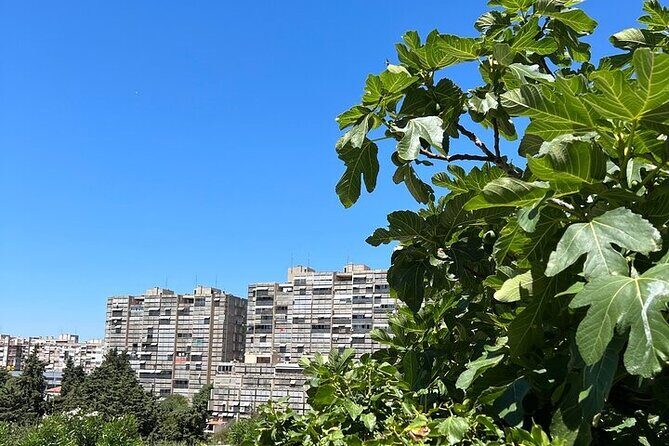
This tour offers a compelling look at Split’s modernist neighborhood—a side of the city that reveals how community, care, and innovative architecture can come together in concrete. It’s a thoughtful departure from typical sightseeing and provides a deeper understanding of how social ideals shape urban spaces.
If you’re passionate about architecture, interested in social history, or simply curious about different ways cities are built to serve their residents, this experience is well worth considering. The guided insights make it especially valuable, turning raw buildings into stories of hope, community, and design. Just remember, it’s a shorter, niche tour, so perfect for those who want a focused exploration rather than a comprehensive city overview.
In short, this tour is a must-do for anyone eager to see a different side of Split—one built for community, care, and bold design—beyond its ancient walls. It’s authentic, insightful, and invites you to see how architecture can reflect and shape social values.
More Tour Reviews in Split
More Split experiences we've covered
- The 15 Best Walking Tours In Split
- We Rank Split’s 14 Top Snorkeling Experiences
- Split’s 2 Top Shopping & Market Tours (With Prices)
- Split’s 11 Best Sailing Experiences (With Prices & Reviews)
- 15 Best Private Driver Services In Split (With Prices)
- 10 Best Photography Experiences In Split (With Reviews & Prices)
- Split’s 11 Top Lunch Experiences
- Which Split Historical Tours To Choose? Our Best 15 Picks
- Split’s 15 Best Full-Day Tours
- 15 Fantastic ATV & Quad Bike Tours In Split
- 4 Top 3-Hour Tours In Split (With Reviews & Prices)
- Our 4 Favorite Split Drinking Tours