
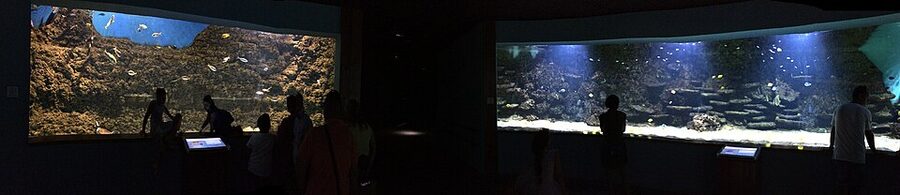
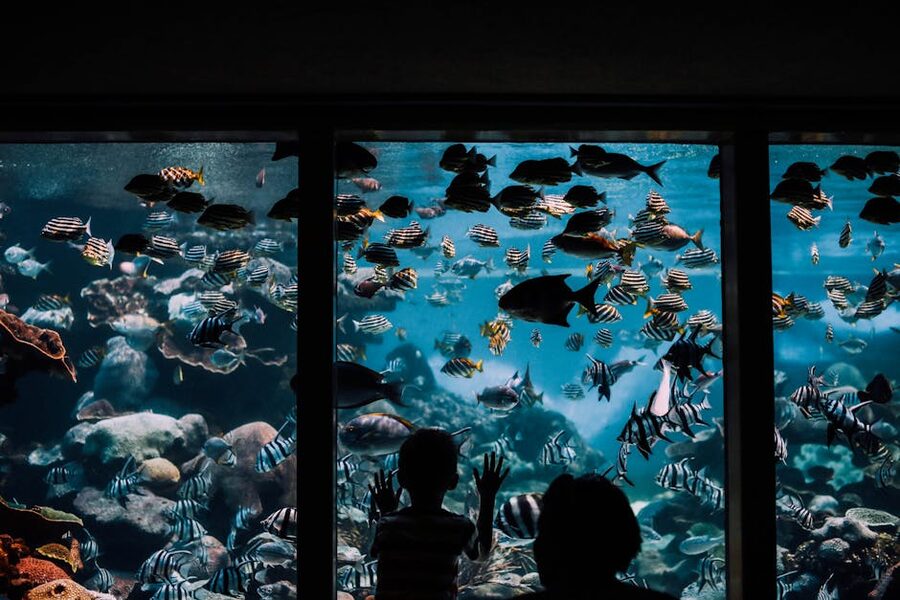
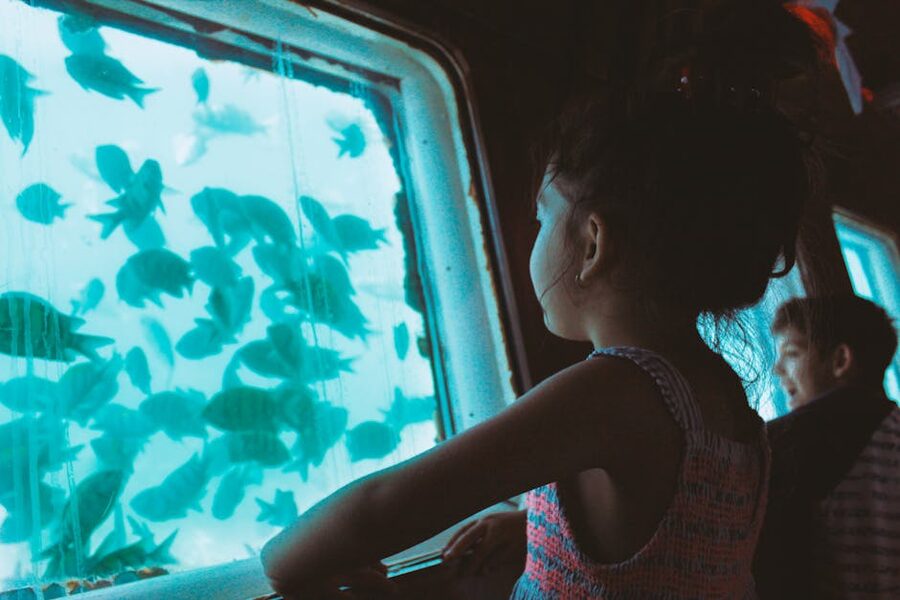
Our five-year-old pressed her nose against the main tank at the Seville Aquarium for what felt like ten minutes, silently tracking a lemon shark as it cruised past. No shouting, no asking for snacks, no checking if her sister was doing something more interesting. That’s the Seville Aquarium’s superpower — it’s small enough to feel manageable but big enough to genuinely impress, and it’s the single best “cool-down” stop you can do with kids on a hot Seville afternoon.
In a Hurry? Our Family Picks
Best family ticket: Seville Aquarium Admission Ticket (GetYourGuide) ($20) — skip-the-line, self-paced, 1,900+ reviews, 4.6 rating. Our default.
Viator alternative: Seville Aquarium Admission Ticket (Viator) ($20) — same attraction, different booking platform if you prefer Viator.
Pair with a cruise: Combine the aquarium with a Guadalquivir river cruise ($19) — both are riverside attractions, 10-minute walk apart.
- In a Hurry? Our Family Picks
- Why it works with kids
- What you actually see
- 1. Guadalquivir River tank (first stop, 10 min)
- 2. Atlantic coast shallows (10 min)
- 3. Tropical Atlantic (15 min)
- 4. Amazon section (10 min)
- 5. Jellyfish gallery (5-10 min)
- 6. The big Atlantic Ocean tank (20 min — main event)
- 7. Indo-Pacific tanks and ending (10 min)
- Our top picks to book
- 1. Seville Aquarium Admission Ticket (GetYourGuide) —
- 2. Seville Aquarium Admission Ticket (Viator) —
- 3. Natural pairing: Guadalquivir River Cruise —
- Getting there
- Timing
- Age-by-age take
- Practical tips
- Pairing with the rest of Seville
- Seville vs other Spanish aquariums
- Barcelona Aquarium comparison
- A short history
- What if it rains?
- Before you book, an honest list
Why it works with kids
Three reasons the Seville Aquarium consistently lands well:
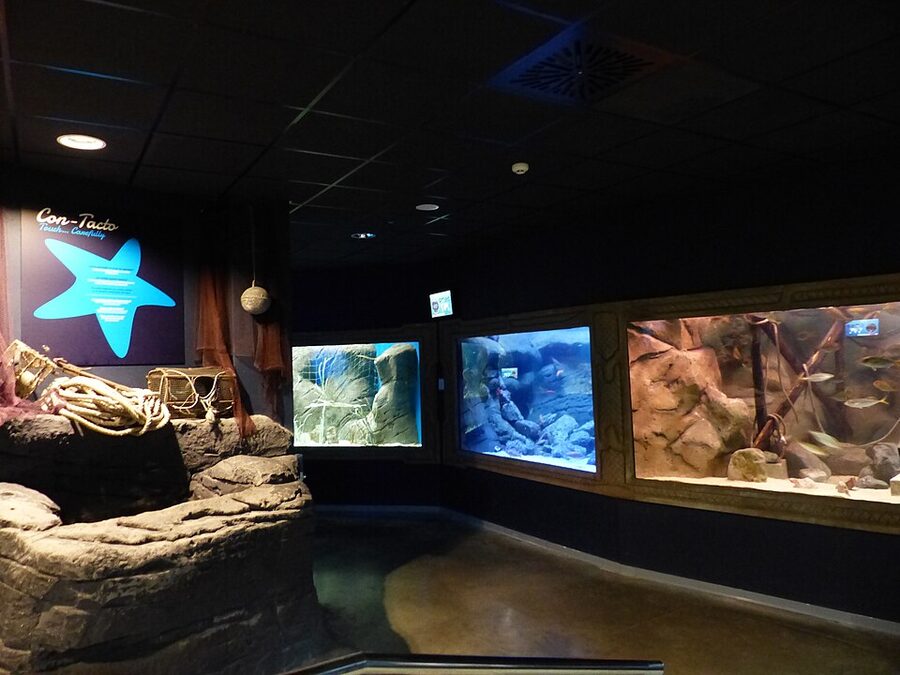
It’s indoor and cool. Seville summer hits 40°C. Most attractions (Alcázar gardens, Cathedral queues, river walks) offer no escape. The aquarium is air-conditioned and the tanks add a sense of cool water even when your phone’s telling you it’s still baking outside.
It’s short. You can do the whole aquarium in 90 minutes. It’s a full visit but not a full-day commitment. Perfect between big attractions.
It’s self-paced. No guided tour option really — you walk at your own speed, spend 10 minutes at a tank if the kids want, or breeze past if they’re bored. Most museums don’t give you this flexibility.
What you actually see
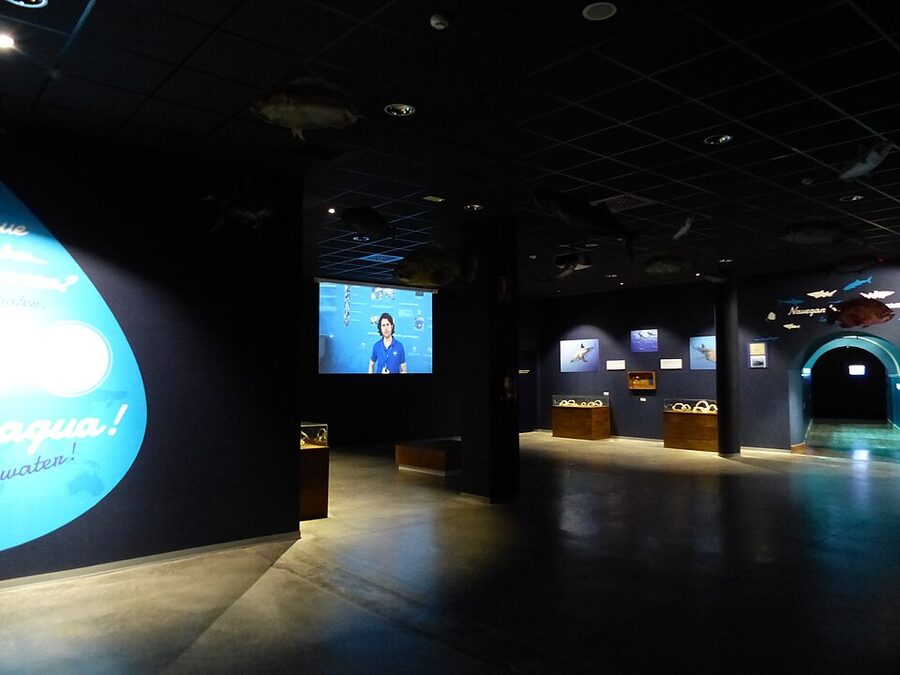
The aquarium is organised as a journey following the route of Magellan’s 1519 circumnavigation — Seville was his starting port. You move through different ecosystems as you walk. It’s a nice theme but kids won’t necessarily catch the structure; just know it’s why each section feels different.
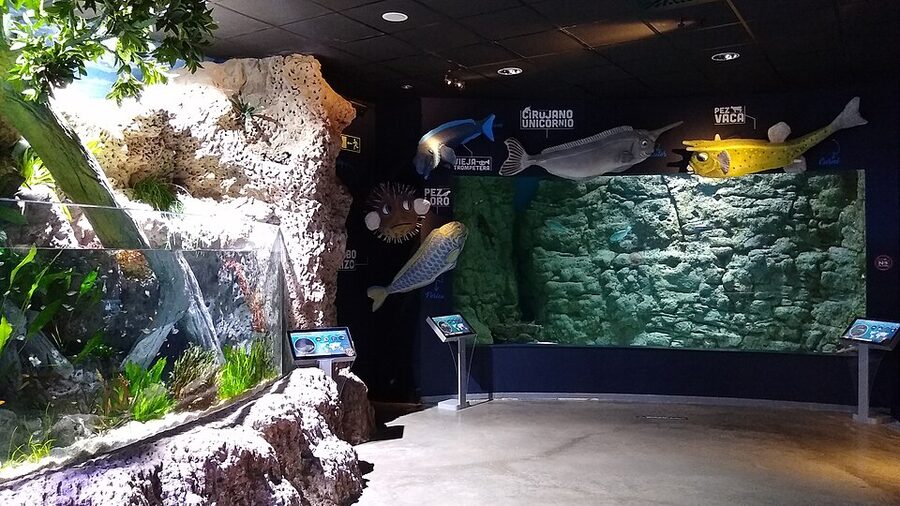
1. Guadalquivir River tank (first stop, 10 min)
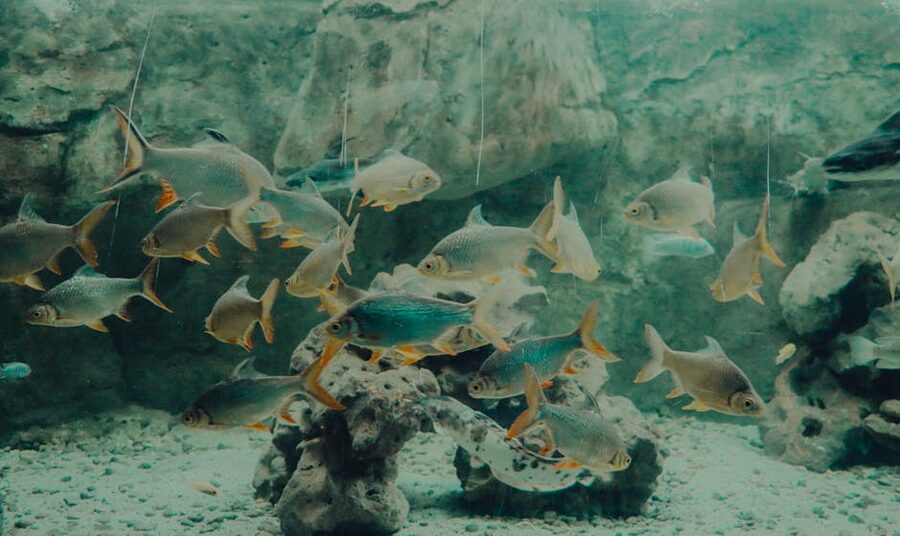
You start with a tank featuring the fish you’d find in the river outside — sturgeon, barbel, carp, Iberian species. Kids often skim this section because it’s not visually dramatic, but the framing (“fish from the river you can see through the window”) lands well with curious kids.
2. Atlantic coast shallows (10 min)
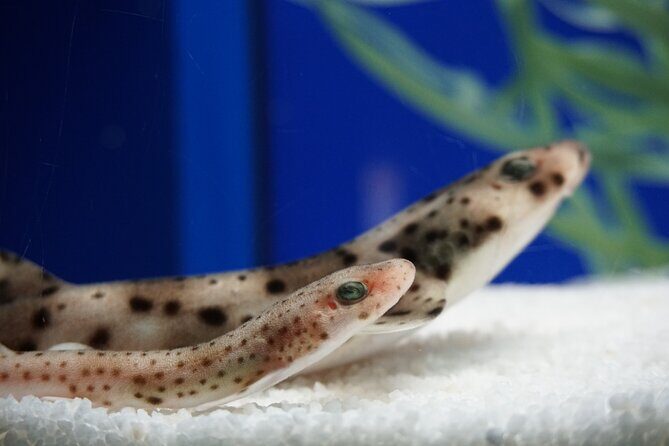
Tanks showing Spanish Atlantic coast life — octopus, crustaceans, small sharks, Iberian seabed fish. Touch pool here for kids to gently feel a starfish or two (supervised — the staff are attentive).
3. Tropical Atlantic (15 min)
The colour section. Coral reef tanks with bright tropical fish — angelfish, parrotfish, butterflyfish. Good backdrop for kid photos. If you’ve only got time to photograph one tank, this is the one.
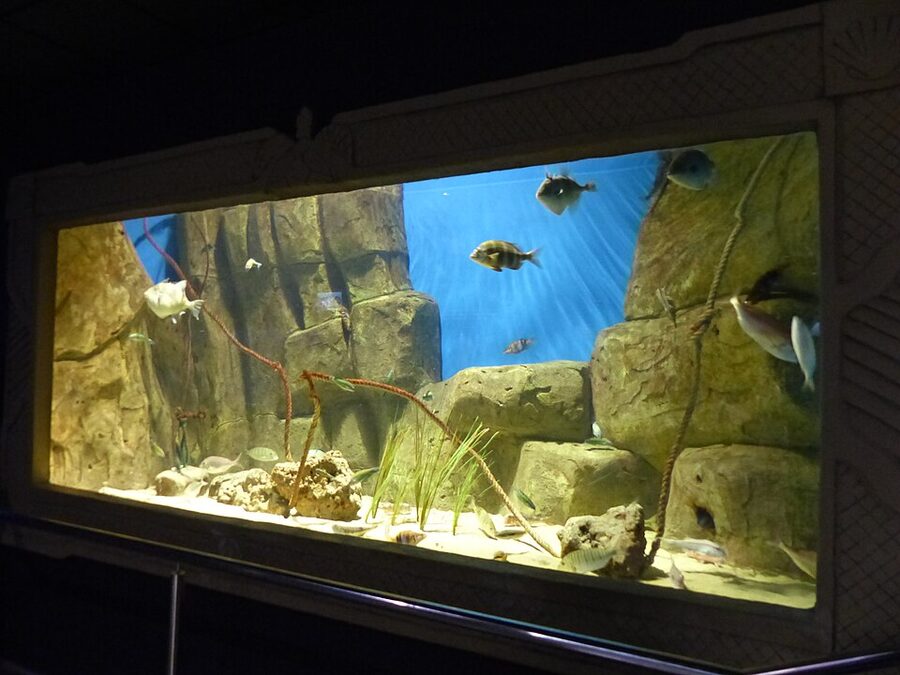
4. Amazon section (10 min)
Freshwater tanks representing the Amazon — piranha (kids’ dream/nightmare), giant arapaima, red-bellied piranhas in a feeding tank. There’s usually an aquarist feeding the piranhas once or twice a day; check the schedule at the entrance. The feeding frenzy is the single most exciting 90 seconds of the visit.
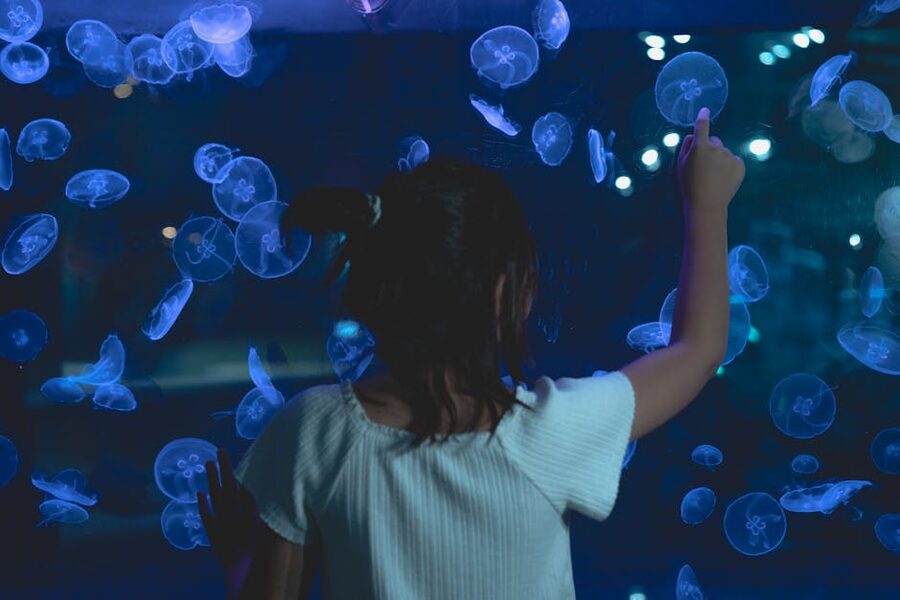
5. Jellyfish gallery (5-10 min)
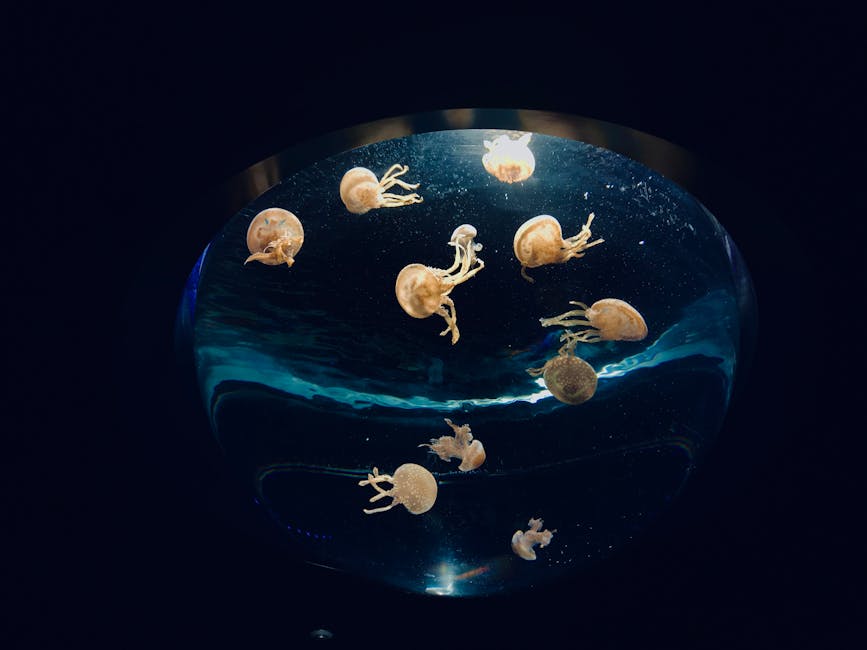
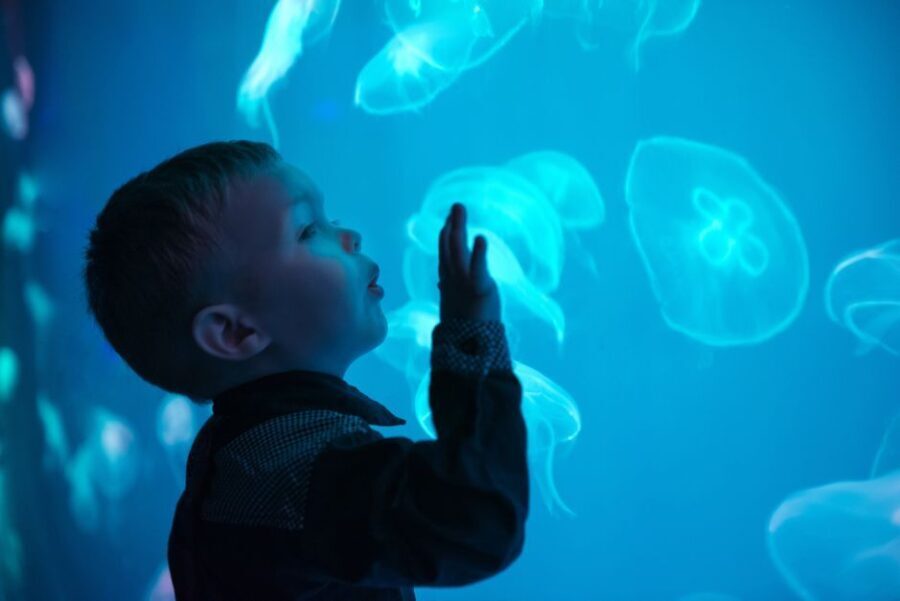
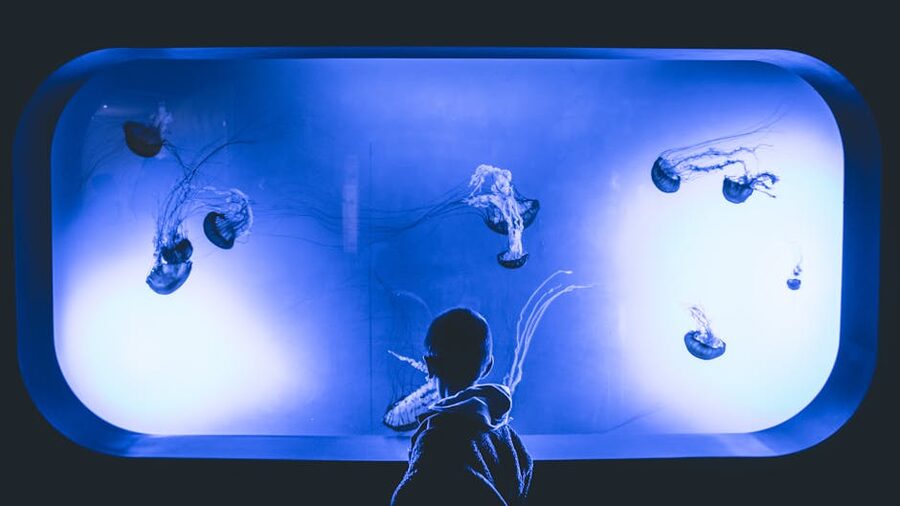
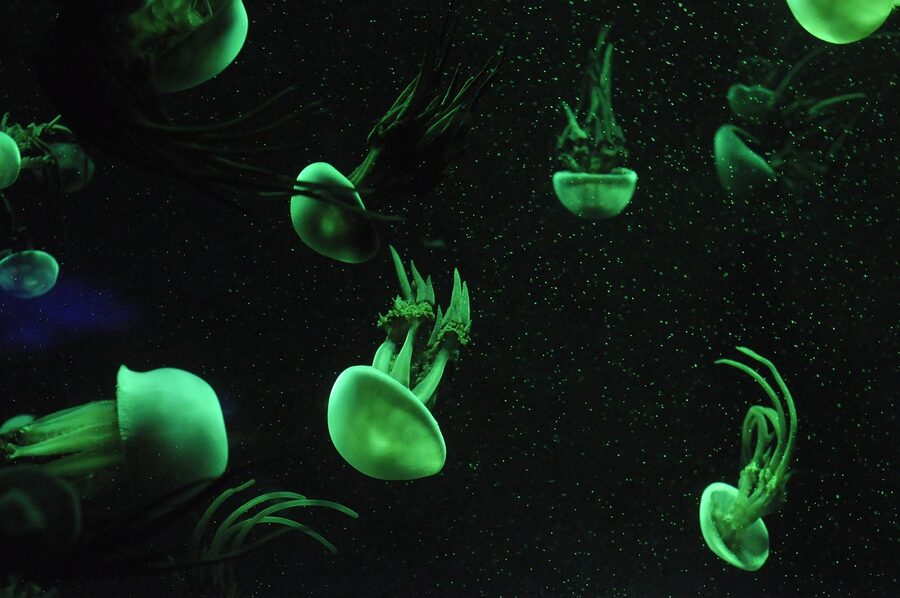
Small gallery with 4-5 cylindrical tanks of jellyfish under coloured lighting. Hypnotic for kids. Quick to walk through but tempting to linger.
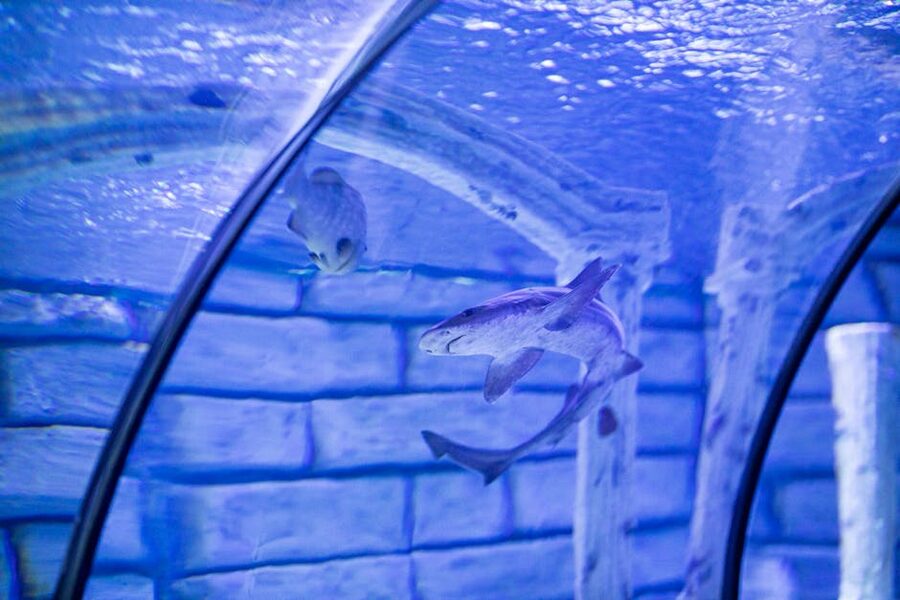
6. The big Atlantic Ocean tank (20 min — main event)
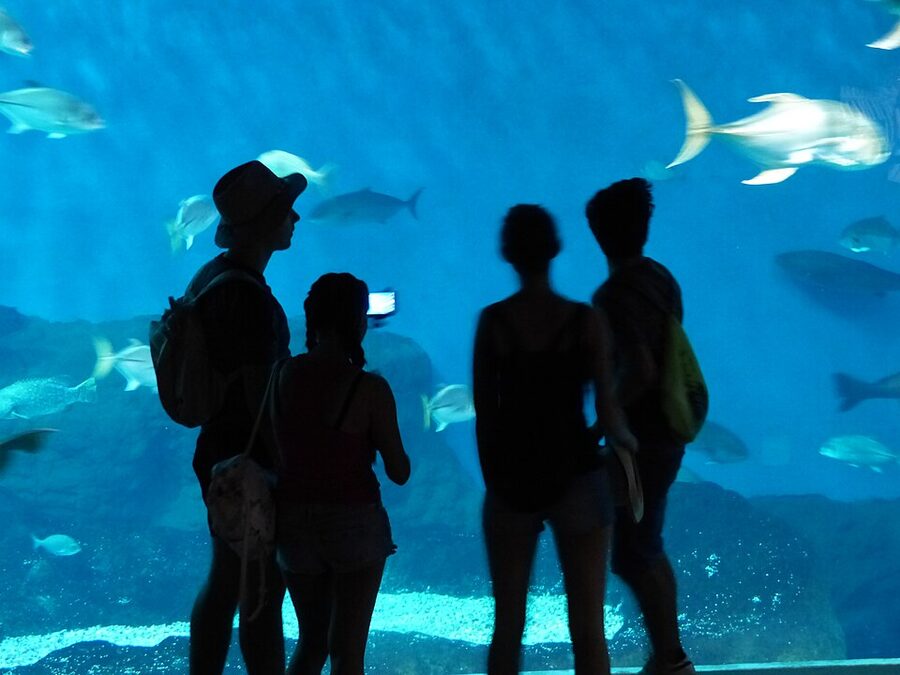
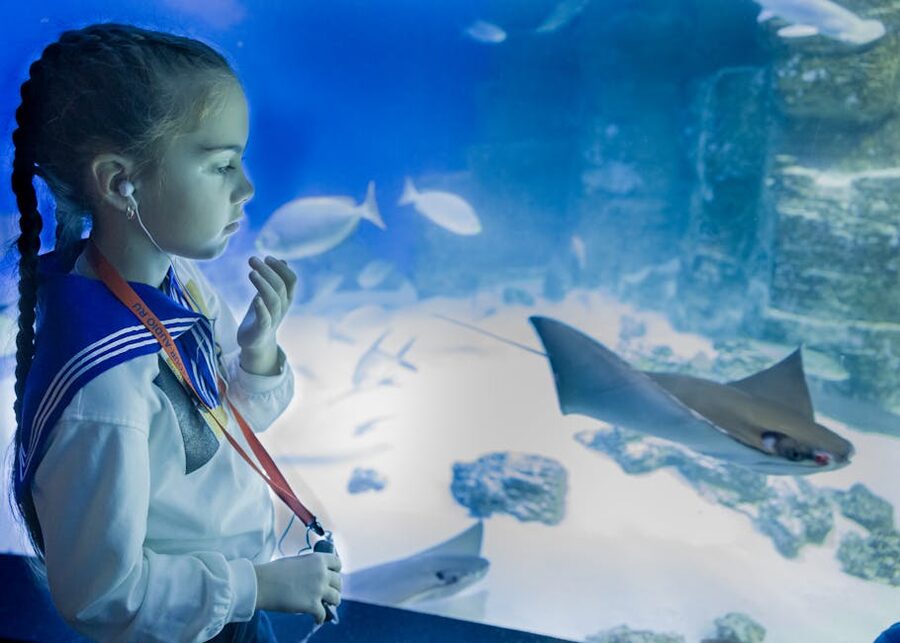
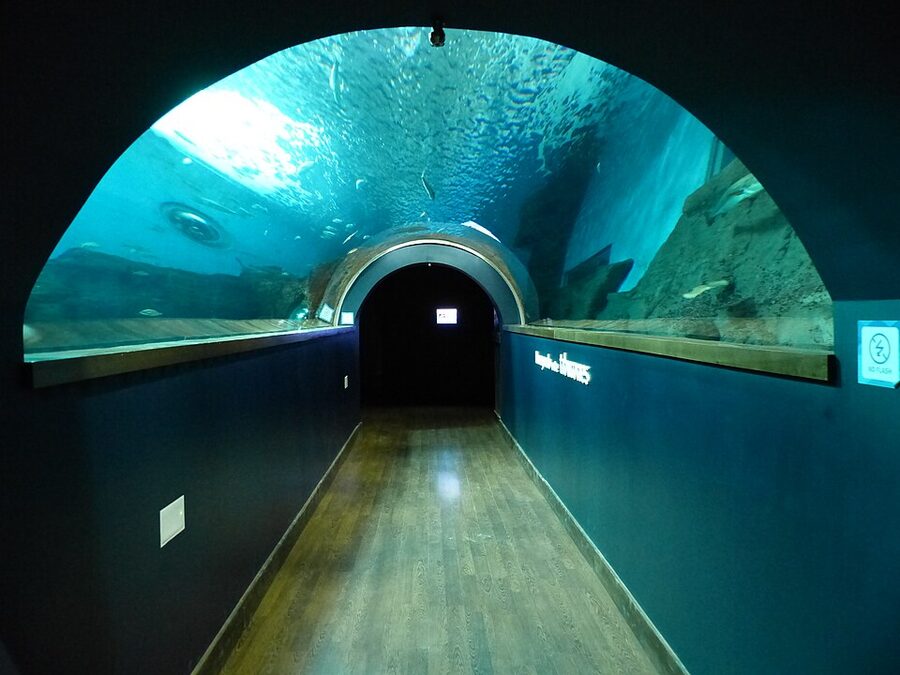
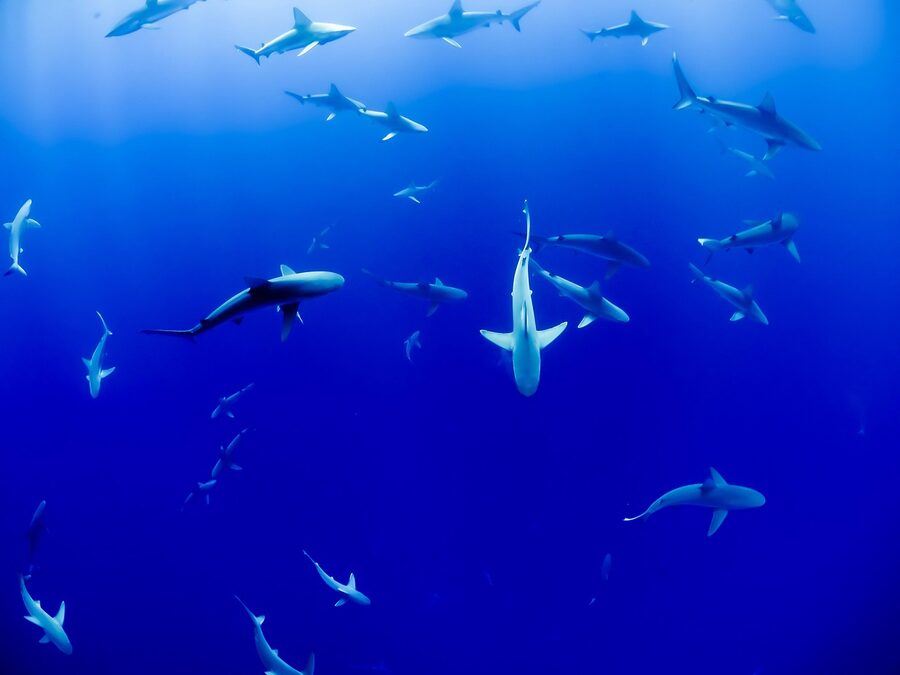
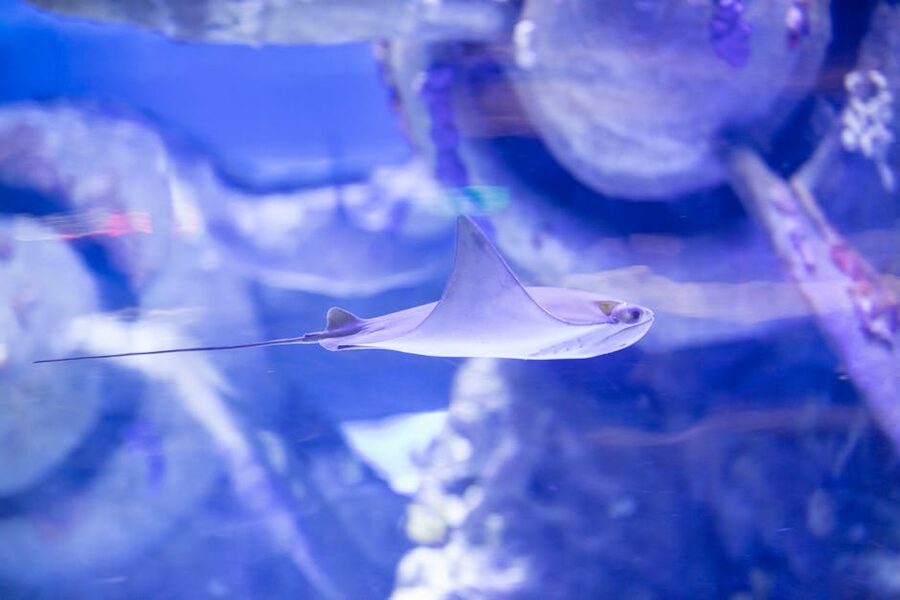
The 9-metre-deep, 2-million-litre tank is the headline attraction. You see it three times on the route — from above (surface level), from the side (main viewing gallery), and from underneath (walkthrough tunnel). Sharks, rays, a loggerhead sea turtle, and large pelagic fish live here.
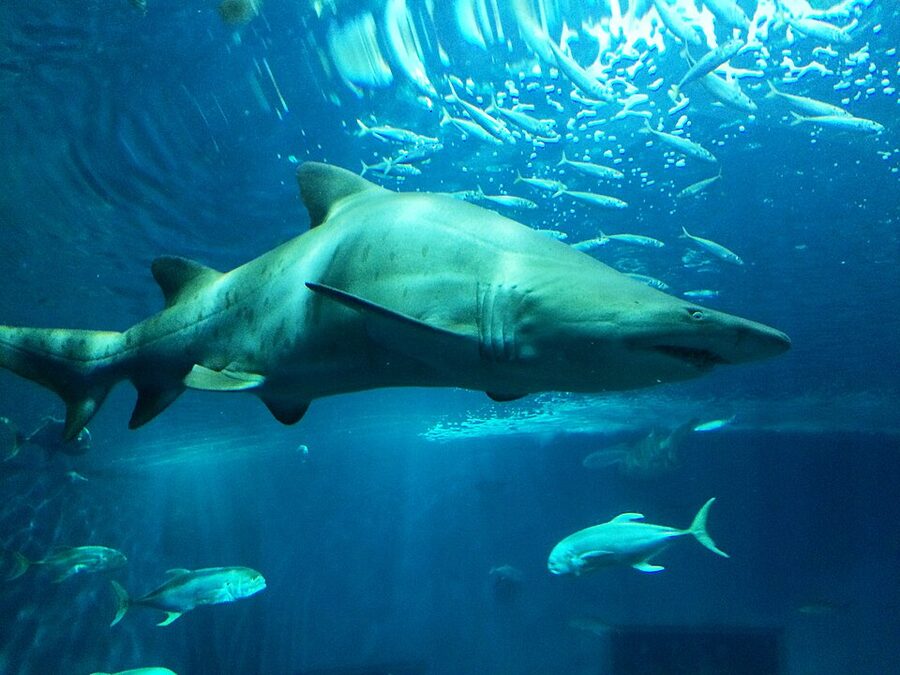
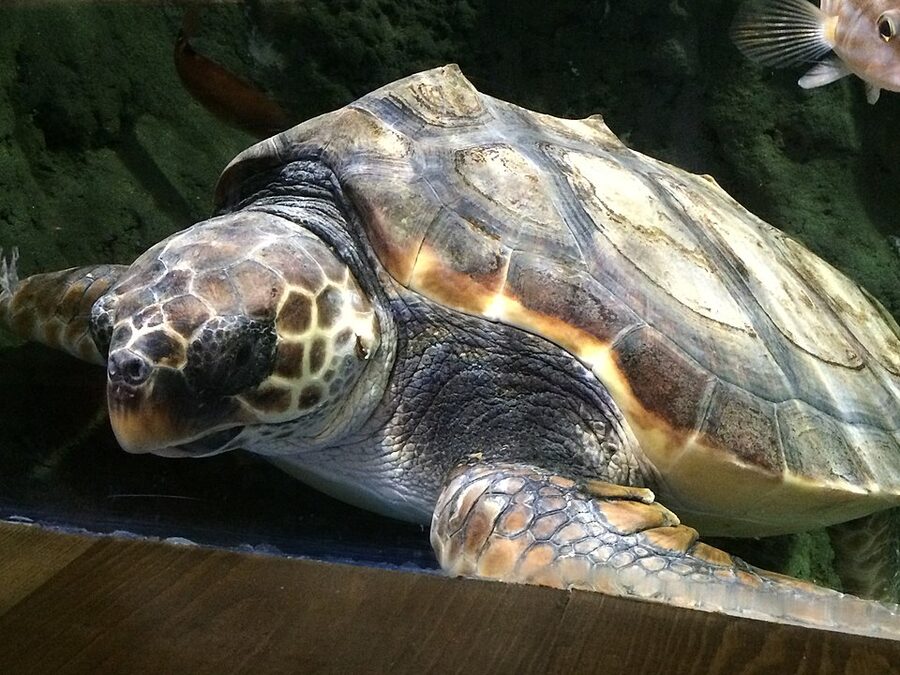
Allow plenty of time here. Kids will want to circle back for a second look. The tank is on the route so you’ll see it anyway — just don’t rush past on first pass.
7. Indo-Pacific tanks and ending (10 min)
Smaller tanks showing Pacific ecosystems — clownfish, anemones, seahorses. Nice coda to the main event. Exit is right after, via the gift shop (of course).
Our top picks to book
1. Seville Aquarium Admission Ticket (GetYourGuide) — $20
This is the one to book for most families. Skip-the-line is included — in summer the door queue can hit 30 minutes, so it’s worth the booking. Our Seville Aquarium ticket review covers which time slots are quietest and what the visit pace is like. Buggy-accessible throughout (lifts between levels). Kids under 3 are free.
2. Seville Aquarium Admission Ticket (Viator) — $20
If you’re a Viator regular, this is the equivalent ticket. No guided tour element; pure admission. Our Viator version review is honest about the small differences — GetYourGuide’s voucher system is slightly smoother for families with phone-based tickets; Viator is marginally cheaper on some dates. Either works.
3. Natural pairing: Guadalquivir River Cruise — $19
Since the aquarium only has two booking options (essentially the same ticket via different platforms), the smarter family combo is pairing the aquarium with our other favourite Seville water activity. See our full Guadalquivir river cruise guide for how to book and what to expect. Together they make a 2.5-hour riverside afternoon that costs under $40 for two adults.
Getting there
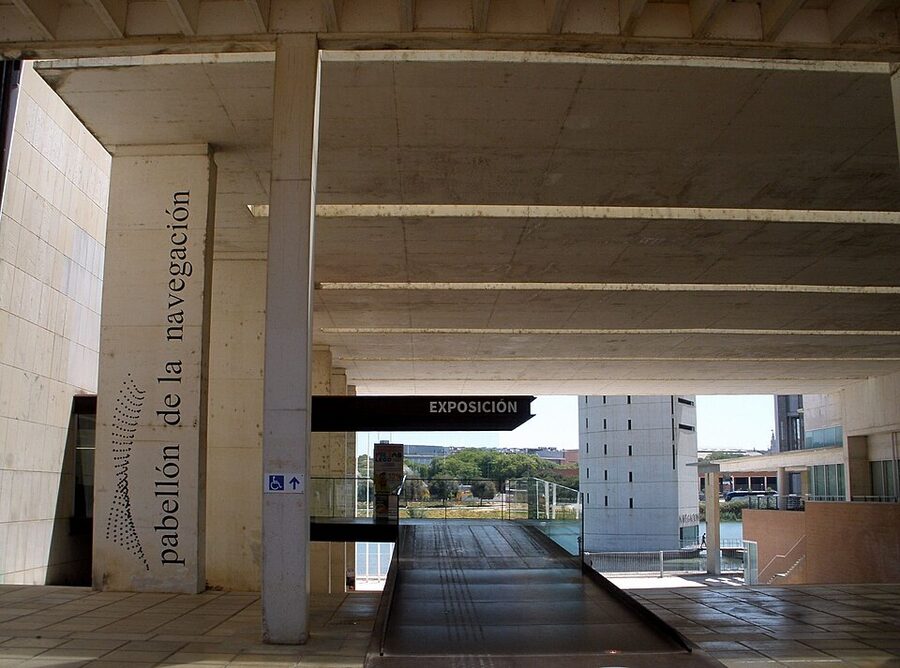
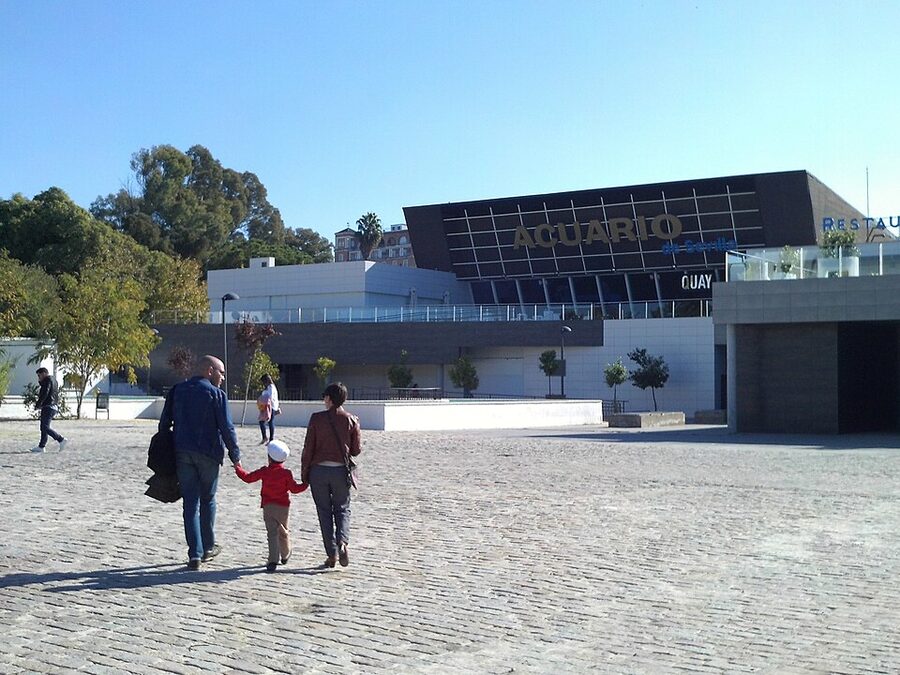
The aquarium is on the west bank of the Guadalquivir, inside the Pabellón de la Navegación. Walking distance from central Seville, but it’s on the opposite side of the river from Santa Cruz and most hotels.
Walking from central Seville: 15 minutes from Torre del Oro via the Puente de San Telmo bridge. The walk is flat, along the river, pleasant. Perfectly buggy-doable.
From Triana: 10 minutes’ walk south along the west bank.
Tussam bus 41 or C1: if walking’s not working, local buses stop at Pabellón de la Navegación.
Taxi/Uber: €5-8 from central Seville.
Timing
Open 10am-8pm in summer, 10am-6pm in winter. Closed on Christmas Day.
Best time slots:
10-11am: cool, empty, best for photos without crowds. Aquarists often feeding tanks at this hour.
1-3pm: our default summer slot. Siesta/lunch time on the outside, cool aquarium on the inside. Excellent midday escape.
5-6pm: afternoon cool-down. Crowded in summer.
Avoid weekends if you can — locals come on Saturdays and Sundays, and it’s a popular rainy-day destination.
Age-by-age take
Under 2: fine but keep expectations low. Some babies are mesmerised by the moving fish; others are indifferent. Buggies work throughout.
2-4: sweet spot. Tanks at eye-level, short visit, plenty of “fish!” pointing moments.
5-8: peak engagement. Sharks, jellyfish, tunnel walk, turtle sightings — all land brilliantly.
9-12: still engaging but shorter visit. The big tank and the jellyfish still land; the smaller tanks get skimmed.
Teens: 60 minutes is enough unless they’ve got a biology interest. The aquarium isn’t the best teenage activity in Seville.
Practical tips
Book online. Saves 15-30 minutes in summer. €20 online is the same as €20 at the door.
Visit 10am-noon or after 4pm in summer. The midday-to-3pm slot is when tour groups arrive and it gets busy.
Bring a cardigan. The aquarium is cold — air-conditioning plus fish-tank chill factor. Especially for kids who’ve been running around in Seville heat, the contrast can be sharp.
Skip the café. There’s a small café by the exit, but it’s overpriced and uninspiring. Eat at one of the Triana tapas bars on your walk back.
Photography. Phones and cameras allowed everywhere. Flash is banned — it doesn’t work through aquarium glass anyway and it startles the fish. Set your phone to night mode.
Accessibility. Fully accessible. Lifts between levels, wide corridors, buggy-friendly throughout.
Toilets. Yes, multiple. Baby-change facilities included. Clean.
Feeding times. Check the posted schedule at the entrance. Piranha feedings, shark feedings, and turtle feedings happen 1-2 times a day. Plan your visit around one of these if you can — they’re the highlights.
Gift shop. The exit funnels you through. Moderate prices. A plush shark is €10-15, aquarium-themed stationery €3-5. Prep kids for this.
Pairing with the rest of Seville
The aquarium is a perfect “middle of the day” filler. Best pairings:
Morning aquarium (10am) + walk over to Torre del Oro + lunch in Santa Cruz + afternoon Alcázar.
Morning Alcázar + lunch + afternoon aquarium (2pm) + evening flamenco show.
River day: river cruise in the morning + aquarium in the afternoon + Triana dinner. Full Seville waterside experience.
Rainy day fallback: aquarium + Cathedral + indoor lunch. All three are fully indoor and kid-manageable.
Seville vs other Spanish aquariums
If you’re planning Spain trip and wondering which aquarium to prioritise:
Barcelona is much bigger — one of Europe’s largest, 11,000 animals, underwater tunnel is 80m long. Best overall aquarium in Spain but it’s a half-day commitment.
Valencia’s L’Oceanogràfic is the absolute top — essentially a marine theme park. If you’re in Valencia, do this instead of anything smaller.
Madrid’s Zoo Aquarium is smaller and included in the main zoo ticket; see our Madrid Zoo & Warner Park guide for that.
Seville: mid-sized. Not as extensive as Barcelona, not as spectacular as Valencia — but perfectly pitched for families spending 1-2 days in Seville and wanting an indoor cool-down.
Barcelona Aquarium comparison
We’ve done both. Our Barcelona Aquarium + Zoo for families guide has the side-by-side comparison. Short version: Barcelona wins on scale and variety, Seville wins on cost and convenience. With kids under 7, the shorter visit format at Seville is actually preferable — Barcelona can overwhelm.
A short history
The Seville Aquarium is a relatively new attraction — it opened in 2014 inside the Pabellón de la Navegación, a building originally constructed for Expo 92. The pavilion sat mostly empty for 20 years after the expo closed, used for occasional exhibitions but otherwise under-used.
The aquarium concept came out of Seville’s desire to capitalise on its riverside position and its historical connection to global exploration — the Magellan circumnavigation theme is a deliberate tie-in. Design work started in 2010, construction in 2012, opening September 2014.
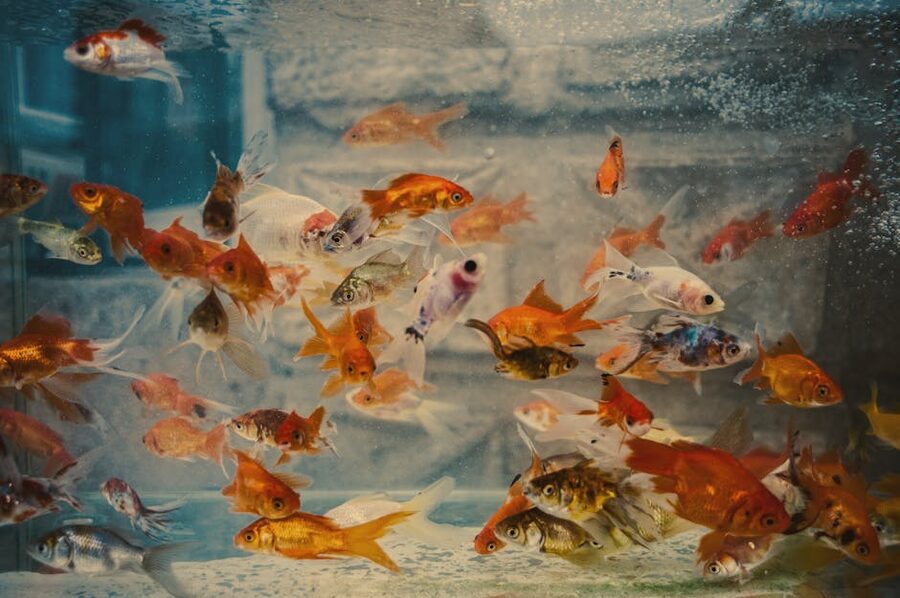
Today the aquarium holds 7,000 fish of 400 species across 35 tanks, including a 2-million-litre main tank with sand tiger sharks, loggerhead turtles, and stingrays. It’s operated by Aquarium Finisterrae, a company also running aquariums in A Coruña.
What if it rains?
The aquarium is entirely indoor. Rain doesn’t affect the visit at all. In fact it’s one of Seville’s top rainy-day destinations — plan for higher crowds if a storm hits and everyone has the same idea.
If the forecast says heavy rain, book the 10am slot the night before. You’ll beat the crowds that arrive later once they’ve given up on outdoor plans.
Before you book, an honest list
Book the aquarium if: you’ve got kids 2-10 and want a cool-down break from Seville heat or sightseeing fatigue.
Skip if: your kids are teens, or you’ve done a big Spanish aquarium (Barcelona, Valencia) this trip already.
Pair with: river cruise, Torre del Oro, or post-Alcázar cool-down lunch.
Budget: €20 per person, kids under 3 free. Expect €8-15 extra on the gift shop if your child has a favourite tank.
Timing: 90 minutes is the right visit length for most families. 2 hours if you linger on feeding shows.
Book the 10am slot, bring a cardigan, spend extra time at the big tank. Worth €20 of anyone’s Seville budget — possibly the best value cool-down in the city.