Exploring the 19th Century Photography Experience in Sintra
If you’re a history buff or just someone curious about old-school photography techniques, the 19th Century Photography Experience at Sintra is a fascinating way to step back in time—without needing a time machine. This tour promises an authentic chance to make your own wet plate collodion portrait, a process that’s as intricate as it is rewarding.
What drew us to this experience? For starters, we love how it combines learning and creating—you’re not just observing but actively participating in a craft that dates back nearly 170 years. Plus, the setting at Five Historic Photography Studio, filled with antique cameras and period furniture, really transports you.
However, one thing to consider is that this experience isn’t accessible to wheelchair users, and the process involves some patience—it’s not a quick selfie. That said, it’s ideally suited for those with an interest in photography, history, or anyone who appreciates handcrafted art. If you’re looking for a memorable, hands-on activity that offers more than just sightseeing, this could be just your thing.
Key Points



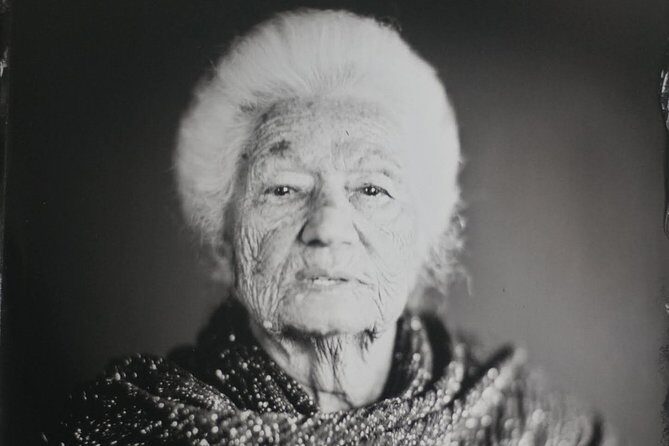
- Authentic historical process: You’ll learn and participate in wet plate collodion photography, an early photographic technique.
- Creative keepsake: You get to leave with a unique tintype portrait, crafted in a style from the 1850s.
- Learn from experts: The hosts guide you through the entire process, from creating the plate to developing it in the darkroom.
- Cultural and visual immersion: The studio’s antique equipment and period costumes enhance the overall vibe.
- Time commitment: The entire experience lasts about an hour, with plates ready for collection an hour after the shoot begins.
- Limited accessibility: Not suitable for those with mobility challenges or young children under 6 due to exposure times.
👉 See our pick of the 7 Must-Try Workshops & Classes In Sintra
The Experience in Detail
The tour begins with you meeting at a cozy studio near Sintra Railway Station. From the outset, the hosts make you feel comfortable and eager to learn. They walk you through the history and significance of the wet plate collodion process, invented in 1851 by Frederick Scott Archer. This gives you a solid grounding in why this technique was revolutionary and how it differs from modern digital photography.
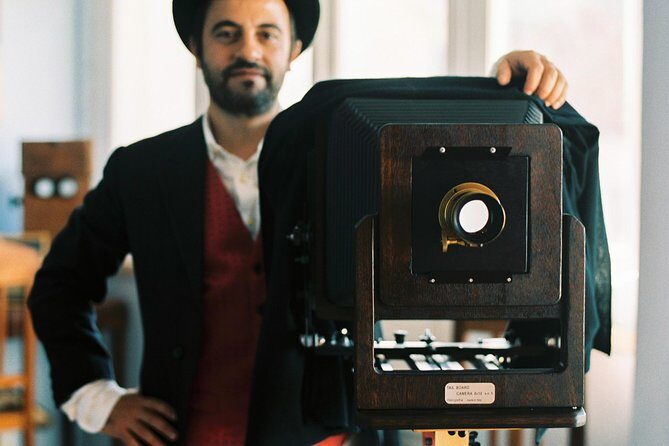
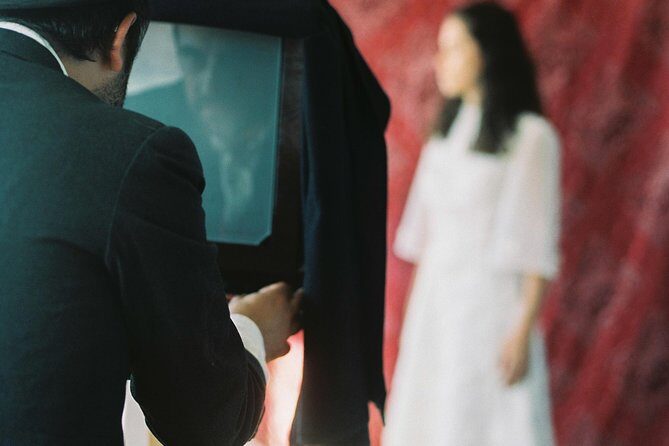
Once you’re familiar with the background, you’ll don period-appropriate clothes and props if you wish—these are available to help you feel part of the era. This isn’t just a quick snapshot; it’s a crafted portrait, requiring patience and precision. You’ll be positioned in front of antique cameras, and the process will be explained step-by-step to make sure you understand each part.
The process itself is slow and deliberate. You’ll actually help prepare the liquid chemicals, coat the aluminum plates, and carefully expose them to light. The exposure time can be up to 10 seconds, making it more like a posed, thoughtful experience rather than a spur-of-the-moment selfie. The guides emphasize safety and technique, ensuring you grasp the delicate nature of the process.
While you wait for your plates to develop, which takes roughly an hour, you can explore the darkroom with the hosts. Watching the plates emerge from the chemicals offers a real “aha” moment—seeing the photograph come to life in real time. It’s a glimpse into a labor of love that photographers of the 19th century would have been familiar with.
Once your tintype is ready, you’ll be able to pick it up—an instant piece of history you’ve helped create. The finished portrait has a distinct vintage charm, with each image boasting unique qualities because no two wet plate images are exactly alike.
You can also read our reviews of more photography tours in Sintra

The Setting and Atmosphere
The studio’s ambiance is one of its biggest draws. Filled with antique cameras, furniture, and literature on 19th-century photography, the space feels like a step back in time. The hosts are friendly and knowledgeable, adding to the experience’s authenticity. Their passion for photography and history shines through, making the entire session feel educational yet personal.
It’s worth mentioning that the studio is not wheelchair accessible, which might limit some visitors. Also, children under 6 are discouraged because of the exposure times involved—you’ll want to check whether your little ones are up for a slow, sometimes quiet process.
Practicalities and What You’ll Take Home
The tour lasts about an hour, and you’ll spend most of that time actively engaged in the process. The plates are ready to pick up roughly an hour after the shoot, so you won’t leave empty-handed. The cost is $47.43 per person, which might seem a bit steep for just an hour, but considering the hands-on learning, the historic value, and the personalized keepsake, it’s pretty fair.
The experience is designed as a private tour, so your group gets undivided attention—ideal for those wanting a personalized touch. Plus, it’s booked roughly 90 days in advance on average, so planning ahead is wise.
How This Experience Stands Out
Reviewers consistently praise the knowledgeable guides and the stunning, one-of-a-kind portraits they leave with. One reviewer called it an “amazing concept” with a “truly one-of-a-kind memento,” emphasizing the blend of learning and creating. Others appreciated how much they learned about the process, describing it as an “incredible learning experience” and a chance to see history come alive.
The process itself is slow, and some might find it a bit challenging to sit still for the exposure times, but most found that the patience was rewarded with a special artifact and a greater appreciation for early photographic techniques.
Who Will Love This?
This experience is perfect for anyone interested in photography, history, or vintage crafts. It’s a thoughtful activity for those who want a meaningful souvenir—something more personal than a typical tourist photo. It’s also well-suited for adults and older children (over 6), especially those willing to spend some time learning and waiting.
If you prefer fast-paced, high-energy activities or need wheelchair accessibility, this might not be the right fit. But for travelers craving a slower, more tactile experience—one that connects you to the roots of modern photography—this could be a highlight of your trip.
Final Thoughts
The 19th Century Photography Experience in Sintra offers a compelling glimpse into the past, blending education and art in a way that’s rarely available in such an intimate setting. The chance to create your own vintage photograph, guided by passionate experts, makes it a meaningful addition to any itinerary.
While it’s not the quickest activity—thanks to the time-consuming nature of wet plate development—this is exactly what makes it memorable. The process fosters appreciation for the craftsmanship that went into historic photography and gives you a tangible, beautiful keepsake from your visit.
If you’re curious about the origins of photography or simply want a unique story to tell, this tour hits the right notes. It’s a wonderful choice for those who value handmade art, history, and hands-on experiences, making your trip to Sintra that much richer.
19th Century Photography Experience
FAQ
Is this experience suitable for children?
Children under 6 are discouraged because of the long exposure times required for the photos. Older children with patience might enjoy watching and learning about the process.
How long does the whole experience last?
It lasts about an hour, with plates ready for collection roughly an hour after the start. Expect to spend most of your time actively participating or observing.
Can I see the development process?
Yes, you’re encouraged to follow the guides into the darkroom to watch your photograph being developed, which is a highlight for many guests.
What should I wear?
Comfortable clothing is fine, but since you’ll be in a studio setting, casual attire is perfectly suitable. If you want to dress in period clothes, those are provided and optional.
Is this experience accessible for everyone?
No, the studio is not wheelchair accessible, and the process involves some physical handling of chemicals and equipment.
How many people can participate at once?
It’s a private experience for your group only, so it’s ideal for small groups or couples wanting a personalized activity.
What’s included in the price?
Your participation, instructions, period costumes and props if desired, and your final tintype portrait.
Do I need to book in advance?
Yes, booking about three months in advance is recommended, as it’s a popular activity and only available privately.
Where does the experience take place?
At the studio near Sintra Railway Station, in a setting full of antique cameras and period furniture.
Is transportation provided?
No, you’ll meet directly at the studio; nearby public transportation makes access straightforward.
This experience gets a wholehearted thumbs-up for its originality, educational value, and the tangible souvenir you walk away with. If you’re in Sintra and want something truly different from the usual sightseeing, give this a serious thought—you might just end up with a story and a photograph that will last forever.