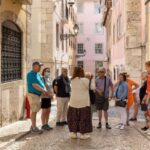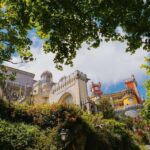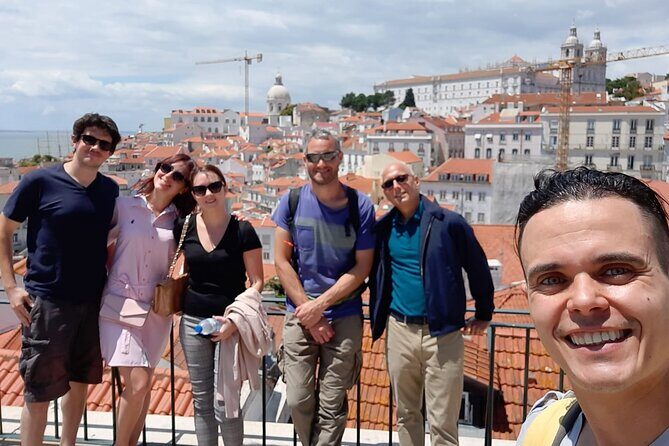
This 2.5-hour walking tour through Alfama and Mouraria delivers serious value at just €1.25 per person. You’re getting a guided exploration of Lisbon’s oldest and most atmospheric neighbourhoods, led by knowledgeable locals who genuinely care about sharing their city’s stories. The tour hits 12 major stops, from the Statue of D. Jose I down to the charming streets where fado music was born, with multiple viewpoints that showcase some of the city’s best vistas.
What makes this experience particularly worthwhile is the caliber of the guides. Names like Tiago, Walter, Jose, and Kate appear repeatedly in traveller feedback, and they’re not just reading from scripts. These guides bring personality and depth to the history, with many going beyond the basics to suggest local restaurants, point out architectural details, and share personal perspectives on the neighbourhoods. You’re also getting a small group experience with a maximum of 20 people, which means you’ll actually hear what’s being said rather than being herded around like cattle.
The main consideration is the physical demands. This tour involves substantial climbing through hilly terrain with plenty of stairs. While guides pace things thoughtfully with frequent stops, you should come prepared with comfortable shoes and realistic expectations about the elevation changes. This isn’t a leisurely stroll—it’s an active exploration of a city built on hills.
- The Real Cost of This Tour
- Starting at the Heart of Lisbon
- The Casa dos Bicos and Medieval Architecture
- Wandering Through Alfama’s Maze
- The Cathedral and Its Quiet Significance
- The Viewpoint Experiences
- Mouraria and the Birthplace of Fado
- Igreja de São Vicente de Fora and the Final Stop
- Navigating the Logistics
- The Guide Matters
- The Weather Factor
- Managing Expectations About Free Admission
- Who Should Book This Tour
- The Value Question
- Should You Book This Tour?
- FAQ
- Do I need to book in advance?
- What should I wear and bring?
- Is this tour suitable for children?
- What happens if the weather is bad?
- How much should I tip the guide?
- Will I be able to enter the churches and castle?
- What’s included in the €1.25 price?
- Is there a maximum group size?
- How do I find the guide at the start?
- The Best Of Lisbon!
- More Tours in Lisbon
- More Tour Reviews in Lisbon
The Real Cost of This Tour
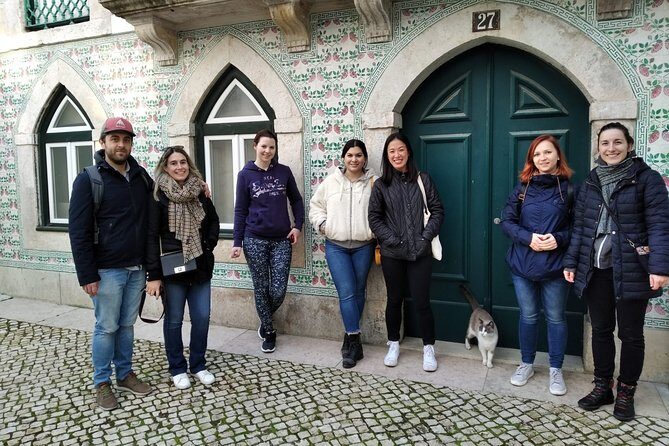
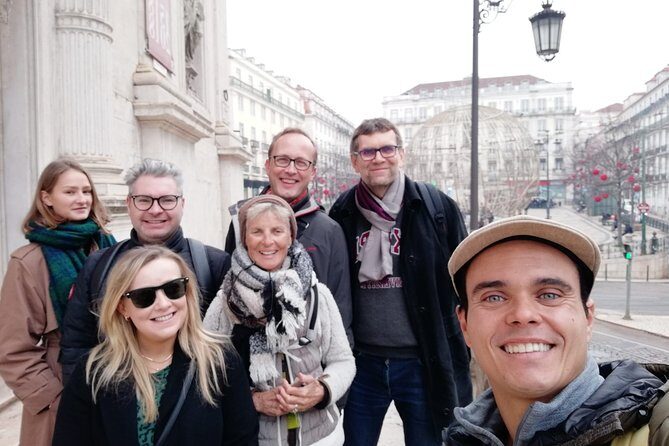
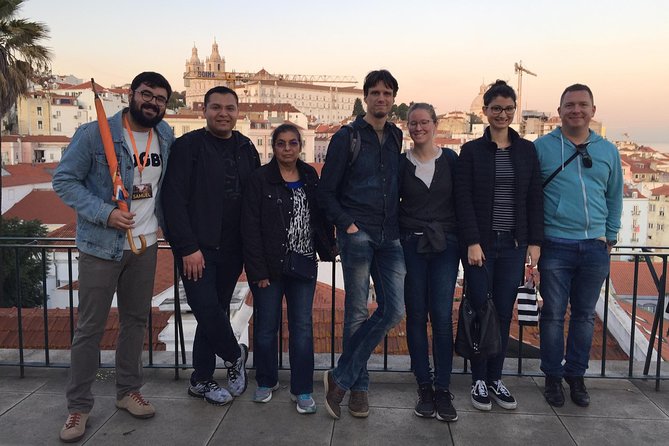
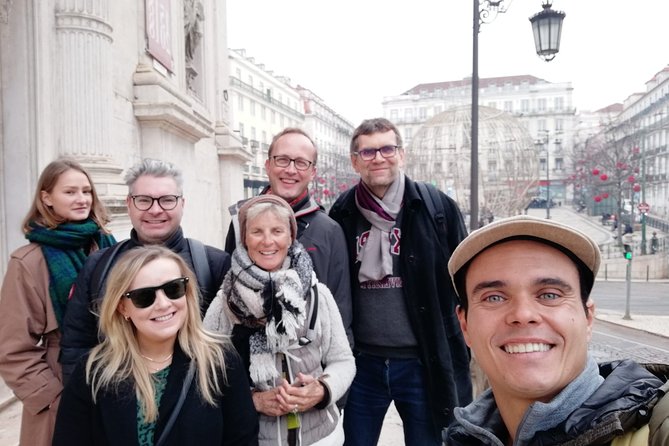
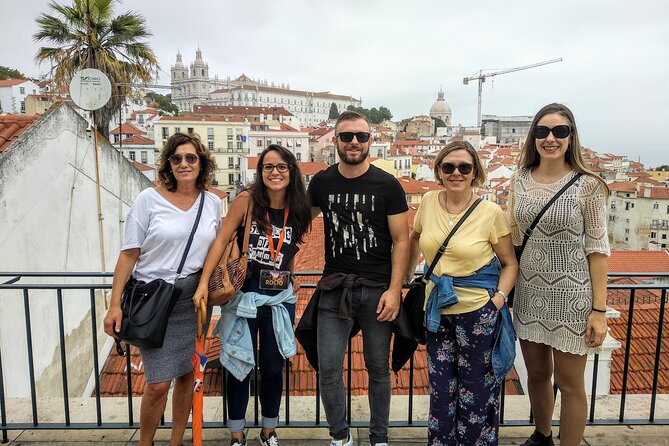
At €1.25 per person, you’re looking at one of the cheapest guided experiences in Lisbon. To put this in perspective, most walking tours in European cities run €20-40 per person. The low price point does raise a natural question: what’s the catch? The answer is straightforward—this is a tip-based model. The company operates on the assumption that satisfied travellers will contribute additional money at the end. This actually works in your favour if you value authenticity. Guides are motivated by genuine service rather than hitting sales targets, and the low barrier to entry means you can participate without financial risk if the experience doesn’t click.
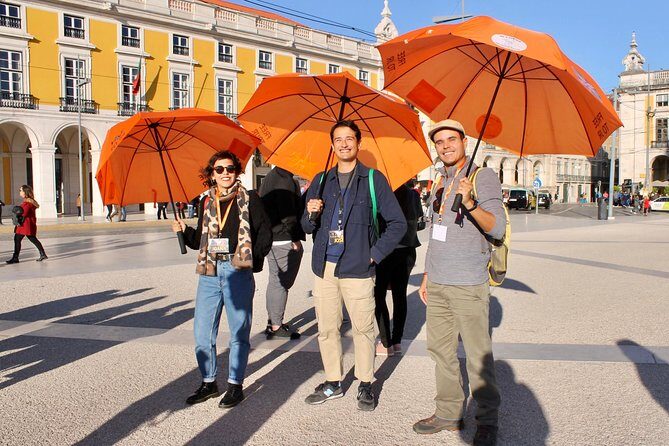
The mobile ticket system keeps things simple. You book online, get confirmation immediately, and show up at Praça do Comércio at the start time. There’s no complex check-in process or paperwork. The company asks you to look for guides holding orange umbrellas, which is a practical detail that helps in a crowded square.

👉 See our pick of the 14 Of The Best Walking Tours In Lisbon
Starting at the Heart of Lisbon
Your tour kicks off at Praça do Comércio, one of Lisbon’s most important squares. This isn’t accidental—it’s the geographical and historical heart of the city. You’ll get context about the 1755 earthquake and how this square was rebuilt, setting the stage for understanding how Lisbon evolved. The 10-minute stop here serves as an orientation point rather than a deep dive, which works well because the real magic unfolds as you move into the older neighbourhoods.
From there you’ll head to the Church of St. Anthony, which sits on the birthplace of Saint Anthony of Padua. The church itself is modest, but the significance runs deep in Portuguese culture. Your guide will fill in these cultural details that transform a simple stone building into a meaningful historical marker.
You can also read our reviews of more tours and experiences in Lisbon.


The Casa dos Bicos and Medieval Architecture
The Casa dos Bicos is one of Lisbon’s oldest surviving houses, built in distinctive Manueline style with its characteristic diamond-shaped stone pattern. This is the kind of architectural detail that matters. The house now functions as a museum, and your guide will explain why this particular building style represents a crucial moment in Portuguese history. You won’t go inside (the tour keeps moving), but you’ll understand what you’re looking at rather than just snapping a photo and moving on.
Wandering Through Alfama’s Maze
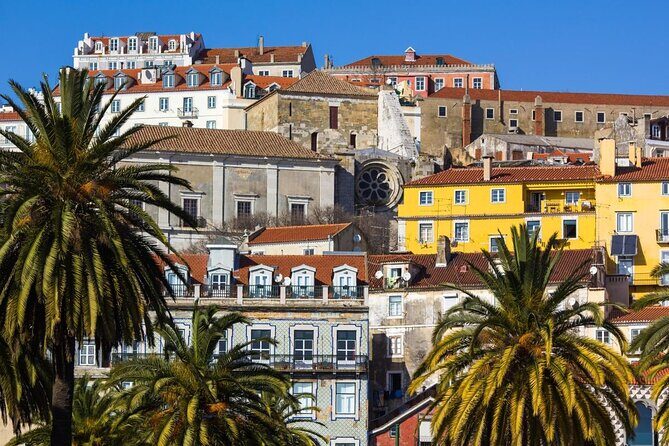
The 20-minute walk through Alfama is where the tour really earns its reputation. This is the neighbourhood that survived the 1755 earthquake while much of Lisbon crumbled. The streets wind in ways that seem to defy logic, with sudden staircases, hidden squares, and laundry strung between buildings. Your guide will navigate these passages while explaining the neighbourhood’s evolution from a Moorish settlement to a working-class fisherman’s quarter to its current status as a tourist draw.
What makes this section special is that you’re not just looking at pretty streets—you’re understanding the why behind what you see. The narrow alleyways served defensive purposes. The proximity of buildings kept things cool. The layout reflects centuries of practical living. Multiple guides mention how much they enjoy sharing these insights, and it shows. You’ll probably overhear conversations about fado music, the culture of the neighbourhood, and why certain areas have transformed while others remain authentically residential.
The Cathedral and Its Quiet Significance
Lisbon Cathedral is the oldest church in the city, dating back to the 12th century. The 10-minute stop here gives you time to appreciate the Romanesque architecture without the pressure of a lengthy tour. One reviewer mentioned learning details they wouldn’t have discovered on their own, which speaks to how guides contextualize these sites. The cathedral has endured earthquakes, fires, and centuries of change, and your guide will explain what you’re seeing rather than leaving you to guess.
The Viewpoint Experiences
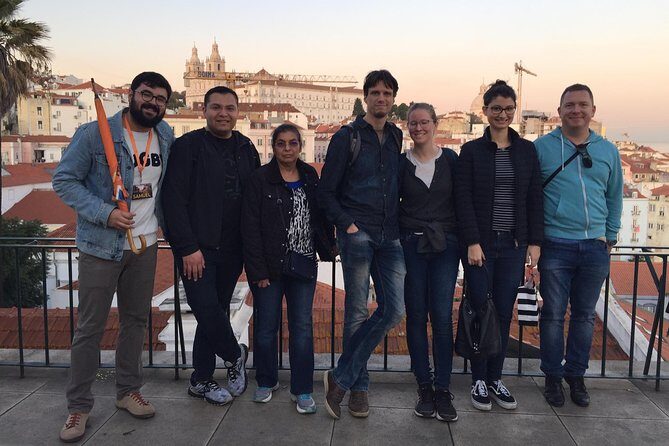
The tour includes three distinct viewpoint stops: Miradouro das Portas do Sol, Miradouro de Santa Luzia, and views around Castelo de São Jorge. These aren’t throwaway photo ops—they’re strategically positioned to show you how the city spreads across its hills. Each viewpoint reveals something different about Lisbon’s geography and layout. Multiple guides earn praise for finding shade during hot days and allowing adequate time for photos without rushing. One traveller specifically mentioned a guide who managed the group expertly on a very hot day, incorporating breaks and shade strategically.
The Castelo de São Jorge, the Moorish castle from the 8th century, gets a brief 5-minute stop. You won’t climb up to the castle itself (that would require separate admission), but you’ll see it from below and get historical context about its role in the city’s defense.
Mouraria and the Birthplace of Fado
The 20-minute exploration of Mouraria takes you to another historically significant neighbourhood. This is the area where fado music originated, the melancholic folk style that defines Portuguese culture. Your guide will explain the connection between the neighbourhood’s working-class character and the emotional depth of fado. You might not hear live music during the tour, but you’ll understand the cultural context that makes fado more than just entertainment—it’s a historical expression of a community’s experiences.
The Monumento Mouraria Berço do Fado marks this significance. The neighbourhood itself, like Alfama, has winding streets and a sense of community that survives despite tourism. One traveller mentioned trying cherry liquor in a chocolate cup sold by a street vendor during the tour—these authentic encounters happen when guides know the neighbourhoods well enough to introduce you to local commerce and traditions.
Igreja de São Vicente de Fora and the Final Stop
The tour ends at Igreja de São Vicente de Fora, the church built in honour of Saint Vincent. This 1-minute stop serves as a conclusion point rather than a major attraction, and it makes sense logistically since it’s near Praça do Rossio, where the tour finishes. You’ll likely be near other major Lisbon attractions at this point, making it easy to continue exploring on your own.
Navigating the Logistics
The tour runs in English and requires booking roughly 17 days in advance on average, though availability varies. You’ll need to show up at Praça do Comércio at your scheduled time. One important detail from the reviews: follow the meeting point instructions carefully. There was one instance where a traveller went to the finish point instead of the start, creating confusion. The guides don’t walk around looking for people—you need to find them at the specified location.
The maximum group size of 20 people is genuinely small for a walking tour. This keeps things manageable and ensures you can actually hear your guide without straining. Public transportation is nearby if you need it, and the tour is accessible for most fitness levels, though the hills are unavoidable.
The Guide Matters
Your experience will largely depend on who leads your tour. Names that appear frequently in positive reviews include Tiago, Walter, Jose, Kate, Rita, and Ann-Elisa. These guides consistently earn praise for knowledge, personality, and attentiveness. Tiago specifically gets mentioned multiple times for his ability to break up the uphill sections into manageable stages and his friendliness. Walter earns compliments for his animated delivery and architectural knowledge. Jose gets props for perfect pacing and accommodating the group’s needs.
This doesn’t mean other guides are bad—it just means the company has developed a culture where guides take pride in their work. The fact that guides respond personally to reviews and the company engages with feedback suggests they care about quality. However, you’re participating in a tip-based model, so guide quality directly affects what you might choose to contribute at the end.
The Weather Factor
The tour requires good weather. If conditions turn poor, you’ll be offered a different date or full refund. This matters because much of the value comes from the viewpoints and walking through atmospheric neighbourhoods. On a rainy day, Alfama’s charm diminishes somewhat, and the views disappear entirely. Plan this tour for when weather looks stable.
Managing Expectations About Free Admission
One reviewer mentioned frustration because some sites listed as free actually charged admission. To clarify: the tour itself visits these locations and you can see them from the outside, but entering churches or the castle requires separate tickets. Your guide will explain this clearly. The tour is designed to give you context and show you the neighbourhoods—it’s not a skip-the-line pass into attractions.
Who Should Book This Tour
This experience works best for history enthusiasts who appreciate context, people visiting Lisbon for the first time who want to understand the city’s oldest areas, and anyone interested in Portuguese culture and architecture. The physical demands mean it suits people with decent fitness levels. Solo travellers particularly benefit—one reviewer mentioned how valuable it was to meet other travellers and get local insights while navigating alone.
It’s less suitable if you have mobility challenges (the hills are significant), if you prefer air-conditioned bus tours, or if you want to spend hours inside museums and churches. The tour is about experiencing the neighbourhoods and understanding their history, not about comprehensive interior exploration.
The Value Question
At €1.25, even if you add a modest €10-15 tip (which would be generous), you’re spending €11-16 total for 2.5 hours of guided exploration through some of Lisbon’s most interesting areas. Compare this to other city tours, and the value becomes obvious. You’re getting guides, strategic routing through complex neighbourhoods, historical context, and authentic experiences. The only question is whether the tip-based model bothers you. If you’re comfortable with that arrangement and appreciate quality over flashiness, this tour delivers.
Should You Book This Tour?
Yes, if you’re spending time in Lisbon and want to understand its oldest neighbourhoods with someone who knows them well. The 97% recommendation rate isn’t inflated—it reflects consistent positive experiences across hundreds of travellers. The low price point means there’s minimal financial risk. Book at least a few days in advance to secure your preferred time, show up early to find the guide with the orange umbrella, wear comfortable shoes, and come prepared for hills.
The main reason to skip it would be if you have mobility limitations or strongly prefer structured group tours with included admissions and set itineraries. Otherwise, this is one of Lisbon’s best bargains for understanding the city beyond the obvious tourist sites.
Alfama and Mouraria Tour – The oldest neighbourhoods in Lisbon
FAQ
Do I need to book in advance?
You can book up to 24 hours before the tour, but the tour is booked on average 17 days in advance, so availability gets limited closer to your travel dates. Booking a few days ahead gives you better time slot options.
What should I wear and bring?
Comfortable walking shoes are essential—you’ll cover significant distance on hills and stairs. Bring water, especially on warm days. Casual clothing works fine, and a light jacket is useful since you’ll be stopping at viewpoints where wind can pick up. Sun protection is wise since you’ll spend time outdoors.
Is this tour suitable for children?
The tour involves substantial walking and climbing, so it depends on the child’s age and fitness level. The 2.5-hour duration with frequent stops works better for older kids than toddlers. There’s no specific age restriction mentioned, so younger children could participate if they’re comfortable with the physical demands.
What happens if the weather is bad?
If the tour is cancelled due to poor weather, you’ll be offered a different date or a full refund. Since much of the value comes from the viewpoints and outdoor exploration, poor weather genuinely impacts the experience.
How much should I tip the guide?
There’s no required amount—it’s entirely voluntary. The tour operates on a tip-based model, so guides depend on gratuities. Most travellers who had positive experiences tip somewhere between €5-15 per person, though you can tip more or less based on your satisfaction and budget.
Will I be able to enter the churches and castle?
The tour visits these sites from the outside and gives you context about them, but entering requires separate admission tickets. Your guide will explain which sites charge admission. The tour is designed to show you the neighbourhoods and their history rather than provide skip-the-line access to attractions.
What’s included in the €1.25 price?
The price covers the guided tour, the guide’s knowledge and time, and strategic routing through the neighbourhoods. All stops are free to visit from the outside. Any additional museum or church entries are separate.
Is there a maximum group size?
Yes, the tour has a maximum of 20 people. This keeps the experience manageable and ensures you can hear your guide without difficulty.
How do I find the guide at the start?
Meet at Praça do Comércio at your scheduled time. Look for guides holding orange umbrellas between the large arch and the central statue. Arrive a few minutes early to give yourself time to locate them in the busy square.